10 November 2025
Jacardi
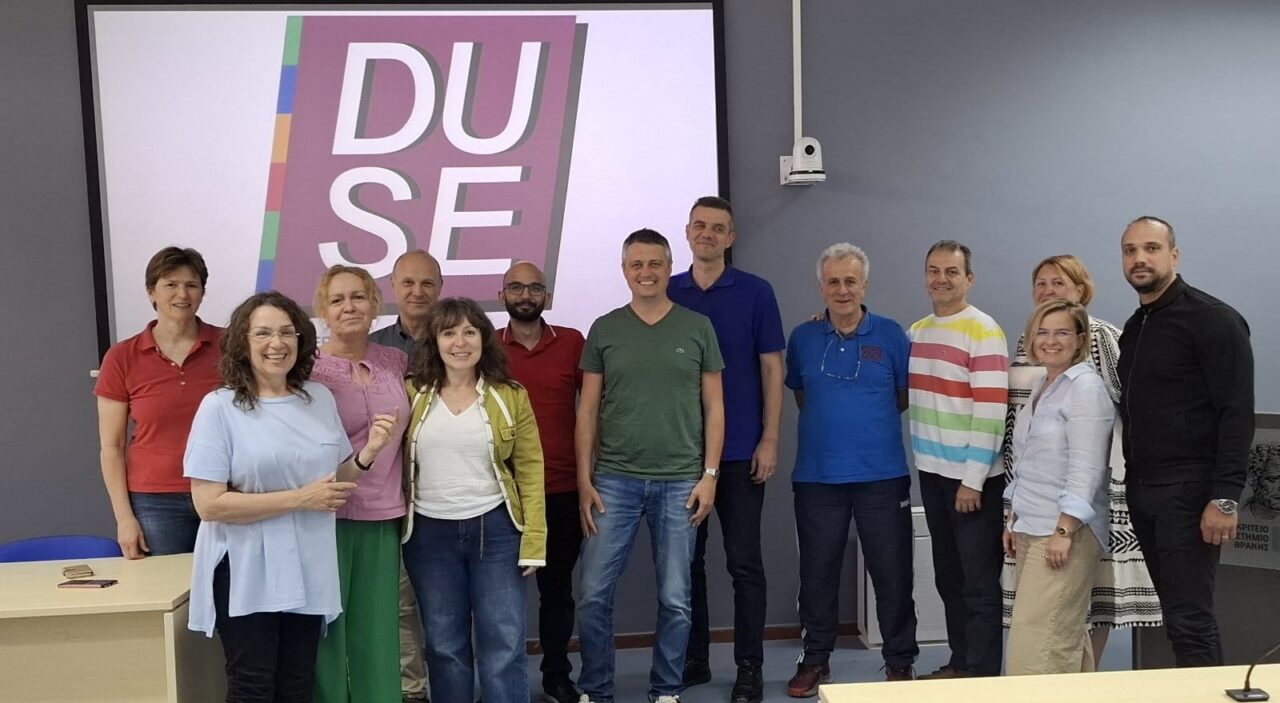
The DUSE (Counteracting diabetes using interdisciplinary educative programs) project addresses type 2 diabetes mellitus (T2DM), one of the most pressing public health challenges of our time. T2DM is classified as a lifestyle-related Non-Communicable Disease (NCD). It is often connected to modifiable risk factors, including obesity, physical inactivity, and unhealthy eating habits.
DUSE’s approach focuses strongly on prevention rather than cure. The core mission is to educate and empower children and adolescents to adopt and sustain healthy habits from an early age. This goal is achieved by promoting long-term well-being through regular physical activity and good nutrition.
DUSE launched in January 2024 and is scheduled to conclude in December 2026.
The consortium delivering the interventions includes partners from four participating countries: Italy, Greece, Romania, and Ukraine. The project is coordinated by Prof. Milena Raffi, Associate Professor in Human Physiology, University of Bologna.
The primary target audience consists of children and adolescents. During the first year of the project, the consortium successfully provided interventions to 463 kids across 10 schools. This work in Ukraine is particularly noted for giving children facing stress and uncertainty a sense of agency.
Prof. Milena Raffi, project coordinator, stated that DUSE is helping students build the curiosity, confidence, and skills required to take ownership of their well-being, demonstrating that prevention can be empowering and start early.
The project implements a truly interdisciplinary journey. Educational activities have included a variety of teaching methods:
- Nutritional and cuisine lessons;
- Interactive lectures;
- Physical activity training;
- Group works and physical activity days;
- Students have specifically delved into subjects like nutrition science, endocrinology, and physiology.
PhD student Michela Bridi shared that it was inspiring to witness the children’s enthusiasm when they learned how to read food labels or design meals that were balanced.
DUSE harnesses mobile technology and innovative tools to engage students:
- Students are engaged through a serious gaming app, which is a digital game designed to help them learn, train, or build healthy habits for real life.
- The project uses the MIT App Inventor platform.
- Students are encouraged to participate in app development labs and build their own health-tracking apps.
- These innovative tools foster both self-awareness and a mindset geared toward digital innovation and entrepreneurship.
In its first year, the project has successfully engaged 463 children in 10 schools within the four partner countries.
Project leaders and participants have shared insights on DUSE’s impact:
- High school student Daniel reflected that designing an app about healthy habits helped him realize how much technology can assist people in living better, emphasizing that the process involved creating something meaningful for themselves and others.
- Oleksandr Fomichov noted that in Ukraine, DUSE provided children facing “enormous stress and uncertainty” with hope, knowledge, and a sense of agency. This engagement shows that empowerment and prevention can “thrive even in times of disruption”.
As the school year continues, follow-up evaluations will be conducted. These evaluations will measure how the students’ behaviors and attitudes have evolved, specifically utilizing questionnaires and the analysis of food diaries.
DUSE is defined as more than a project, it is a movement toward cultivating a healthier generation. Everyone is invited to follow the progress and remain engaged. By working together, the goal is to help the next generation gain control of their health through smart choices.
For more information, visit the DUSE website.