9 June 2026
Ignacio Velasco García de Muro
How can a health education initiative continue to generate impact once a European project comes to an end? This is one of the key questions guiding the work carried out in Cantabria by the Nursing Research Group at IDIVAL as part of JACARDI.
The pilot project titled MOOCs to Improve CVD & Diabetes Literacy implemented within JACARDI’s work package on Integrated Care Pathways, aims to improve health literacy and self-care among people living with diabetes and cardiovascular diseases by offering free online courses. Designed for and with patients, the courses help participants better understand their conditions and take an active role in managing their health.
Through this project, the team has developed a free online course aimed at people living with diabetes and cardiovascular disease, designed to improve health literacy and promote self-care. The programme has now reached its fifth edition, engaged more than 150 participants, and more than 90% of those who complete the training consider it highly useful.
By strengthening patients’ knowledge, confidence and self-management skills, the initiative contributes to improving patient pathways in Cantabria, promoting a more informed and active participation in healthcare and supporting long-term disease management.
Building a course with patients, professionals and communities
However, the goal extends beyond the development of a digital educational resource. The project has focused on building a collaborative model involving expert patients, healthcare professionals, researchers, patient associations and the Cantabrian School of Health, with the aim of creating content that is more accessible, relevant and useful for the people it is intended to serve.
“Sustainability is not only about keeping a course active; it is about creating a stable, updatable resource that can continue reaching citizens through different channels,” explains Paula Parás, IDIVAL researcher and coordinator of the pilot programme.
The programme’s continuity is being developed in close collaboration with the Cantabrian School of Health, where the materials created through JACARDI are progressively being integrated into its regular activities to ensure their availability beyond the project’s duration. At the same time, the team is exploring ways for the course to be recommended by physicians and nurses as a complement to routine clinical care.
The courses are freely available online and can be accessed through an online platform.
Equity is another cornerstone of the initiative. To make the training accessible to diverse population groups, IDIVAL collaborates with organisations such as COCEMFE Cantabria, UNATE, Movimiento por la Paz, Fundación Secretariado Gitano, Plataforma Romanés and several adult education centres across the region.
“Chronic diseases require continuous care, and education is essential for helping people better understand their condition and adopt a culture of self-care,” says Mariló Damalia Pineda, Managing Director of COCEMFE Cantabria.
This pilot is closely linked to other JACARDI activities implemented by IDIVAL in Cantabria. Alongside this pilot, the institution is also developing another pilot within JACARDI’s work package on Health Literacy and Awareness, based on online courses for the general population focused on cardiovascular disease prevention, and third pilot as a part of the work package on ‘Patients’ self-management’, aimed at strengthening face-to-face health education workshops through the integration of scientific evidence.
Embedding JACARDI results into Cantabria’s health system
Although these initiatives target different audiences and pursue different objectives, they share a common sustainability strategy through the Cantabrian School of Health, which is part of the Cantabrian Health Service. This collaboration helps ensure that the resources, knowledge and methodologies generated through JACARDI can continue benefiting citizens beyond the lifetime of the project.
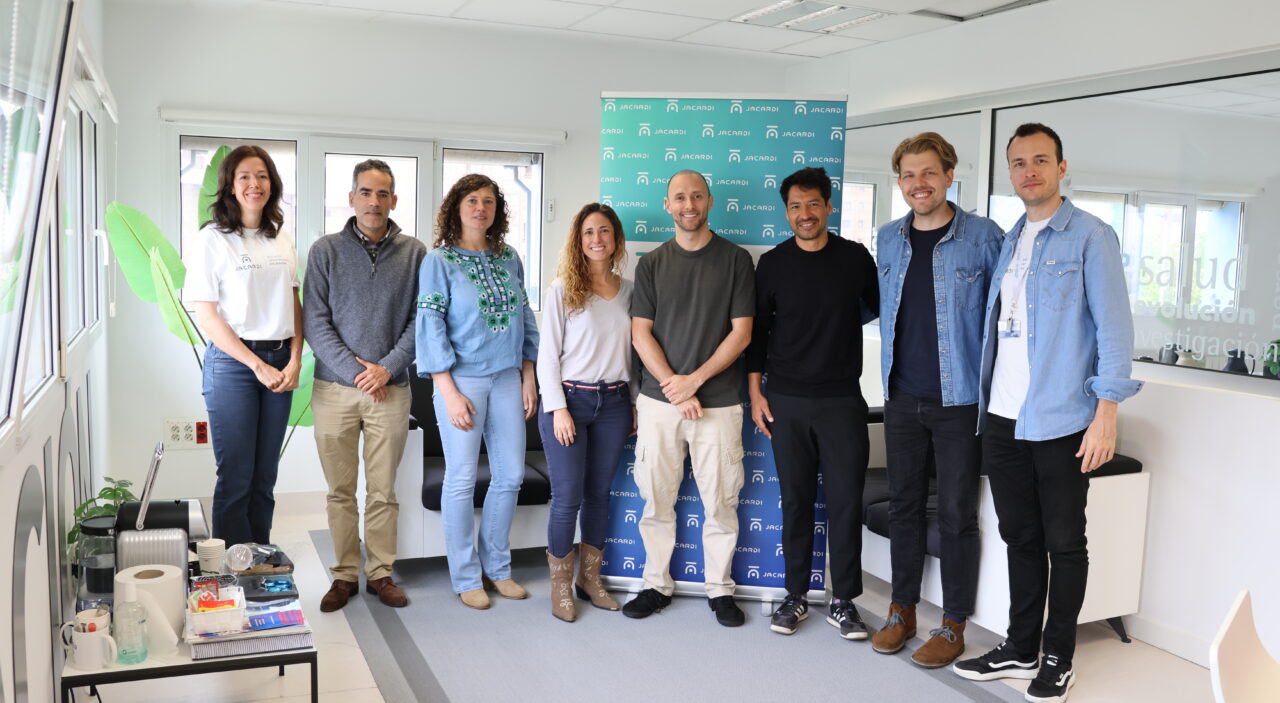
This integrated approach has attracted the attention of JACARDI’s European sustainability leaders, who recently visited Cantabria to learn how research, the healthcare system and community organisations are working together to transform project outcomes into long-lasting benefits for citizens.