28 September 2026
Jacardi
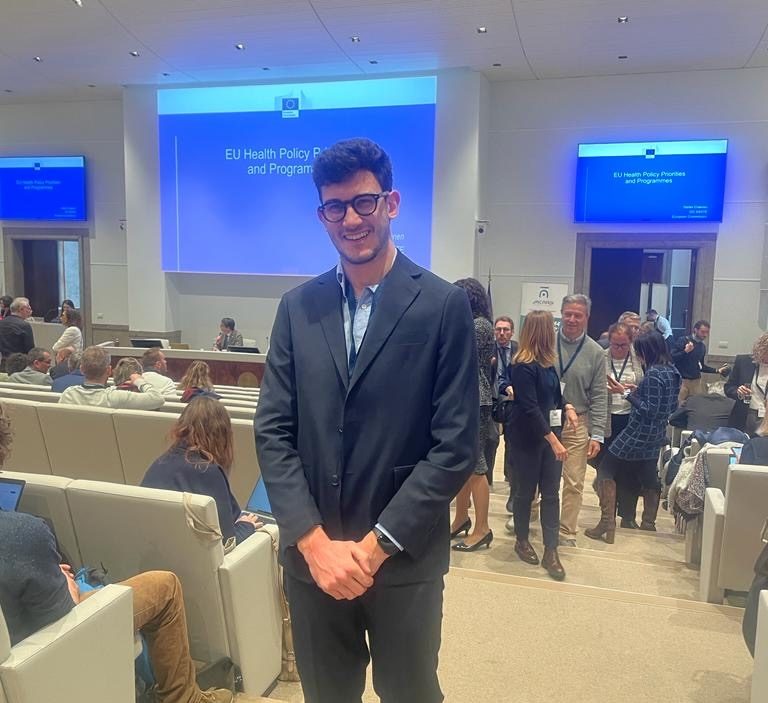
Some aspects of public health implementation can only be seen and understood in person. During a visit to a JACARDI pilot site in an underserved Romanian village, Tommaso Bertossi, a young researcher from the Italian National Institute of Health, encountered the people, relationships and local realities behind the intervention. In the first interview in JACARDI’s Voices of Young Professionals series, he reflects on what it means to implement public health interventions in complex settings. Beyond methodologies, outcomes and opportunities to test new approaches, pilot projects are also about building trust, understanding local contexts and engaging with the full complexity of people’s lives.
Could you briefly introduce your role in JACARDI and the purpose of the visit?
Within JACARDI, where I am part of the Coordination Team and support the team responsible for the multidimensional assessment of pilot projects. I recently had the opportunity to visit a pilot site in Romania. Specifically, the pilot focuses on health literacy and awareness for patients living with cardiovascular diseases (CVD) and diabetes, particularly among people living in vulnerable conditions, including those in rural areas, with limited access to basic services.
The visit, conducted together with the multidimensional assessment team, aimed to strengthen collaboration developed over months of virtual exchanges, discuss the implementation of the pilot, and deepen our understanding of the data and methodological inputs needed for assessment.
What were your main takeaways from the site visit?
The experience closely connects with my work as a PhD student in health economics and my research activities at the Italian National Institute of Health (ISS). More importantly, the experience proved particularly meaningful in understanding what it means to implement public health interventions in complex and often underserved contexts.
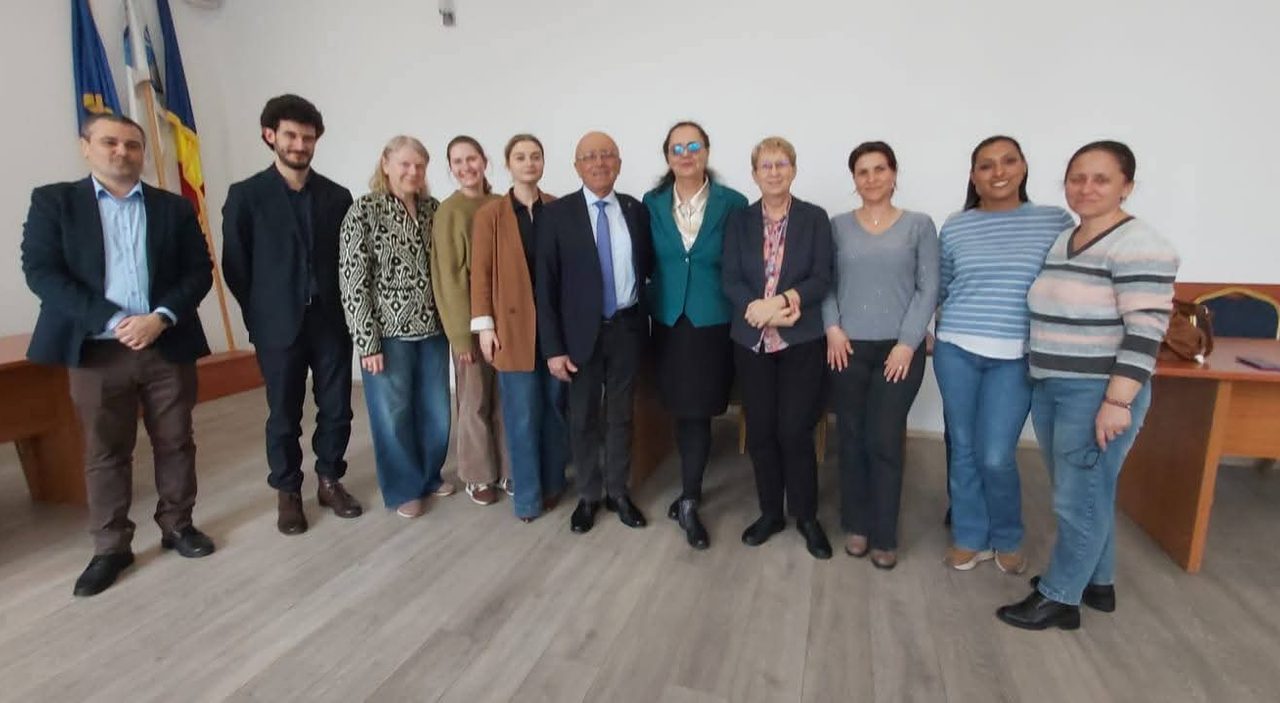
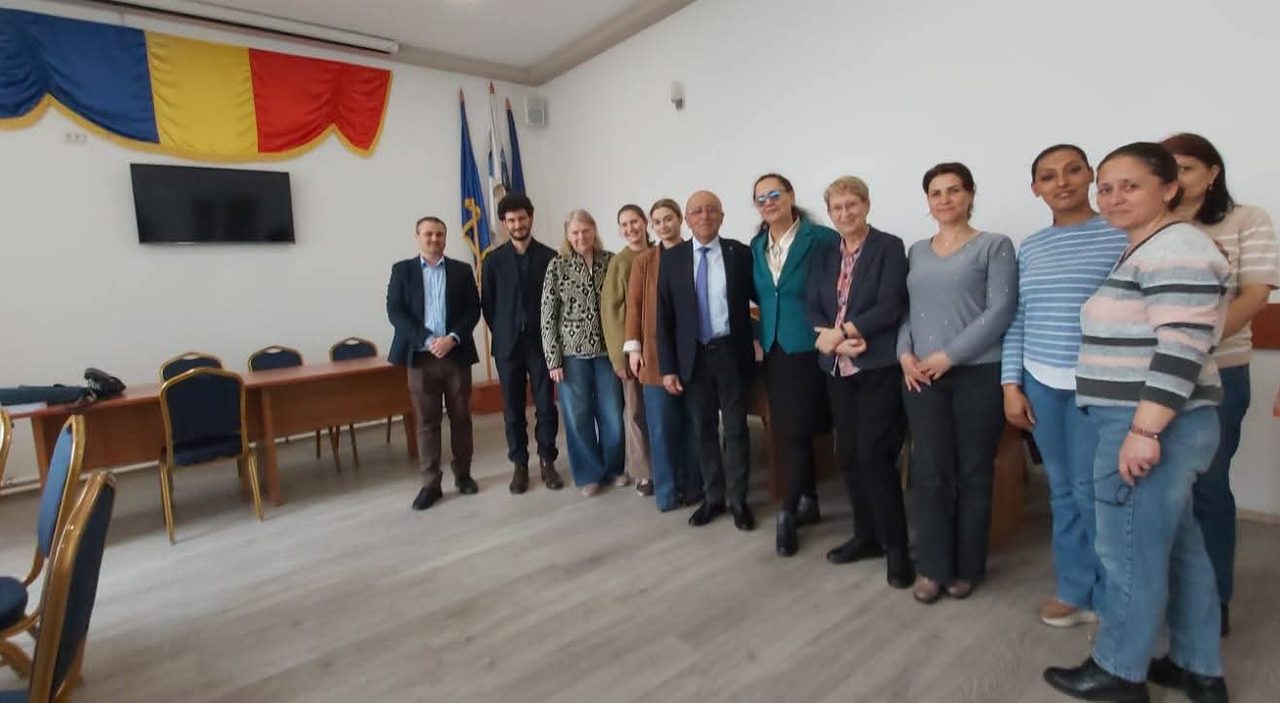
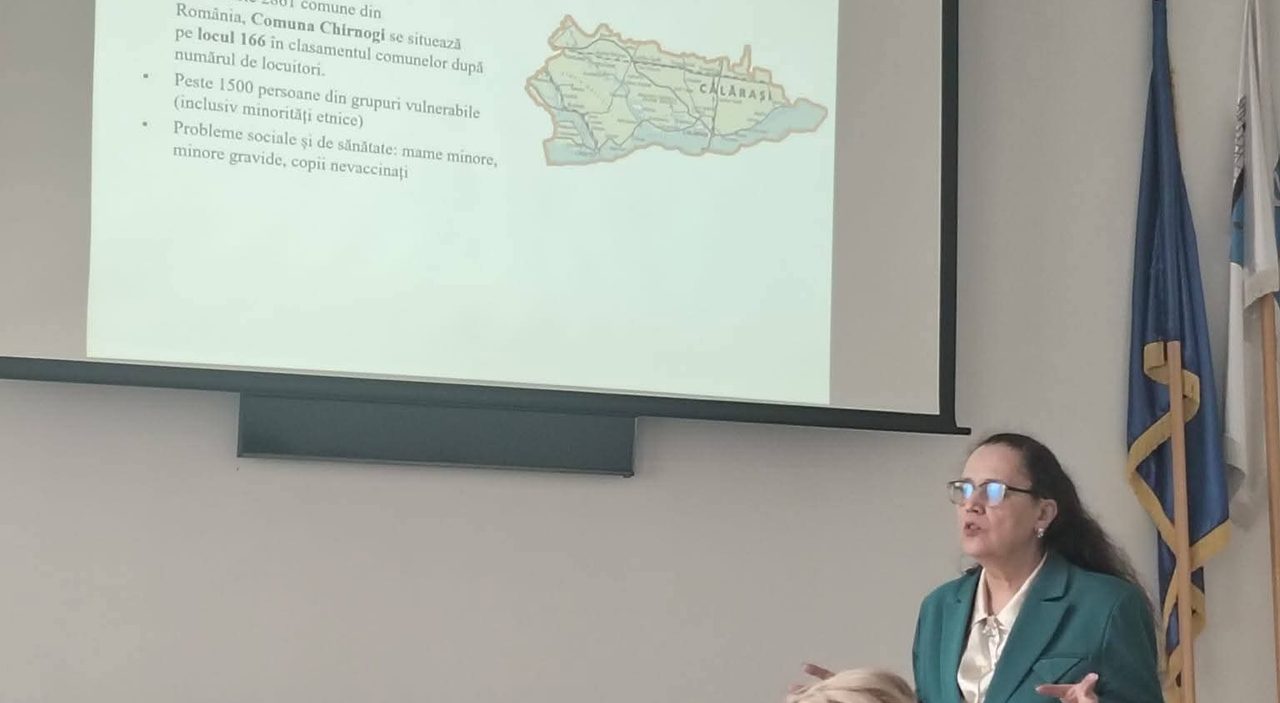
At the beginning of the site visit, we met the Romanian National Institute of Public Health (INSP) team, responsible for designing and implementing the intervention. Our destination was Chirnogi, a rural village in the county of Călărași in south-eastern Romania, one of the areas of Romania with the highest prevalence of CVD, where a significant share of the population experiences socio-economic disadvantage.
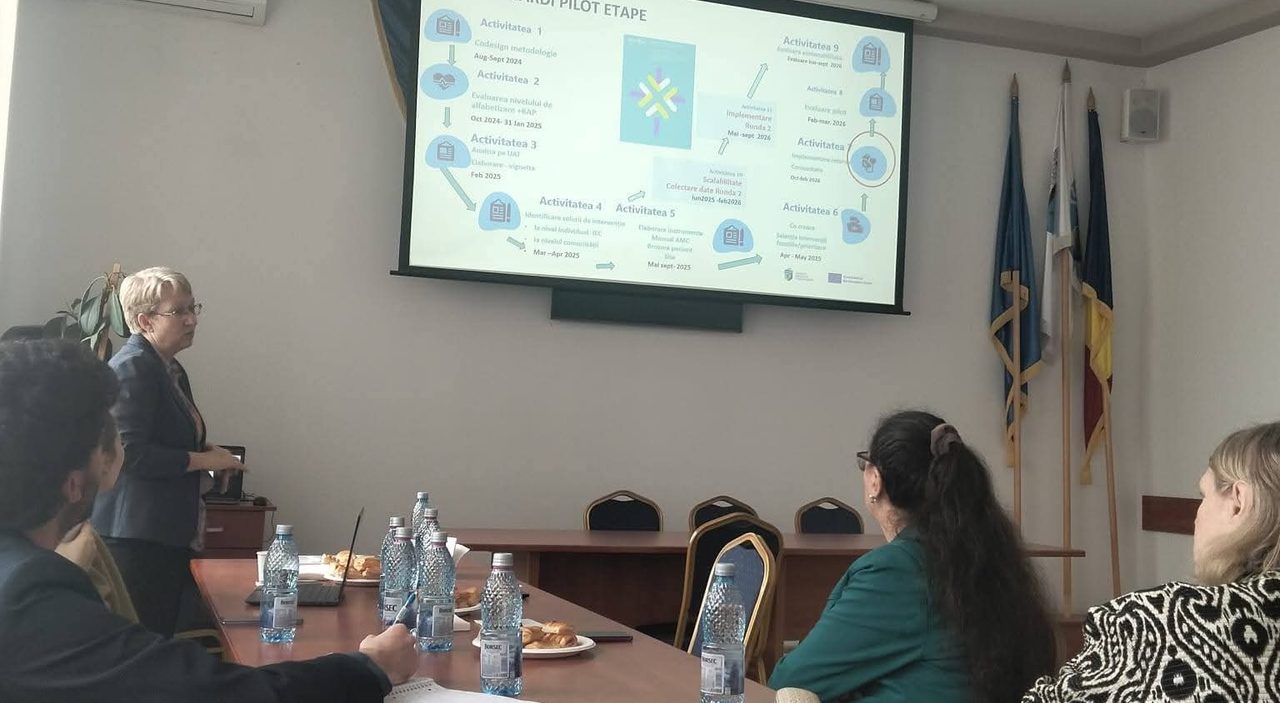
One of the most meaningful aspects of the visit was meeting the pilot team and the community nurses involved in the pilot project. Spending time with them helped me better appreciate the complexity of implementing public health interventions in real-world settings, as well as the essential role of community nurses in building trust and sustaining engagement with participants, a dimension that cannot be captured in plans or slides.
What did the visit reveal about the human side of public health implementation?
While travelling to the village with a community nurse and members of the pilot team, what struck me first was the pilot team’s strong commitment to engage directly with the community. At the same time, it also became clear how complex this can be, as external initiatives may initially be met with hesitation or uncertainty by some residents. This highlights the importance of building trust through time, continuity, and a deep understanding of the local context, as well as the need to co-design interventions with communities to ensure they are appropriate, meaningful, and accepted.
Why is on-site experience important for researchers?
Arriving in Chirnogi village was the most impactful part of the visit for me. I had the chance to see first-hand the reality the project is addressing, which cannot be fully captured through data and reports alone. Some aspects of daily life are only visible in person, and this experience reinforced my understanding of why such initiatives matter, giving me a renewed sense of purpose.
Here, I also had the opportunity to meet the mayor, who appreciated the work of the pilot team and its contribution to the community, highlighting the importance of local institutional support for the sustainability of public health initiatives. Walking through the village, the presence of Romanian and European Union (EU) flags side by side offered a simple but powerful reminder of shared values and the broader European context in which such initiatives are embedded.
How did the visit influence your perspective as a young researcher?
I started this visit expecting to observe the implementation details of a pilot intervention, thinking I would mainly engage in meetings and discussions on methodology and analysis. I left with something broader: a deeper awareness of the complexity and humanity behind public health actions in vulnerable contexts.
Beyond methodologies and outcomes, this experience highlighted how essential it is to consider trust, communication, and contextual understanding when implementing interventions, and reinforced that pilots are not only about testing tools or protocols, but about engaging with people’s realities in all their complexity. Going there in person made this especially clear.
Numbers and reports alone do not tell the full story, and the people involved in implementing these interventions deserve to be seen, acknowledged, and supported. What is being done in Chirnogi is not just a pilot but a model of how to reach communities with care, rigour, and respect, and one that can inspire similar efforts across different contexts in Europe. Overall, this visit was both grounding and enriching, strengthening my admiration for how small-scale, locally implemented interventions contribute to the broader vision of EU Joint Actions: improving health and wellbeing across very different settings in European countries.