17 November 2026
Jacardi
High-quality, comparable and accessible health data are essential to improving cardiovascular disease (CVD) and diabetes prevention and care across Europe. Yet fragmented information systems, inconsistent standards and barriers to data sharing continue to limit the ability of health systems to monitor disease burden, identify inequalities and translate evidence into effective policies.
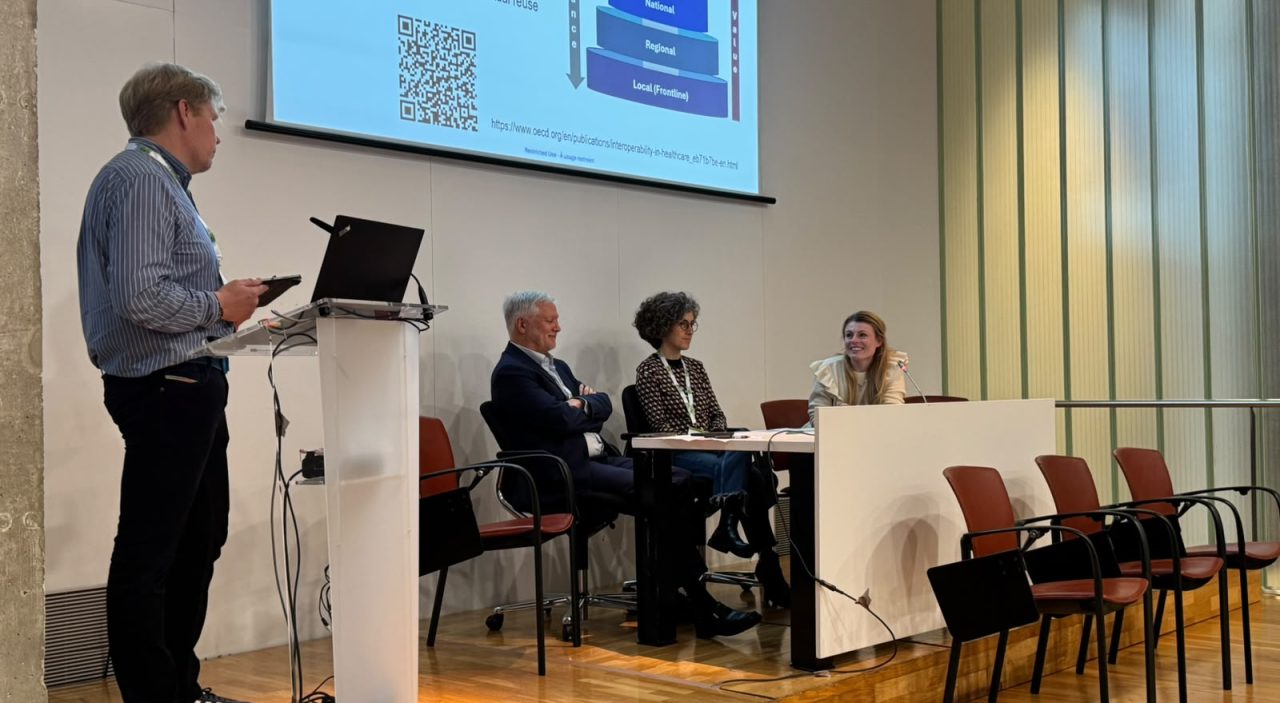
These challenges were at the centre of the workshop “Building the Foundation: Data Governance and Harmonisation for CVD and Diabetes in Europe”, organised by JACARDI Work Package 7 (Data availability, quality, accessibility and sharing) during the 2026 European Public Health Conference in Bilbao.
Chaired and moderated by Markku Peltonen (THL, Finland), the session brought together Benedetta Armocida (JACARDI Coordinator), Katherine de Bienassis (OECD), Héctor Bueno (CNIC) and Chiara Di Girolamo (Equity and Diversity expert) to discuss how Europe can strengthen its health data infrastructure through harmonisation, interoperability and equity-sensitive approaches.
From fragmented data to common European standards
A central message of the workshop was the importance of connecting, comparing and meaningfully using health data collected across different countries, healthcare settings and population groups.
Drawing on JACARDI’s experience, Benedetta Armocida presented the Joint Action’s contribution to developing a more harmonised and interoperable European data infrastructure, including efforts to promote interoperability through Common Data Models, particularly OMOP, in alignment with the European Health Data Space.
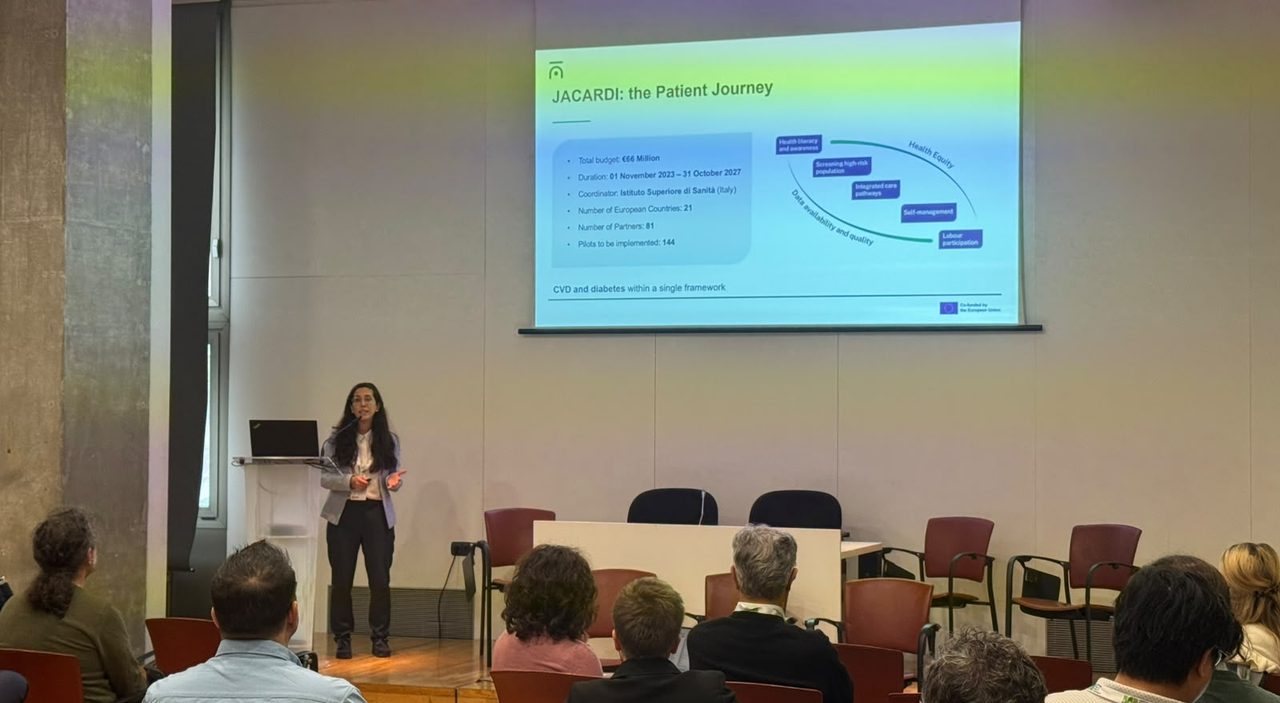
The discussion also addressed the technical and institutional conditions needed to implement these solutions, recognising that Member States have different starting points in terms of data infrastructure, governance frameworks and available resources.
Alongside technical harmonisation, JACARDI is contributing to a broader shift towards Value-Based Public Health, where data support the measurement of healthcare activities and outcomes and inform decisions aimed at improving population health, equity and long-term sustainability.
Making equity visible in health data
Equity was another central dimension of the workshop. The discussion highlighted how incomplete or insufficiently disaggregated data can obscure inequalities related to socioeconomic circumstances, gender, migration background and geography, leaving some populations underrepresented in health monitoring and policy decisions.
JACARDI’s approach emphasises the importance of integrating social determinants of health and equity-sensitive indicators into data frameworks, while strengthening the capacity to interpret and use this information responsibly.
Better data can help us understand population health outcomes, identify who is being left behind and explore the factors driving inequalities.
Connecting data innovation with European policy priorities
The workshop highlighted the importance of combining common technical standards with effective data governance, institutional capacity, collaboration and sustainable implementation to achieve meaningful interoperability.
As Europe advances the European Health Data Space (EHDS) and the Safe Hearts Plan, JACARDI’s work offers practical tools, shared methodological approaches and implementation experience to support more comparable, actionable and equitable health information systems.
The session concluded by highlighting a fundamental principle: strong health data systems provide an essential foundation for effective public health action. By strengthening the foundations of Europe’s health data systems, JACARDI is helping connect better evidence with better decisions, more effective policies and ultimately better health for people across Europe.