23 November 2026
Katie Ellwood - HSE
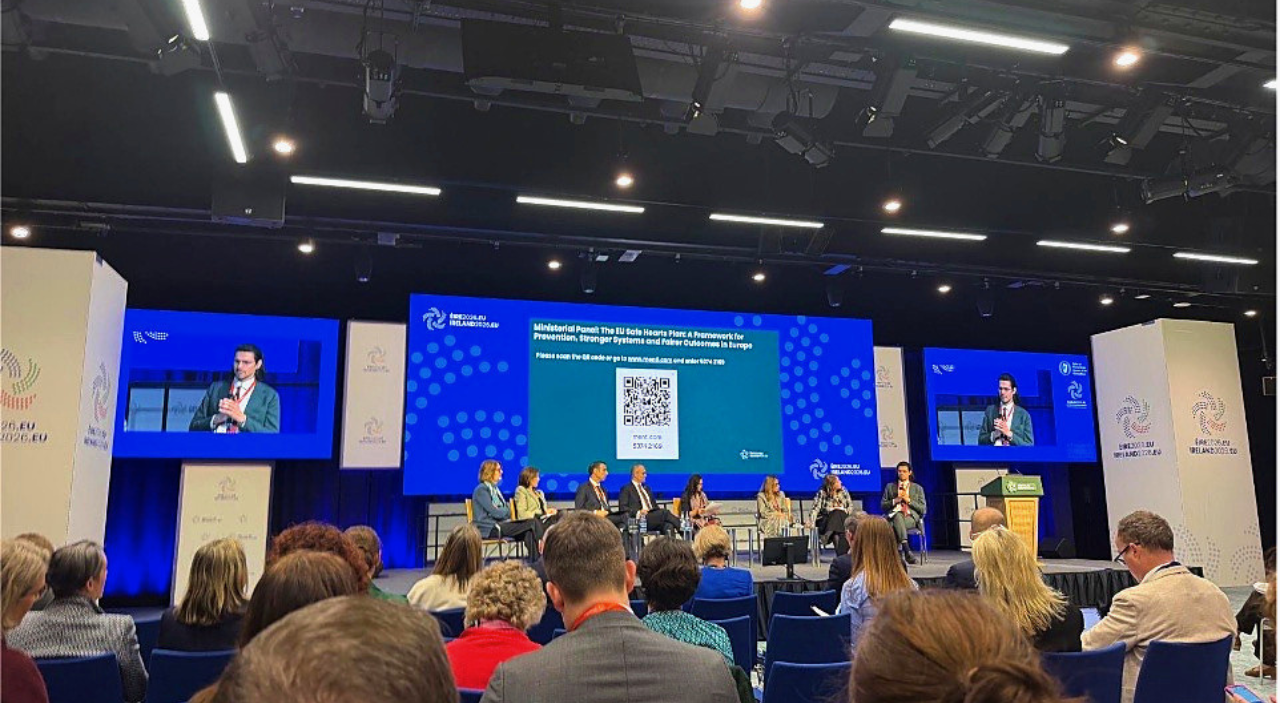
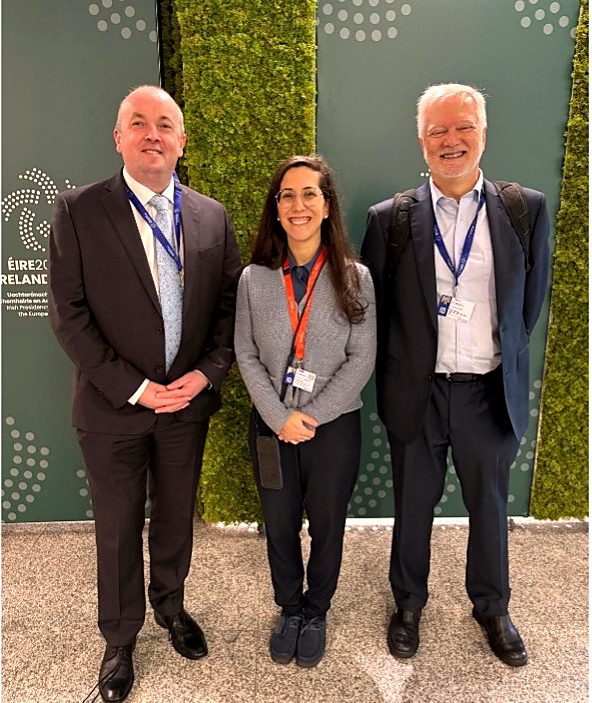
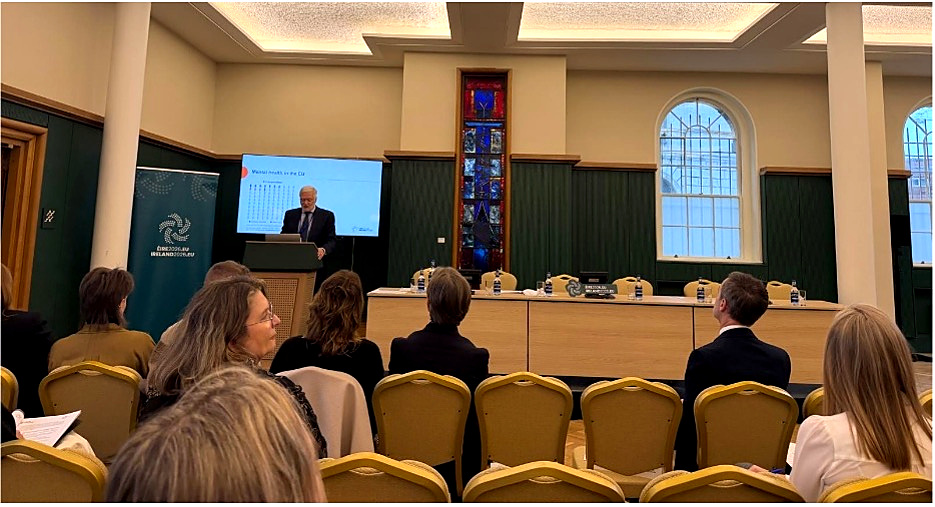
The Irish Presidency of the Council of the EU 2026 Conference on Maximising EU Potential through Health provided an important opportunity to explore the future direction of prevention and health system reform across Europe. Bringing together policymakers, health leaders and representatives of European health initiatives, the conference also saw members of JACARDI actively contribute to discussions on translating evidence into action. While discussions spanned cardiovascular health, cancer, women’s health, mental health and wider public health priorities, several recurring themes emerged that are highly relevant to the work of JACARDI.
Prevention must become a system priority
A recurring message throughout the conference was the need to move beyond treating prevention as an optional or secondary component of healthcare. Prevention was consistently framed as an investment in Europe’s future health, economic resilience and social wellbeing.
What was particularly striking was the emphasis on prevention across the entire patient journey. Discussions highlighted the importance of not only reducing risk and supporting early detection, but also ensuring effective rehabilitation, self-management and long-term follow-up. Prevention was viewed not as a single intervention, but as a continuous process that supports people before, during and after a cardiovascular event.
The remarks of Minister for Health Jennifer Carroll MacNeill, Taoiseach (Prime Minister) Micheál Martin and Chief Medical Officer Professor Mary Horgan reinforced this point. Whether discussing cardiovascular health, tobacco control or broader public health challenges, the consistent message was that evidence-based prevention remains one of the most powerful tools available to improve outcomes and build more sustainable health systems.
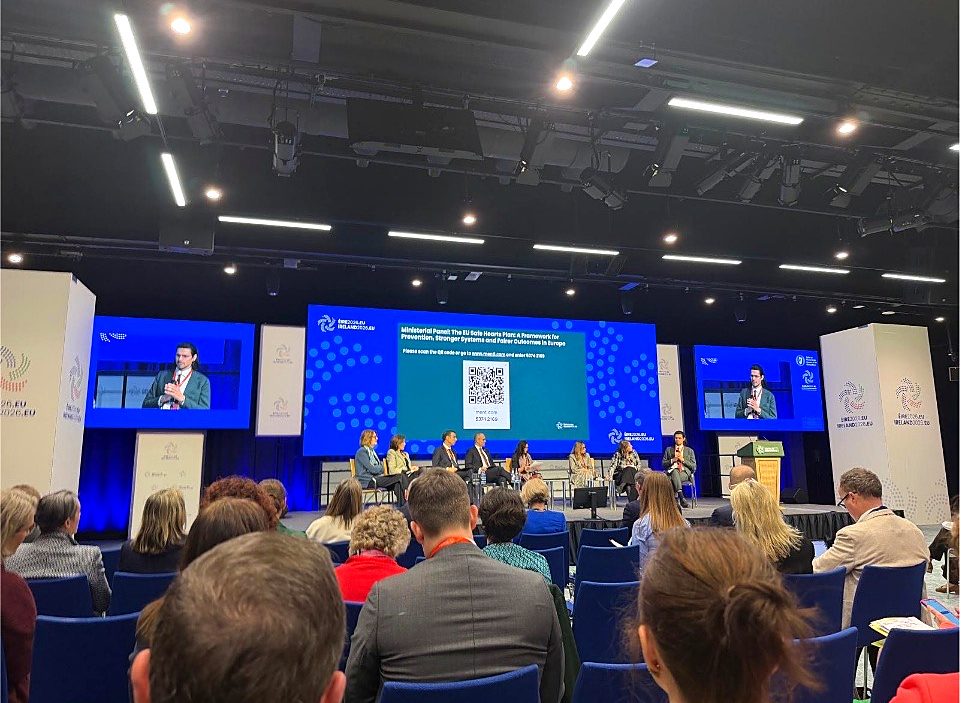
The Ministerial Panel further highlighted that prevention cannot be delivered by the health sector alone. A whole-of-government approach is needed, recognising the role that fiscal and regulatory measures, healthier environments, education, alcohol policy and child health initiatives all play in supporting healthier lives. Prevention must be embedded across policies and throughout the life course if it is to achieve meaningful and lasting impact.
Equity must be designed from the outset
Another strong theme throughout the conference was equity. It was encouraging to see equity and prevention discussed as inseparable priorities, recognising that prevention efforts risk widening health inequalities if they do not effectively reach those most in need.
The focus on women’s cardiovascular health was especially notable. Discussions highlighted the need to address longstanding gender inequalities in cardiovascular disease prevention, diagnosis and care, while recognising that women’s health should be considered across all health policies and programmes rather than in isolation.
The Ministerial Panel also reinforced the importance of building health systems around people and communities. Accessible primary care, community-based services and tailored interventions are essential to bringing prevention closer to everyday life. There was strong recognition of the role played by social determinants of health and the need for approaches that respond to different population needs and circumstances.

These discussions reinforced an important principle: equity cannot be measured at the end of the process. It must be built into the design, implementation and evaluation of policies and interventions from the outset.
From innovation to impact
Innovation featured prominently throughout the conference, particularly in discussions on data, digital health and artificial intelligence. There was clear optimism about the opportunities these developments present to strengthen health systems, improve prevention and support better decision-making.
However, an equally strong message was that innovation should be driven by impact rather than technology alone. Better use of data, stronger evaluation frameworks and more meaningful outcome measures are needed to understand not only what interventions are being implemented, but whether they are making a difference, for whom and under what circumstances.
Across several sessions, speakers highlighted the need to challenge existing ways of working, make better use of data and harness AI for good, while ensuring that people remain at the centre of decision-making. Innovation has the potential to accelerate progress, but only when it responds to real needs and contributes to improving outcomes, reducing inequalities and supporting sustainable change.
Importantly, the role of lived experience emerged repeatedly throughout the conference. The insights and experiences of patients and citizens were recognised not as an add-on to policy development, but as a vital component in shaping effective services, improving implementation and ensuring that innovation delivers meaningful benefits in practice.
Looking ahead
A clear message emerging from the conference was that prevention, equity and innovation are not separate priorities but interconnected elements of stronger and more sustainable health systems. Progress will depend on bringing these ambitions together and translating them into measurable action and outcomes.
The conference also highlighted the value of European collaboration in supporting this transition, creating opportunities to share evidence, learn from implementation experience and accelerate progress across countries while adapting solutions to local contexts.
The discussion on translating knowledge into impact, featuring representatives of JACARDI, JA PreventNCD and other EU-funded initiatives, highlighted the importance of building on evidence and implementation experience generated through European collaboration. These initiatives can help inform national approaches and support the practical implementation of the EU Safe Hearts Plan.
As momentum grows around the EU Safe Hearts Plan and the development of Ireland’s National Cardiovascular Plan, these discussions offer an important opportunity to place prevention, equity and the lived experiences of patients and citizens at the centre of future action. For JACARDI, many of the themes emerging from the conference reflect core priorities already underpinning the programme: implementation, collaboration, equity and a commitment to ensuring that evidence translates into meaningful improvements in people’s lives.