Voices of Young Professionals: building trust and finding renewed purpose in rural Romania
Some aspects of public health implementation can only be seen and understood in person. During a visit to a JACARDI pilot site in an underserved Romanian village, Tommaso Bertossi, a young researcher from the Italian National Institute of Health, encountered the people, relationships and local realities behind the intervention. In the first interview in JACARDI’s Voices of Young Professionals series, he reflects on what it means to implement public health interventions in complex settings. Beyond methodologies, outcomes and opportunities to test new approaches, pilot projects are also about building trust, understanding local contexts and engaging with the full complexity of people’s lives.
Could you briefly introduce your role in JACARDI and the purpose of the visit?
Within JACARDI, where I am part of the Coordination Team and support the team responsible for the multidimensional assessment of pilot projects. I recently had the opportunity to visit a pilot site in Romania. Specifically, the pilot focuses on health literacy and awareness for patients living with cardiovascular diseases (CVD) and diabetes, particularly among people living in vulnerable conditions, including those in rural areas, with limited access to basic services.
The visit, conducted together with the multidimensional assessment team, aimed to strengthen collaboration developed over months of virtual exchanges, discuss the implementation of the pilot, and deepen our understanding of the data and methodological inputs needed for assessment.
What were your main takeaways from the site visit?
The experience closely connects with my work as a PhD student in health economics and my research activities at the Italian National Institute of Health (ISS). More importantly, the experience proved particularly meaningful in understanding what it means to implement public health interventions in complex and often underserved contexts.
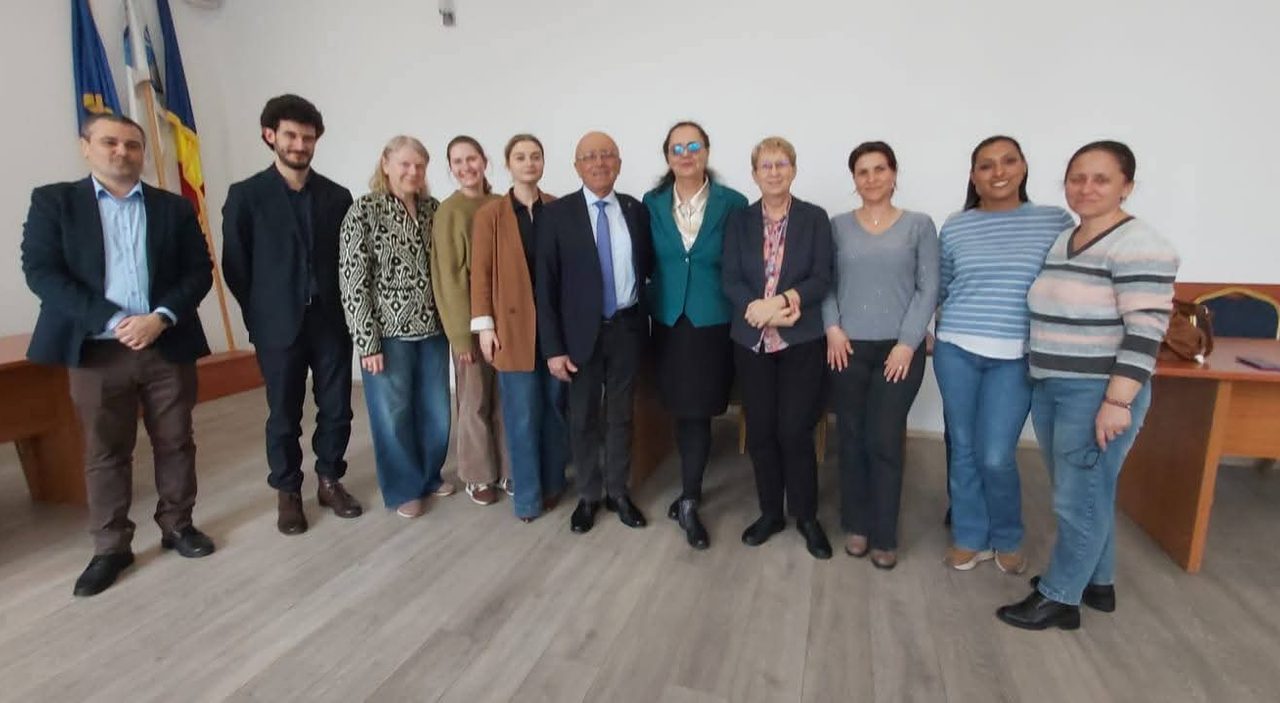
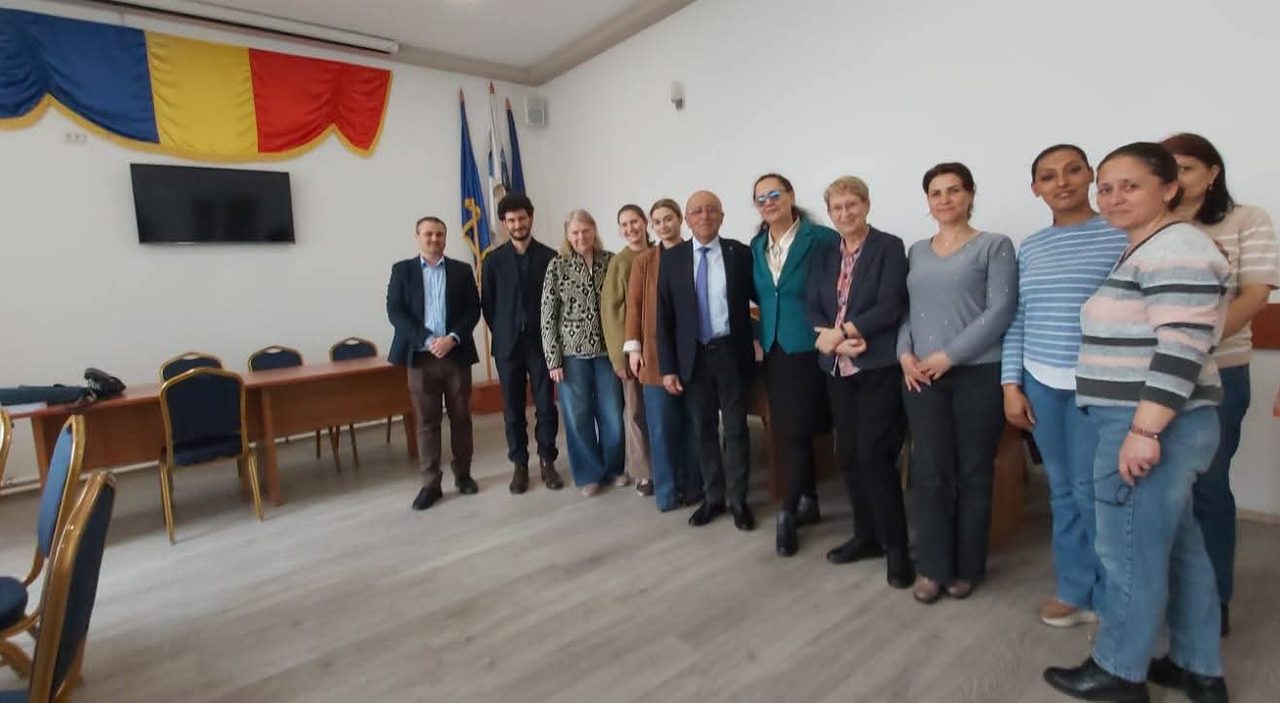
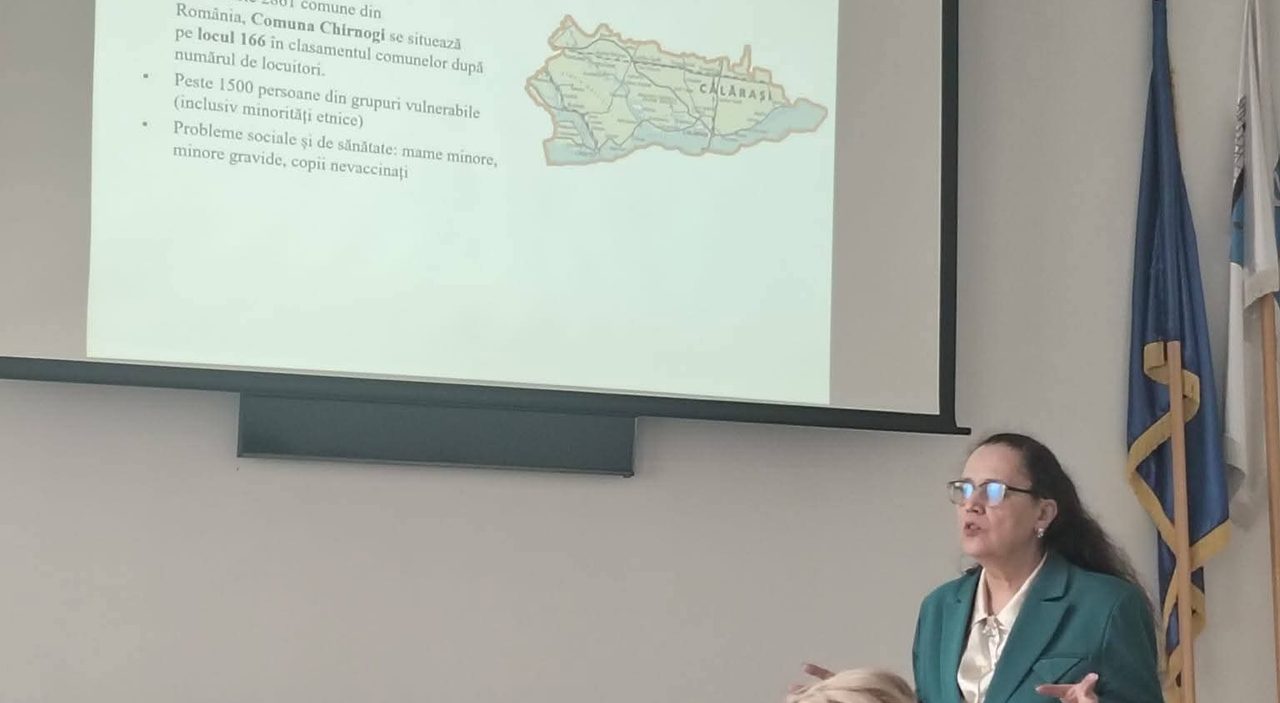
At the beginning of the site visit, we met the Romanian National Institute of Public Health (INSP) team, responsible for designing and implementing the intervention. Our destination was Chirnogi, a rural village in the county of Călărași in south-eastern Romania, one of the areas of Romania with the highest prevalence of CVD, where a significant share of the population experiences socio-economic disadvantage.
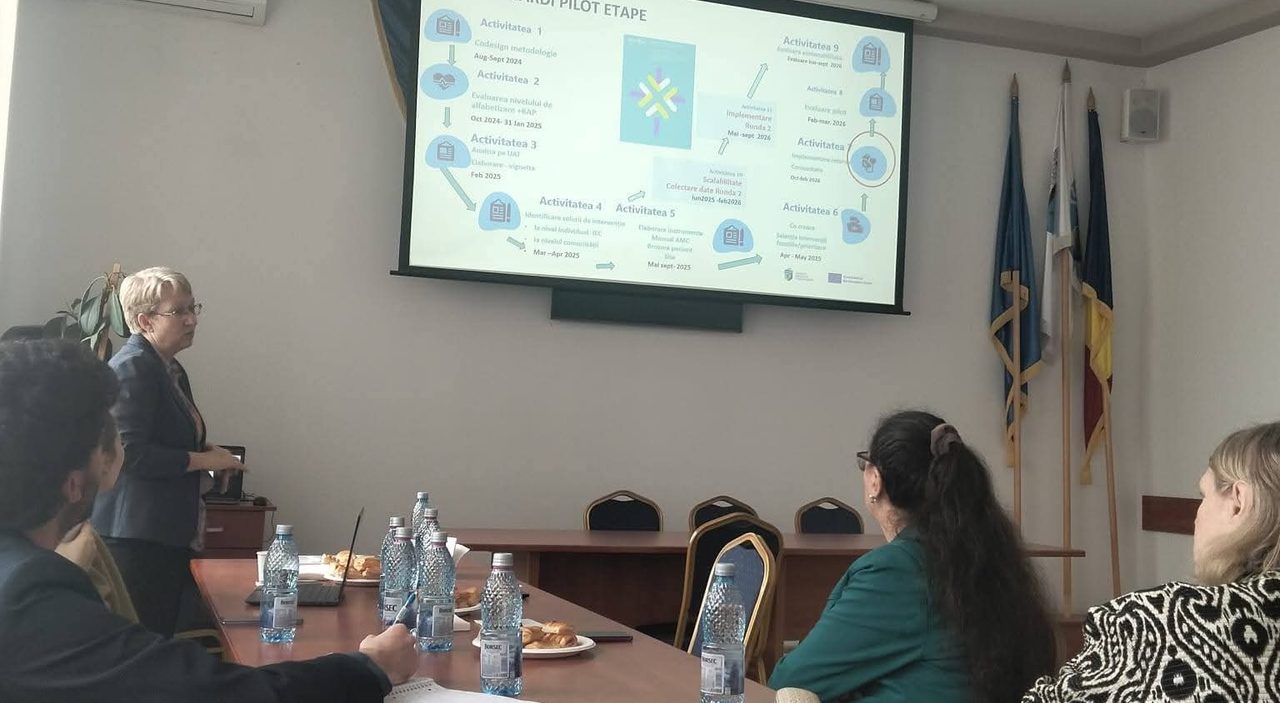
One of the most meaningful aspects of the visit was meeting the pilot team and the community nurses involved in the pilot project. Spending time with them helped me better appreciate the complexity of implementing public health interventions in real-world settings, as well as the essential role of community nurses in building trust and sustaining engagement with participants, a dimension that cannot be captured in plans or slides.
What did the visit reveal about the human side of public health implementation?
While travelling to the village with a community nurse and members of the pilot team, what struck me first was the pilot team’s strong commitment to engage directly with the community. At the same time, it also became clear how complex this can be, as external initiatives may initially be met with hesitation or uncertainty by some residents. This highlights the importance of building trust through time, continuity, and a deep understanding of the local context, as well as the need to co-design interventions with communities to ensure they are appropriate, meaningful, and accepted.
Why is on-site experience important for researchers?
Arriving in Chirnogi village was the most impactful part of the visit for me. I had the chance to see first-hand the reality the project is addressing, which cannot be fully captured through data and reports alone. Some aspects of daily life are only visible in person, and this experience reinforced my understanding of why such initiatives matter, giving me a renewed sense of purpose.
Here, I also had the opportunity to meet the mayor, who appreciated the work of the pilot team and its contribution to the community, highlighting the importance of local institutional support for the sustainability of public health initiatives. Walking through the village, the presence of Romanian and European Union (EU) flags side by side offered a simple but powerful reminder of shared values and the broader European context in which such initiatives are embedded.
How did the visit influence your perspective as a young researcher?
I started this visit expecting to observe the implementation details of a pilot intervention, thinking I would mainly engage in meetings and discussions on methodology and analysis. I left with something broader: a deeper awareness of the complexity and humanity behind public health actions in vulnerable contexts.
Beyond methodologies and outcomes, this experience highlighted how essential it is to consider trust, communication, and contextual understanding when implementing interventions, and reinforced that pilots are not only about testing tools or protocols, but about engaging with people’s realities in all their complexity. Going there in person made this especially clear.
Numbers and reports alone do not tell the full story, and the people involved in implementing these interventions deserve to be seen, acknowledged, and supported. What is being done in Chirnogi is not just a pilot but a model of how to reach communities with care, rigour, and respect, and one that can inspire similar efforts across different contexts in Europe. Overall, this visit was both grounding and enriching, strengthening my admiration for how small-scale, locally implemented interventions contribute to the broader vision of EU Joint Actions: improving health and wellbeing across very different settings in European countries.
No one can build this bridge alone: JACARDI strengthens the science–policy interface
How can data and evidence generated by a project reach policymakers and influence real-world decisions? And what enables a successful pilot intervention to become part of health systems, rather than remaining an isolated “island of excellence”? Generating robust evidence is only one step. To achieve lasting public health impact, project results must be understood, communicated and translated into solutions that respond to policy priorities, engage the relevant stakeholders and can be integrated into existing systems.
JACARDI is addressing this challenge through a consortium-wide science-to-policy capacity-building programme: 46 consortium members have been trained as trainers, who are expected to train up to 412 participants in national training sessions across 18 European countries.
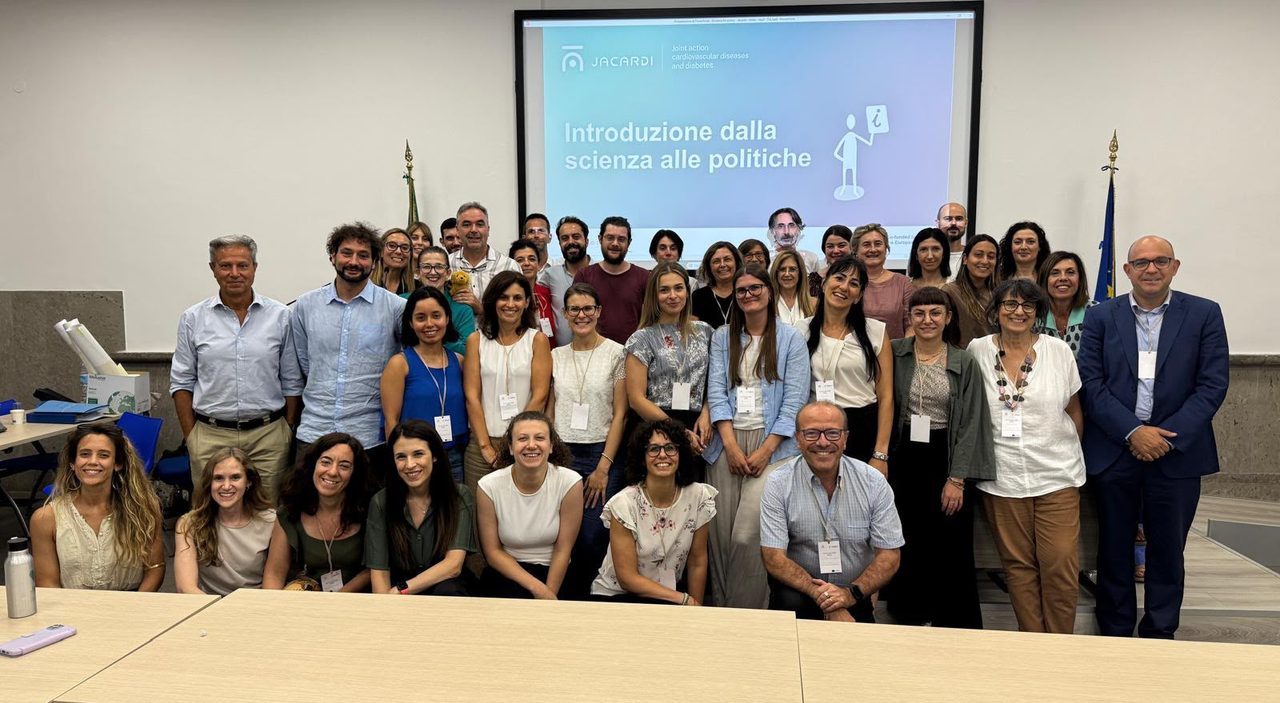
As part of this wider initiative, a two-day science-to-policy training took place on 14-15 July at the Italian National Institute of Health (ISS), involving 35 Italian pilot teams within the JACARDI consortium. The training was developed at consortium level under JACARDI’s work package on sustainability and aimed at strengthening participants’ capacity to transform the knowledge generated through their pilots into evidence that can inform policies, institutional decisions and future public health action.
Grounded in JRC’s Evidence for Policy Programme, driven by collaboration and trust
“I believe that science-to-policy is the responsibility to ensure that the best available evidence contributes to improving decisions, systems, and, ultimately, people’s lives.” said Benedetta Armocida, JACARDI’s Coordinator. “This requires expertise, of course. But above all, it requires courage, collaboration, and mutual trust. No one can build this bridge alone.”
The training was grounded in the approach of the European Commission’s Joint Research Centre (JRC) Evidence for Policy Programme, designed to enhance the capacity to bridge the gap between science and policymaking. Within JACARDI, this bridge is particularly important: the Joint Action is implementing a wide range of pilot interventions to improve the prevention and management of cardiovascular diseases and diabetes across Europe, but their long-term value will depend on whether effective approaches can be sustained, transferred and embedded within health policies and services.
Turning scientific results into policy-relevant messages
Participants worked on communicating evidence and project results to policymakers and institutional stakeholders in a clear, targeted and actionable way. Rather than simply presenting data, they learned how to identify the most policy-relevant findings, understand the needs and priorities of different audiences and formulate messages that can support concrete decisions.
The training therefore addressed a central challenge at the science–policy interface: the same evidence may need to be communicated differently depending on whether the audience includes technical experts, health authorities, institutional leaders, patient representatives or political decision-makers. Participants explored how to select the appropriate messages, formats, channels and moments for engaging each audience.
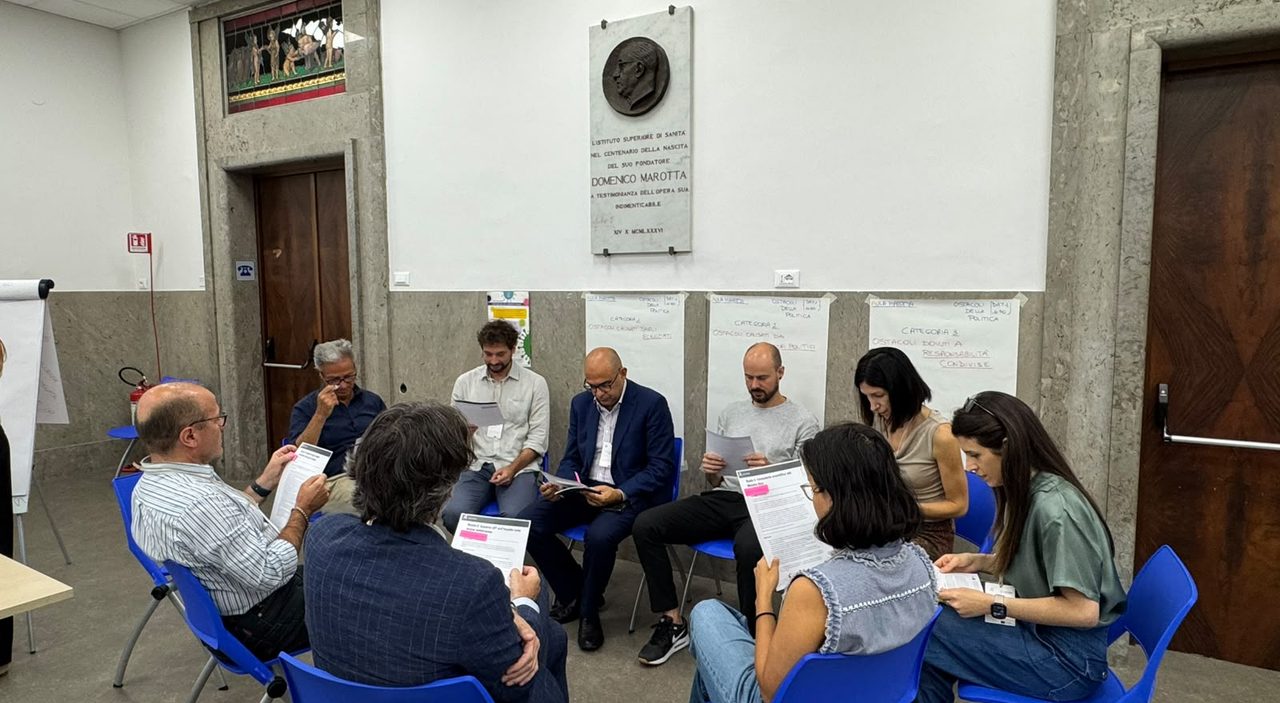
Beyond technical communication skills, the course also provided participants with a deeper understanding of policymaking processes and the interaction between scientists, stakeholders, policymakers, and politicians. Particular attention was given to the role of evidence in decision-making and to the factors that influence the uptake of scientific results in policy contexts. This involved looking beyond the production of scientific evidence to consider the broader environment in which decisions are made, including institutional priorities, available resources, stakeholder interests, political feasibility and opportunities for change.
An interactive training based on real pilot cases
In addition, the training supported the development of Sustainability Action Plans of pilot projects, including stakeholder consultation processes and consensus-building activities. These tailored plans will help each pilot team identify the actors to involve, the evidence to communicate and the actions needed to preserve, integrate or scale up the most valuable elements of their work beyond the end of JACARDI.
The training was delivered in person over two days through an interactive format combining brief lectures, practical exercises, skills-based sessions, simulations, and role-play activities based on real pilot cases. It was conducted by three pairs of trainers, who were previously trained by two experts from the JRC, following a train-the-trainers approach. This model does more than transfer knowledge: it builds capacity within the JACARDI consortium, enabling the methods and skills acquired to be shared, adapted and applied across countries and future initiatives.
The interactive sessions allowed participants to apply the concepts directly to their work, making the training strongly practice-oriented and closely connected to the implementation challenges faced by pilot teams. Participants did not work on abstract scenarios, but on the actual evidence, stakeholders and sustainability challenges emerging from their interventions.
Building capacity that lasts beyond the project
A pilot cannot be considered fully successful solely because it produces positive results during its implementation. Its added value also lies in its capacity to inform broader change: improving existing services, influencing institutional practices, guiding resource allocation or contributing to new policies.
This capacity-building activity is expected to generate value beyond the immediate scope of JACARDI. The skills, tools and methodologies acquired will not only support the implementation and sustainability of the current pilot activities, but will also be transferable to future initiatives. By strengthening participants’ ability to work at the science-policy interface, the training contributes to building lasting institutional expertise that can continue to support evidence-informed public health decisions after the conclusion of the Joint Action.
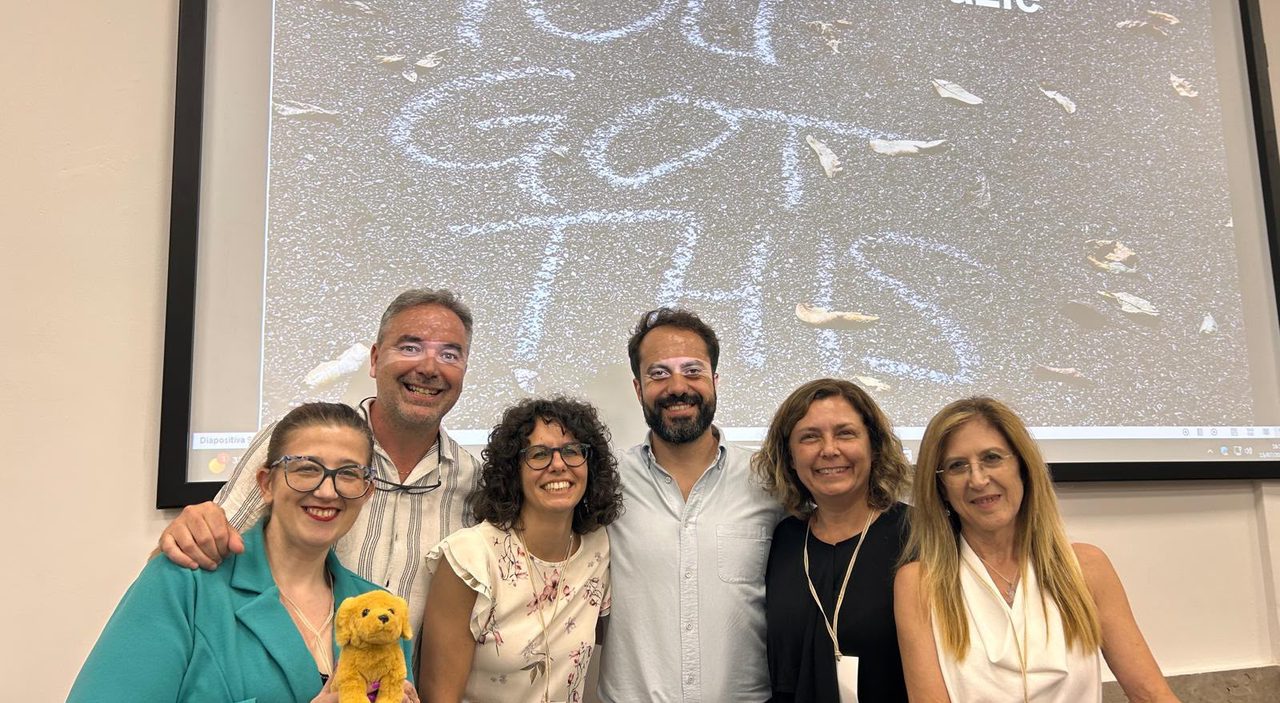
Through this initiative, JACARDI is investing not only in the results of individual pilots across Europe, but also in the people, relationships and institutional capacities needed to turn evidence into action. The ultimate objective is to ensure that effective interventions do not remain isolated experiences, but contribute to more sustainable, transferable and equitable health policies and practices at both national and European levels.
Related resources:
Health literacy in action: JACARDI partners share lessons from 25 European pilots
The second JACARDI health literacy meeting brought together more than 50 professionals from public bodies, research institutes, and healthcare organisations across 13 European countries to exchange progress and lessons learnt from 25 pilot projects.
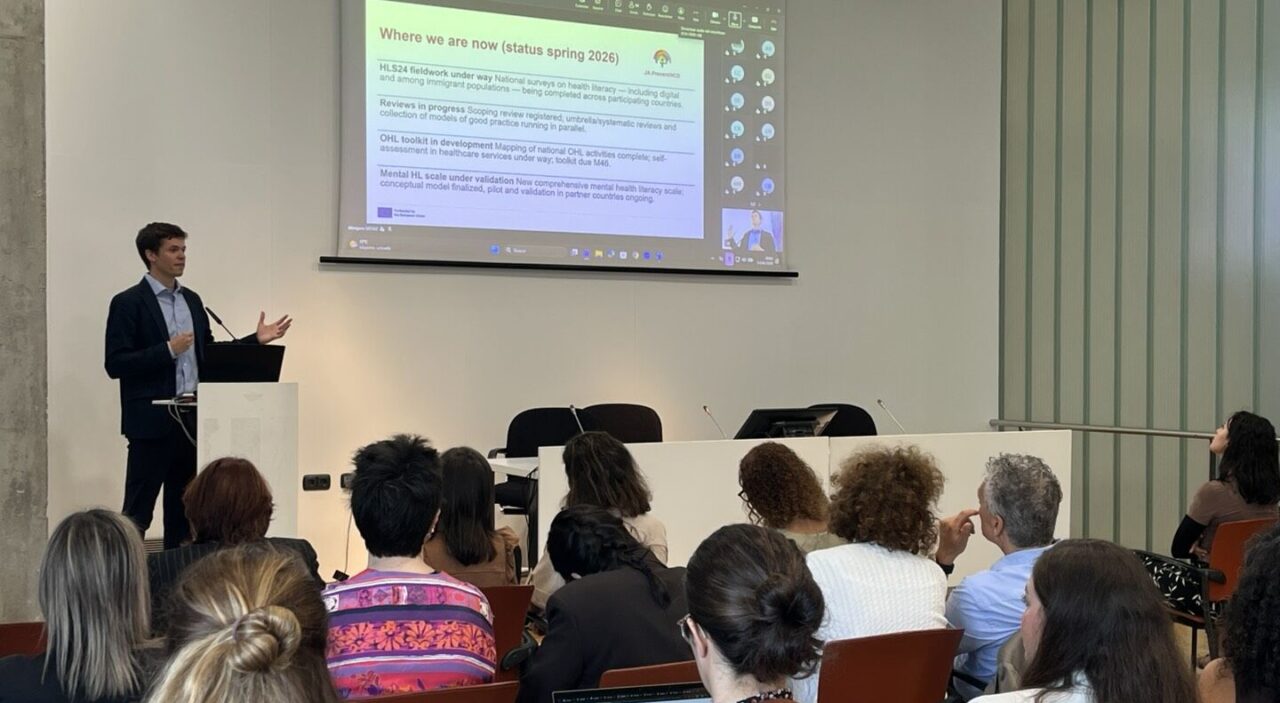
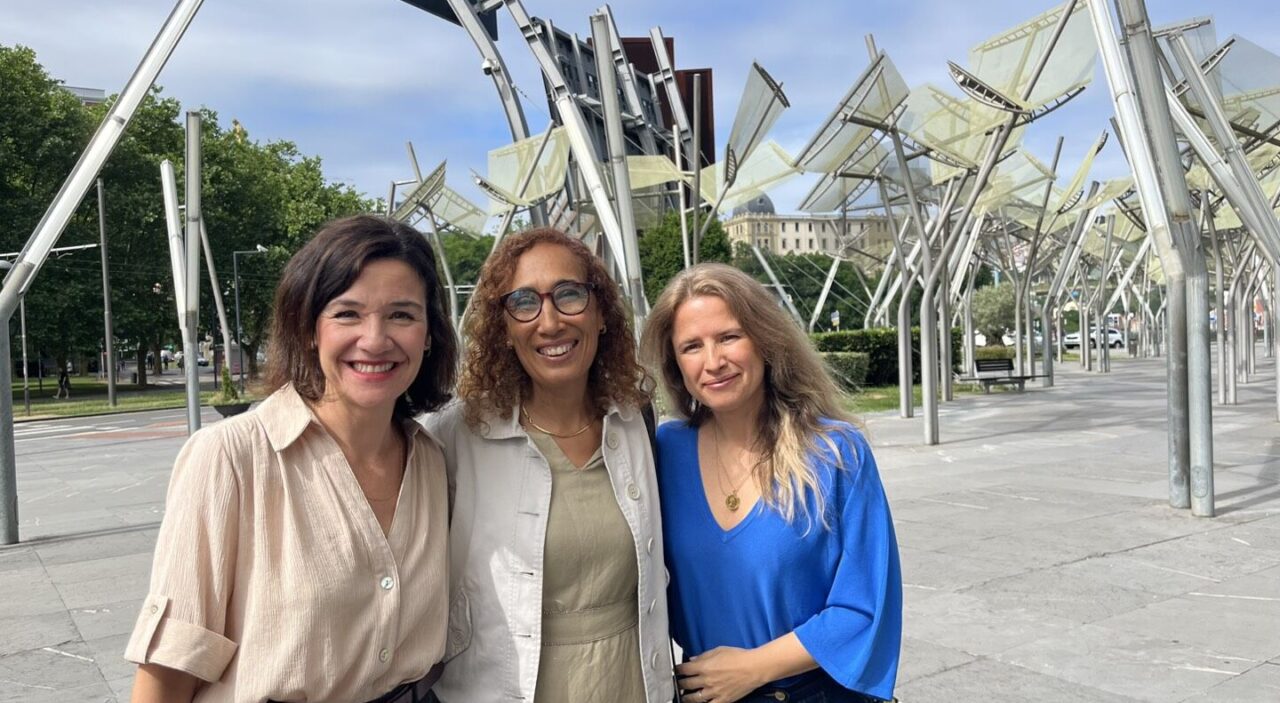
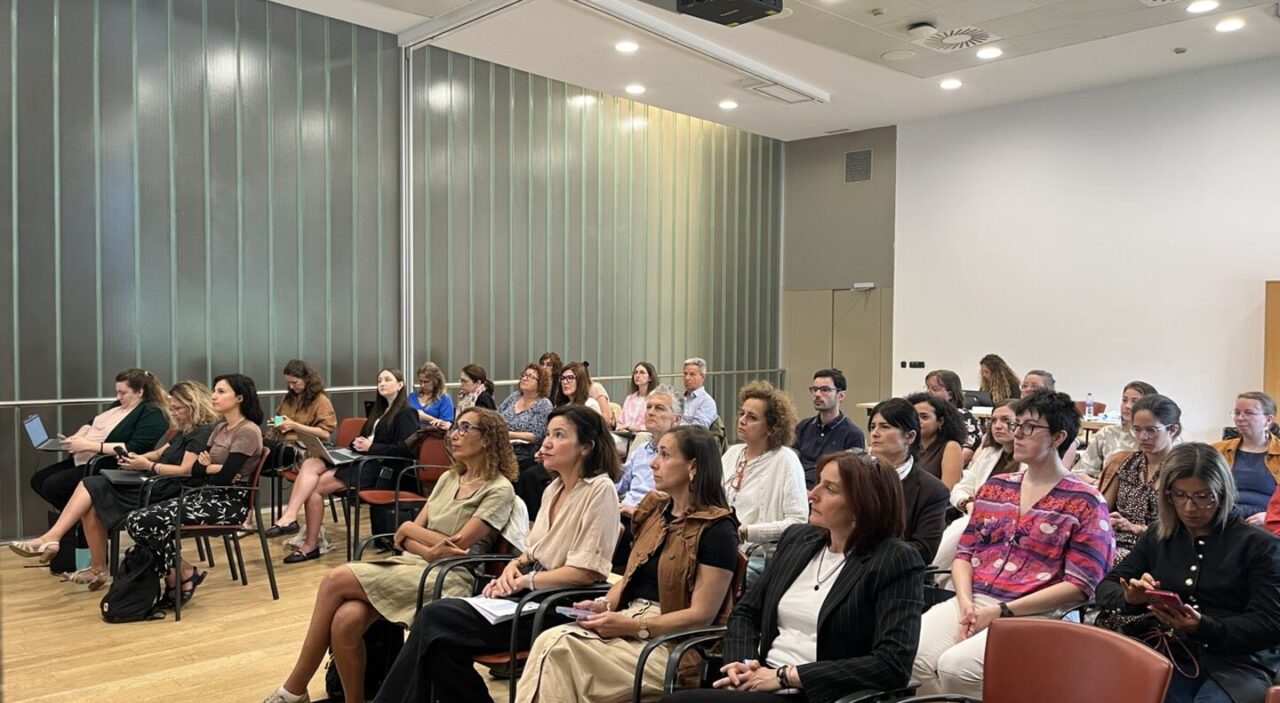
Over the two-day event coordinated by Biosistemak and held at the Euskalduna Conference Centre on 3–4 June in Bilbao, participants shared implementation experiences from different health literacy contexts, analysed common challenges, and discussed the evaluation of interventions, the inclusion of equity and diversity, and the sustainability and impact of JACARDI’s work beyond the project.
As a part of its integrated approach, JACARDI addresses the entire patient experience, making health literacy one of the fundamental pillars of health promotion and disease prevention. By focusing on enhancing how populations access, understand, evaluate and apply health information, JACARDI empowers individuals to make more informed decisions about their own health and well-being.
As a result, people are better prepared to adopt healthier lifestyle habits and become active agents in their own well-being and that of their communities, reinforcing health literacy as a cornerstone of a healthier and more equitable Europe.
Health Literacy for a Healthier Europe: 25 JACARDI pilots leading the way
During these two days, representatives from different countries including Croatia, Czech Republic, Finland, France, Iceland, Italy, Lithuania, Malta, Poland, Portugal, Romania, Spain, and Ukraine, they have addressed critical gaps in health literacy by developing and adapting tools, structures, and processes that empower individuals to better manage their health.
The pilots target a wide range of population groups, from adults and people living with diabetes, to pregnant women, children and adolescents, and people in vulnerable situations such as migrants, ensuring that interventions are tailored to the specific needs and circumstances of each community.
At the heart of JACARDI’s approach is a commitment to equity, inclusion, and co-creation. Rather than applying one-size-fits-all solutions, the project places end-users, patients and the general population at the centre of the design process, co-creating tools and interventions directly with those who will use them.
A key instrument in this effort is JACARDI’s Equity and Diversity Matrix guiding the pilots to ensure that health programmes reach the most vulnerable groups, including migrants and socio-economically disadvantaged populations, leaving no one behind.
Within health literacy-related pilots the interventions are also focused on reducing social inequalities by enabling fair access to health information, services, and resources, with particular attention to culturally and ethnically diverse communities who are often the most underserved. During the two-day meeting, pilots shared their progress and experiences, highlighting the importance of meaningful stakeholder engagement through the involvement of local, regional, and national entities as a critical driver of sustainable impact.
A highlight of the meeting was a joint activity including a dedicated synergies session, bringing together complementary EU-funded initiatives to share preliminary results and foster cross-project collaboration. Three projects presented their work: JA PreventNCD, focused on strengthening health literacy to reduce inequalities in cancer and other NCDs; the Preventia Action Grant addressing the prevention of diabetes, obesity, and cardiovascular disease; and the DUSE Action Grant, which focuses on counteracting diabetes through interdisciplinary educative programmes.
This collaborative exchange reflects JACARDI’s broader strategy of enhanced health promotion through shared learning, promoting the systematic exchange of health literacy policies, tools, and capacity-building initiatives among member states, encouraging the adoption of WHO-recommended frameworks, and ensuring equity-driven health promotion across Europe.
Basque pilot supports youth to build health literacy for healthier daily habits
In the Basque Country region in Spain, Biosistemak Institute, together with Osakidetza, is leading a JACARDI pilot that aims to strengthen health literacy among adolescents and young people. Implemented under Work Package 6, which focuses on health literacy and awareness of cardiovascular diseases and diabetes, the pilot contributes to JACARDI’s wider goal of reducing the burden of non-communicable diseases through prevention, equity and stronger health systems.
The pilot responds to a central challenge in chronic disease prevention: young people need health information and resources that are understandable, relevant and usable in daily life. By supporting adolescents and young people to better access, understand and apply health information and services, the Basque pilot seeks to help them build healthier habits early, before cardiovascular disease and diabetes risks become established.
Making health information meaningful for young people
Health literacy is not only about providing information. It is about making sure that people can use that information and services in real situations: when making food choices, understanding physical activity recommendations, navigating health systems or recognising how everyday habits can influence long-term health.
As explained by Irati Erreguerena Redondo, Researcher and Project Manager at Biosistemak, the Basque pilot places young people at the centre of this process. Rather than applying a “one-size-fits-all” model, Biosistemak works within the JACARDI implementation methodology to adapt the pilot to the regional context, and integrate the needs of adolescents and young people as well as the realities of the Basque health system. This reflects the broader JACARDI approach, which promotes a co-designed health literacy programme based on local needs and situations, enhancing a participatory process with community stakeholders integrating the equity and sustainability perspective.
“By improving health literacy early in life, we can help adolescents and young people make informed choices that support their health now and in the future,” says Irati Erreguerena Redondo, Researcher and Project Manager at Biosistemak Institute for Health System Research.
From local action to European learning
The pilot also contributes to JACARDI’s wider commitment to equity. Young people do not all access, understand, use and appraise health information in the same way, and their opportunities to act on it can be shaped by social, economic, cultural and family circumstances. By focusing on understandable and relevant communication, the pilot aims to reduce barriers and make prevention more feasible for all.
The results from the Basque Country pilot will contribute to JACARDI’s shared learning on how health literacy can support prevention from an early age. Insights from the pilot will feed into the project’s assessment and sustainability work, helping identify what can be maintained, scaled up or transferred to other settings after the project ends.
By helping adolescents and young people turn health information, resources and services into practical everyday choices, the Basque pilot shows how health literacy can become a foundation for healthier lives and more resilient health systems.
Research highlights the potential of self-measurement tools in preventing cardiovascular disease and diabetes
Research conducted within JACARDI summarises evidence on non-clinical methods for measuring blood glucose and cholesterol. The findings point to the preventive potential of self-measurement approaches, while emphasising that wider public health use requires further research, standardisation and strong clinical quality assurance.
Cardiovascular diseases and diabetes are among the leading causes of ill health and premature mortality in Europe. Both conditions are largely preventable, but prevention requires timely data on risk factors and approaches that are accessible to different population groups. Traditional screening methods can be resource‑intensive and may not reach everyone equally.
The researchers reviewed existing evidence on non-clinical measurement methods, such as dried blood spot samples, finger‑prick capillary blood collection, and emerging non‑invasive technologies. Some of these approaches showed close agreement with standard venous blood tests for specific measurements, particularly glycated haemoglobin (HbA1c) and triglycerides.
Clinical standards remain essential
However, the review also makes clear that clinical standards remain essential. Accuracy varies between methods, and differences in sample collection, handling and analysis can affect results. For this reason, self-measurement tools cannot currently replace clinical screening and are not recommended for diagnostic or population-level screening purposes.
“Self-measurement technologies have clear potential to support prevention and reduce barriers to participation,” says researcher (PhD candidate) Hanna Elonheimo, lead author of the study. “At the same time, they should be seen as complementary tools, not alternatives to clinically validated methods.”
The authors highlight that accessible and user‑friendly measurement approaches may still play an important role in increasing awareness of cardiovascular and diabetes risk, supporting disease management, and informing future prevention strategies. Further research is needed to improve standardisation, reliability and regulatory validation before wider implementation can be considered.
Publication: Innovative approaches to early detection of cardiovascular disease and diabetes risk: focus on glucose and cholesterol measuring
Authors: Hanna M Elonheimo, Alexandra Cucu, Gabriela Cristisor, Ciprian Ursu, Claudia Dima, Petru Milos, Giulia Franceschini, Katiuscia Dibiagio, Roberta Papa, Massimiliano Petrelli, Jelka Zaletel, Hanna Tolonen
Journal: European Journal of Public Health
Publication date: 9 February 2026
DOI: https://doi.org/10.1093/eurpub/ckag007
Building stronger prevention systems in Ukraine: insights from the Kyiv JACARDI meeting
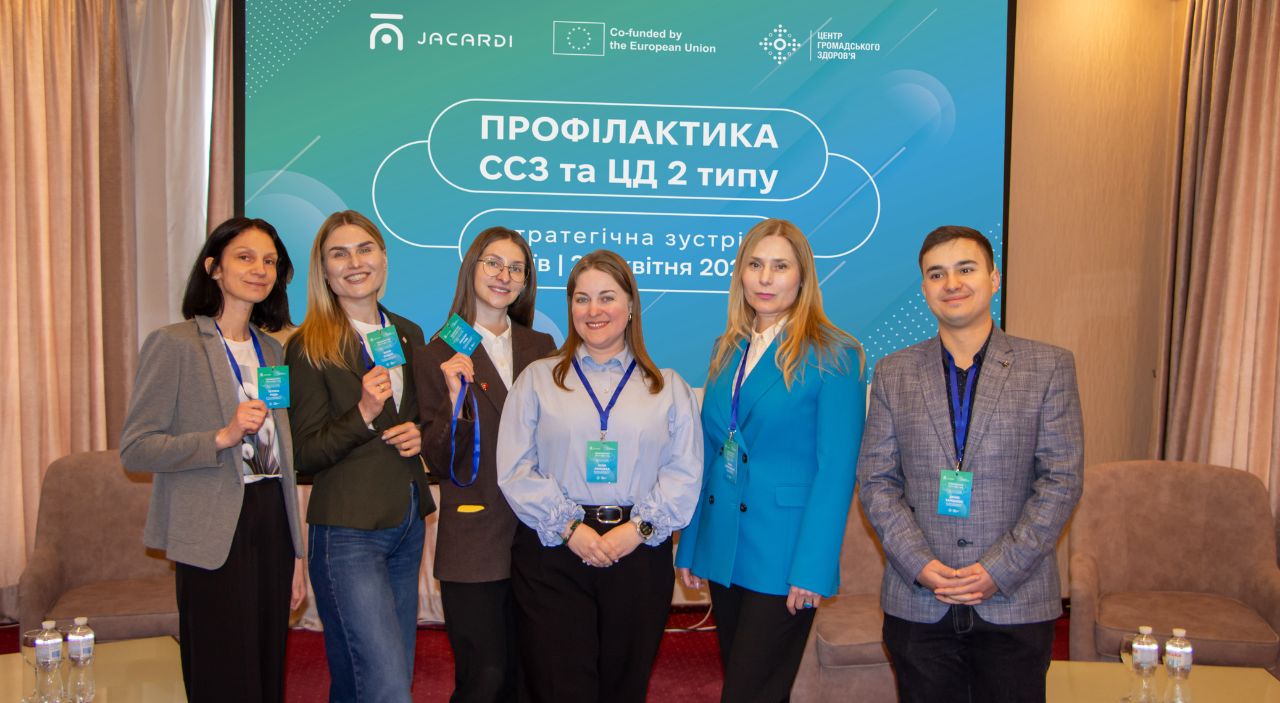
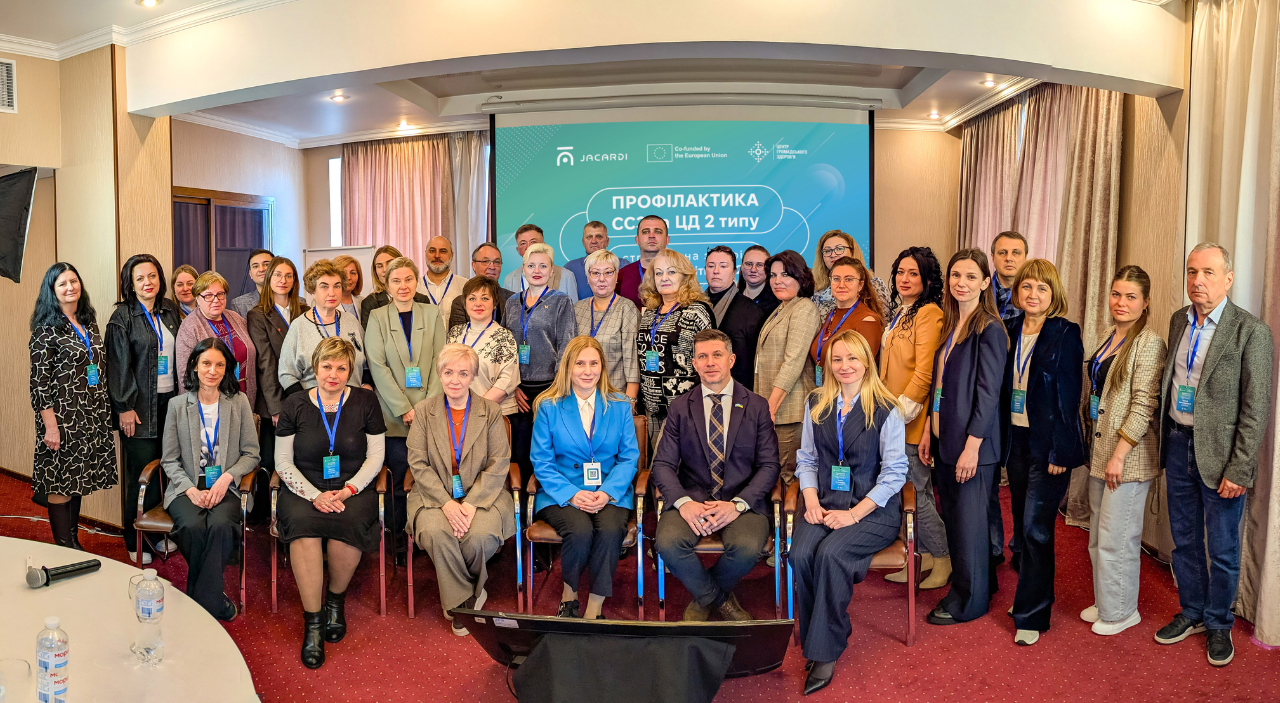
A strategic meeting on implementing effective models for the prevention of cardiovascular diseases and type 2 diabetes was held in Kyiv, Ukraine, organized by the Public Health Center of the Ministry of Health of Ukraine within the framework of JACARDI. The event brought together representatives from the Ministry of Health of Ukraine, the WHO Country Office in Ukraine, and regional centers for disease control and prevention. The main goal of the meeting was to strengthen collaboration in public health, exchange experiences, and integrate European best practices into the prevention of non-communicable diseases (NCDs).
Early identification of risk factors, modern community-level screening models, and international experience in prevention programs were at the forefront of discussions, with special attention on the Safe Hearts Plan. Behavioural risk factors and their impact on premature mortality and population health loss were also high on the agenda.
“Non-communicable diseases often remain ‘invisible’ — their consequences do not appear immediately. At the same time, it is important to understand that prevention is far cheaper than treatment, and healthy nutrition and physical activity are not about trends but primarily about preserving health,” said Tetiana Skapa, Director of the Public Health Department of the Ministry of Health of Ukraine.
What JACARDI pilot studies reveal about prevention and care
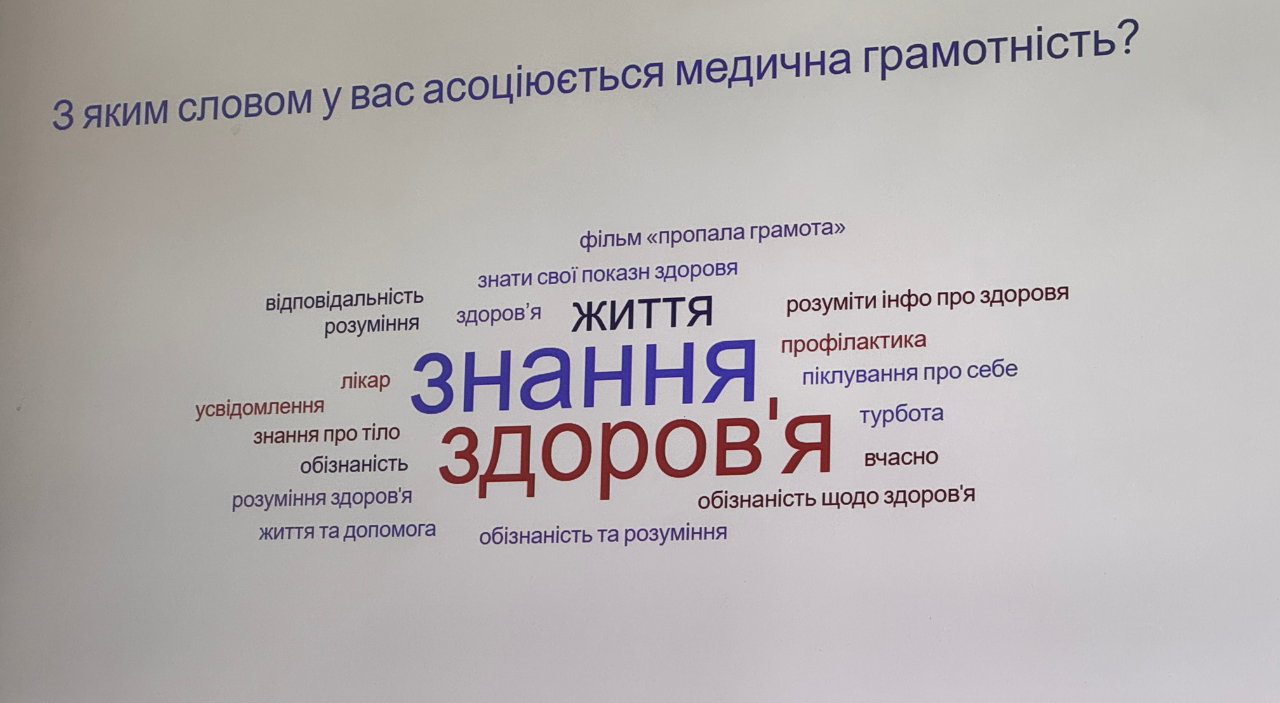
The meeting also included discussion of the main findings from a study on health literacy regarding self-monitoring of arterial hypertension. The study was conducted using the Ophelia (Optimising Health Literacy and Access) process, a co-design approach for developing health literacy actions that is applied across 24 pilot projects within JACARDI’s work package on health literacy. The findings of the study confirmed that health literacy is a key factor in the effective prevention and self-management of high blood pressure, influencing adherence to treatment and regular monitoring. The study also highlighted practical opportunities for improvement, including clearer patient communication, better access to blood pressure monitoring in community settings, stronger patient education and peer support, and more coordinated healthcare delivery.
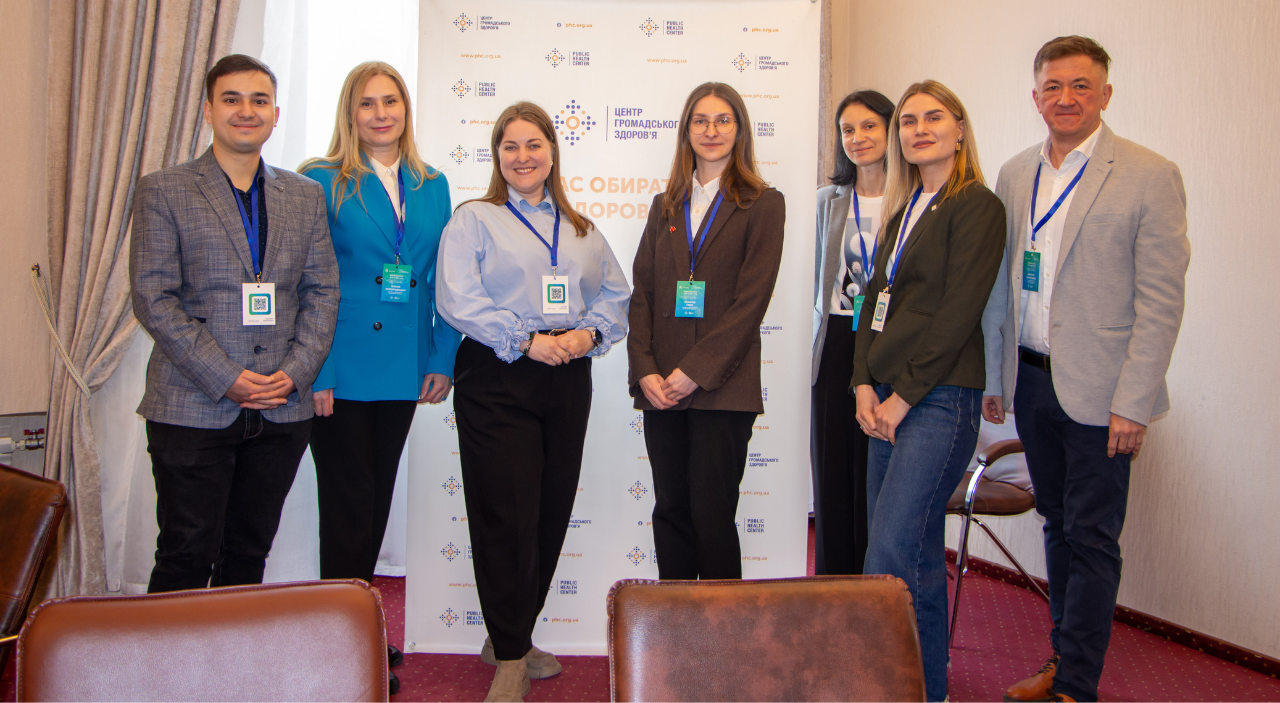
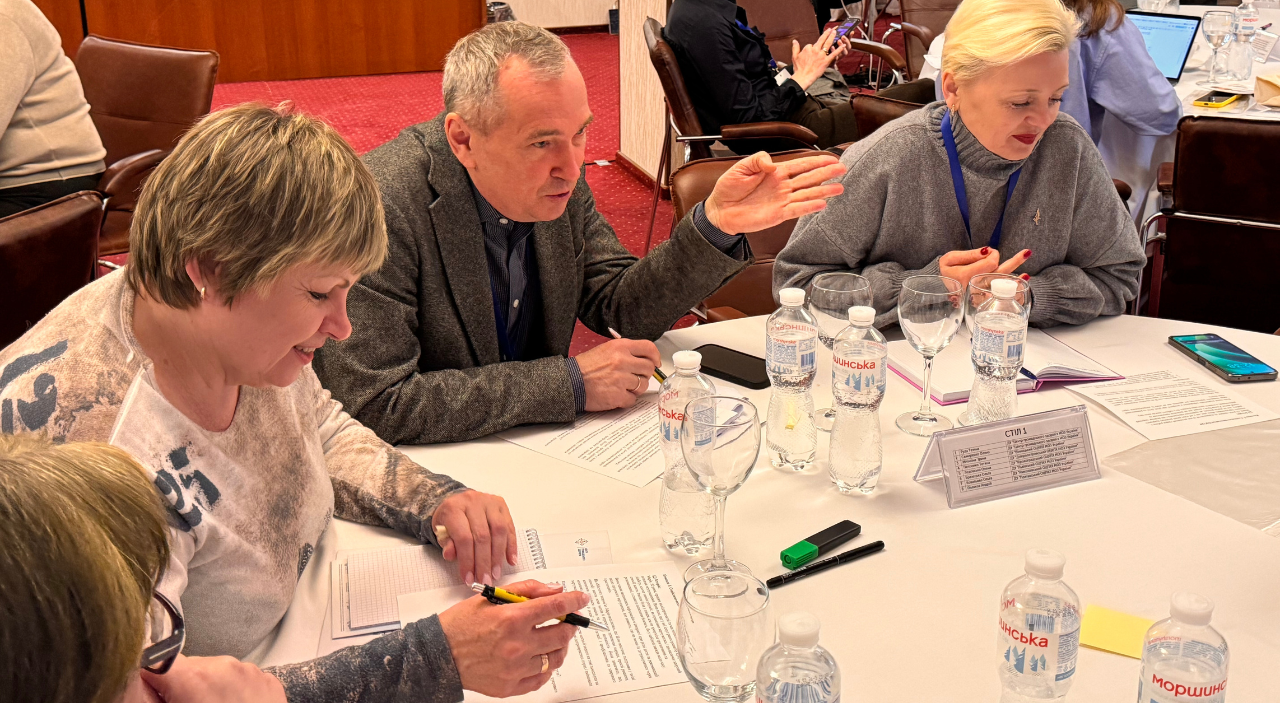
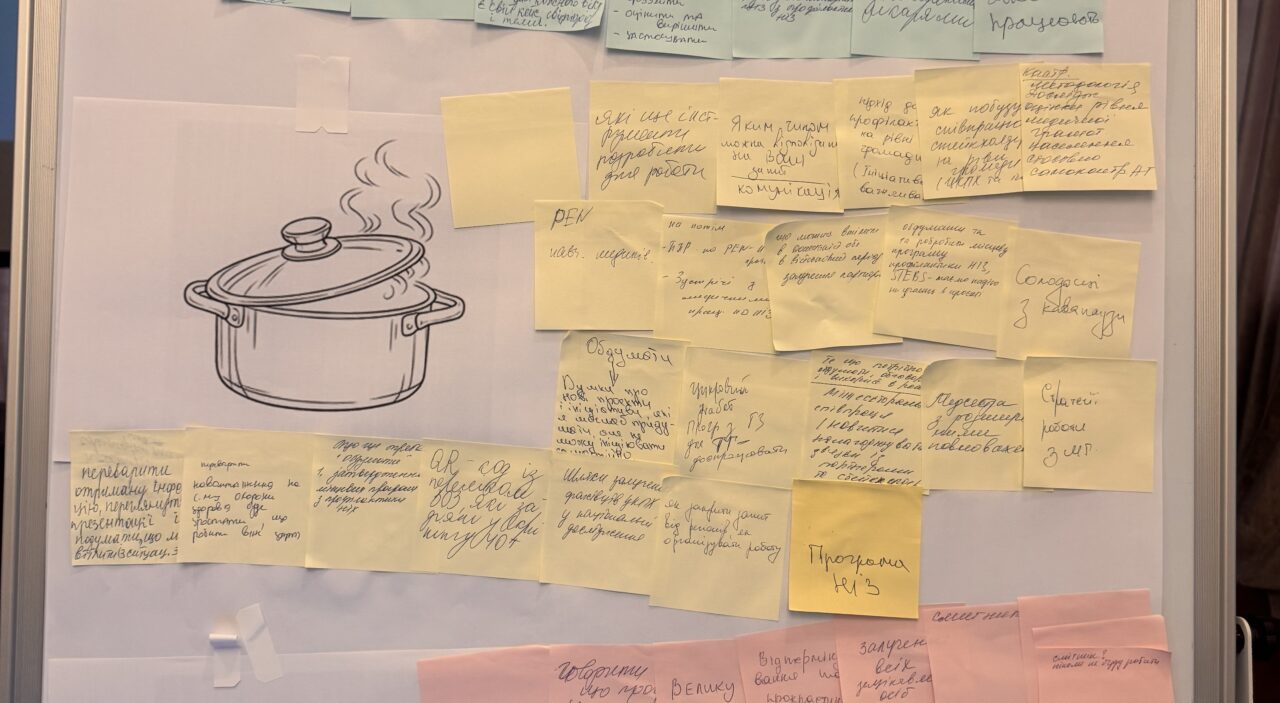
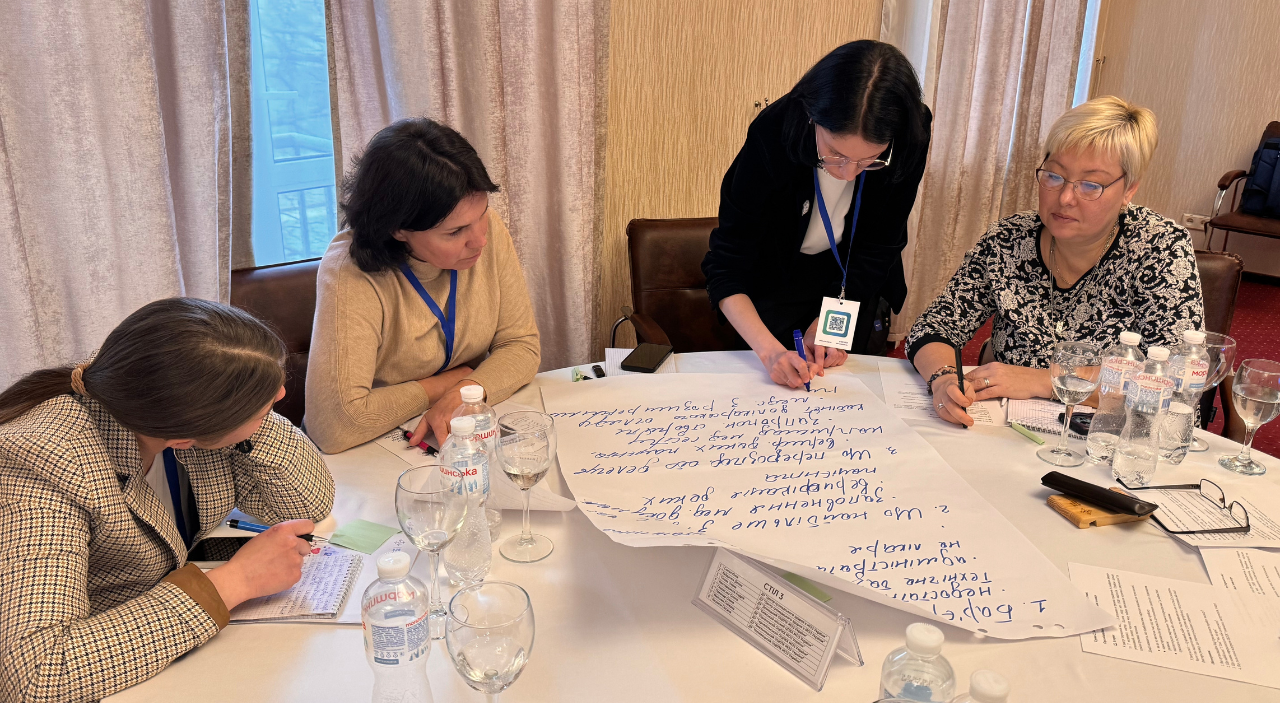
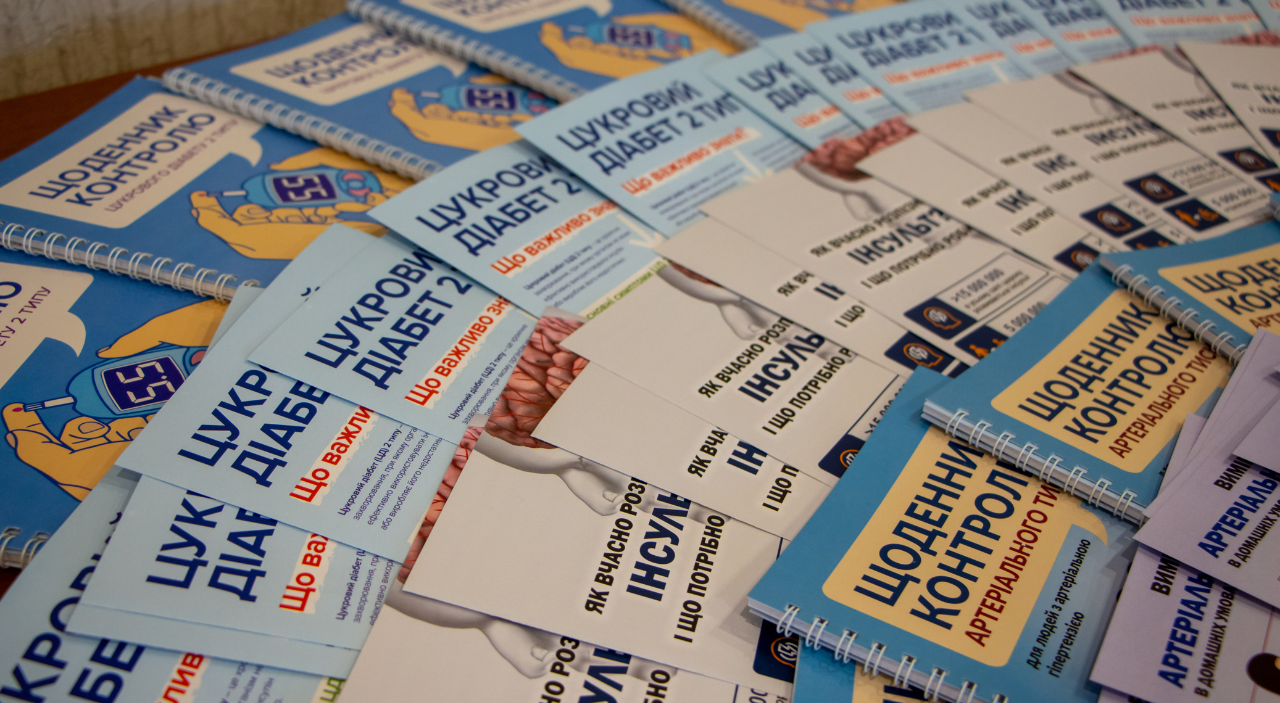
Results from another JACARDI pilot project exploring the barriers to prevention and screening for type 2 diabetes were presented. The study found that while primary care is trusted and access to diagnosis and medications is generally good, key barriers persist, including limited access to diagnostics, high administrative burden, short consultation times, and low patient awareness and motivation for prevention, alongside contextual challenges related to war, such as stress and disruption of care. Lifestyle change remains the greatest challenge for patients, and structured education and support programmes are largely absent. Overall, the findings highlight the need to strengthen prevention, improve access to essential diagnostics, and expand patient and professional education.
“Participation in the JACARDI project allows Ukraine to align with European best practices in cardiovascular disease and diabetes prevention and provides a strategic framework that guides our local prevention efforts, supports early detection, and helps us implement evidence-based interventions tailored to the Ukrainian context, particularly in the challenging conditions of war,” said Nataliia Hryb, Specialist in Non-communicable Disease Prevention at the Public Health Center of the Ministry of Health of Ukraine and pilot lead from the Ukrainian team.
Importance of a systemic prevention approach
Participants emphasized the importance of a comprehensive approach to NCD prevention, including improving health literacy and implementing screening programs. The national “Health Screening 40+” program, which provides basic examinations for early detection of cardiovascular diseases, diabetes, and mental health issues, was also discussed.
“Behavioral risk factors remain the key determinants of premature mortality and health loss in Ukraine,” noted Dmytro Shushpanov, Head of the Department of Demographic Modeling and Forecasting at the M. Ptukha Institute for Demography and Social Research, NAS of Ukraine. “At the same time, significant territorial disparities persist, especially in rural areas, which requires strengthening preventive measures and adapting programs to local conditions.”
Next steps and further collaboration
Following the meeting, participants outlined the key directions for future work: strengthening and supporting community-based prevention programs, developing screening initiatives, and increasing public health literacy. The strategic meeting provided an important platform for reinforcing partnerships between state institutions, regional centers for disease control and prevention, and international organizations.
Diabetes education course supports the Bangladeshi community in the Marche region
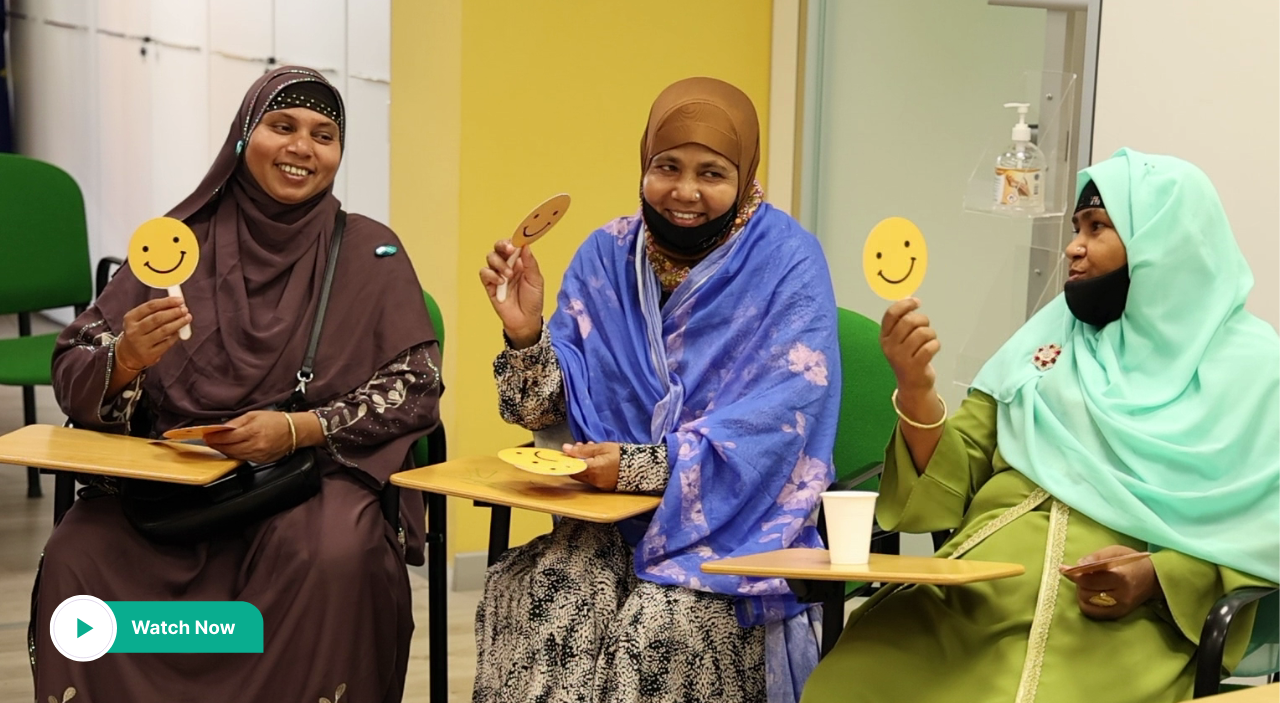
In November 2024, the Marche region concluded the first edition of a free Type 2 diabetes education course in Ancona, in collaboration with the ANOLF Association (Associazione Nazionale Oltre le Frontiere), and organised within the European joint action JACARDI by the Marche region, the regional health agency of the Marche region and the Marche diabetes network. The initiative aimed to improve access to prevention, information and healthcare services for the Bangladeshi community by overcoming linguistic and cultural barriers through culturally adapted education, developed through the collaboration established with the ANOLF Association.
Participants shared how valuable the course was for their daily lives. Roxina Akther, a course participant, said the training helped her better understand how to manage diabetes through doctors’ advice, healthy diet and daily habits, and encouraged her to share this knowledge with friends and the wider community. Romana Abdur, a Bangladeshi cultural mediator working with ANOLF, highlighted how culturally adapted guidance supports community members who do not speak Italian in accessing information and healthcare services with greater confidence.
Watch the video to hear and see the community’s perspective.
Strengthening European Health: JACARDI at the JARED Consortium Day
The Joint Action on REspiratory Diseases (JARED) is a major European initiative dedicated to reducing the burden of chronic respiratory diseases through improved prevention, early detection, and integrated care models across the EU. Since chronic conditions like respiratory diseases, diabetes, and cardiovascular issues often share common risk factors, building strategic synergies between Joint Actions is essential to create a unified, high-impact approach to public health and societal prosperity.
In this context, JACARDI contributes to these goals by strengthening prevention and management strategies for cardiovascular diseases and diabetes across Europe within a single framework. By promoting health promotion, reinforcing screening, integrated care pathways and self-management, together with labour participation and improved data governance, JACARDI reinforces a cross-disease, system-based approach that complements JARED’s goals.
Addressing shared risk factors — such as tobacco use, unhealthy diets, physical inactivity, environmental exposures, and social determinants of health — allows both Joint Actions to amplify their impact beyond single disease areas and move toward a more cohesive NCD strategy at EU level.
Building synergies across European public health initiatives
The event program featured a high-level opening with remarks from the WHO and the European Respiratory Society (ERS), followed by a deep dive into JARED’s first-year achievements in indoor air quality, patient pathways, and reaching vulnerable populations. A dedicated session on Strategic Synergies brought together coordinators from various European projects to discuss how to align our efforts for maximum impact.
During this session, Benedetta Armocida, Coordinator of JACARDI presented on building synergies for impact between JACARDI, JARED, and JA PreventNCD, focusing on how coordinated intervention strategies can drive broader societal prosperity. Together, we are ensuring that European health interventions are not just individual projects, but a cohesive movement toward a healthier future.
A Short Guide to Screening for Individuals at Increased Risk of Developing Cardiovascular Diseases and Type 2 Diabetes
As work progresses on a harmonized EU approach to health checks under the EU Safe Hearts Plan, JACARDI has published its Short Guide for Screening. The document provides practical, evidence-based recommendations to support the organization and implementation of effective screening activities across Europe. It is intended as a quick, accessible reference for public health professionals, policymakers, and other stakeholders involved in planning, designing, or evaluating risk assessment and screening approaches for cardiovascular disease and Type 2 diabetes. The guide was developed by lead authors William Leysen of Diabetes Liga (Belgium) and Hanna Tolonen, Director of Research and Development at the Finnish Institute for Health and Welfare (THL), together with a wider team of JACARDI experts.
Authors: William Leysen, Alessandra Cardinale, Alexandra Cucu, Aurélie Lampaert, Beatrice Formenti, Benedetta Armocida, Benedetta Marcozzi, Carmen Angheluta, Claudia Dima, Claudia Giacomozzi, Eeva Rantala, Fanny Monet, Giovanni Calcagnini, Hanna Elonheimo, Jelka Zaletel, Jill Farrington, Jorik Vergauwen, Krista Kruja, Laura Paalanen, Luigi Palmieri, Massimiliano Petrelli, Mattei Eugenio, Paola Santalucia, Petry Milos, Roberta Papa, Ruth Verdegem, Sue Cohen, Tsvetalina Tankova, Hanna Tolonen
Abstract:
The aim of this short guide, developed within the framework of the Joint Action on Cardiovascular Diseases and Diabetes (JACARDI), a European Joint Action co-funded by the EU4Health Programme, is to provide an overview of approaches for identifying individuals or segments of the population at increased risk of developing cardiovascular disease (CVD) or Type 2 diabetes (T2D). These approaches may include population-level monitoring, individual risk assessment, population segmentation, and also screening. When appropriately designed and implemented, such approaches can support primary prevention efforts by helping to target interventions that tackle harmful risk factors and encourage protective factors.
While not all risk assessment methods constitute formal screening programmes, they may still inform policies and practice. For instance, individual-level risk assessment can support clinical decision-making, whereas population-level stratification can guide broader public health strategies. In some cases, risk identification may also facilitate earlier diagnosis, provided that it is linked to follow-up, diagnosis and treatment pathways. However, any assumptions about improved health outcomes must be supported by evidence, and should consider the full pathway from identification to intervention.
This guide is intended as a quick reference, summarizing key concepts related to the use of risk assessment and stratification approaches in the context of CVD and T2D prevention, the focus being on primary prevention within a public health framework. For comprehensive discussions and detailed guidance on specific screening programmes, readers are encouraged to consult additional sources listed in this document.
Read the full guide here:
Short Guide for Screening Individuals at Increased Risk of Developing CVDs and T2D
Call for papers: join the scientific debate on cardiovascular disease and diabetes
The current policy landscape offers unique momentum for strengthening collective action on noncommunicable diseases. To stimulate discussion on the challenges and opportunities related to cardiovascular disease and diabetes, the International Journal of Public Health and Public Health Reviews have opened a joint call for papers.
Authors are invited to submit Original Articles, Theory and Concept papers, Reviews, and Policy Briefs for the special issue “Strengthening the public health response to cardiovascular diseases and diabetes”. The call for papers is open until 15 January 2027. Submissions will be reviewed by an editorial board that includes two experts from JACARDI, Yhasmine Hamu and Edwin Wouters.
Developed in line with the JACARDI mission, the special issue seeks to foster actionable knowledge that advances effective, equitable, and sustainable responses. Its aim is to support healthier lives, more resilient health systems, and stronger commitment to tackling noncommunicable diseases.
Topics of interest, identified in collaboration with JACARDI, include:
- Primary prevention, including health literacy, awareness, and health promotion
- Screening of high-risk populations
- Integrated health pathways, including health care organization, patient self-management, and reintegration into the workforce
- Data infrastructure and digital technologies as drivers of evidence-informed decision-making and innovation
- Health system strengthening, with a focus on governance, financing, and service delivery
- Strategies to reduce health inequities and ensure that populations living in vulnerable situations are not left behind
Accepted papers will be published on a rolling basis in the online special issue.
Be part of the call and support the creation and dissemination of knowledge that strengthens our public health response to cardiovascular disease and diabetes!
For more information on the call visit the website of the International Journal of Public Health.
Navigating adulthood with juvenile-onset type 1 diabetes: a scoping review on education, employment and quality of life
Scientific publications by JACARDI
In this post series we share the scientific publications directly linked to the JACARDI project. All publications featured in this series are authored or co-authored by JACARDI partners and reflect research and findings developed within the project framework.
We aim to showcase how evidence supports our joint mission to tackle cardiovascular diseases and diabetes across Europe.
Stay informed on how JACARDI turns evidence into action.
Authors: Eleonora Maurel, Arianna Fornari, Alessandra Knowles, Erika Guastafierro, Martina Lanza, Alessia Marcassoli, Matilde Leonardi, Luca Ronfani and Lorenzo Monasta
Abstract:
Background: Juvenile type 1 diabetes can present lifelong challenges that may affect educational, employment, and health-related quality of life (HRQoL) outcomes in adulthood. This scoping review aims at exploring the long-term impact of juvenile-onset type 1 diabetes on education and career achievements and well-being in adulthood.
Methods: A scoping review conducted using PubMed and PsycInfo (2005– 2025) identified studies comparing adults diagnosed with type 1 diabetes during childhood and adolescence to controls without type 1 diabetes. Three studies focusing on educational attainment, employment, income, and HRQoL, met the inclusion criteria.
Results: The studies included in the review show that university attendance is significantly lower among individuals with juvenile-onset type 1 diabetes, and this affects both men and women. Access to the labor market and earnings are similarly affected, especially in the case of women who experience both lower employment rates and income, compared to controls without diabetes. Men with type 1 diabetes have equal opportunities for workforce entry, but this does not translate into long-term income parity. Compared to healthy controls, HRQoL is lower among adults with type 1 diabetes, particularly in the school/work and emotional domains. Common challenges include low energy, forgetfulness, and concentration difficulties.
Conclusion: While it is a matter of debate how juvenile-onset type 1 diabetes affects academic achievements, there is general agreement that it leads to persistent disadvantages in employment and HRQoL in adulthood. Targeted support from diagnosis and during transition to adulthood is essential to mitigate the long-term impact of juvenile-onset type 1 diabetes on educational, employment and psychosocial outcomes for this population.
Source: https://www.frontiersin.org/journals/public-health/articles/10.3389/fpubh.2025.1707581/full
Croí’s Healthy Hearts Club: empowering patients in heart disease self-management
Croí, the heart and stroke charity based in the west of Ireland, is leading one of Ireland’s pilot projects as part of JACARDI. This pilot, called the Healthy Hearts Club, focuses on patient self-management for those recovering from heart events, such as heart attacks. It aims to help individuals manage long-term health risks like high blood pressure and low physical activity. This project builds on Croí’s experience in heart disease prevention and rehabilitation and provides a crucial support system to patients after their initial cardiac rehabilitation.
A Sustainable Model for Long-Term Health
Cardiovascular disease remains the leading cause of death worldwide, and many patients face challenges in maintaining the positive changes achieved during rehabilitation. The Healthy Hearts Club offers a community-based model to help patients continue managing their heart health after formal rehabilitation ends.
“Cardiac rehabilitation is life-saving, but sustaining those changes is key to long-term health,” says Dr. Susan Connolly, Consultant Cardiologist at University Hospital Galway, who is a co-investigator on the project. “The Healthy Hearts Club provides ongoing support and helps patients stay on track with their health goals.”
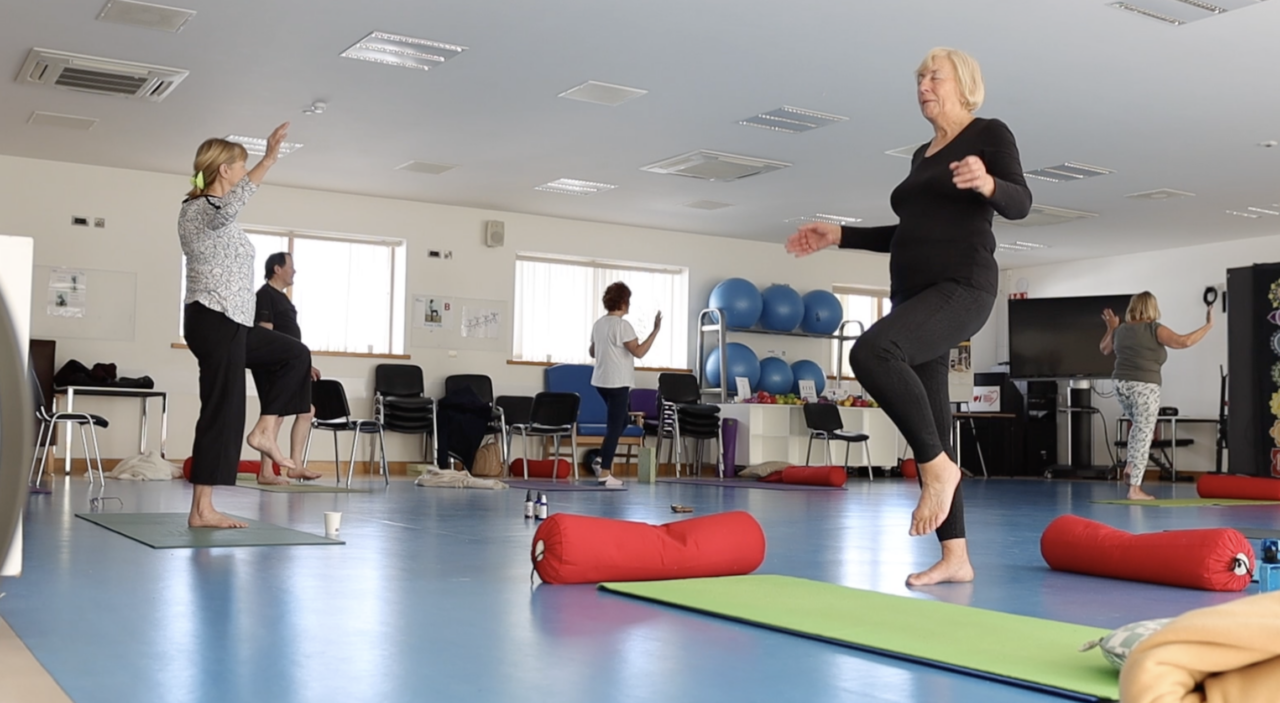
The programme involves up to 160 patients, all of whom have completed cardiac rehabilitation through the through the Irish health service in Galway. Participants engage in six months of support, including regular nurse check-ins and group workshops on exercise, nutrition, emotional wellbeing, and heart disease risk factors. This ongoing support aims to help participants integrate these healthy habits into their daily lives.

Supporting Long-Term Change through Personalised Care
The Healthy Hearts Club emphasizes peer support, personalized care, and group activities tailored to the participants’ needs. By joining the programme soon after rehabilitation, patients are given the tools to continue the progress they’ve made, ensuring sustainable change over the long term.
“We believe that empowering people with the knowledge and tools to manage their health is essential for sustainable, person-centered care,” says Dr. Lisa Hynes, Head of Health Programmes at Croí. “This initiative aligns perfectly with our commitment to delivering innovative prevention and self-management programmes.”
In addition to in-person support, Croí will explore the use of digital health tools to further enhance the programme. Building on the success of Croí’s previous online self-management programme, the Healthy Hearts Club will assess how digital solutions can support long-term heart health.
A European Approach to Heart Disease Prevention
One of JACARDI’s goals is to integrate best practices across the entire patient journey—from screening and self-management to integrated care and workforce reintegration. The Healthy Hearts Club is a key component of this effort, with the programme’s evaluation aiming to develop scalable models for improving heart disease management across Europe.
“We’re excited to see how this project evolves and contributes to the broader European conversation on heart health,” says Dr. Connolly. “The insights we gain will help improve the long-term care and outcomes for patients.”
A Collaborative Effort for a Healthier Future
Croí’s leadership in the Healthy Hearts Club is part of the wider JACARDI programme, which connects Irish experts with a pan-European network of professionals working to reduce the burden of cardiovascular disease and diabetes. Dr. Hynes adds, “This collaboration with the HSE and European partners is a unique opportunity to learn from each other and translate research into real-world improvements in care.”