Research highlights the potential of self-measurement tools in preventing cardiovascular disease and diabetes
Research conducted within JACARDI summarises evidence on non-clinical methods for measuring blood glucose and cholesterol. The findings point to the preventive potential of self-measurement approaches, while emphasising that wider public health use requires further research, standardisation and strong clinical quality assurance.
Cardiovascular diseases and diabetes are among the leading causes of ill health and premature mortality in Europe. Both conditions are largely preventable, but prevention requires timely data on risk factors and approaches that are accessible to different population groups. Traditional screening methods can be resource‑intensive and may not reach everyone equally.
The researchers reviewed existing evidence on non-clinical measurement methods, such as dried blood spot samples, finger‑prick capillary blood collection, and emerging non‑invasive technologies. Some of these approaches showed close agreement with standard venous blood tests for specific measurements, particularly glycated haemoglobin (HbA1c) and triglycerides.
Clinical standards remain essential
However, the review also makes clear that clinical standards remain essential. Accuracy varies between methods, and differences in sample collection, handling and analysis can affect results. For this reason, self-measurement tools cannot currently replace clinical screening and are not recommended for diagnostic or population-level screening purposes.
“Self-measurement technologies have clear potential to support prevention and reduce barriers to participation,” says researcher (PhD candidate) Hanna Elonheimo, lead author of the study. “At the same time, they should be seen as complementary tools, not alternatives to clinically validated methods.”
The authors highlight that accessible and user‑friendly measurement approaches may still play an important role in increasing awareness of cardiovascular and diabetes risk, supporting disease management, and informing future prevention strategies. Further research is needed to improve standardisation, reliability and regulatory validation before wider implementation can be considered.
Publication: Innovative approaches to early detection of cardiovascular disease and diabetes risk: focus on glucose and cholesterol measuring
Authors: Hanna M Elonheimo, Alexandra Cucu, Gabriela Cristisor, Ciprian Ursu, Claudia Dima, Petru Milos, Giulia Franceschini, Katiuscia Dibiagio, Roberta Papa, Massimiliano Petrelli, Jelka Zaletel, Hanna Tolonen
Journal: European Journal of Public Health
Publication date: 9 February 2026
DOI: https://doi.org/10.1093/eurpub/ckag007
Building stronger prevention systems in Ukraine: insights from the Kyiv JACARDI meeting
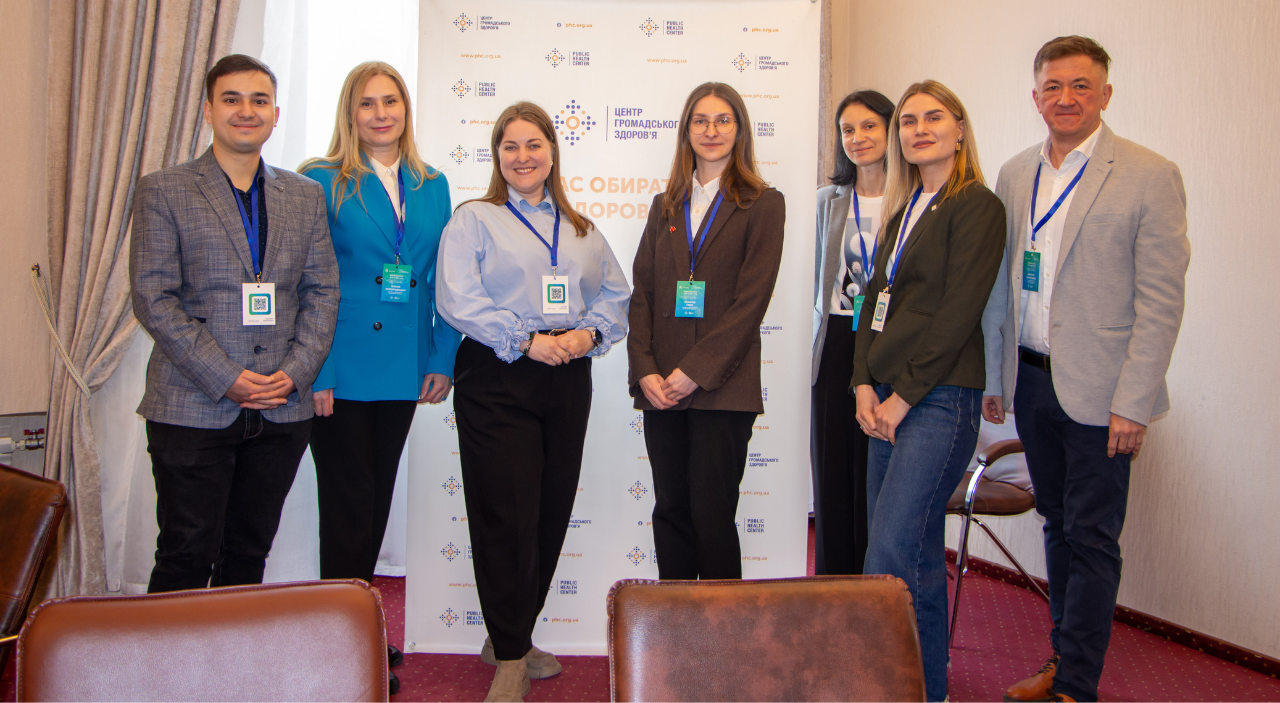
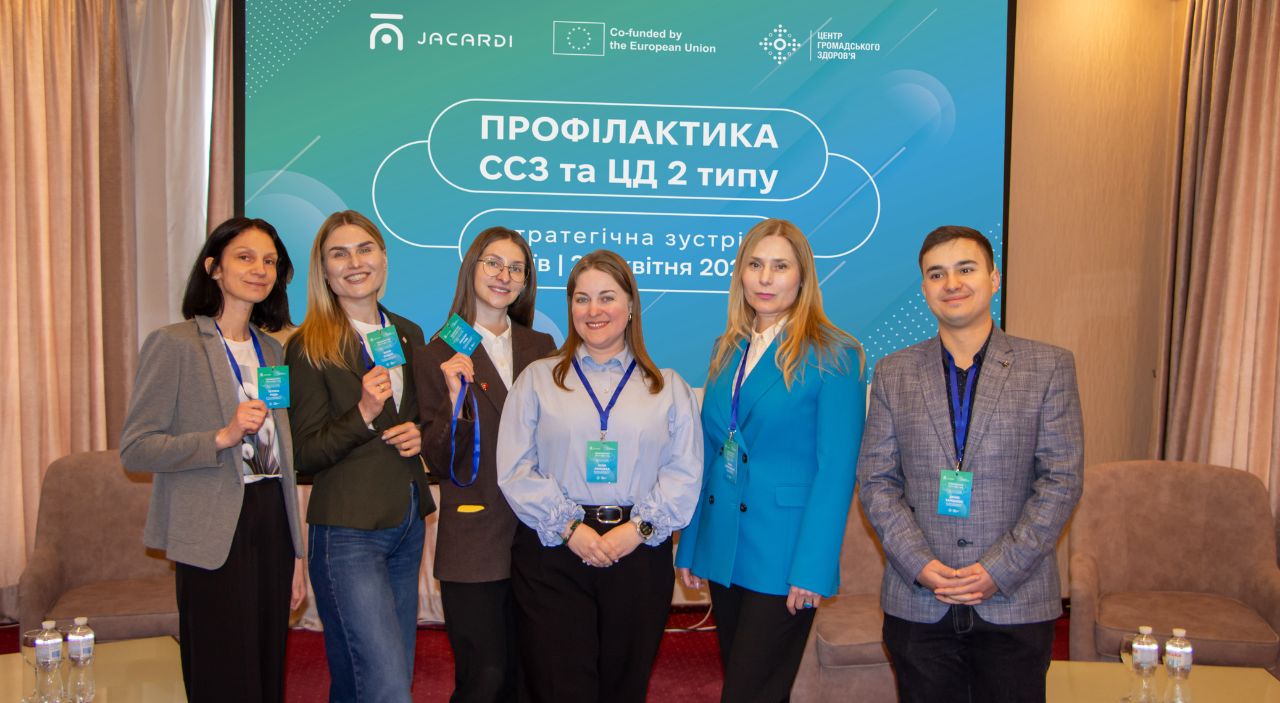
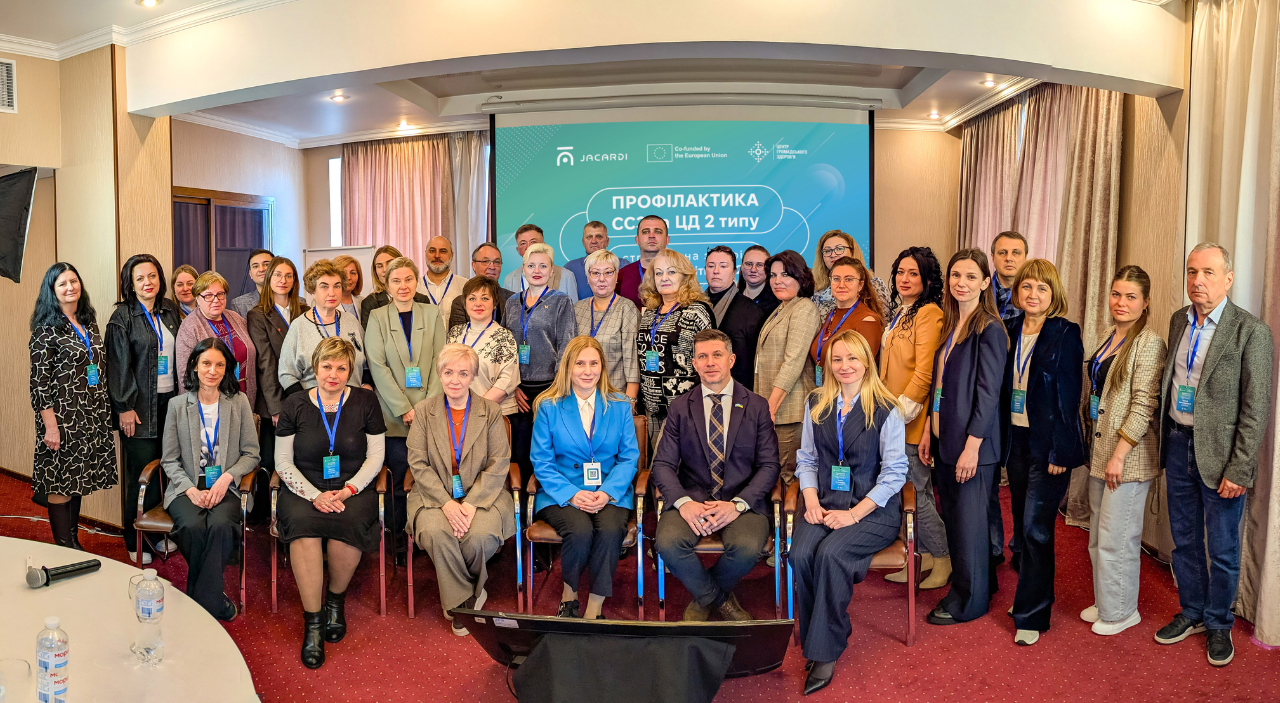
A strategic meeting on implementing effective models for the prevention of cardiovascular diseases and type 2 diabetes was held in Kyiv, Ukraine, organized by the Public Health Center of the Ministry of Health of Ukraine within the framework of JACARDI. The event brought together representatives from the Ministry of Health of Ukraine, the WHO Country Office in Ukraine, and regional centers for disease control and prevention. The main goal of the meeting was to strengthen collaboration in public health, exchange experiences, and integrate European best practices into the prevention of non-communicable diseases (NCDs).
Early identification of risk factors, modern community-level screening models, and international experience in prevention programs were at the forefront of discussions, with special attention on the Safe Hearts Plan. Behavioural risk factors and their impact on premature mortality and population health loss were also high on the agenda.
“Non-communicable diseases often remain ‘invisible’ — their consequences do not appear immediately. At the same time, it is important to understand that prevention is far cheaper than treatment, and healthy nutrition and physical activity are not about trends but primarily about preserving health,” said Tetiana Skapa, Director of the Public Health Department of the Ministry of Health of Ukraine.
What JACARDI pilot studies reveal about prevention and care
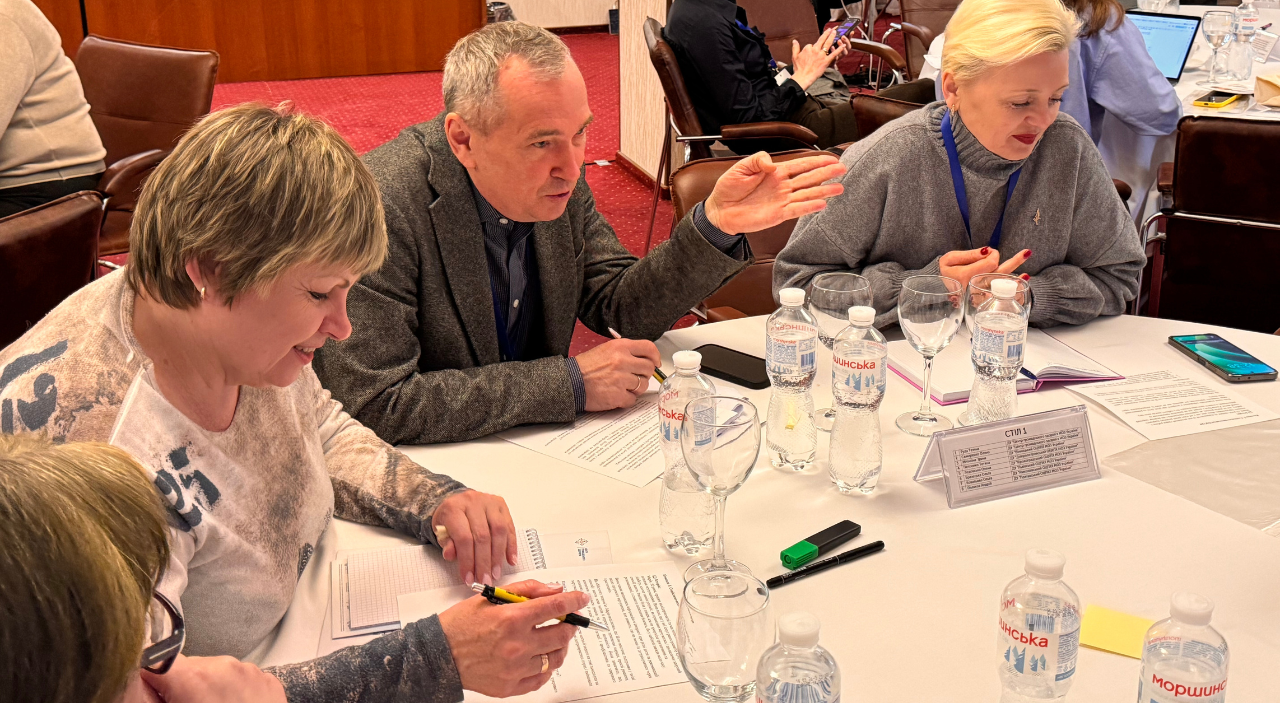
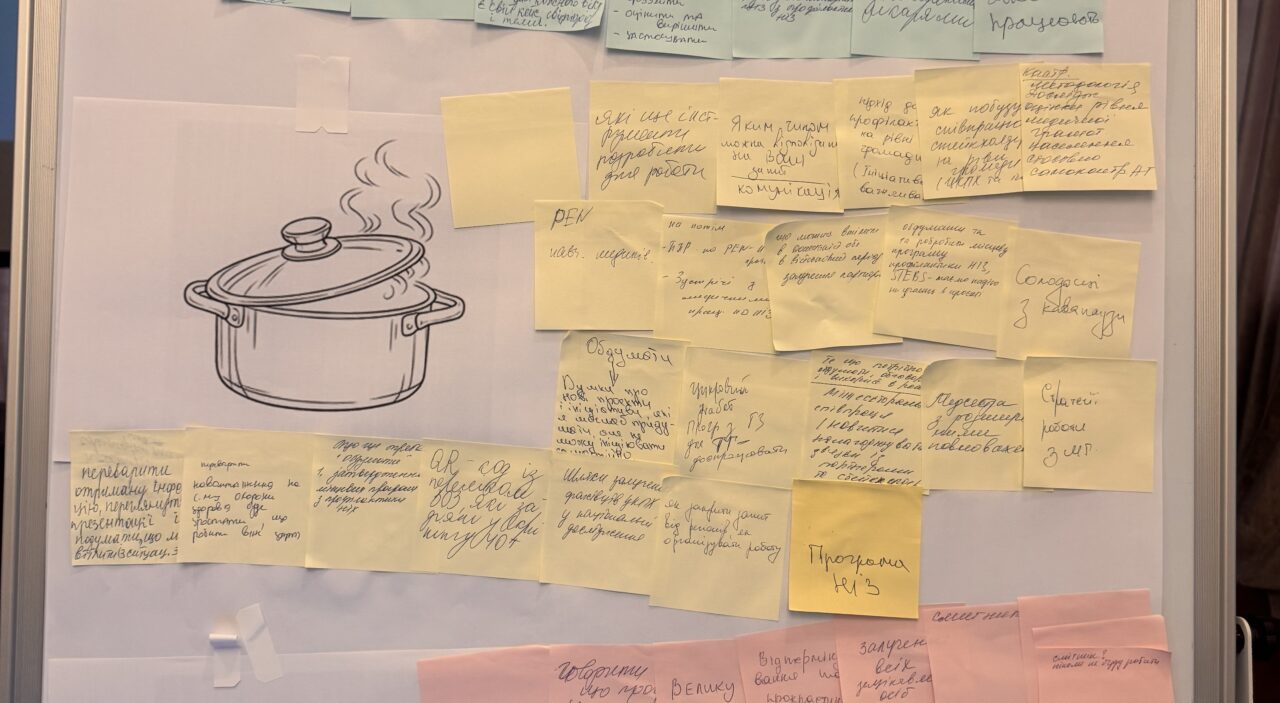
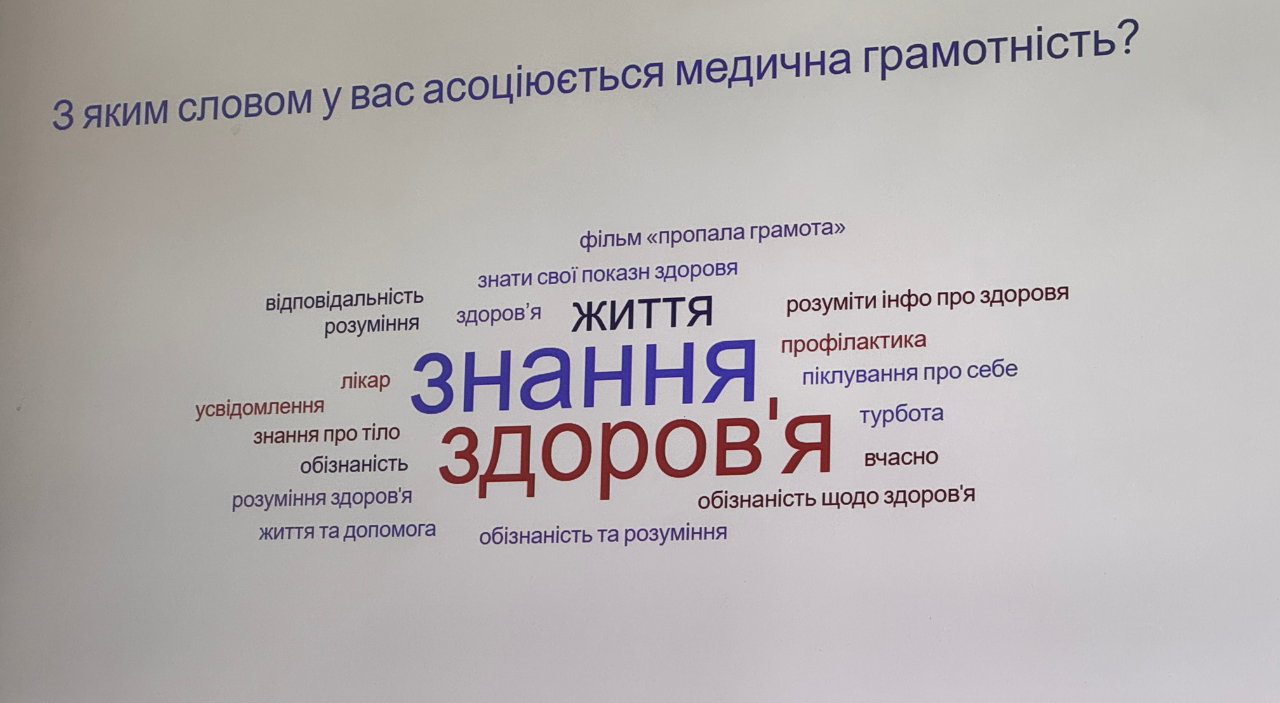
The meeting also included discussion of the main findings from a study on health literacy regarding self-monitoring of arterial hypertension. The study was conducted using the Ophelia (Optimising Health Literacy and Access) process, a co-design approach for developing health literacy actions that is applied across 24 pilot projects within JACARDI’s work package on health literacy. The findings of the study confirmed that health literacy is a key factor in the effective prevention and self-management of high blood pressure, influencing adherence to treatment and regular monitoring. The study also highlighted practical opportunities for improvement, including clearer patient communication, better access to blood pressure monitoring in community settings, stronger patient education and peer support, and more coordinated healthcare delivery.
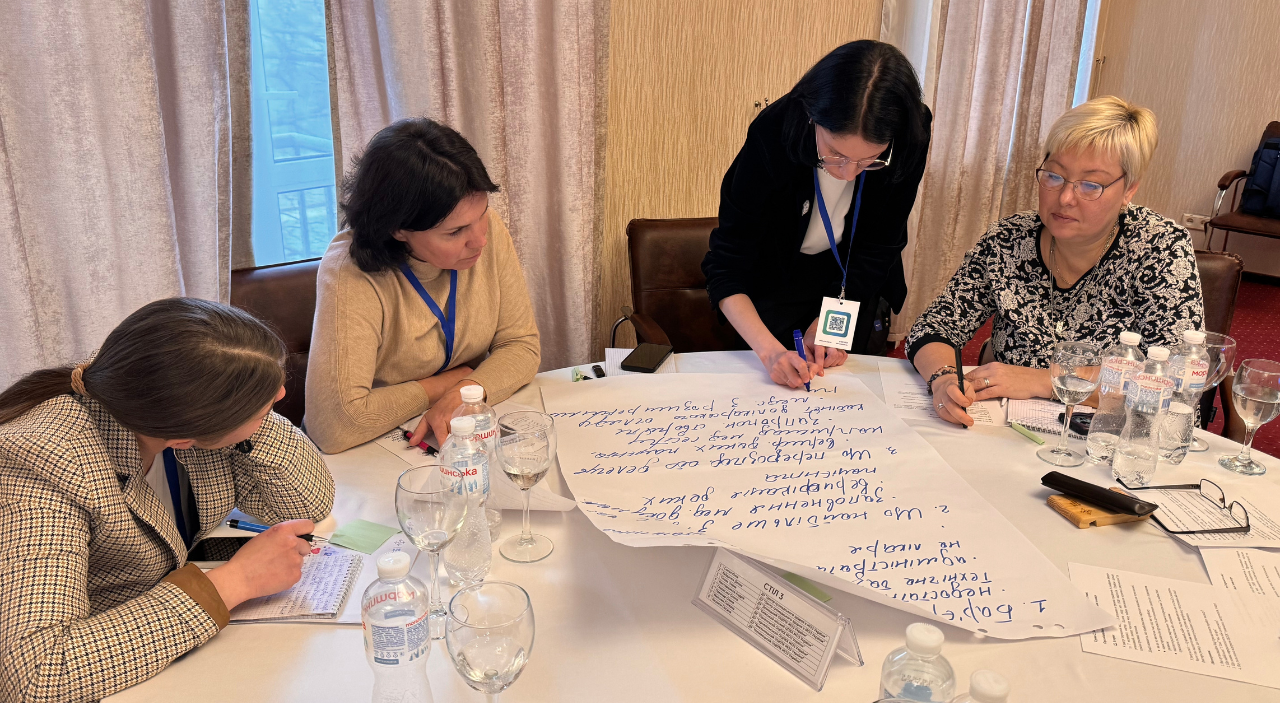
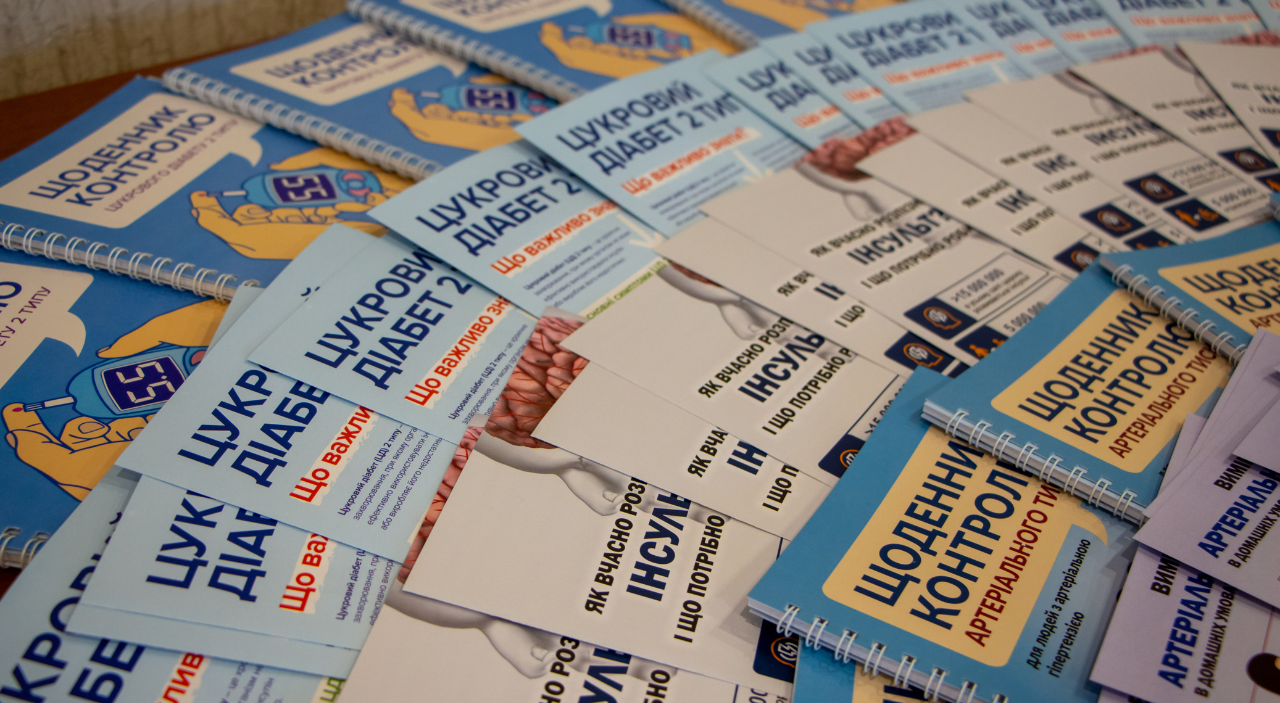
Results from another JACARDI pilot project exploring the barriers to prevention and screening for type 2 diabetes were presented. The study found that while primary care is trusted and access to diagnosis and medications is generally good, key barriers persist, including limited access to diagnostics, high administrative burden, short consultation times, and low patient awareness and motivation for prevention, alongside contextual challenges related to war, such as stress and disruption of care. Lifestyle change remains the greatest challenge for patients, and structured education and support programmes are largely absent. Overall, the findings highlight the need to strengthen prevention, improve access to essential diagnostics, and expand patient and professional education.
“Participation in the JACARDI project allows Ukraine to align with European best practices in cardiovascular disease and diabetes prevention and provides a strategic framework that guides our local prevention efforts, supports early detection, and helps us implement evidence-based interventions tailored to the Ukrainian context, particularly in the challenging conditions of war,” said Nataliia Hryb, Specialist in Non-communicable Disease Prevention at the Public Health Center of the Ministry of Health of Ukraine and pilot lead from the Ukrainian team.
Importance of a systemic prevention approach
Participants emphasized the importance of a comprehensive approach to NCD prevention, including improving health literacy and implementing screening programs. The national “Health Screening 40+” program, which provides basic examinations for early detection of cardiovascular diseases, diabetes, and mental health issues, was also discussed.
“Behavioral risk factors remain the key determinants of premature mortality and health loss in Ukraine,” noted Dmytro Shushpanov, Head of the Department of Demographic Modeling and Forecasting at the M. Ptukha Institute for Demography and Social Research, NAS of Ukraine. “At the same time, significant territorial disparities persist, especially in rural areas, which requires strengthening preventive measures and adapting programs to local conditions.”
Next steps and further collaboration
Following the meeting, participants outlined the key directions for future work: strengthening and supporting community-based prevention programs, developing screening initiatives, and increasing public health literacy. The strategic meeting provided an important platform for reinforcing partnerships between state institutions, regional centers for disease control and prevention, and international organizations.
Call for papers: join the scientific debate on cardiovascular disease and diabetes
The current policy landscape offers unique momentum for strengthening collective action on noncommunicable diseases. To stimulate discussion on the challenges and opportunities related to cardiovascular disease and diabetes, the International Journal of Public Health and Public Health Reviews have opened a joint call for papers.
Authors are invited to submit Original Articles, Theory and Concept papers, Reviews, and Policy Briefs for the special issue “Strengthening the public health response to cardiovascular diseases and diabetes”. The call for papers is open until 15 January 2027. Submissions will be reviewed by an editorial board that includes two experts from JACARDI, Yhasmine Hamu and Edwin Wouters.
Developed in line with the JACARDI mission, the special issue seeks to foster actionable knowledge that advances effective, equitable, and sustainable responses. Its aim is to support healthier lives, more resilient health systems, and stronger commitment to tackling noncommunicable diseases.
Topics of interest, identified in collaboration with JACARDI, include:
- Primary prevention, including health literacy, awareness, and health promotion
- Screening of high-risk populations
- Integrated health pathways, including health care organization, patient self-management, and reintegration into the workforce
- Data infrastructure and digital technologies as drivers of evidence-informed decision-making and innovation
- Health system strengthening, with a focus on governance, financing, and service delivery
- Strategies to reduce health inequities and ensure that populations living in vulnerable situations are not left behind
Accepted papers will be published on a rolling basis in the online special issue.
Be part of the call and support the creation and dissemination of knowledge that strengthens our public health response to cardiovascular disease and diabetes!
For more information on the call visit the website of the International Journal of Public Health.
Socioeconomic and health disparities in adults diagnosed with type 1 diabetes mellitus before age 18
Scientific publications by JACARDI
In this post series we share the scientific publications directly linked to the JACARDI project. All publications featured in this series are authored or co-authored by JACARDI partners and reflect research and findings developed within the project framework.
We aim to showcase how evidence supports our joint mission to tackle cardiovascular diseases and diabetes across Europe.
Stay informed on how JACARDI turns evidence into action.
Keywords: public health, socioeconomic inequalities, health inequalites, type 1 diabetes mellitus, quality of life
Giulia Zamagni, Valentina Minardi, Maria Masocco, Federica Asta, Riccardo Candido, Gianluca Tornese, Giulia Bresciani, Valentina Manfredini, Elena Frattolin, Claudia Veronica Carletti, Daniela Germano, Eleonora Maurel, Luca Ronfani, Lorenzo Monasta
Abstract:
Background: Type 1 diabetes mellitus is a lifelong condition with consequences that extend well beyond glycaemic control, often impacting individuals’ socioeconomic status and overall quality of life. In Italy, the broader effects of early-onset type 1 diabetes on social and health-related outcomes have been insufficiently investigated. Therefore, this study aimed to investigate the socioeconomic impacts of type 1 diabetes among adults diagnosed with the condition before age 18.
Methods: Using data from the Italian Behavioral Risk Factor Surveillance System (PASSI) collected between 2011 and 2018 and in 2023, we analyzed key outcomes in adults aged 18–50 who were diagnosed with type 1 diabetes before age 18 and were on insulin therapy. Each case was matched by age and sex to two non-diabetic controls. Descriptive statistics and multivariable logistic regression
were used to compare key indicators.
Results: Our sample included 993 participants (331 cases and 662 controls). Cases had significantly higher odds of being unemployed [OR = 1.57 (1.20–2.07)], experiencing severe financial difficulties [OR = 1.81 (1.05–3.13)], and reporting poor self-rated health [OR = 6.64 (2.53–17.43)]. Cases also had an increased likelihood of reporting physical impairment for 1–13 days [OR = 1.91 (1.30–2.81)] and ≥14 days [OR = 2.95 (1.54–5.65)], mental health impairment for 1–13 days [OR = 2.16 (1.46–3.19)], and daily activity limitations for 1–13 days [OR = 1.73 (1.06–2.82)].
Conclusions: These findings highlight the multifaceted burden of type 1 diabetes and the need for integrated approaches to care that address not only clinical but also socioeconomic and psychosocial dimensions of the disease.
Source: https://www.frontiersin.org/journals/public-health/articles/10.3389/fpubh.2025.1655035/full
Embedding equity and diversity principles in a complex multi-national setting: methods, tools, capacity development and experiences from the first year of the Joint Action on Cardiovascular Diseases and Diabetes (JACARDI)
Scientific publications by JACARDI
In this post series we share the scientific publications directly linked to the JACARDI project. All publications featured in this series are authored or co-authored by JACARDI partners and reflect research and findings developed within the project framework.
We aim to showcase how evidence supports our joint mission to tackle cardiovascular diseases and diabetes across Europe.
Stay informed on how JACARDI turns evidence into action.
Authors: Natalia Skogberg, Teresa Spadea, Benedetta Armocida, Jelka Zaletel, Beatrice Formenti, Ane Fullaondo, Yhasmine Hamu, Maria Nousiainen, Sinikka Kytö, Laura Musta, Chiara Di Girolamo, Janne Sorensen, Idil Hussein, Graziano Onder, and Richard Osborne
Keywords: equity, diversity, inclusion, public health, capacity development, implementation, JACARDI
Abstract:
Effective reduction of social inequities in health requires acknowledgement of the deeply embedded intersectional nature of systemic drivers of these inequities. With increasing population cultural and ethnic diversity, it is essential to embed principles of equity, diversity, and inclusion from the outset of programs and policy development. This is likely to reduce the need for more costly corrective measures. While application of these principles does not necessarily require substantial additional resources, a structured and systematic approach is crucial for initiating a paradigm shift. It also requires deliberate efforts, practical tools, and capacity development to ensure embedding and uptake of these principles. The unprecedently large European Union (EU) co-funded Joint Action on Cardiovascular Diseases and Diabetes (JACARDI) involving 21 countries, 76 partners and 142 pilot projects, cross-cuttingly and systematically embeds equity, diversity, and inclusion principles in all its structures. JACARDI serves as a unique platform for development, introduction, and evaluation of methods and tools for embedding equity, diversity, and inclusivity principles in a complex and multidimensional real-life setting. This practice paper outlines the design and experiences from the first year of the JACARDI project applying the Normalisation Process Theory (NPT) for describing the developed methods, including the 4Cs framework (Critical reflection; Context and data; Co-design; and inclusive and accessible Communications), an equity and diversity maturity matrix, and capacity development. Key success factors and challenges are also discussed. Developed novel methods and tools aim to be transferable and scalable, thus contributing to more effective, sustainable, and inclusive public health policy and practice.
Adopting tailored interprofessional protocols in general practice
Scientific publications by JACARDI
In this post series we share the scientific publications directly linked to the JACARDI project. All publications featured in this series are authored or co-authored by JACARDI partners and reflect research and findings developed within the project framework.
We aim to showcase how evidence supports our joint mission to tackle cardiovascular diseases and diabetes across Europe.
Stay informed on how JACARDI turns evidence into action.
Authors: Laurent Desmet, Eva Goossens, Peter Van Bogaert and Katrien Danhieux
Abstract:
Background As the burden of non-communicable diseases continues to rise, general practices in primary care face increasing challenges in delivering high-quality care while managing workload constraints. Interprofessional care models, supported by practice-tailored protocols, offer a promising approach to optimizing task shifting and enhancing care coordination. However, the transition towards protocol-based interprofessional care remains complex and understudied.
Objective This study explores the experiences of general practices in developing and implementing practicetailored protocols to facilitate interprofessional care. Using the Consolidated Framework for Implementation Research (CFIR), we identify key barriers, facilitators and strategies that support this transition.
Method We conducted a qualitative study in Flanders, Belgium, using semi-structured interviews with 33 healthcare providers from 18 general practices. Participants represented various disciplines, including general practitioners, nurses, dietitians and reception staff. A hybrid qualitative analysis was applied, beginning with an inductive analysis based on Braun and Clarke’s thematic approach, followed by a deductive phase guided by the CFIR-framework.
Results The findings highlight several key factors influencing the development and implementation of practicetailored protocols in general practices. Participants emphasized that clear task allocation and communication structures within protocols improved care coordination. External factors, such as financial constraints and high workloads, posed challenges, whereas collaborations with external healthcare providers facilitated interprofessional teamwork. Internal practice dynamics, including a shared vision, mutual trust, and structured team meetings, were identified as crucial enablers. At the individual level, motivation to adopt protocols varies, with some physicians expressing reluctance due to concerns about shifting patient relationships and increasing complexity in their caseloads. The implementation process benefited from a stepwise approach guided by a team leader, clear goal
setting, continuous evaluation and peer learning.
Source: https://link.springer.com/article/10.1186/s12913-025-13424-y
Evaluating the effectiveness of lifestyle education for individuals at increased risk of type 2 diabetes and cardiovascular diseases(Halt2Diabetes)
Scientific publications by JACARDI
In this post series we share the scientific publications directly linked to the JACARDI project. All publications featured in this series are authored or co-authored by JACARDI partners and reflect research and findings developed within the project framework.
We aim to showcase how evidence supports our joint mission to tackle cardiovascular diseases and diabetes across Europe.
Stay informed on how JACARDI turns evidence into action.
Authors: Jorik Vergauwen, Fanny Monnet, Josefien Van Olmen, Edwin Wouters, Katrien Danhieux, Laurent Desmet, Monika Martens, Ruth Verdegem, Justine Vanhaecke, Aurélie Lampaert, Sabine Verstraete, Inge Everaert and William Leysen
Abstract:
Background Halt2Diabetes is a prevention initiative in Flanders, Belgium, targeting the rising prevalence of type 2 diabetes (T2D) and cardiovascular diseases (CVDs). The program uses a two-step approach to identify high-risk individuals and guide them towards healthier lifestyles, reducing T2D and CVD risk factors. Building on evidence that lifestyle interventions can prevent both conditions by addressing modifiable risk factors, this research evaluates the effectiveness of Halt2Diabetes as a scalable real-world intervention and its potential as a blueprint for other contexts.
Methods The Halt2Diabetes program identifies high-risk individuals using the Finnish Diabetes Risk Score (FINDRISC) through an online risk assessment tool. Eligible participants, referred by general practitioners, participate in six groupbased lifestyle guidance sessions led by trained dietitians, focusing on healthy eating, physical activity, and behavior modification. This longitudinal study employs repeated measurements at five time points over 18 months. Primary outcomes include changes in body weight, waist circumference, and hemoglobin A1c (HbA1c) levels. Secondary outcomes encompass blood pressure, cholesterol levels, physical activity, and dietary habits. Data collection involves self-reported questionnaires, biochemical measures, and anthropometric assessments. Analysis will examine longitudinal changes in health and behavioral outcomes among participants.
Discussion This study will provide evidence for the real-world effectiveness of Halt2Diabetes in promoting sustained lifestyle changes and reducing T2D and CVD risk factors. Despite challenges including participation barriers and data integration needs, the program’s scalable, digitalized risk assessment model shows promise for broader application.
Source: https://link.springer.com/article/10.1186/s12889-025-24462-w
Creation of a Different Landscape for Cardiovascular Diseases and Diabetes in Europe Through JACARDI Joint Action
Scientific publications by JACARDI
In this post series we share the scientific publications directly linked to the JACARDI project. All publications featured in this series are authored or co-authored by JACARDI partners and reflect research and findings developed within the project framework.
We aim to showcase how evidence supports our joint mission to tackle cardiovascular diseases and diabetes across Europe.
Stay informed on how JACARDI turns evidence into action.
Authors: Jelka Zalatel, Farkaš Lainščak, Jerneja
Keywords: Diabetes mellitus, Cardiovascular disease, Europe, Interventions, Collaboration, Sustainability
Abstract:
The Joint Action on CARdiovascular diseases and DIabetes (JACARDI) aims to reduce the burden of cardiovascular disease and diabetes in European countries, both at the individual and societal levels. The initiative covers the entire patient journey, from improving health literacy and awareness of cardiovascular diseases and diabetes, travelling through primary prevention among high-risk populations and screenings, reaching people living with cardiovascular diseases and diabetes, improving service pathways, self-management, and labour participation. The project involves 21 European countries, 76 partners and plans to implement 142 pilot interventions, ensuring diversity in terms of cultural backgrounds, public health priorities, and healthcare systems.
In Slovenia, interventions will be developed and tested to improve screening for diabetes through community involvement, the involvement of people with diabetes in education programmes in health centres, and the involvement of people with diabetes in a screening programme for diabetic retinopathy. A set of unified, comprehensive and integrated health education materials and approaches will be developed for both healthcare providers and patients referred to the outpatient cardiovascular rehabilitation programme. The effectiveness of the upgraded health education intervention will be tested in a randomized trial. Furthermore, Slovenian experts are involved in developing a harmonized implementation methodology across all 142 pilot interventions, including contextual analysis at the country and pilot levels, multidimensional assessment and evaluation.
JACARDI will enhance cross-national collaboration, maximizing the exploitation of lessons learned through a clear strategy, promoting the integration and sustainability of approaches to achieve high-level impact, including the implementation of effective interaction, cooperation and co-creation between science and policy.
Published in: Slovenian Journal of Public Health, Volume 63 (2024): Issue 3 (September 2024)
Tackling the challenge of cardiovascular diseases and diabetes across Europe: a joint action by more than 300 public health professionals
Scientific publications by JACARDI
In this post series we share the scientific publications directly linked to the JACARDI project. All publications featured in this series are authored or co-authored by JACARDI partners and reflect research and findings developed within the project framework.
We aim to showcase how evidence supports our joint mission to tackle cardiovascular diseases and diabetes across Europe.
Stay informed on how JACARDI turns evidence into action.
Authors: Benedetta Armocida, Beatrice Formenti, Marco Silano, Albert Aszalos, Hector Bueno, Mounia Elyamani, Ane Fullaondo Zabala, Matilde Leonardi, Jaana Lindstrom, Karolina Michalak, Bernardino Morillo, Michal Nowicki, Denis Opresnik, Luigi Palmieri, Roberta Papa, Markku Peltonen, Helena Safadi, Hanna Shchetynina, Natalia Skogberg, Hanna Tolonen, Edwin Wouters, Jelka Zaletel, Graziano Onder, on behalf of the JACARDI Consortium
Keywords: cardiovascular disease, diabetes, public health, EU4health
Abstract:
Cardiovascular diseases (CVD) and diabetes pose significant health challenges in Europe, affecting millions and burdening healthcare systems. The recent EU4Health Programme places reducing the burden of non-communicable diseases (NCD) at the forefront, through a Joint Action focused on CVD and diabetes (JACARDI, Joint Action on CARdiovascular diseases and DIabetes). This initiative unites 21 European countries, including Ukraine, and over 300 experts. Employing an innovative approach and standardised methodology, JACARDI implements 142 pilot projects covering the entire
“patient” journey. Particular focus will be given to improvement of data availability and quality. Additionally, JACARDI will emphasise transversal and intersectional aspects, such as health equity, determinants of health, and social, cultural, and ethnic diversity, while pioneering gender-transformative leadership. Committed to evidence-based interventions, JACARDI aims to harmonise strategies and disseminate knowledge for enhanced CVD and diabetes prevention and management. The goal is to identify effective strategies for wider implementation, fostering cross-national collaboration and fortifying Europe’s health resilience.