10 June 2026
Maria João Marques
How can cardiovascular disease and diabetes prevention become more inclusive, accessible, and meaningful for populations experiencing vulnerabilities?
In Portugal, two pilots within JACARDI’s work package on Health Literacy are exploring how locally co-created health literacy actions can make cardiovascular disease and diabetes prevention more inclusive, accessible, and meaningful.
While each pilot addresses distinct population needs, both are guided by the Ophelia approach, Optimising Health Literacy and Access. This shared framework supports their commitment to equity-oriented prevention, locally tailored interventions, and participatory implementation.
One of the pilots, led by the NOVA National School of Public Health, focuses on migrant communities in the Lisbon Metropolitan Area. It aims to strengthen health literacy and support informed action to protect and promote health, with a particular focus on diabetes and cardiovascular disease. Special attention is given to people who may face additional barriers to health information, prevention, and care, including recent arrivals, women with caregiving responsibilities, and those less often reached by traditional health promotion initiatives.
Building and co-creating solutions with communities
The migrant-focused Portuguese pilot combines quantitative and qualitative methods with a participatory process, following key components of the Ophelia approach. During the first needs and resources assessment stage, the pilot involved more than 1,200 people, including over 1,100 migrants who completed a multilingual Health Literacy Questionnaire. Interviews and a photovoice study further explored lived experiences of health, prevention, and access to care, informing the development of 16 health literacy profiles and vignettes later used in idea-generation workshops with migrants and other stakeholders.
The workshops generated more than 70 action ideas, which were then refined through prioritisation workshops to select health literacy actions, strengthen the programme theory of change, and co-design the evaluation.
Community engagement was built around co-creation from the outset, through a Community Board and a structured participatory process involving migrants, community organisations, health and social care professionals, researchers, decision-makers, and local stakeholders. The project placed particular emphasis on safe participatory spaces, supported by flexible scheduling, multilingual facilitation, child-friendly arrangements, and emotional support mechanisms. Migrant informal leaders were also trained as peer experts to co-facilitate sessions, helping to build trust and strengthen community capacity for sustained engagement beyond the project.
Testing culturally adapted health literacy actions
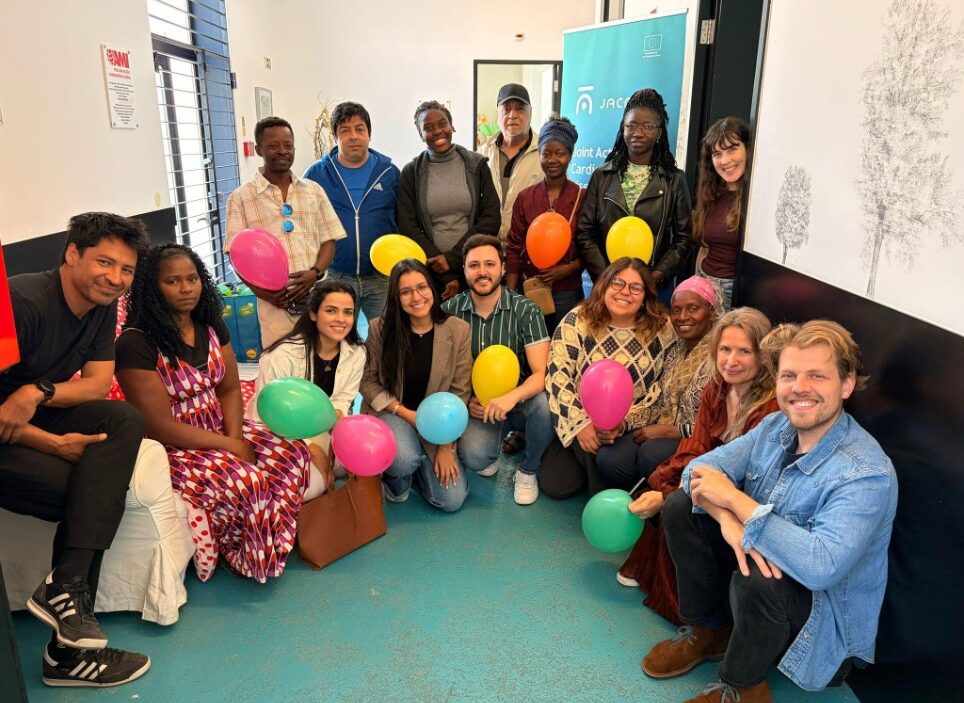
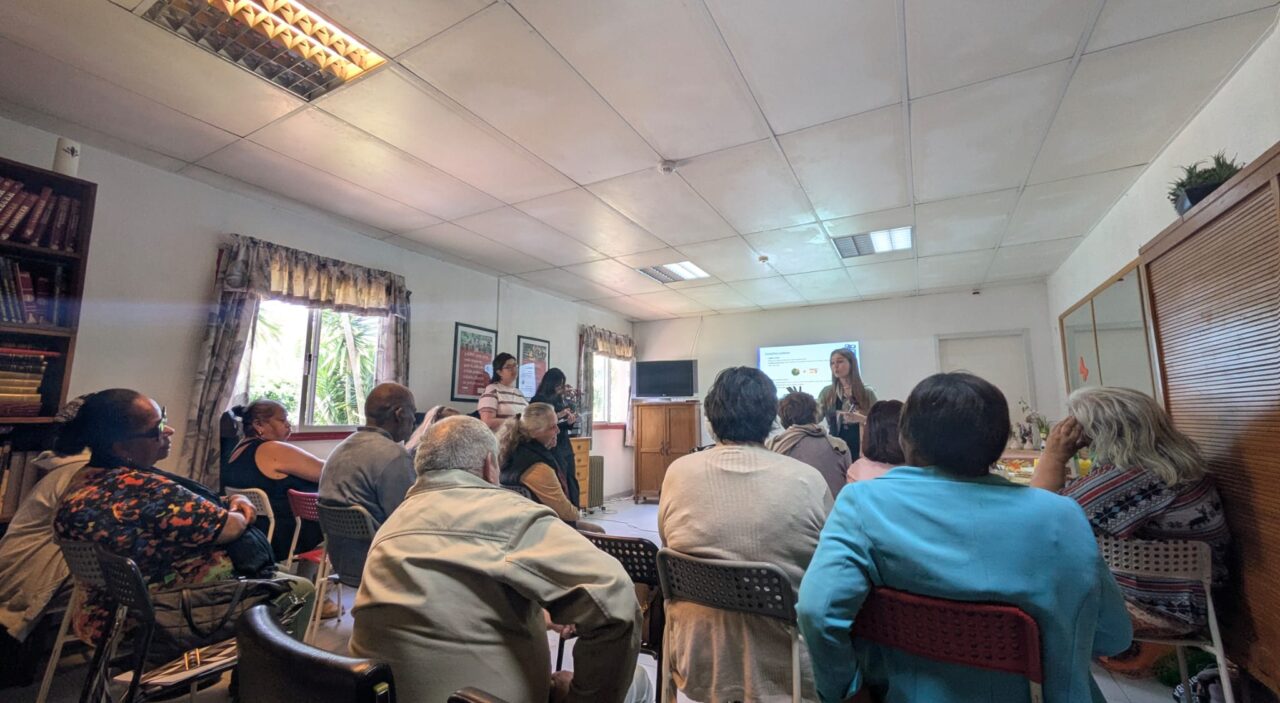
Following the co-design phase, the pilot moved into implementation across community organisations, with Health Links sessions adapted at the start of each group to reflect participants’ needs, priorities, and everyday contexts. To date, more than 100 migrant participants from 18 countries of origin have taken part in sessions covering communication with healthcare professionals, navigation of the Portuguese National Health System, understanding health information, healthy nutrition, physical activity, and cardiovascular disease and diabetes prevention.
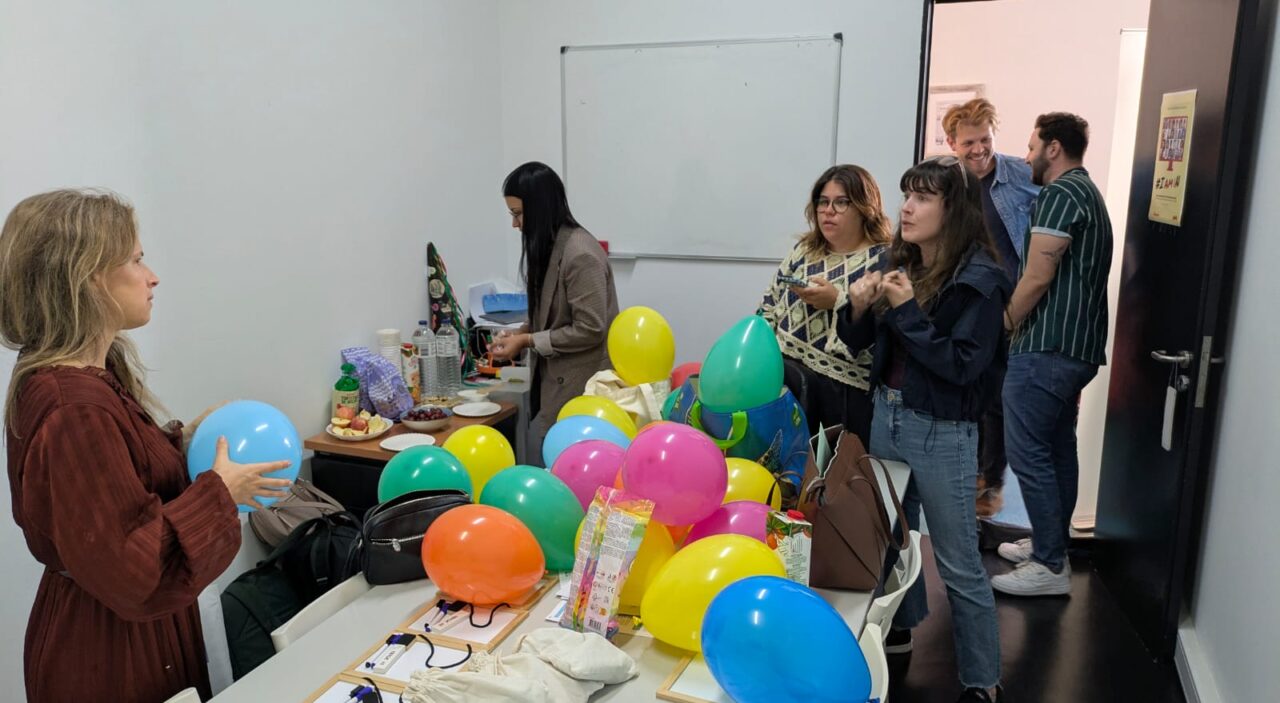
The sessions combined practical learning, peer exchange, culturally adapted examples, and community participation to strengthen health literacy as a shared responsibility between individuals, communities, and services. Activities included role plays with health professionals, games on misinformation and reliable health information, tailored nutrition activities based on participants’ cultural food practices, and outdoor physical activity sessions in public parks.
The pilot evaluation used a mixed-methods approach, combining baseline and post-intervention data with qualitative feedback from participants, facilitators, and partner institutions. Preliminary results show strong participation, high acceptability, feasibility, perceived usefulness, and improvements in health literacy and behaviour change. Participants particularly valued the practical and culturally relevant content.
From implementation to sustainability
Recently, the Portuguese teams welcomed colleagues from JACARDI’s Sustainability team for a joint working visit focused on long-term sustainability, transferability, and the integration of pilot activities into existing health and community systems. The visit included meetings with both pilot teams and visits to implementation settings, enabling direct exchange with participants, researchers, facilitators, community stakeholders, and participating institutions.
Discussions explored how co-creation practices, community ownership, and peer involvement can support continuity beyond project funding. The visit also highlighted reflective implementation practices already emerging within the pilots, including continuous adaptation based on participant feedback, collaboration with organisations and services, and multilingual and culturally sensitive facilitation strategies.
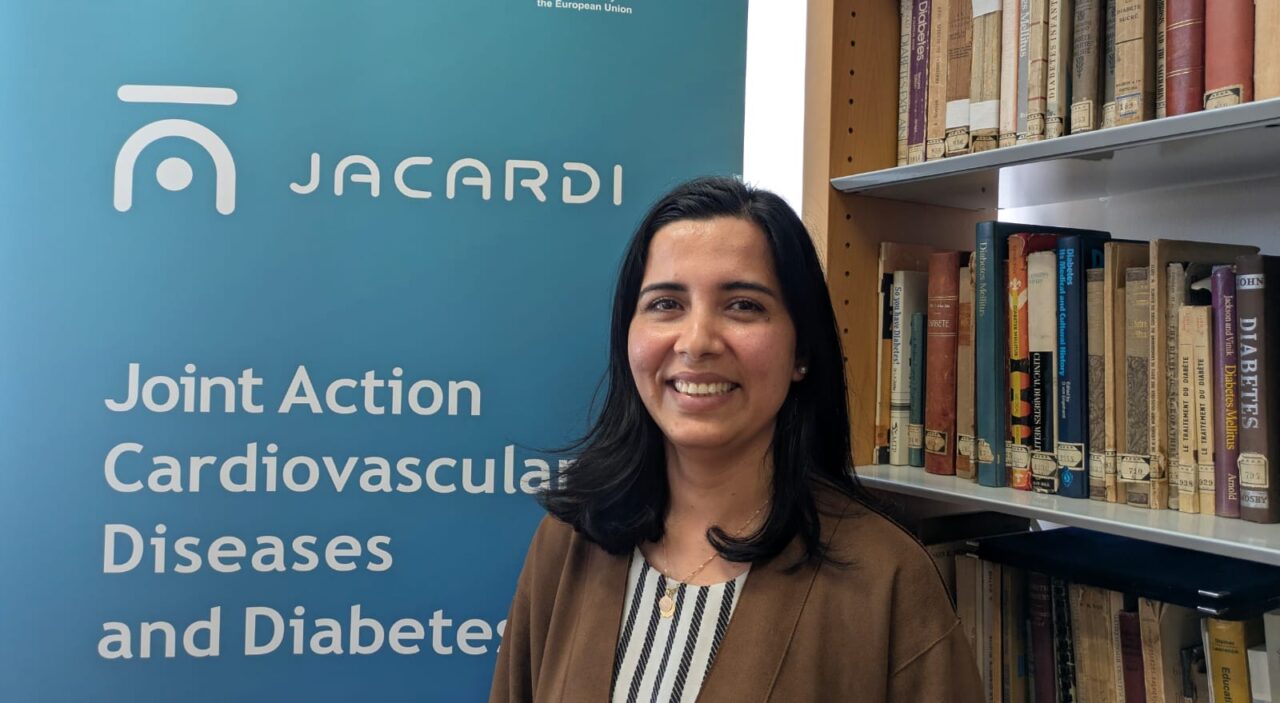
“The project has shown us that meaningful prevention cannot be designed far from people’s realities. Co-creation with migrant communities was not an accessory component, it became the foundation for building trust, relevance, and sustainability,” said Maria João Marques, researcher at NOVA and JACARDI Portugal scientific coordinator.
This focus on sustainability is also informing broader work at national level. Building on the lessons emerging from the Portuguese pilots, a national methodological roadmap is currently being developed in Portugal by the Directorate-General of Health (DGS), NOVA, and the Portuguese Diabetes Association (APDP), to support the implementation of health literacy actions across Local Health Units. The roadmap aims to facilitate the future adaptation, replication, and sustainability of community-based approaches.
In January 2026, interim findings from the JACARDI pilots in Portugal were presented during a national webinar on co-creation and health literacy. The event gathered more than 200 participants from health, policy, academic, and community sectors, strengthening dialogue around prevention, diabetes care, and culturally responsive health literacy interventions.
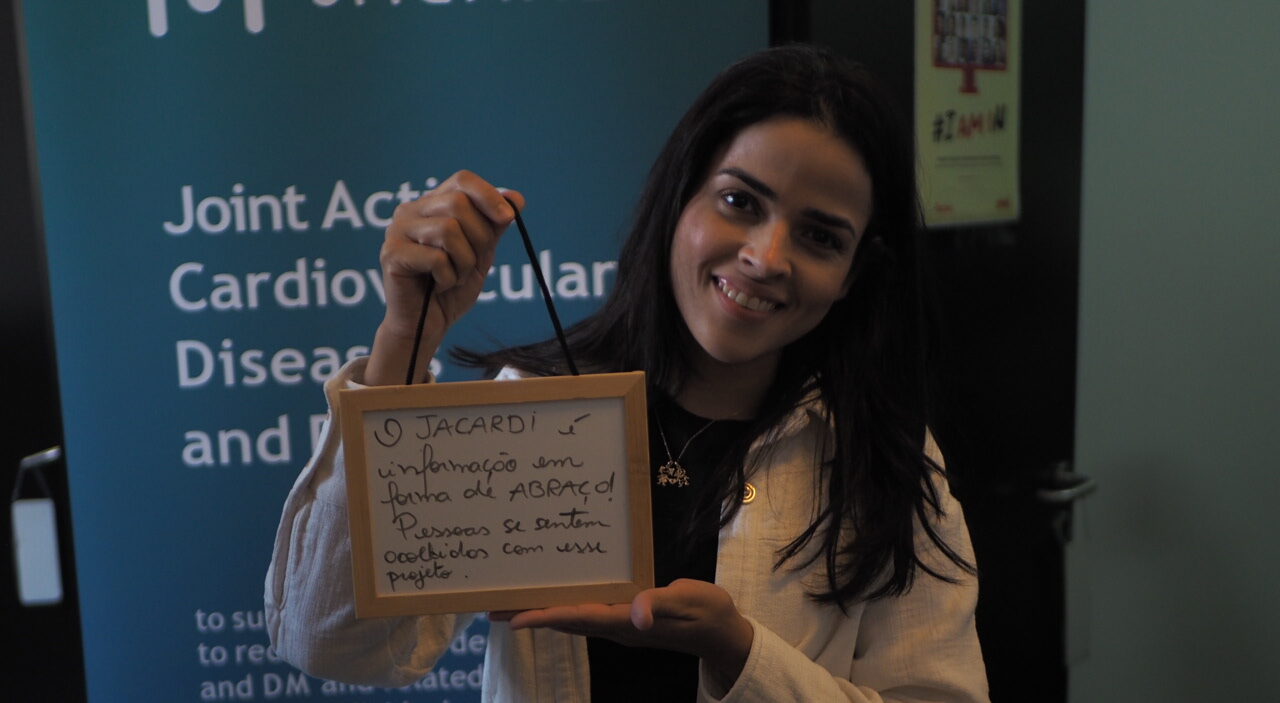
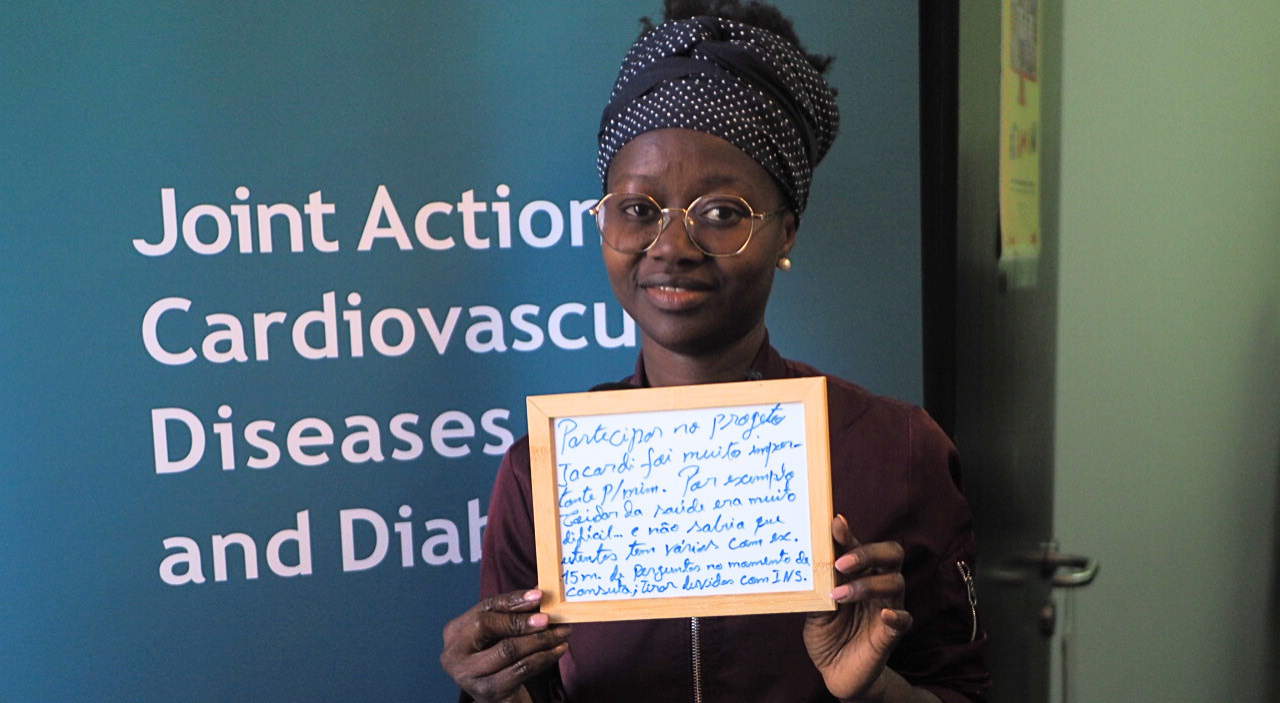
For those involved, the pilot has also created a different kind of experience. As Cadi Chengelam, one of the participants in the migrant-focused health literacy activities, reflected: “For the first time, I felt that people listened to our difficulties and adapted the sessions to our culture and daily life. It did not feel like receiving instructions, it felt like building solutions together.”
In the coming months, the teams will continue refining materials, analysing evaluation findings, and exploring opportunities for long-term integration within healthcare and community settings.