12 June 2026
Jacardi
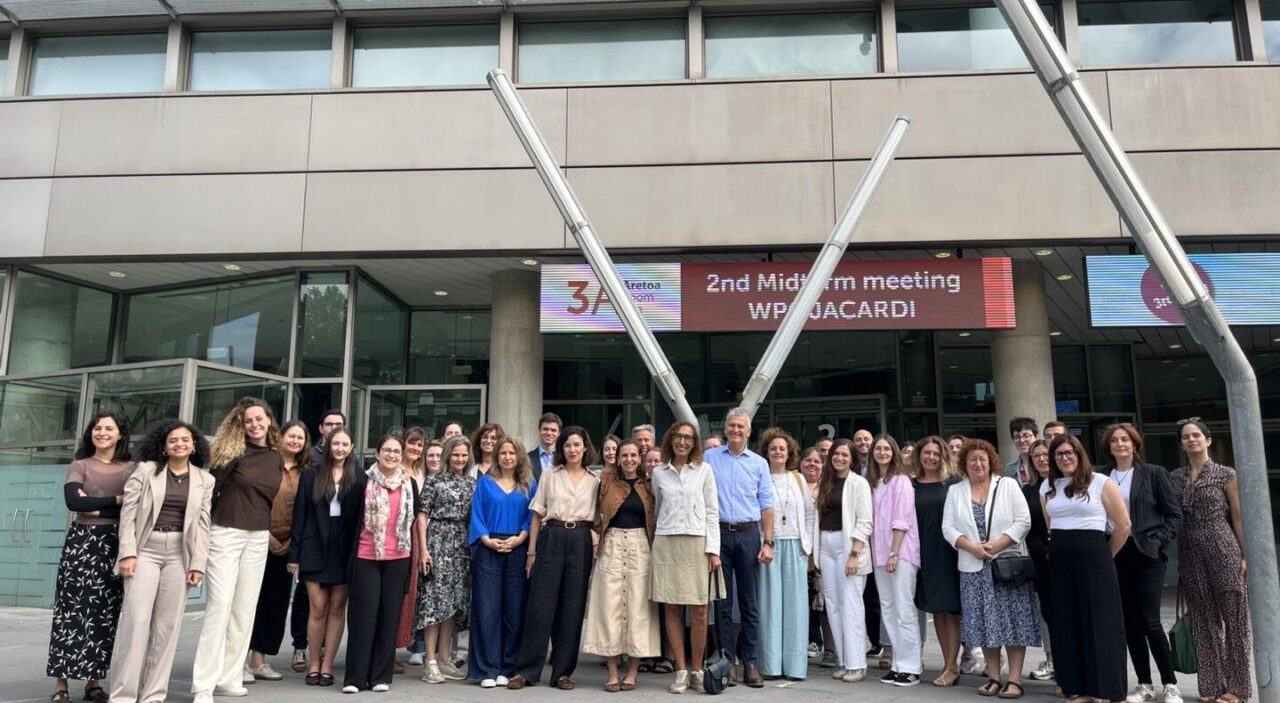
The second JACARDI health literacy meeting brought together more than 50 professionals from public bodies, research institutes, and healthcare organisations across 13 European countries to exchange progress and lessons learnt from 25 pilot projects.
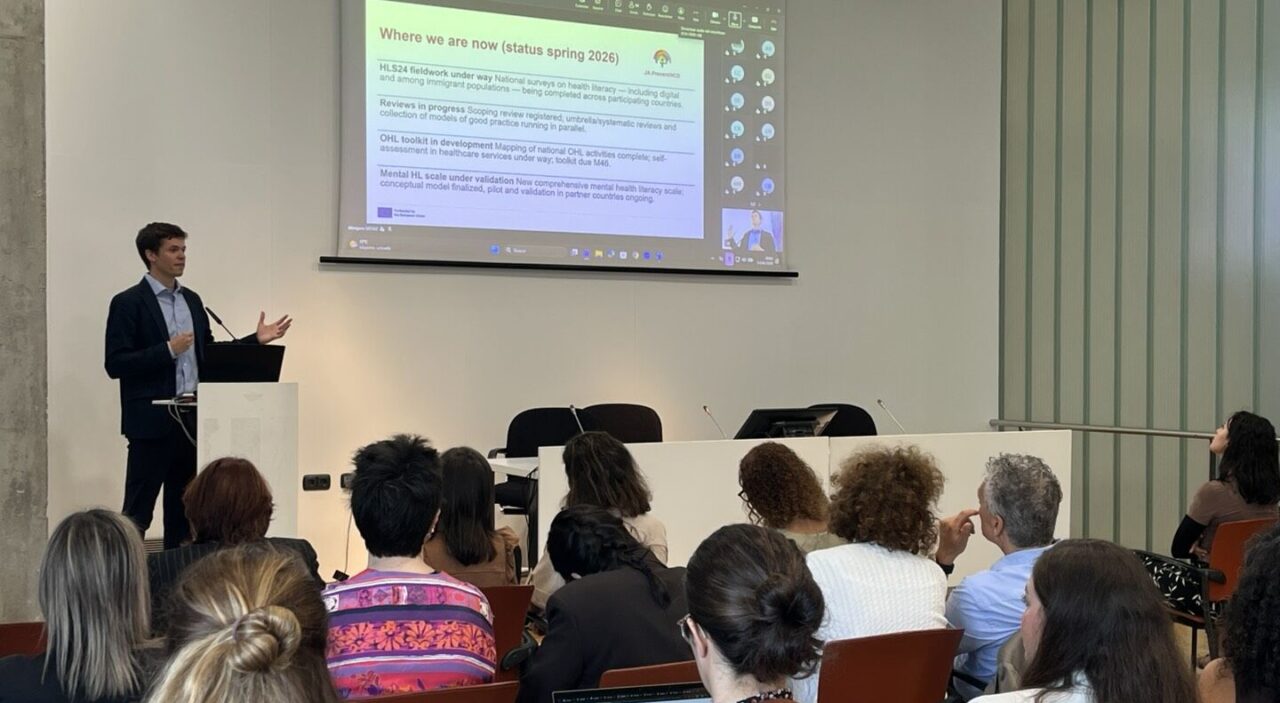
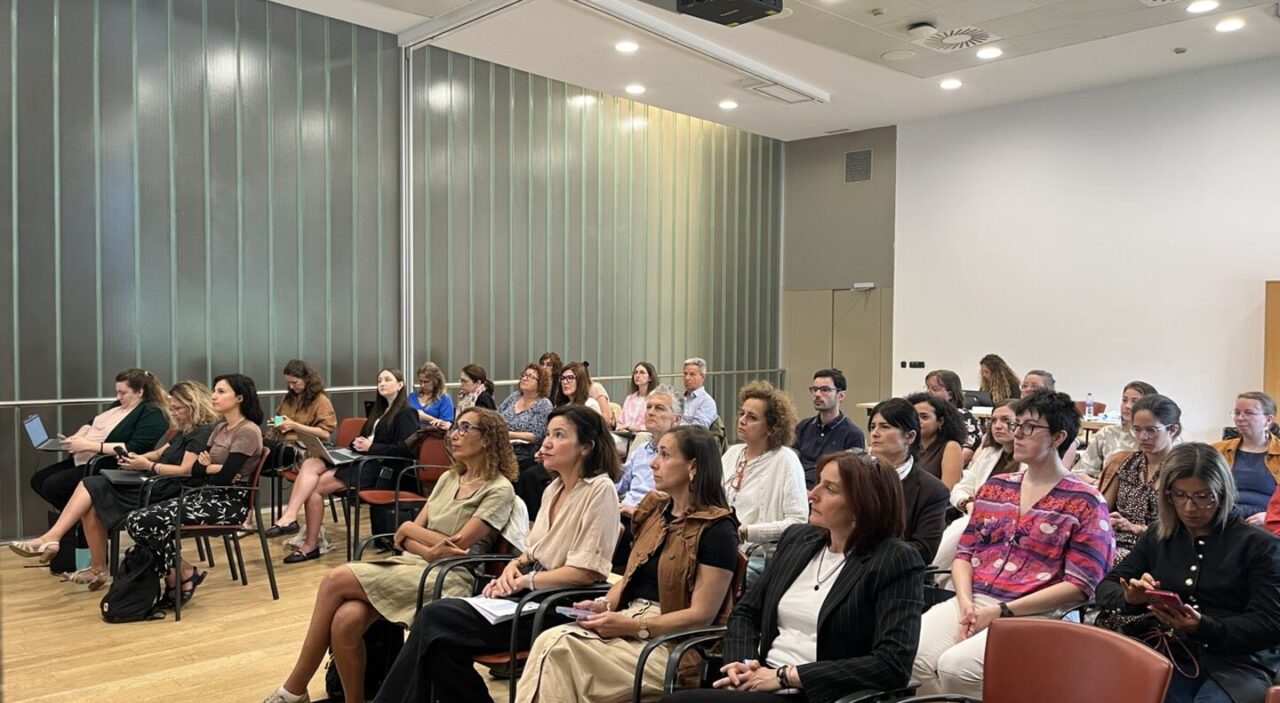
Over the two-day event coordinated by Biosistemak and held at the Euskalduna Conference Centre on 3–4 June in Bilbao, participants shared implementation experiences from different health literacy contexts, analysed common challenges, and discussed the evaluation of interventions, the inclusion of equity and diversity, and the sustainability and impact of JACARDI’s work beyond the project.
As a part of its integrated approach, JACARDI addresses the entire patient experience, making health literacy one of the fundamental pillars of health promotion and disease prevention. By focusing on enhancing how populations access, understand, evaluate and apply health information, JACARDI empowers individuals to make more informed decisions about their own health and well-being.
As a result, people are better prepared to adopt healthier lifestyle habits and become active agents in their own well-being and that of their communities, reinforcing health literacy as a cornerstone of a healthier and more equitable Europe.
Health Literacy for a Healthier Europe: 25 JACARDI pilots leading the way
During these two days, representatives from different countries including Croatia, Czech Republic, Finland, France, Iceland, Italy, Lithuania, Malta, Poland, Portugal, Romania, Spain, and Ukraine, they have addressed critical gaps in health literacy by developing and adapting tools, structures, and processes that empower individuals to better manage their health.
The pilots target a wide range of population groups, from adults and people living with diabetes, to pregnant women, children and adolescents, and people in vulnerable situations such as migrants, ensuring that interventions are tailored to the specific needs and circumstances of each community.
At the heart of JACARDI’s approach is a commitment to equity, inclusion, and co-creation. Rather than applying one-size-fits-all solutions, the project places end-users, patients and the general population at the centre of the design process, co-creating tools and interventions directly with those who will use them.
A key instrument in this effort is JACARDI’s Equity and Diversity Matrix guiding the pilots to ensure that health programmes reach the most vulnerable groups, including migrants and socio-economically disadvantaged populations, leaving no one behind.
Within health literacy-related pilots the interventions are also focused on reducing social inequalities by enabling fair access to health information, services, and resources, with particular attention to culturally and ethnically diverse communities who are often the most underserved. During the two-day meeting, pilots shared their progress and experiences, highlighting the importance of meaningful stakeholder engagement through the involvement of local, regional, and national entities as a critical driver of sustainable impact.
A highlight of the meeting was a joint activity including a dedicated synergies session, bringing together complementary EU-funded initiatives to share preliminary results and foster cross-project collaboration. Three projects presented their work: JA PreventNCD, focused on strengthening health literacy to reduce inequalities in cancer and other NCDs; the Preventia Action Grant addressing the prevention of diabetes, obesity, and cardiovascular disease; and the DUSE Action Grant, which focuses on counteracting diabetes through interdisciplinary educative programmes.
This collaborative exchange reflects JACARDI’s broader strategy of enhanced health promotion through shared learning, promoting the systematic exchange of health literacy policies, tools, and capacity-building initiatives among member states, encouraging the adoption of WHO-recommended frameworks, and ensuring equity-driven health promotion across Europe.