13 November 2026
Jacardi
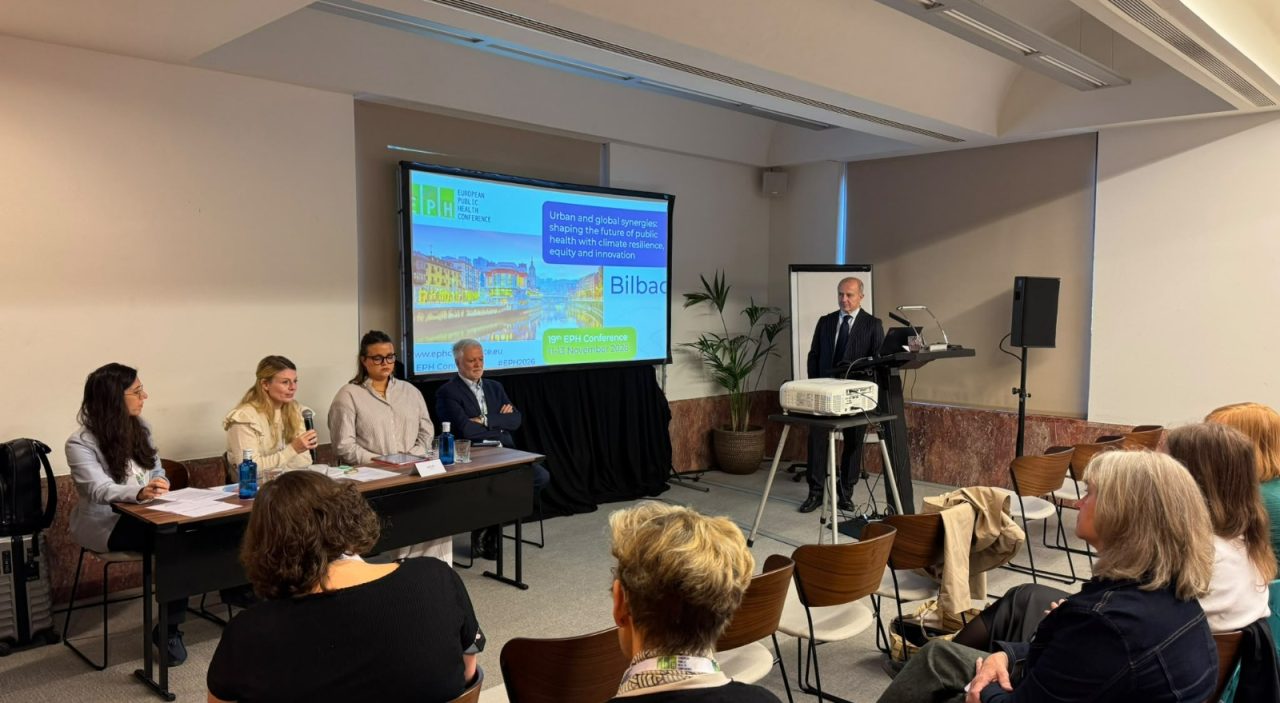
Translating Europe’s ambitions for better cardiovascular health into effective, equitable and sustainable prevention strategies was at the heart of the session “From Recommendation to Reality: How Can Health Checks Support Better Cardiovascular Outcomes?”, organised by the European Commission’s Directorate-General for Health and Food Safety (DG SANTE) and moderated by Antonio Parenti during the European Public Health Conference in Bilbao.
Bringing together different perspectives, the discussion explored how the EU Safe Hearts Plan can support Member States in strengthening cardiovascular prevention, drawing on scientific evidence, national experiences and lessons emerging from real-world implementation.
JACARDI contributed to the discussion through Benedetta Armocida, JACARDI Coordinator, alongside Héctor Bueno (JACARDI/ESC), Katherine de Bienassis (OECD) and Katie Ellwood (JACARDI/HSE Ireland), highlighting the role of European Joint Actions in connecting evidence, policy and practice.
A central message of the discussion was that effective cardiovascular health checks require sound scientific evidence, tailored approaches and strong connections with healthcare services. Risk identification should lead to timely diagnosis, appropriate treatment and long-term follow-up, while addressing inequalities in access and health outcomes.
Through 19 screening pilots across 11 European countries, JACARDI is exploring five different approaches to cardiovascular risk identification and screening, ranging from digital and data-driven solutions to primary care, community-based services and population health surveys. These experiences are supported by a common methodological framework that enables structured planning, monitoring and evaluation while allowing adaptation to national and local needs. JACARDI has also developed practical resources to support evidence-informed decisions, including an assessment of cardiovascular and diabetes risk prediction tools and a Short Guide to Screening.
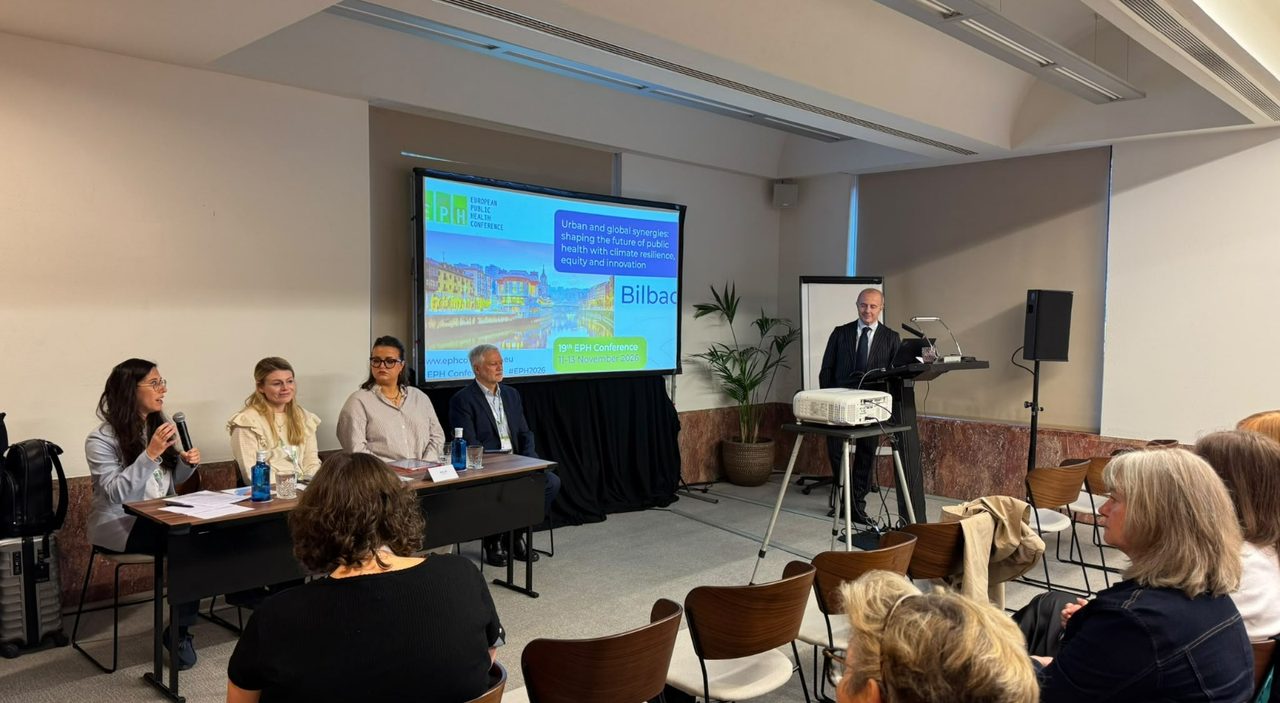
As Benedetta Armocida, JACARDI Coordinator, highlighted: “Our experience in JACARDI shows the value of combining shared scientific evidence and methodological principles with the flexibility to respond to different populations, healthcare systems and local needs. This is essential to translating European priorities into effective prevention strategies.”
Risk-based, targeted and stepwise approaches, adapted to different healthcare settings and population needs, can help Member States strengthen cardiovascular prevention while making effective use of available resources.
Embedding equity in cardiovascular prevention
Ensuring equitable access to cardiovascular health checks was another key priority of the discussion. Social and economic conditions, gender, migration-related barriers, health literacy and geographical differences can all influence cardiovascular risk, access to preventive services and opportunities for follow-up care. Through its cross-cutting Equity and Diversity methodology, JACARDI supports pilots in identifying barriers, understanding population needs and adapting interventions accordingly, embedding equity considerations throughout implementation.
The discussion also highlighted the importance of monitoring who benefits from prevention interventions, identifying underserved populations and understanding where inequalities persist. This requires more comprehensive and disaggregated data, alongside careful consideration of whether existing risk assessment tools perform equally well across different population groups. JACARDI’s research and pilot activities are contributing to this understanding.
Connecting early detection with continuity of care
Effective cardiovascular prevention depends on strong connections between early risk identification and the healthcare services that support people over time. The discussion emphasised the importance of linking health checks with timely diagnostic confirmation, treatment, lifestyle counselling, integrated care and long-term follow-up.
This reflects JACARDI’s broader approach to cardiovascular and diabetes prevention, which extends across the patient journey, from health literacy and risk identification to integrated care and self-management. “The real value of cardiovascular health checks lies in creating opportunities for earlier intervention, better care and healthier lives. Their success should be reflected in improved health outcomes, continuity of care and reduced inequalities,” emphasised Benedetta Armocida, JACARDI Coordinator.
Achieving these outcomes requires clear referral pathways, coordination between healthcare professionals, appropriate data systems and sufficient health system capacity. Monitoring should therefore consider the quality and continuity of care alongside screening uptake and coverage.
Turning European collaboration into sustainable change
Looking ahead, the discussion reinforced the importance of translating Europe’s shared cardiovascular health priorities into practical and sustainable action at national and local levels. European Joint Actions such as JACARDI provide valuable opportunities to connect scientific evidence with implementation experience, enabling countries with different healthcare systems to exchange knowledge, develop practical tools and learn from common challenges.
JACARDI is developing technical and policy-oriented roadmaps to consolidate emerging evidence, implementation lessons, identified gaps and opportunities for action. Together with its methodological tools, capacity-building activities and cross-country collaboration, these resources aim to support Member States in adapting and sustaining effective interventions.
The EU Safe Hearts Plan represents an important opportunity to connect these collective efforts, strengthening the links between European policy ambitions, national health system priorities and real-world implementation.
JACARDI’s participation in the DG SANTE session reaffirmed the importance of placing scientific evidence, equity, integrated care and European collaboration at the centre of cardiovascular prevention. By bringing together experiences from different countries and healthcare settings, European cooperation can help identify effective approaches, understand the conditions needed for their implementation and strengthen the capacity of health systems to sustain them.