Advancing cardiovascular prevention: regional results from the Italian Health Examination Survey – CUORE Project
Within JACARDI’s framework, the Italian Health Examination Survey (ITA-HES) – CUORE Project has delivered new regional results on major risk factors for non-communicable diseases. Implemented under Work Package 8, the pilot is being carried out in seven Italian regions and is coordinated by the Istituto Superiore di Sanità.
The initiative responds to the World Health Organization recommendation that Member States conduct health examination surveys every five years to monitor progress in prevention and control of non-communicable diseases, particularly cardiovascular diseases.
From data collection to regional action
Screening activities have been completed in four regions – Emilia-Romagna, Piedmont, Liguria and Lazio – and a dedicated report (for 2025) has been distributed to regional stakeholders in each territory.
The survey is based on direct health examinations of random samples of the adult population. It has a dual purpose:
- to strengthen surveillance of cardiovascular and metabolic risk factors through objective measurements;
- to provide population screening for early detection of risk conditions and promote health awareness at individual level.
Regional reports present key indicators recommended for monitoring non-communicable diseases, including:
- Blood pressure: levels, hypertension, awareness and treatment
- Lipid profile: total cholesterol, HDL, triglycerides, hypercholesterolemia, awareness and treatment
- Glycaemic status: blood glucose, diabetes prevalence, awareness and treatment
- Body mass index, obesity, overweight, normal weight, waist and hip circumference
- Nutrition habits based on 24-hour urine collection salt and potassium intake
- Physical activity: inactivity prevalence and daily steps
- Smoking habits: prevalence and cigarette consumption
- Overall absolute cardiovascular risk
Strengthening prevention and equity through evidence
Beyond estimating health indicators, the pilot assessed the impact of screening at individual level, including awareness of risk conditions and opportunities for health promotion. By combining surveillance and prevention, the ITA-HES – CUORE Project supports JACARDI’s objectives to reduce the burden of cardiovascular diseases and diabetes, promote early detection, and improve equity in access to preventive services.
The experience from these four regions demonstrates the feasibility and added value of systematic health examination surveys at regional level. The next steps include completion of activities in the remaining regions and continued collaboration with regional stakeholders to translate findings into targeted prevention policies and actions.
What the results reveal
The analysis of the data collected in the four regions highlights a substantial burden of modifiable cardiovascular risk factors in the adult population, together with important gaps in awareness and treatment. Across regions, elevated blood pressure, high total cholesterol and altered glycaemic status were frequently identified through direct measurements, and a proportion of individuals with these conditions were not aware of their risk status or were not receiving treatment.
In the Piedmont region, 40% of men and 24% of women with hypertension (systolic blood pressure >=140 mmHg and/or diastolic blood pressure >=90 mmHg and/or under specific treatment) were unaware of possible blood pressure problems, and 10% of men and 8% of women who were aware were not receiving treatment.
The results also show relevant levels of overweight and obesity based on body mass index and waist circumference, as well as non-optimal salt intake measured through 24-hour urine collection. In the Emilia-Romagna region, 79% of men and 69% of women were overweight or obese, and more than half of the population consumed more salt than recommended.
In addition, physical inactivity and current smoking remain present in a significant share of the population. Compared to data collected approximately 15 years ago, a common trend in all four regions examined shows a significant reduction in hypercholesterolemia. High cholesterol was defined as having total cholesterol levels of 240 mg/dl or higher, or taking medication to treat it. Overall, the results of main health indicators underline the need for strengthened primary prevention, early detection and targeted health promotion strategies at both national and regional level, in line with JACARDI’s objectives.
Access available results from all regions here.
Five EU initiatives unite to scale health literacy action to tackle NCDs
A powerful spirit of collaboration marked this year’s European Public Health Conference held in Helsinki from 12 to 14 November: five major European projects – JACARDI, JA PreventNCD, PIA, careGIVR and PREVENTIA – jointly hosted a high-level workshop during the conference. This collaborative session demonstrated how cross-project synergy is the key to accelerating effective, inclusive health literacy strategies across the continent to curb the rising burden of non-communicable diseases (NCDs) through more accessible, inclusive and evidence-based prevention strategies.
The workshop, titled “8.H. Round table: Health Literacy in Action: Innovative and Inclusive Approaches from European Joint Initiatives”, brought together leading EU-funded initiatives involving over 100 partner institutions across 24 countries. Discussions centered on the critical challenge of reaching vulnerable groups – such as migrants, young people and populations in disadvantaged settings, who remain disproportionately affected by low health literacy and NCDs.
The session emphasized two core outcomes for participants:
• Shared approaches: Understanding how five major European projects integrate health literacy into diverse public health systems, leveraging strong equity and diversity lenses.
• Roadmap principles: Highlighting the common goals and strategies these initiatives have defined to strengthen health literacy action across different European contexts.
The JACARDI health literacy team – coordinated by Santé publique France and Biosistemak Research Institute, Basque Country, Spain – used the platform to showcase its progress in building measurable health literacy impact against cardiovascular disease (CVD) and diabetes (DM) risks and other NCDs across Europe.
The JACARDI WP6 Health Literacy team presented the extensive work completed during the first two years of the project aimed at improving health literacy and raising awareness of CVD and DM risks at both individual and societal levels. This work includes mapping existing health literacy development activities across EU countries and implementing 25 codesigned pilot projects across 13 countries.
These projects are implemented following participatory processes where key stakeholders and target groups are involved from the very beginning. Their approaches in action include applying a common framework for systematically evaluating the equity and diversity lens across pilots.
The roadmap principles guiding this work rely on a shared 12-step implementation framework, ensuring consistency across all 143 JACARDI pilots and reinforcing the integration of sustainability plans to enable future scale-up. Additionally, JACARDI assesses health literacy initiatives at multiple levels of interventions, project teams, and work packages to support continuous learning and improvement.
Through the European Public Health Conference workshop, the JACARDI team showcased its commitment to ensure health literacy initiatives reach everyone, regardless of background, language, or level of literacy. By bringing together JA PreventNCD, PIA, careGIVR, and PREVENTIA in a single collaborative session, JACARDI created a unique space to align methodologies, identify synergies, and strengthen a connected European approach to preventing non-communicable diseases (NCDs).
During the session, participants explored how projects are embedding cultural diversity into their methodologies and activities to better reach vulnerable groups and improve health equity across Europe. They also examined how inclusive health literacy strategies can support health systems in combating misinformation and disinformation, particularly in culturally and linguistically diverse communities disproportionately affected by it, and what lessons can be drawn from applying different approaches to health literacy across populations, settings, and system levels. They also discussed how this diversity can inform and strengthen national and EU-level policy.The insights generated in Helsinki will help shape the next phase of Europe’s health promotion agenda, ensuring that individuals are not only informed but empowered to understand, act, appraise, and apply health information.
A model of excellence in the Marche Region: turning a regional best practice into a shared European achievement
The Marche Region stands as a European model of excellence in managing diabetes. Its participation in JACARDI builds on more than a decade of coordinated innovation, legislation, and stakeholder engagement.
The foundation was laid with Regional Law No. 9/2015, which established a network of Diabetes Centres connected by a shared electronic record and coordinated through the Regional Diabetes Committee. Led by the Marche Regional Health Agency (Agenzia Regionale Sanitaria – ARS), this committee unites specialists, family doctors, pediatricians, and patient associations to ensure equal access and consistent quality of care. Recognized by the European Commission’s Best Practice Portal and the Italian National Agency for Regional Healthcare Services (Agenzia Nazionale per i servizi sanitari Regionali – AGENAS), this network became a reference model for chronic disease management.
When the European Union launched JACARDI, the Marche Region’s mature system made it a natural choice for leadership. The region now co-coordinates the work on patient self-management and runs five pilot projects that align with prevention, early diagnosis, and integrated care. All activities are co-designed with professionals and patient associations, ensuring that regional strengths feed into European innovation while new knowledge returns to improve local services.
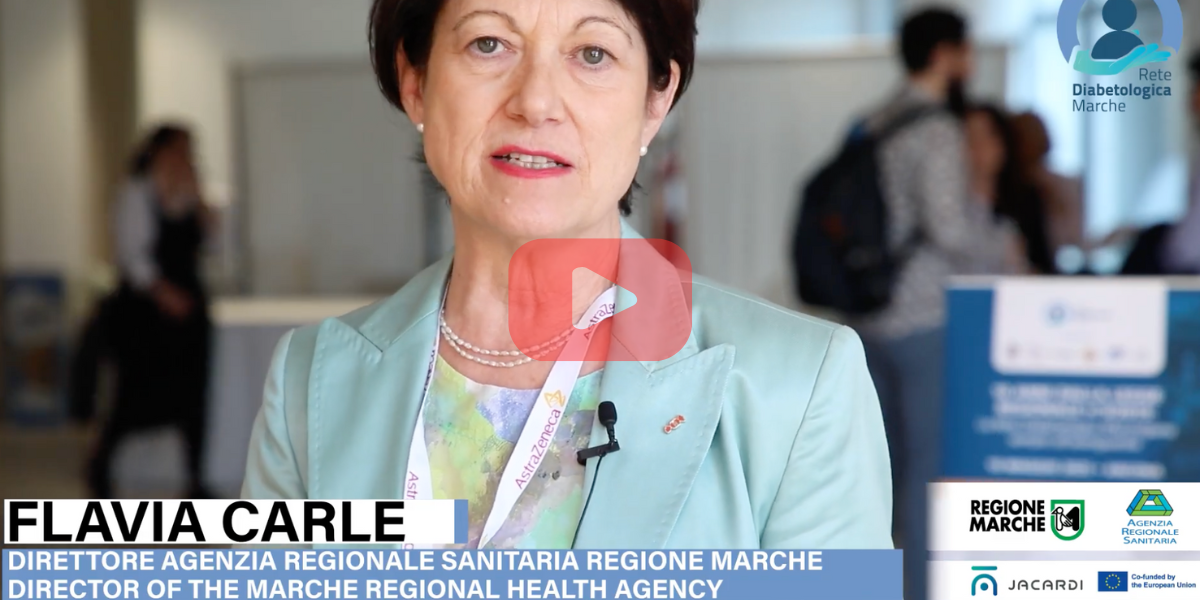
As highlighted by Flavia Carle, Director of the Regional Health Agency, participating in a European Joint Action offers “two main benefits: contributing our experience to the development of guidelines and organizational models, and learning from other European countries to guarantee equity across our region.”
Digital innovation plays a central role. As Massimiliano Petrelli notes, the region’s electronic medical records now allow real-time data access, enabling faster and more precise interventions. JACARDI provides new resources to expand this capacity and strengthen digital health literacy among professionals and patients alike.
Beyond technology, JACARDI promotes a cultural shift toward shared responsibility. The projects now implemented in all the Health Authorities of the Regional Healthcare system will enhance health literacy, empowering citizens to make informed decisions about their care.
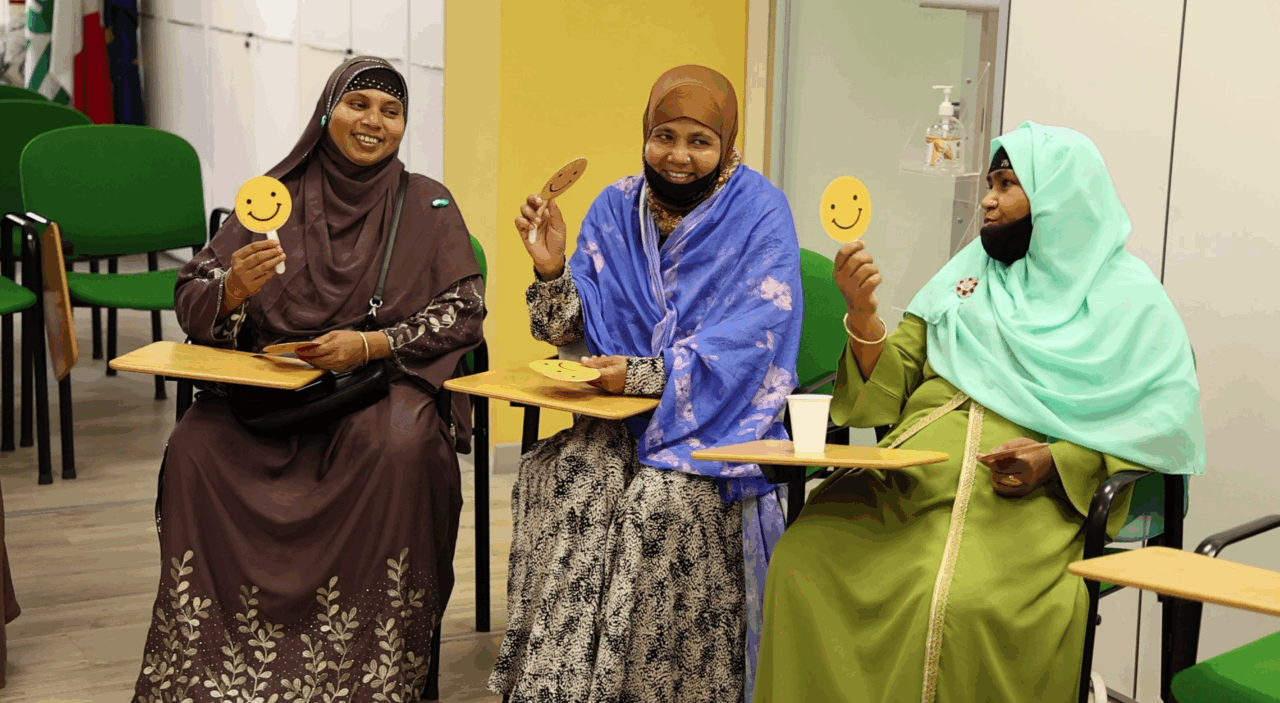
As highlighted by Paolo Muratori, President of the Marche Federation of Diabetic Associations, patient associations act as vital bridges between institutions and the community, ensuring that patient voices help shape regional policies.
In just two years, the Marche JACARDI team has launched pilot projects in almost all Diabetes Centres, produced educational materials, and trained healthcare staff, embedding these innovations into the regional system.
The Marche Region’s journey—from pioneering legislation to European leadership—shows how consistent collaboration and commitment to equity can turn a regional best practice into a shared European achievement. JACARDI is not just a project but a collective investment in knowledge, empowerment, and health for all.
New online risk test by the Finnish Diabetes Association garners over 120,000 users in just one month
A groundbreaking new digital health initiative in Finland is empowering individuals to assess their risk of developing some of the country’s most common chronic illnesses, all from the comfort of their homes. This tool has been developed as part of a pilot program within JACARDI’s Work Package on screening by the Finnish Institute for Health and Welfare (THL) and the Finnish Diabetes Association.
The new online risk test has already garnered over 120,000 users in just one month, signaling a widespread public interest. In fact, drawing from extensive population-level health data, the tool estimates a person’s likelihood of developing: type 2 diabetes, cardiovascular diseases, and memory disorders (such as dementia). The risk for type 2 diabetes and heart disease is projected over 10 years, while memory disorders are evaluated over a 20-year timeline.
The test was developed by a team of experts, including Prof. Jaana Lindström, Research Manager at THL and Sari Koski, Director of Diabetes Courses and Knowledge Production at the Finnish Diabetes Association, under JACARDI’s Work Package on Screening, led by Hanna Tolonen from THL. It does not function as a diagnostic tool, yet it offers a general risk assessment based on an individual’s lifestyle and health background, providing valuable insights even before symptoms emerge. It is especially helpful for individuals who may not yet have access to clinical testing or regular medical evaluations.
The test is available online and can be completed in minutes, anonymously and free of charge. It is designed for adults of all ages and is especially relevant for those who are unaware of their risk factors. It can be used independently at home.
Each user receives a personalized summary of their risk, along with science-backed lifestyle suggestions. These include advice in areas, such as diet and nutrition, physical activity, sleep and recovery, and stress management.
By taking the test, individuals are encouraged to make small but impactful changes to their daily habits, changes that could significantly reduce their chances of developing chronic illnesses in the future.
Since its launch in late May 2025, the test has exceeded expectations; the section related to memory disorders has seen particularly high engagement.
This level of adoption underscores a growing interest among the Finnish population in self-directed health promotion and self-care. The success of the initiative also reflects how digital tools can complement traditional healthcare services by raising awareness, prompting early action, and reducing long-term healthcare costs.
Health authorities are enthusiastic about the test’s potential. Prof. Jaana Lindström, from THL, emphasized its preventive power, stating that recognizing risk is key to taking action in time.
Sari Koski, representing the Finnish Diabetes Association, highlighted the importance of modest lifestyle adjustments by saying that even small changes can lead to significant health benefits over time.
This perspective is supported by stark national statistics. Every year in Finland:
- Approximately 23,000 people are diagnosed with type 2 diabetes
- Around 22,000 with coronary artery disease
- About 23,000 begin experiencing memory-related disorders
These figures underline the urgent need for tools that enhance citizens’ awareness of chronic disease risk factors and promote early detection and lifestyle interventions.
For this reason, the launch of this new test quickly gained widespread attention, as the campaign was covered extensively by both major national and local media outlets across Finland. Leading publications highlighted the test’s potential to empower individuals to take control of their health. Regional news platforms played a key role in disseminating the information, ensuring that citizens across the country, from urban centers to rural municipalities, were informed about the tool.
The risk test serves not only as a personal wellness tool but also as a potential model for broader public health efforts. This strategy is not only beneficial for the individual but also contributes to the sustainability of the healthcare system.
Moreover, initiatives like this one are economically sensible: they help curb the rising costs of treating chronic conditions and allow more people to stay healthier and more productive for longer.
Finland’s new online risk test represents a timely and impactful tool for public health promotion. While not a replacement for medical diagnosis, it opens the door to greater personal responsibility and awareness. By bridging digital innovation with health promotion, it empowers citizens to act before illness strikes, and that might just be the key to a healthier future for all.
JACARDI featured on Italian national TV: free health screenings raise awareness on diabetes and cardiovascular risks
JACARDI was recently featured on RAI, Italy’s national public broadcaster, highlighting a free public screening campaign aimed at the early detection of diabetes and cardiovascular disease. This broadcast was filmed during a high-profile event in Reggio Calabria tied to the arrival of the Italian Navy’s historic ship Amerigo Vespucci, and it brought national attention to a simple yet powerful tool for screening and prevention: online self-assessment accessible through a QR code.
The JACARDI project, in collaboration with the ASP (Azienda Sanitaria Provinciale, Local Health Authority) of Reggio Calabria, was able to engage with citizens by making them scan a QR code with their smartphone and receive information about preventive health measures. People answered simple questions and received useful lifestyle tips, and those showing health concerns were flagged for follow-up, providing an immediate and accessible method for early diagnosis.
During the broadcast, several key figures were interviewed, including Dr. Lucia Di Furia, Director General of ASP Reggio Calabria, who suggested that prevention begins with daily awareness. Along with Dr. Ernesto Giordano, an endocrinologist and project manager on childhood obesity prevention, Di Furia highlighted how important it is to educate children on food habits to prevent future health issues.
This initiative exemplifies how JACARDI, as part of a broader EU Joint Action, is transforming prevention into practical action. By combining digital innovation with community outreach, the project is not only improving health literacy but also enabling early detection of conditions that often go unnoticed until it’s too late. As one of the 142 pilots under JACARDI, the ASP Reggio Calabria screening demonstrates how EU joint actions can deliver real, measurable benefits to people’s lives, fostering a culture of prevention and improved care that crosses borders and builds healthier futures for all.
The pilot in Calabria is one of 18 pilots within JACARDI’s Work Package 8, which focuses on screening and identifying individuals at increased risk of cardiovascular diseases and diabetes. These conditions can often be prevented or delayed through healthy lifestyle changes and better risk factor management. The pilots collect standardized data on key risk factors across European countries to support more targeted, evidence-based prevention strategies.
For the news broadcast in Italian, click here, and to watch the pilot’s promotional video, click here.