22 January 2026
Cristina Cebrián Méndez - CNIC
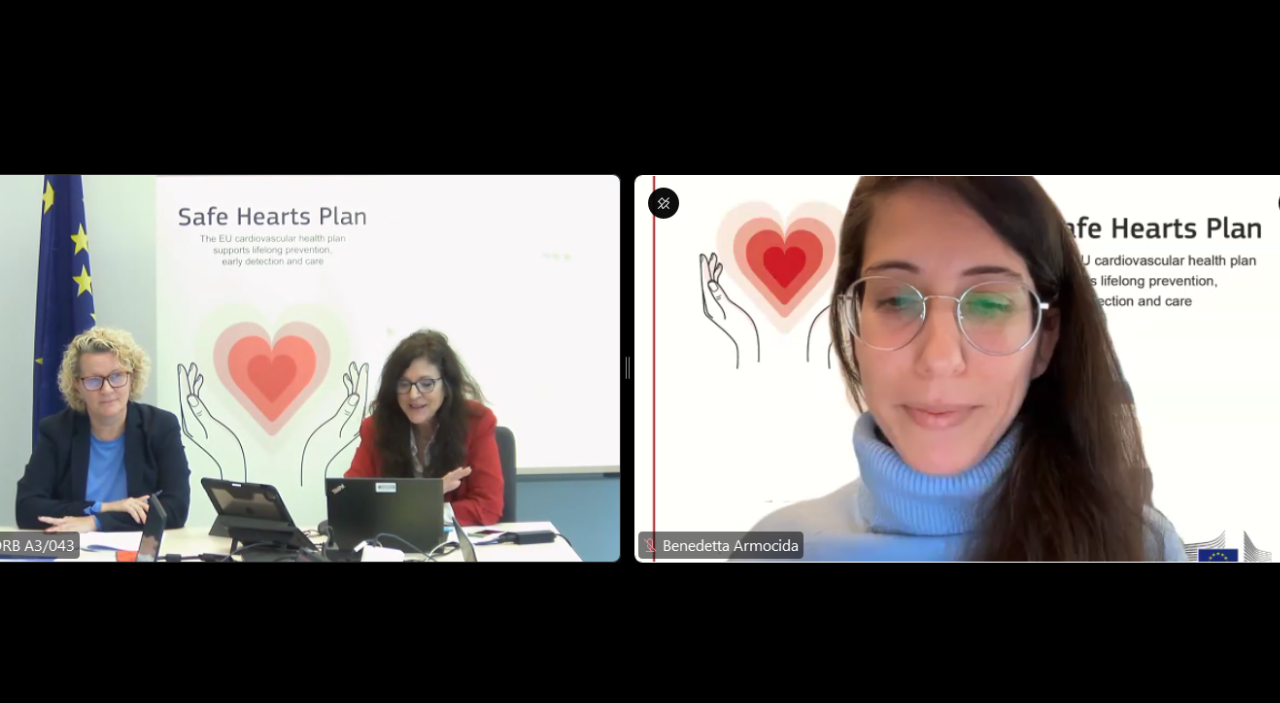
Benedetta Armocida, coordinator of JACARDI, presented the Joint Action’s role in shaping screening and early detection approaches under the Safe Hearts Plan, during a dedicated webinar organized by the European Commission.
On 15 January 2026, the European Commission hosted the first stakeholder webinar dedicated to the Safe Hearts Plan, the EU’s first-ever cardiovascular health plan, adopted on 16 December 2025. The online event brought together nearly 500 stakeholders from across Europe and provided a key platform to exchange views on how to support the implementation of the Plan and its flagship initiatives [1].
The webinar [2] marked an important milestone in the roll-out of the Safe Hearts Plan, which aims to tackle cardiovascular diseases (CVDs), the leading cause of mortality in the European Union, through coordinated action on prevention, early detection and screening, and treatment, care and rehabilitation, while addressing cross-cutting challenges such as data and digitalisation, research and innovation, and health inequalities.
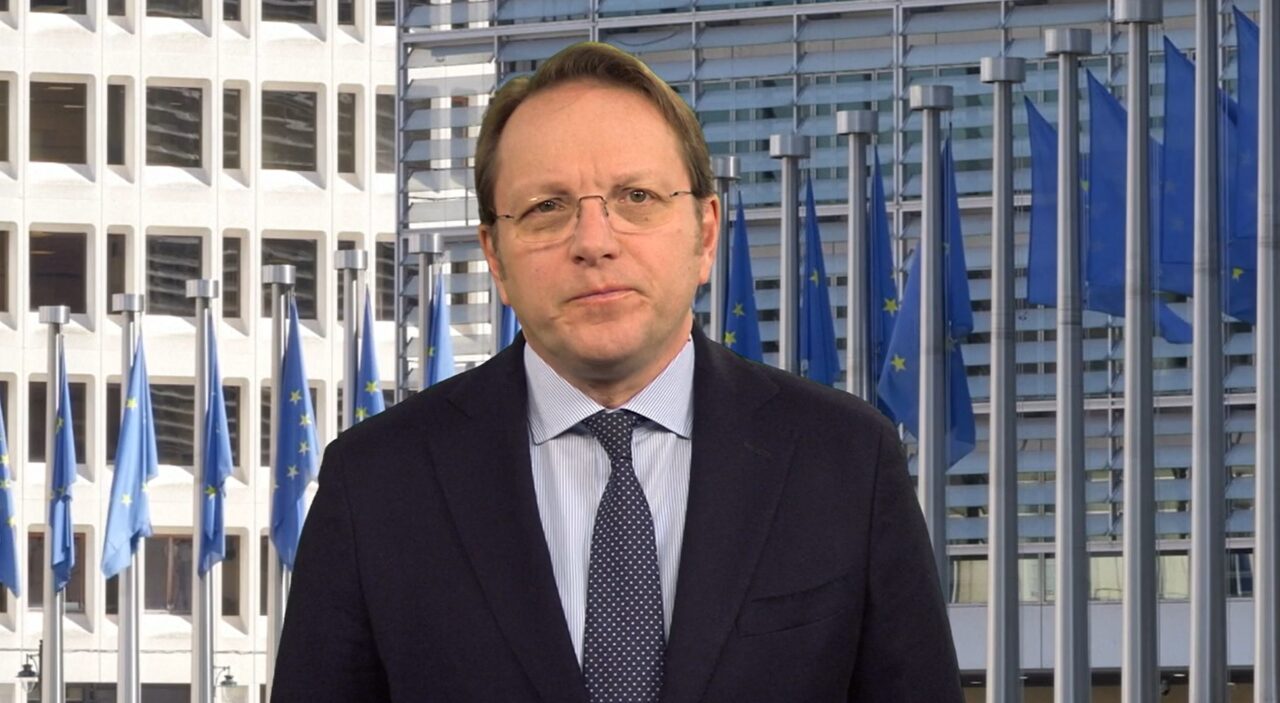
Opening the meeting, Commissioner for Health and Animal Welfare, Olivér Várhelyi, underlined the urgency of action and the importance of collaboration with stakeholders to turn the Plan into concrete results.
“Cardiovascular diseases remain Europe’s number one killer, placing a growing burden on our health systems, societies and economies. With the Safe Hearts Plan, we now have a strong policy tool at EU level, but its success will depend on close cooperation with Member States and stakeholders to make it a reality,” said Commissioner Várhelyi.
Supporting early detection and screening
During the webinar, the coordinators of key Joint Actions, JACARDI and JA PreventNCD, presented how their work contributes to the implementation of the Safe Hearts Plan. Dr Benedetta Armocida, coordinator of JACARDI, highlighted the Joint Action’s strong alignment with Pillar 2 of the Plan: early detection and screening, including the flagship initiative on an EU Protocol on Health Checks for CVDs.
JACARDI brings together 21 countries and 81 partners, working to translate EU priorities into concrete, country-level implementation. In particular, Work Package 8 on screening high-risk populations, led by Hanna Tolonen and Luigi Palmieri, is developing common protocols and tools to support Member States in the design, organisation and sustainability of effective screening programmes.
“We are testing and implementing practical solutions that can support the Safe Hearts Plan on the ground. Our pilot projects on early detection and screening aim to generate evidence and tools that help Member States reach high-risk populations, while embedding equity and sustainability across all activities. The aim is to provide further evidence and the result of our pilots to support the implementation of the European plan,” said Dr Armocida.
In practice, JACARDI is implementing 19 pilot projects focused on screening for CVDs and diabetes across different European countries, assessing the feasibility of diverse screening approaches. The Joint Action has also developed an online risk assessment tool and decision guide, supporting professionals in selecting appropriate risk prediction methods.
Addressing inequalities is a core priority for JACARDI, fully aligned with the Safe Hearts Plan. Across its 143 pilot projects, the Joint Action promotes equity and diversity, targeting both the general population and high-risk groups, with a focus on integrated care pathways, self-management and social participation.
The webinar also showcased the strong alignment between the Safe Hearts Plan and other EU initiatives. Knut Jønsrud, project manager of JA PreventNCD, emphasised the importance of addressing key risk factors and reducing social inequalities through a life-course approach.
“Several flagship initiatives of the Safe Hearts Plan, such as modernising tobacco control legislation and strengthening health literacy, are closely aligned with our work. A people-centred, equity-focused approach and cross-sectoral collaboration are essential to achieving lasting impact,” said Jønsrud.
A coordinated EU response
Antonio Parenti, director for Public Health, Cancer and Human Security in the Directorate General for Human and Food Security of the European Commission (DG SANTE), stressed the scale of the challenge posed by CVDs and the need for decisive, coordinated action at EU level.
“CVDs cost the EU more than €280 billion every year. Without strong and coordinated action, this burden will continue to grow, affecting future generations, health systems and economic resilience. The Safe Hearts Plan is our collective response to this challenge,” Parenti stated.
He highlighted the Plan’s three pillars and its ten flagship initiatives, designed to improve population health, foster innovation and support sustainable healthcare systems. Prevention remains a cornerstone of the Plan, as nearly 80% of CVDs can be prevented through lifestyle changes, alongside strengthened, patient-centred and multidisciplinary care [3].
Next steps
The European Commission will now collect and analyse the feedback and ideas shared by stakeholders during the webinar. A second stakeholder webinar is planned for the second half of 2026, ensuring continued dialogue as the Safe Hearts Plan moves into its implementation phase.
For JACARDI, the webinar confirmed the relevance of Joint Actions as key instruments to support EU health policies and demonstrated how collaborative, evidence-based approaches can help reduce the burden of CVDs across Europe.
[1] About the Safe Hearts Plan flagship initiatives
Adopted in December 2025, the EU Safe Hearts Plan is underpinned by ten flagship initiatives designed to deliver clear EU added value across prevention, care and innovation, while supporting Member States in addressing cardiovascular diseases in a coordinated and sustainable way:d
- A lifelong, personalised and digitally enabled prevention programme – ‘EU cares for your heart’
- Empowering consumers through information on food processing in the EU
- Modernising tobacco control legislation
- The Commission will examine which appropriate tools, including possible financial actions, could be deployed to support/fund public health actions in the field of primary prevention and stimulate food reformulation and healthier consumer choices
- Proposal for a Council recommendation on vaccination against respiratory infections as a preventive measure for cardiovascular diseases
- EU protocol on health checks for cardiovascular diseases
- Proposal for a Council recommendation on personalised treatment and monitoring of cardiovascular diseases
- Incubator for innovation and integration of AI and digital technologies in cardiovascular healthcare
- EU cardiovascular health inequalities dashboard
- Cardiovascular Disease Research and Innovation Roadmap
[2] Stakeholder Webinar the Safe Hearts Plan – Meeting documents
[3] Questions and answers on the EU Safe Hearts Plan