JACARDI as a proof-of-concept for Europe’s Safe Hearts Plan
A new commentary in the International Journal of Public Health explores how JACARDI supports the translation of Europe’s Safe Hearts Plan into practical implementation. Activities conducted across JACARDI’s portfolio of over 140 pilots are generating practical implementation evidence on how public health strategies can be translated into practical action to prevent cardiovascular disease and diabetes. The authors argue that coordinated, life course-based approaches, combining prevention, early detection and integrated care, are essential to reduce the burden of these conditions across Europe.
Cardiovascular disease remains the leading cause of premature mortality and disability in the European Union. The article, by lead author Benedetta Armocida and other contributors from the joint action, highlights that the main challenge is not the lack of strategies, but how to implement them effectively and equitably across different health systems.
The article presents JACARDI as a proof-of-concept for implementing the EU Safe Hearts Plan. A key message is that cardiovascular disease and diabetes should be addressed together using a life course approach, recognising that risk factors build up over time. Early actions, such as health literacy programmes for children and young people, can support long-term health outcomes.
Linking detection, care and everyday support
The authors highlight that screening is effective only when it is connected to follow-up care. JACARDI pilots test different approaches, including community-based screening, mobile units and digital tools linked to lifestyle support.
The commentary also emphasises integrated care and self-management. Pilot interventions like a co-designed mobile application to optimize secondary prevention in Madrid and care pathways co-developed with patients and caregivers in the Basque Country demonstrate that digital and telemedicine solutions can support continuity of care and help people manage their condition in everyday life.
Equity and data as key priorities
The article underlines the importance of strong data systems and a focus on equity. Shared data models enable better monitoring of health outcomes and differences between population groups. Inclusive, targeted approaches are needed to ensure that prevention and care reach everyone.
Overall, the commentary highlights that JACARDI provides a practical model for turning policy into action. The authors conclude that combining a life course approach, integrated care and equity-focused implementation can support long-term improvements in cardiovascular health across Europe.
Read more: Commentary on JACARDI and the Safe Hearts Plan
Publication: Closing the implementation gap: the Joint Action on Cardiovascular Diseases and Diabetes (JACARDI) as a proof-of-concept for Europe’s Safe Hearts Plan
Authors: Benedetta Armocida et al. (on behalf of the JACARDI Implementation Board)
Journal: International Journal of Public Health
Publication date: 15 June 2026
DOI: https://doi.org/10.3389/ijph.2026.1609906
Relearning life after a heart attack: How patients are shaping their recovery
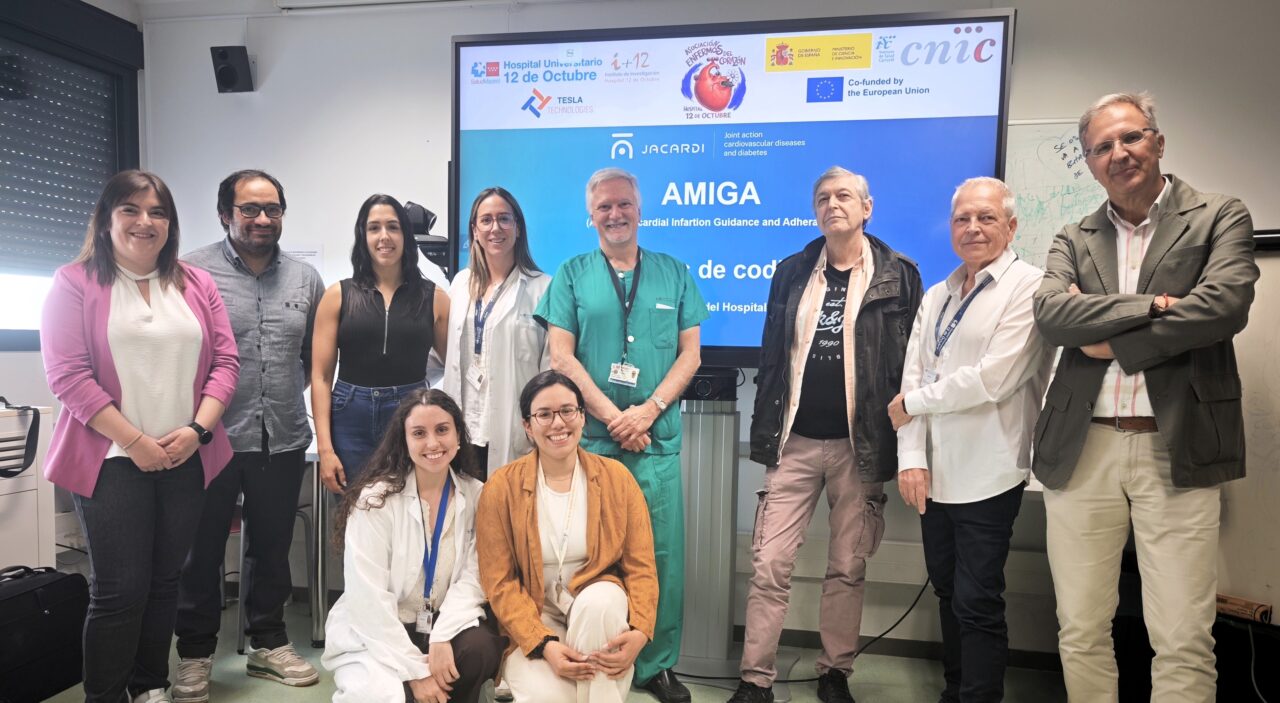
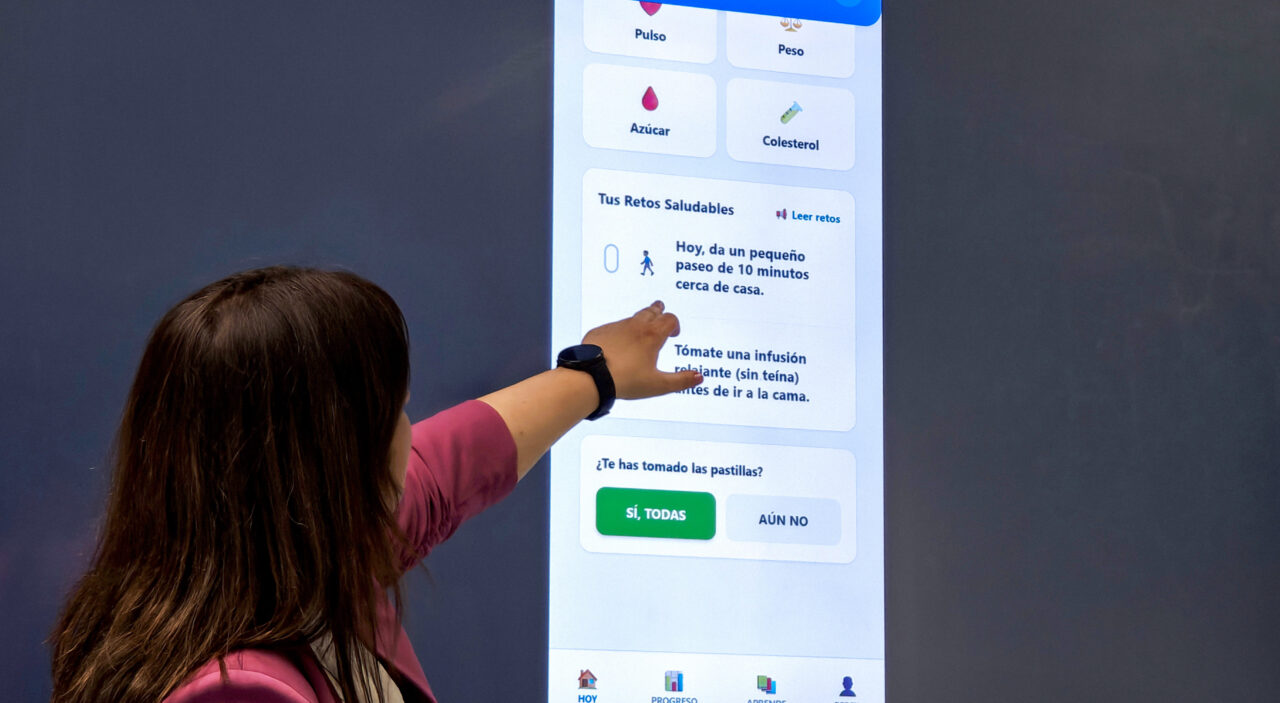
Through JACARDI´s AMIGA (Acute Myocardial Infarction Guidance and Adherence) pilot project, patients, clinicians, and researchers at Hospital 12 de Octubre in Madrid (Spain) and the Spanish National Centre for Cardiovascular Research (CNIC) are co-creating a mobile app to support life after a heart attack, turning uncertainty into guidance, and recovery into a shared journey.
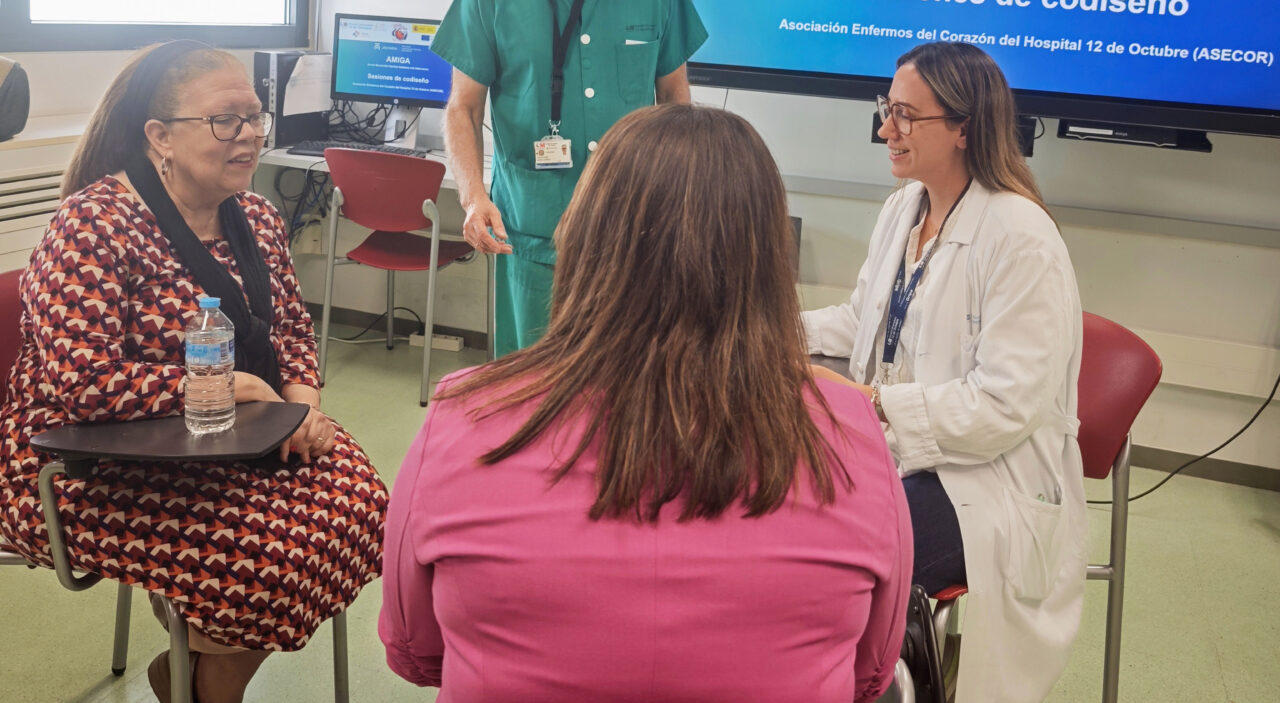
When María Eugenia left the hospital after her heart attack, she didn’t just carry a discharge report, she carried uncertainty. “This session felt timely and necessary for patients who leave the hospital feeling a bit lost or overwhelmed”, she says, speaking about one of the recent co-design sessions organised within the AMIGA pilot project at Hospital 12 de Octubre in Madrid (Spain).
AMIGA is part of JACARDI’s Work Package on patients’ self-management. Led by Hospital 12 de Octubre and the Spanish National Centre for Cardiovascular Research (CNIC), it focuses on improving self-management after a heart attack through a co-designed mobile application.
María Eugenia’s words capture a moment that many patients will recognize: the transition from hospital to home, when clinical care gives way to self-care and questions often outnumber answers. It is precisely in this vulnerable period where the project aims to make a difference.
The initiative is led by Dr Héctor Bueno, cardiologist and scientific director of the Cardiovascular Research Area at the i+12 Research Institute, Hospital Universitario 12 de Octubre, in Madrid; leader of the JACARDI working group on data availability and quality; and leader of a research group at CNIC.
A digital companion for life after a heart attack
The AMIGA pilot is developing a mobile application designed to support people recovering from a heart attack. Grounded in principles of positive psychology, the app aims to enhance therapeutic adherence and empower patients in their day-to-day self-care.
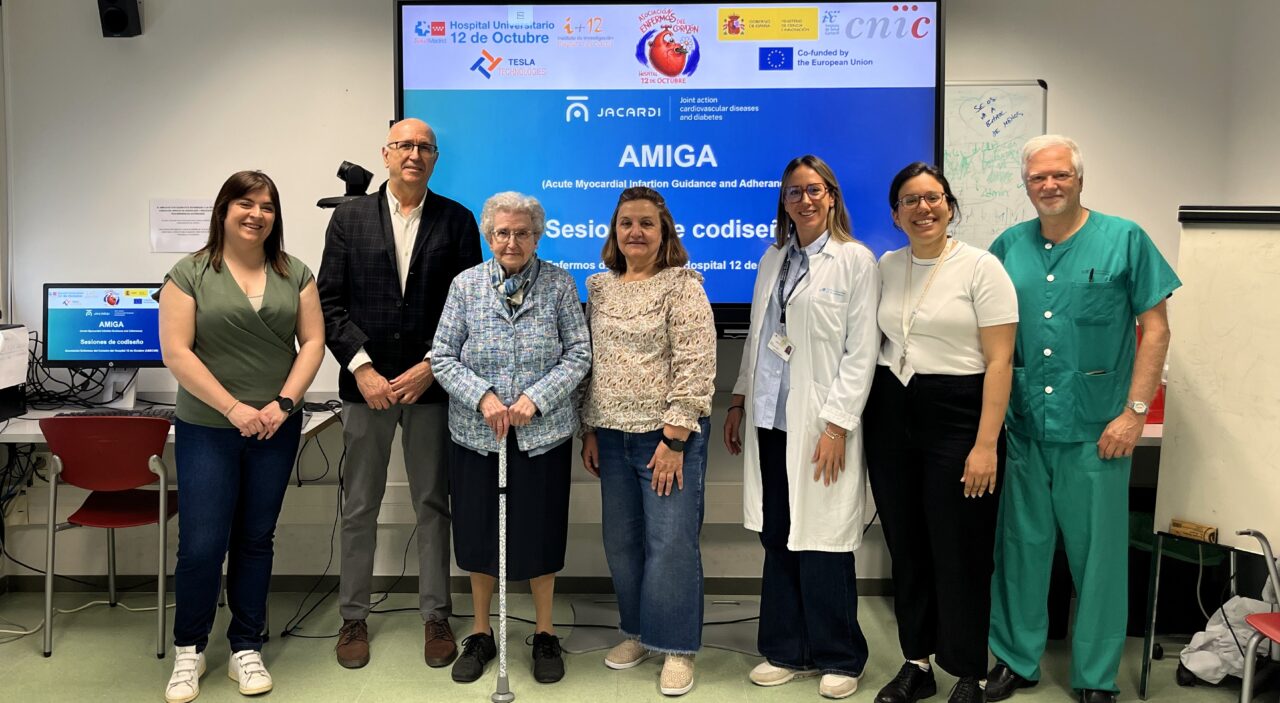
Fifteen participants, most aged between 70 and 75, took part in individual sessions simulating the real patient journey: from recruitment into the program to hands-on interaction with the app. Among them, one participant stood out as a powerful reflection of the project’s ambition: a 95-year-old woman who became one of its key advisors.
Behind this pilot lies a broader vision. Managing cardiovascular disease and diabetes depends not only on what happens inside hospitals, but largely on what patients are enabled to do in their everyday lives.
JACARDI’s Work Package on patients’ self-management focuses precisely on strengthening that capacity. Its pilot projects explore how patients can be better supported to adopt healthier lifestyles, monitor their symptoms, follow treatments correctly, and communicate more effectively with healthcare professionals, especially nurses, who play a vital role in this project. Equally important, they address something less visible but not less critical: how people cope with the emotional and practical challenges of living with a chronic condition.
When patients are equipped and confident to manage their health, outcomes improve, not only in terms of quality of life, but also through reduced avoidable complications and lower pressure on health systems.
Listening before building
These sessions were not only about testing technology; they were about understanding people, how they think, what they need and where they struggle. As Dr Bueno explains, this approach is not just desirable, it is essential:
“Many digital health solutions are developed without direct patient involvement, often resulting in low usage and adherence rates. In addition, given that the typical profile of these patients tends to be older, designing a digital tool that is accessible to individuals with potentially low digital literacy presents an additional challenge,” explains Dr Bueno.
The AMIGA project places patients at the centre of the design process, shaping everything from language and tone to usability and content.
Building together
The sessions were enriched by the involvement of ASECOR, the Association of Cardiac Patients at Hospital 12 de Octubre, bringing lived experience and a strong sense of community into the process.
As Antonio Sánchez, President of ASECOR, highlights, “it’s important not only to give visibility to these diseases, but also to raise awareness through the experiences of the patients participating in the project.” That perspective is grounded in long-standing collaboration with the hospital, which Carlos Quijorna, Treasurer of ASECOR, describes as “contributing our grain of sand.”
Ultimately, the value of the initiative lies in something deeply human: reducing the sense of isolation many patients feel after discharge. As Luis Álvarez, Secretary of ASECOR, puts it, “this application helps patients who, until now, often felt alone. With this, they feel more supported and can consult about their own condition.”
Co-design as a path to impact
These sessions are part of an ongoing process involving patients, caregivers, healthcare professionals, researchers, and technology experts. Each conversation, each piece of feedback, helps transform the app into something more than a digital tool, it becomes a reflection of real needs, real concerns, and real lives.
For the JACARDI pilot, this approach maximizes the likelihood of real-world impact. For participants, it offers something equally valuable: the chance to shape a solution that could improve the lives of future patients.
And for people like María Eugenia, it turns a moment of uncertainty into one of purpose.
From a European project to a permanent resource for citizens: how Cantabria is building a sustainable and inclusive health education model
How can a health education initiative continue to generate impact once a European project comes to an end? This is one of the key questions guiding the work carried out in Cantabria by the Nursing Research Group at IDIVAL as part of JACARDI.
The pilot project titled MOOCs to Improve CVD & Diabetes Literacy implemented within JACARDI’s work package on Integrated Care Pathways, aims to improve health literacy and self-care among people living with diabetes and cardiovascular diseases by offering free online courses. Designed for and with patients, the courses help participants better understand their conditions and take an active role in managing their health.
Through this project, the team has developed a free online course aimed at people living with diabetes and cardiovascular disease, designed to improve health literacy and promote self-care. The programme has now reached its fifth edition, engaged more than 150 participants, and more than 90% of those who complete the training consider it highly useful.
By strengthening patients’ knowledge, confidence and self-management skills, the initiative contributes to improving patient pathways in Cantabria, promoting a more informed and active participation in healthcare and supporting long-term disease management.
Building a course with patients, professionals and communities
However, the goal extends beyond the development of a digital educational resource. The project has focused on building a collaborative model involving expert patients, healthcare professionals, researchers, patient associations and the Cantabrian School of Health, with the aim of creating content that is more accessible, relevant and useful for the people it is intended to serve.
“Sustainability is not only about keeping a course active; it is about creating a stable, updatable resource that can continue reaching citizens through different channels,” explains Paula Parás, IDIVAL researcher and coordinator of the pilot programme.
The programme’s continuity is being developed in close collaboration with the Cantabrian School of Health, where the materials created through JACARDI are progressively being integrated into its regular activities to ensure their availability beyond the project’s duration. At the same time, the team is exploring ways for the course to be recommended by physicians and nurses as a complement to routine clinical care.
The courses are freely available online and can be accessed through an online platform.
Equity is another cornerstone of the initiative. To make the training accessible to diverse population groups, IDIVAL collaborates with organisations such as COCEMFE Cantabria, UNATE, Movimiento por la Paz, Fundación Secretariado Gitano, Plataforma Romanés and several adult education centres across the region.
“Chronic diseases require continuous care, and education is essential for helping people better understand their condition and adopt a culture of self-care,” says Mariló Damalia Pineda, Managing Director of COCEMFE Cantabria.
This pilot is closely linked to other JACARDI activities implemented by IDIVAL in Cantabria. Alongside this pilot, the institution is also developing another pilot within JACARDI’s work package on Health Literacy and Awareness, based on online courses for the general population focused on cardiovascular disease prevention, and third pilot as a part of the work package on ‘Patients’ self-management’, aimed at strengthening face-to-face health education workshops through the integration of scientific evidence.
Embedding JACARDI results into Cantabria’s health system
Although these initiatives target different audiences and pursue different objectives, they share a common sustainability strategy through the Cantabrian School of Health, which is part of the Cantabrian Health Service. This collaboration helps ensure that the resources, knowledge and methodologies generated through JACARDI can continue benefiting citizens beyond the lifetime of the project.
This integrated approach has attracted the attention of JACARDI’s European sustainability leaders, who recently visited Cantabria to learn how research, the healthcare system and community organisations are working together to transform project outcomes into long-lasting benefits for citizens.
Advancing cardiovascular prevention: regional results from the Italian Health Examination Survey – CUORE Project
Within JACARDI’s framework, the Italian Health Examination Survey (ITA-HES) – CUORE Project has delivered new regional results on major risk factors for non-communicable diseases. Implemented under Work Package 8, the pilot is being carried out in seven Italian regions and is coordinated by the Istituto Superiore di Sanità.
The initiative responds to the World Health Organization recommendation that Member States conduct health examination surveys every five years to monitor progress in prevention and control of non-communicable diseases, particularly cardiovascular diseases.
From data collection to regional action
Screening activities have been completed in four regions – Emilia-Romagna, Piedmont, Liguria and Lazio – and a dedicated report (for 2025) has been distributed to regional stakeholders in each territory.
The survey is based on direct health examinations of random samples of the adult population. It has a dual purpose:
- to strengthen surveillance of cardiovascular and metabolic risk factors through objective measurements;
- to provide population screening for early detection of risk conditions and promote health awareness at individual level.
Regional reports present key indicators recommended for monitoring non-communicable diseases, including:
- Blood pressure: levels, hypertension, awareness and treatment
- Lipid profile: total cholesterol, HDL, triglycerides, hypercholesterolemia, awareness and treatment
- Glycaemic status: blood glucose, diabetes prevalence, awareness and treatment
- Body mass index, obesity, overweight, normal weight, waist and hip circumference
- Nutrition habits based on 24-hour urine collection salt and potassium intake
- Physical activity: inactivity prevalence and daily steps
- Smoking habits: prevalence and cigarette consumption
- Overall absolute cardiovascular risk
Strengthening prevention and equity through evidence
Beyond estimating health indicators, the pilot assessed the impact of screening at individual level, including awareness of risk conditions and opportunities for health promotion. By combining surveillance and prevention, the ITA-HES – CUORE Project supports JACARDI’s objectives to reduce the burden of cardiovascular diseases and diabetes, promote early detection, and improve equity in access to preventive services.
The experience from these four regions demonstrates the feasibility and added value of systematic health examination surveys at regional level. The next steps include completion of activities in the remaining regions and continued collaboration with regional stakeholders to translate findings into targeted prevention policies and actions.
What the results reveal
The analysis of the data collected in the four regions highlights a substantial burden of modifiable cardiovascular risk factors in the adult population, together with important gaps in awareness and treatment. Across regions, elevated blood pressure, high total cholesterol and altered glycaemic status were frequently identified through direct measurements, and a proportion of individuals with these conditions were not aware of their risk status or were not receiving treatment.
In the Piedmont region, 40% of men and 24% of women with hypertension (systolic blood pressure >=140 mmHg and/or diastolic blood pressure >=90 mmHg and/or under specific treatment) were unaware of possible blood pressure problems, and 10% of men and 8% of women who were aware were not receiving treatment.
The results also show relevant levels of overweight and obesity based on body mass index and waist circumference, as well as non-optimal salt intake measured through 24-hour urine collection. In the Emilia-Romagna region, 79% of men and 69% of women were overweight or obese, and more than half of the population consumed more salt than recommended.
In addition, physical inactivity and current smoking remain present in a significant share of the population. Compared to data collected approximately 15 years ago, a common trend in all four regions examined shows a significant reduction in hypercholesterolemia. High cholesterol was defined as having total cholesterol levels of 240 mg/dl or higher, or taking medication to treat it. Overall, the results of main health indicators underline the need for strengthened primary prevention, early detection and targeted health promotion strategies at both national and regional level, in line with JACARDI’s objectives.
Access available results from all regions here.
Strengthening European Health: JACARDI at the JARED Consortium Day
The Joint Action on REspiratory Diseases (JARED) is a major European initiative dedicated to reducing the burden of chronic respiratory diseases through improved prevention, early detection, and integrated care models across the EU. Since chronic conditions like respiratory diseases, diabetes, and cardiovascular issues often share common risk factors, building strategic synergies between Joint Actions is essential to create a unified, high-impact approach to public health and societal prosperity.
In this context, JACARDI contributes to these goals by strengthening prevention and management strategies for cardiovascular diseases and diabetes across Europe within a single framework. By promoting health promotion, reinforcing screening, integrated care pathways and self-management, together with labour participation and improved data governance, JACARDI reinforces a cross-disease, system-based approach that complements JARED’s goals.
Addressing shared risk factors — such as tobacco use, unhealthy diets, physical inactivity, environmental exposures, and social determinants of health — allows both Joint Actions to amplify their impact beyond single disease areas and move toward a more cohesive NCD strategy at EU level.
Building synergies across European public health initiatives
The event program featured a high-level opening with remarks from the WHO and the European Respiratory Society (ERS), followed by a deep dive into JARED’s first-year achievements in indoor air quality, patient pathways, and reaching vulnerable populations. A dedicated session on Strategic Synergies brought together coordinators from various European projects to discuss how to align our efforts for maximum impact.
During this session, Benedetta Armocida, Coordinator of JACARDI presented on building synergies for impact between JACARDI, JARED, and JA PreventNCD, focusing on how coordinated intervention strategies can drive broader societal prosperity. Together, we are ensuring that European health interventions are not just individual projects, but a cohesive movement toward a healthier future.
Three JACARDI pilots showcased at the 45th French Hypertension Days
At the 45th French Hypertension Days in Marseille in December 2025, the French Public Health Agency (Santé publique France) hosted a special session to showcase three innovative JACARDI pilot projects addressing hypertension.
This annual congress, organized by the French Society of Hypertension, brings together more than 500 healthcare professionals from French-speaking countries to share advances in hypertension management.
Session Highlights
The session opened with Dr. Clémence Grave, who presented key French epidemiological insights:
- Hypertension affects over 17 million French adults
- It accounts for nearly 9% of all deaths, yet 1 in 2 adults with hypertension remain unaware of their condition.
To bridge the gap between these alarming statistics and clinical practice, Dr. Grégory Lailler introduced the three main interventions within JACARDI, implemented in the framework of hypertension prevention and health promotion:
- Tension’Elles: A targeted intervention in maternity clinics to raise awareness among women who experienced hypertensive disorders during pregnancy about their future cardiovascular risk, while supporting healthier lifestyle changes. This intervention pilot introduces an innovative care pathway that improves follow-up for women and enhances coordination between hospitals and community care. By identifying risks early, it ensures a seamless transition for women, connecting them with community-health professionals to manage their long-term cardiovascular health and boost the health literacy in these populations.
- TAC (Tension Artérielle – les Chiffres): A public communication campaign to increase awareness of blood pressure numbers and hypertension thresholds, piloted in four high-prevalence French areas.
- TA Tension: A pharmacy-based screening program to identify undiagnosed or uncontrolled hypertension, with loaned self-measurement devices to confirm diagnoses. Leveraging the strategic role of pharmacists as accessible, frontline healthcare providers, this program decentralizes screening. It transforms local pharmacies into key diagnostic hubs, providing patients with low-threshold access to professional medical devices and expert guidance right in their neighborhoods.
Dr. Olivier Obrecht concluded by outlining the National Health Insurance’s nationwide strategies to combat hypertension:
- free self-measurement devices for all newly practicing general practitioners, ensuring better access to diagnostic tools;
- a nationwide awareness campaign to improve hypertension screening rates;
- a newsletter reaching nearly 30 million insured individuals, promoting prevention and early detection;
- an action plan against therapeutic inertia, assessing the effectiveness of antihypertensive treatments after prescription to optimize patient care.
Impact and Outcomes
The session generated strong interest from all healthcare professionals, especially regarding the implementation of new strategies at a national level to tackle the burden of hypertension. It fostered the following:
- Collaboration: a platform for professionals to exchange ideas and refine interventions with national and local stakeholders.
- Network expansion: opportunities to engage with new partners in the JACARDI project and align efforts across France.
The session offered a pivotal moment to unify stakeholders and strengthen collective action against hypertension.
Contributors:
In addition to the main author listed above, this article was prepared with contributions from Santé publique France:
Grégory Lailler, Clémence Grave, Diane Gozlan, Mounia El Yamani, Salima Afiri, Morgane Merat, Andrea Guajardo Villar
Croí’s Healthy Hearts Club: empowering patients in heart disease self-management
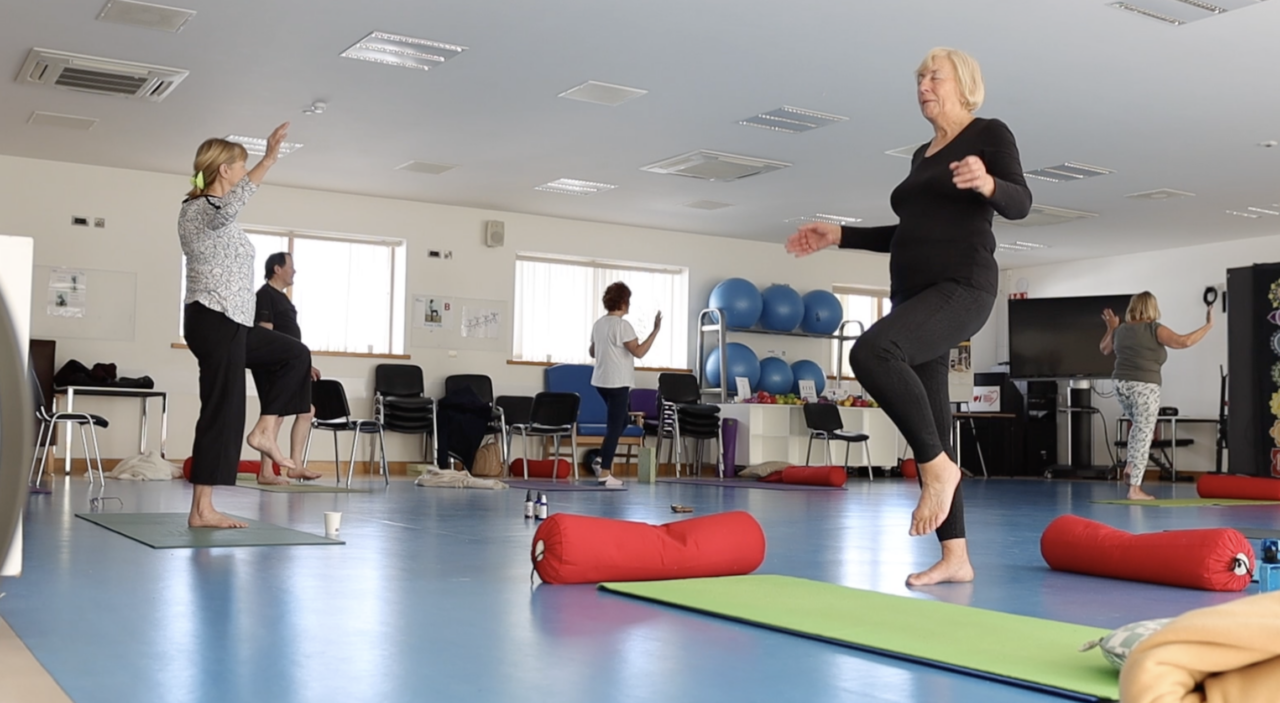
Croí, the heart and stroke charity based in the west of Ireland, is leading one of Ireland’s pilot projects as part of JACARDI. This pilot, called the Healthy Hearts Club, focuses on patient self-management for those recovering from heart events, such as heart attacks. It aims to help individuals manage long-term health risks like high blood pressure and low physical activity. This project builds on Croí’s experience in heart disease prevention and rehabilitation and provides a crucial support system to patients after their initial cardiac rehabilitation.
A Sustainable Model for Long-Term Health
Cardiovascular disease remains the leading cause of death worldwide, and many patients face challenges in maintaining the positive changes achieved during rehabilitation. The Healthy Hearts Club offers a community-based model to help patients continue managing their heart health after formal rehabilitation ends.
“Cardiac rehabilitation is life-saving, but sustaining those changes is key to long-term health,” says Dr. Susan Connolly, Consultant Cardiologist at University Hospital Galway, who is a co-investigator on the project. “The Healthy Hearts Club provides ongoing support and helps patients stay on track with their health goals.”
The programme involves up to 160 patients, all of whom have completed cardiac rehabilitation through the through the Irish health service in Galway. Participants engage in six months of support, including regular nurse check-ins and group workshops on exercise, nutrition, emotional wellbeing, and heart disease risk factors. This ongoing support aims to help participants integrate these healthy habits into their daily lives.

Supporting Long-Term Change through Personalised Care
The Healthy Hearts Club emphasizes peer support, personalized care, and group activities tailored to the participants’ needs. By joining the programme soon after rehabilitation, patients are given the tools to continue the progress they’ve made, ensuring sustainable change over the long term.
“We believe that empowering people with the knowledge and tools to manage their health is essential for sustainable, person-centered care,” says Dr. Lisa Hynes, Head of Health Programmes at Croí. “This initiative aligns perfectly with our commitment to delivering innovative prevention and self-management programmes.”
In addition to in-person support, Croí will explore the use of digital health tools to further enhance the programme. Building on the success of Croí’s previous online self-management programme, the Healthy Hearts Club will assess how digital solutions can support long-term heart health.
A European Approach to Heart Disease Prevention
One of JACARDI’s goals is to integrate best practices across the entire patient journey—from screening and self-management to integrated care and workforce reintegration. The Healthy Hearts Club is a key component of this effort, with the programme’s evaluation aiming to develop scalable models for improving heart disease management across Europe.
“We’re excited to see how this project evolves and contributes to the broader European conversation on heart health,” says Dr. Connolly. “The insights we gain will help improve the long-term care and outcomes for patients.”
A Collaborative Effort for a Healthier Future
Croí’s leadership in the Healthy Hearts Club is part of the wider JACARDI programme, which connects Irish experts with a pan-European network of professionals working to reduce the burden of cardiovascular disease and diabetes. Dr. Hynes adds, “This collaboration with the HSE and European partners is a unique opportunity to learn from each other and translate research into real-world improvements in care.”