Building stronger prevention systems in Ukraine: insights from the Kyiv JACARDI meeting
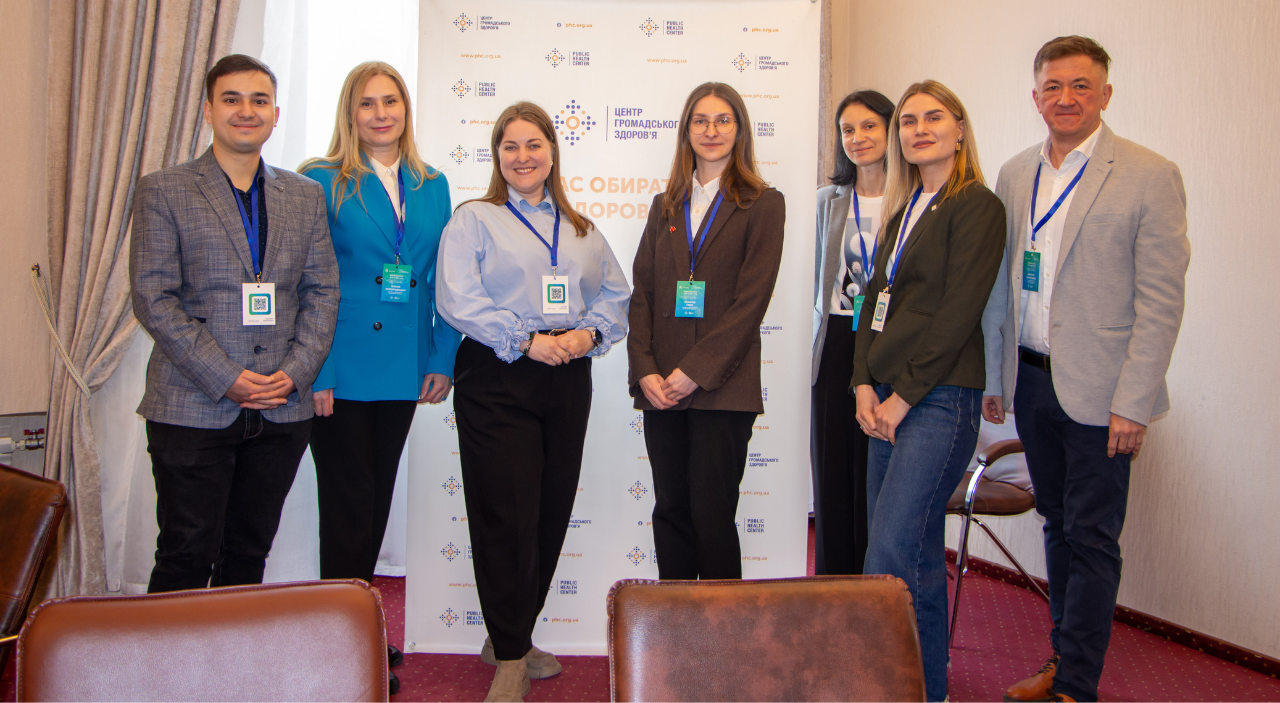
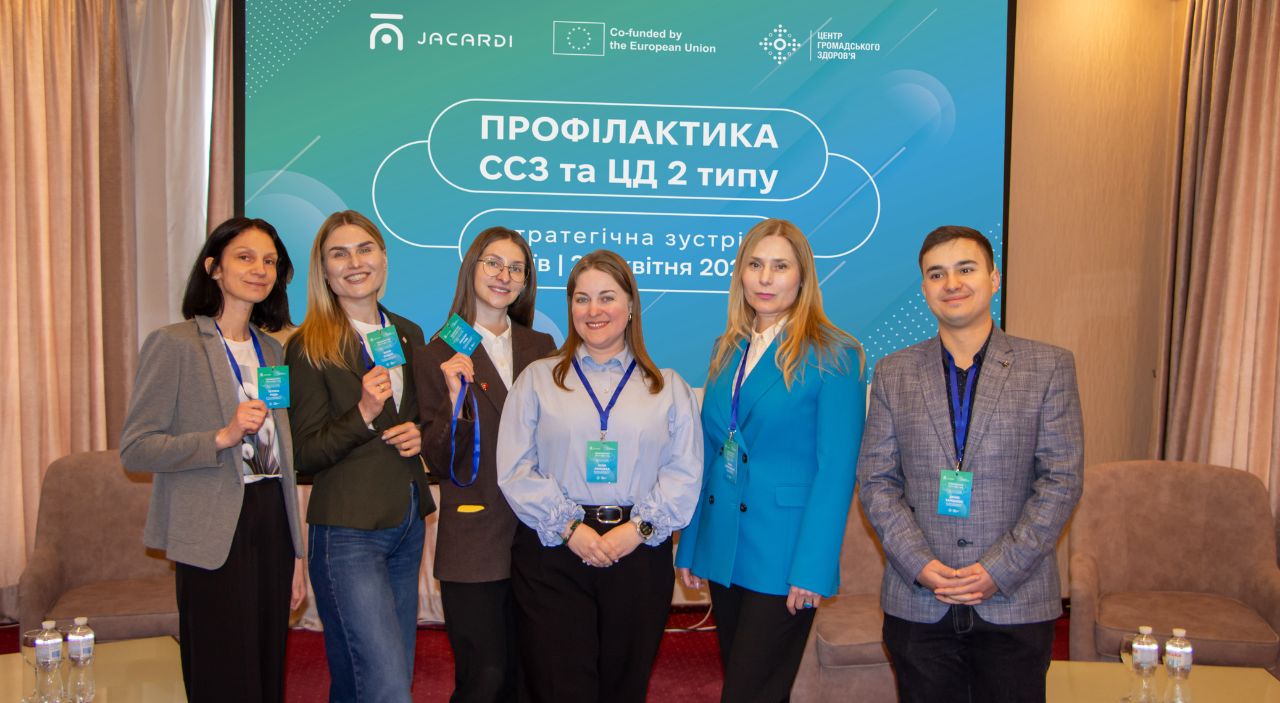
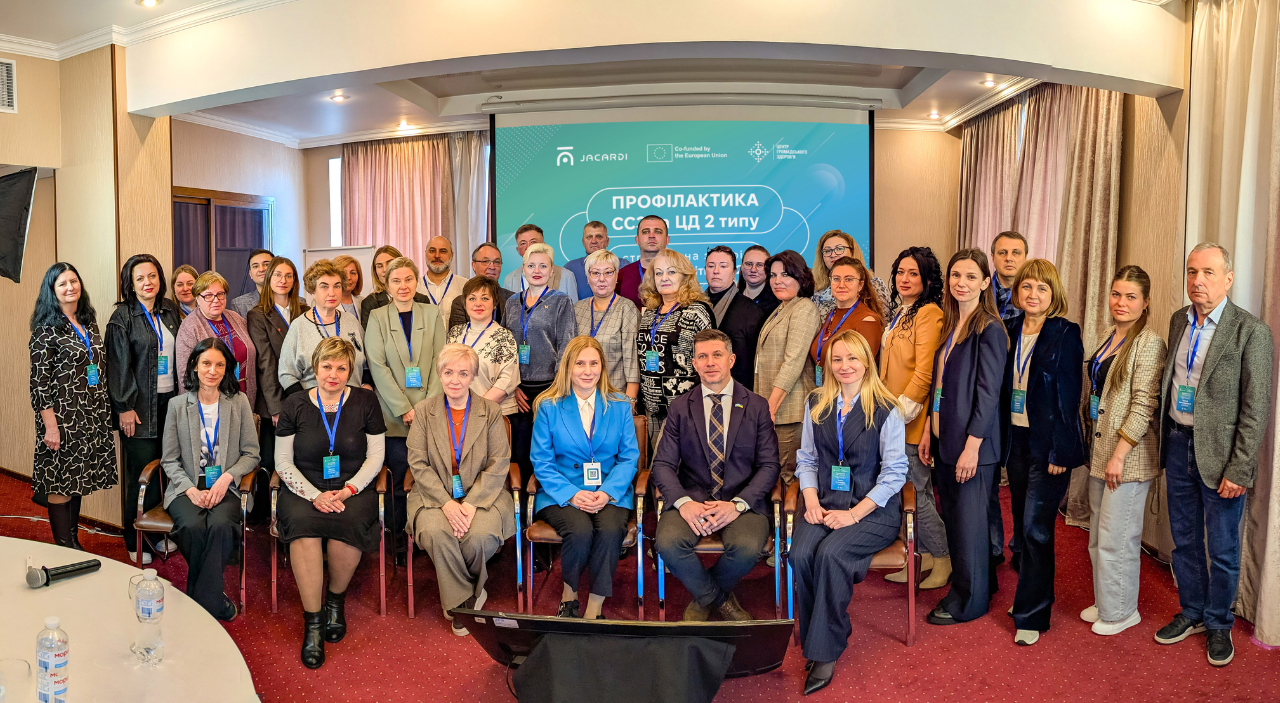
A strategic meeting on implementing effective models for the prevention of cardiovascular diseases and type 2 diabetes was held in Kyiv, Ukraine, organized by the Public Health Center of the Ministry of Health of Ukraine within the framework of JACARDI. The event brought together representatives from the Ministry of Health of Ukraine, the WHO Country Office in Ukraine, and regional centers for disease control and prevention. The main goal of the meeting was to strengthen collaboration in public health, exchange experiences, and integrate European best practices into the prevention of non-communicable diseases (NCDs).
Early identification of risk factors, modern community-level screening models, and international experience in prevention programs were at the forefront of discussions, with special attention on the Safe Hearts Plan. Behavioural risk factors and their impact on premature mortality and population health loss were also high on the agenda.
“Non-communicable diseases often remain ‘invisible’ — their consequences do not appear immediately. At the same time, it is important to understand that prevention is far cheaper than treatment, and healthy nutrition and physical activity are not about trends but primarily about preserving health,” said Tetiana Skapa, Director of the Public Health Department of the Ministry of Health of Ukraine.
What JACARDI pilot studies reveal about prevention and care
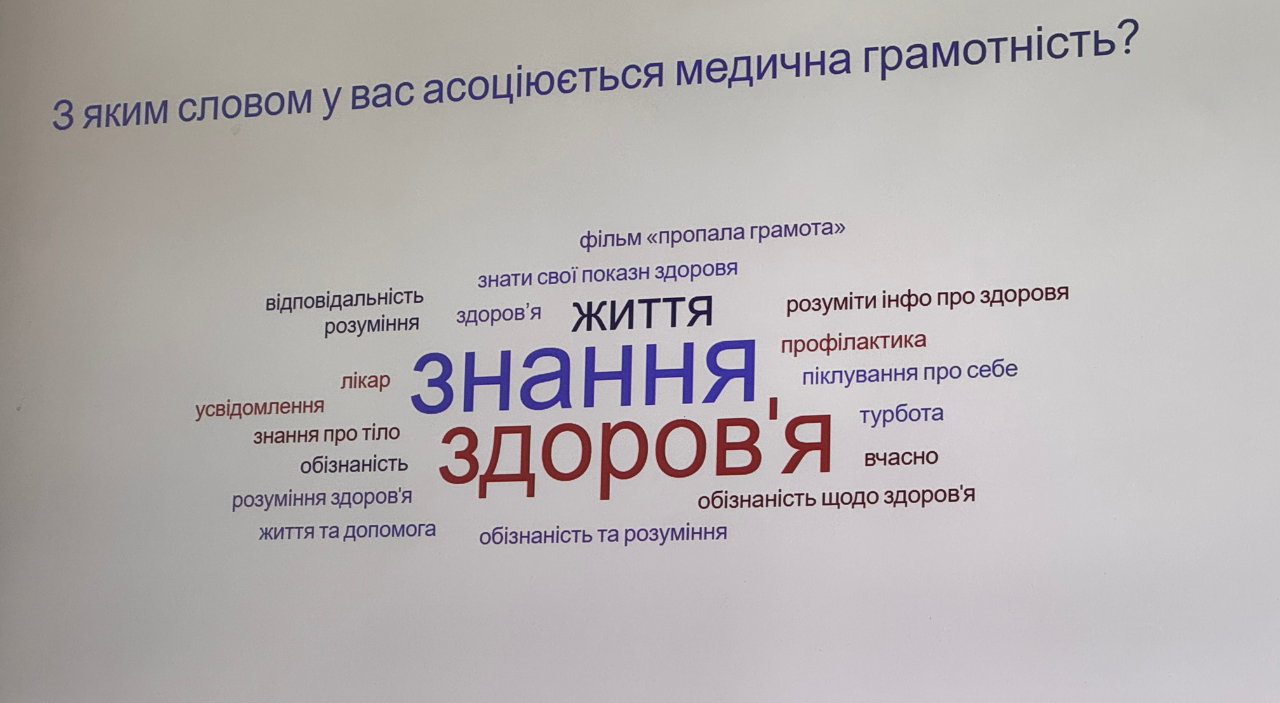
The meeting also included discussion of the main findings from a study on health literacy regarding self-monitoring of arterial hypertension. The study was conducted using the Ophelia (Optimising Health Literacy and Access) process, a co-design approach for developing health literacy actions that is applied across 24 pilot projects within JACARDI’s work package on health literacy. The findings of the study confirmed that health literacy is a key factor in the effective prevention and self-management of high blood pressure, influencing adherence to treatment and regular monitoring. The study also highlighted practical opportunities for improvement, including clearer patient communication, better access to blood pressure monitoring in community settings, stronger patient education and peer support, and more coordinated healthcare delivery.
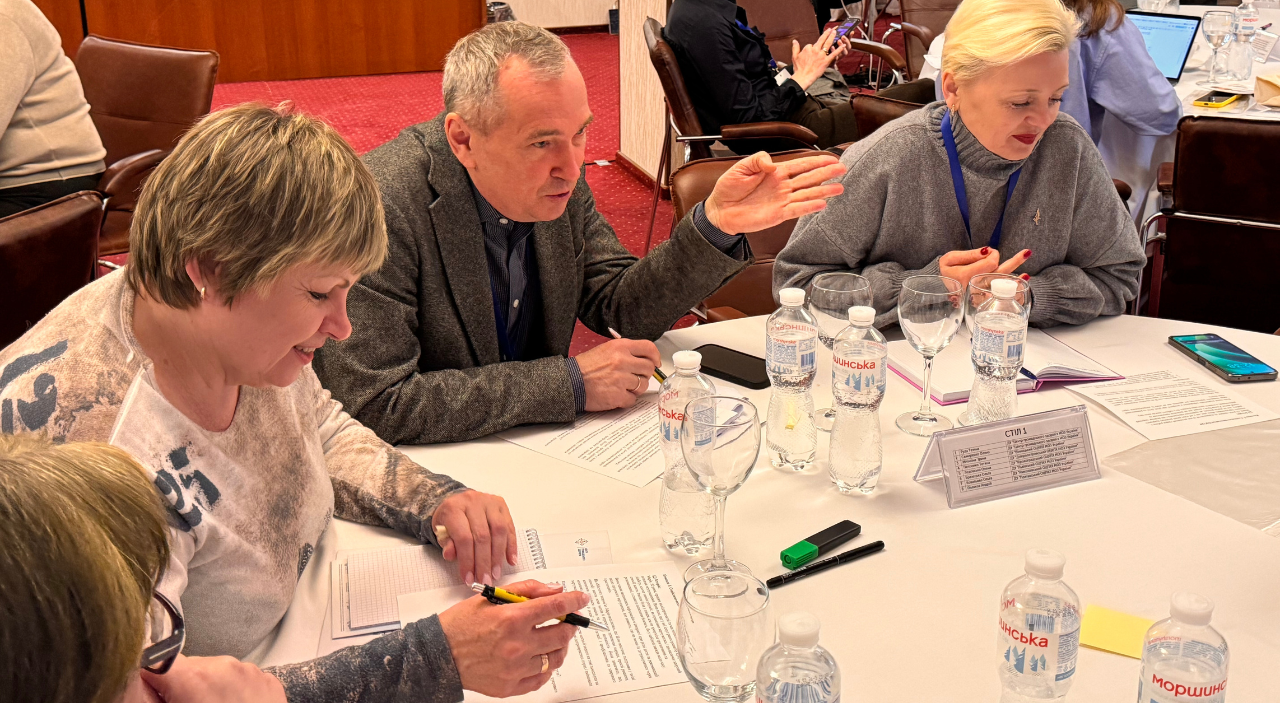
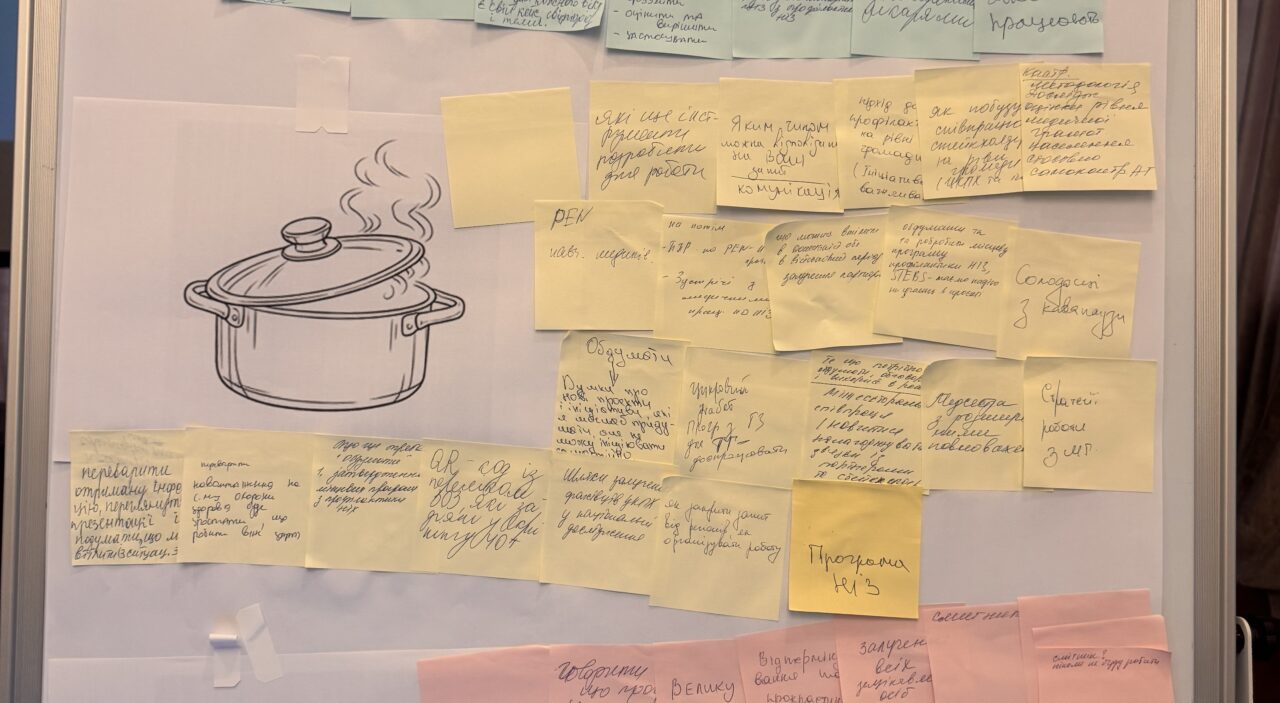
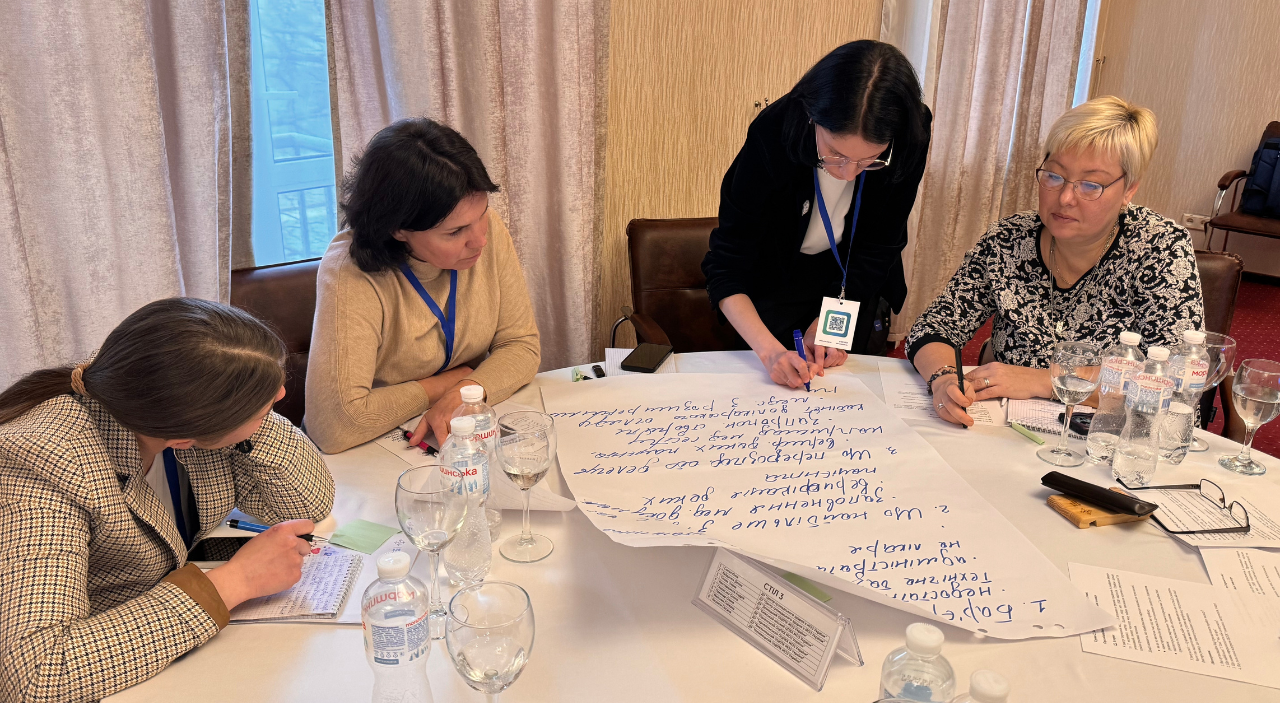
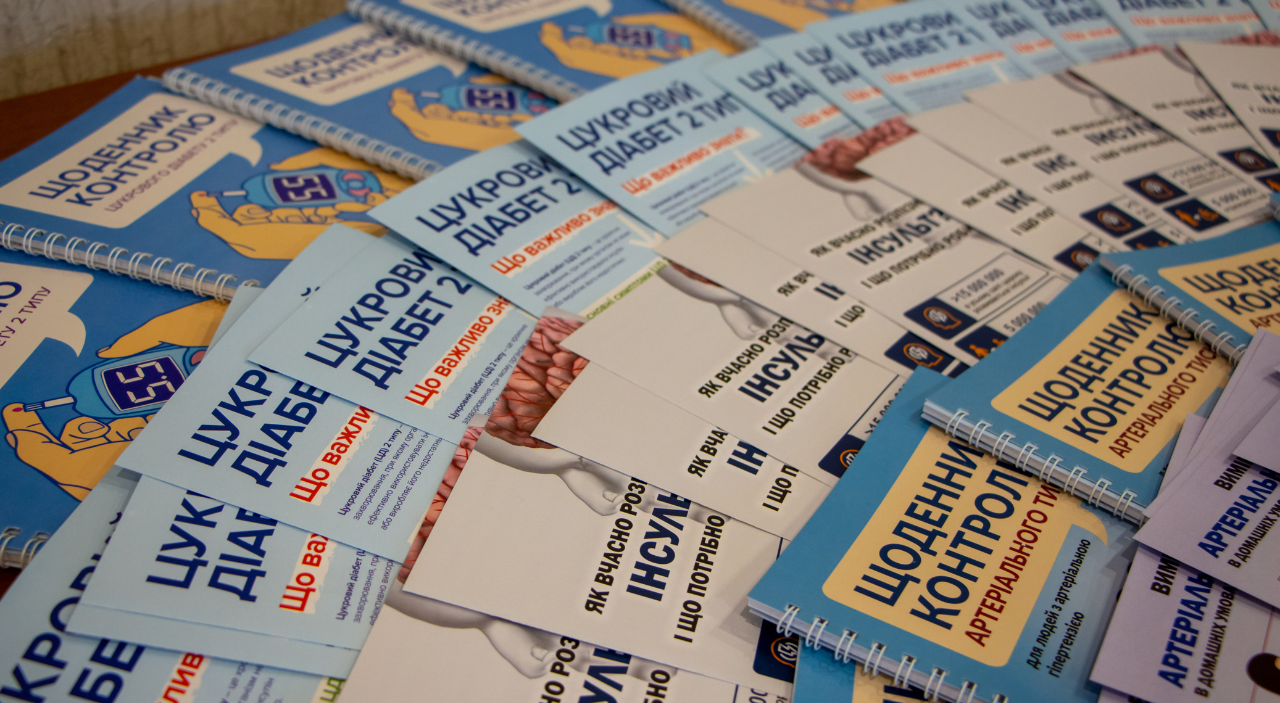
Results from another JACARDI pilot project exploring the barriers to prevention and screening for type 2 diabetes were presented. The study found that while primary care is trusted and access to diagnosis and medications is generally good, key barriers persist, including limited access to diagnostics, high administrative burden, short consultation times, and low patient awareness and motivation for prevention, alongside contextual challenges related to war, such as stress and disruption of care. Lifestyle change remains the greatest challenge for patients, and structured education and support programmes are largely absent. Overall, the findings highlight the need to strengthen prevention, improve access to essential diagnostics, and expand patient and professional education.
“Participation in the JACARDI project allows Ukraine to align with European best practices in cardiovascular disease and diabetes prevention and provides a strategic framework that guides our local prevention efforts, supports early detection, and helps us implement evidence-based interventions tailored to the Ukrainian context, particularly in the challenging conditions of war,” said Nataliia Hryb, Specialist in Non-communicable Disease Prevention at the Public Health Center of the Ministry of Health of Ukraine and pilot lead from the Ukrainian team.
Importance of a systemic prevention approach
Participants emphasized the importance of a comprehensive approach to NCD prevention, including improving health literacy and implementing screening programs. The national “Health Screening 40+” program, which provides basic examinations for early detection of cardiovascular diseases, diabetes, and mental health issues, was also discussed.
“Behavioral risk factors remain the key determinants of premature mortality and health loss in Ukraine,” noted Dmytro Shushpanov, Head of the Department of Demographic Modeling and Forecasting at the M. Ptukha Institute for Demography and Social Research, NAS of Ukraine. “At the same time, significant territorial disparities persist, especially in rural areas, which requires strengthening preventive measures and adapting programs to local conditions.”
Next steps and further collaboration
Following the meeting, participants outlined the key directions for future work: strengthening and supporting community-based prevention programs, developing screening initiatives, and increasing public health literacy. The strategic meeting provided an important platform for reinforcing partnerships between state institutions, regional centers for disease control and prevention, and international organizations.
From pilots to policy: highlights from the Irish JACARDI Heart Health Symposium
The Irish JACARDI Heart Health Symposium took place on 13 February at University College Dublin, bringing together clinicians, researchers, policymakers and programme leads from across Europe. The day showcased the strength of collaboration under JACARDI and the practical progress being made in cardiovascular and diabetes prevention.
The symposium opened with a welcome from Ireland’s Minister for Health, Jennifer Carroll MacNeill, setting the tone of innovation and equity in cardiovascular and diabetes prevention. Dr Benedetta Armocida, Coordinator of JACARDI, provided an overview of JACARDI’s objectives, highlighting the Joint Action’s commitment to shared learning and scalable implementation across Member States.
The spotlight then turned to the pilots – the core of JACARDI. Six pilots from Ireland, Finland, Belgium, Hungary and Ukraine presented their work, with a particular focus on cardiovascular screening and patient self-management.
Pilot presentations: progress across Europe
- Ireland:
- STOP‑CVD (HSE): Katie Ellwood and Pooja Salgar outlined progress using natriuretic peptide screening to support risk stratification in primary care.
- Healthy Heart Clubs (Croí Heart & Stroke Charity): Lisa Hynes highlighted the importance of structured rehabilitation and long‑term self‑management after cardiac events.
- Finland: Mia Färm (Finnish Diabetes Association) presented the Finnish Risk Calculator, supporting early identification and timely lifestyle intervention.
- Belgium: William Leysen (Diabetes Liga) shared preliminary results from the Halt2Diabetes studies, demonstrating the value of coordinated community‑level screening.
- Hungary: Gréta Máto (OKFŐ) discussed the role of advanced nurse practitioners in strengthening cardiovascular and diabetes screening in primary care.
- Ukraine: Nataliia Hryb (Public Health Centre Ukraine) discussed how they are delivering type 2 diabetes screening in challenging circumstances, underscoring resilience and commitment to patient care.
Across all pilots, a clear message emerged: prevention must be systematic, data-informed and patient-centred.

Women and cardiovascular health: advancing equity
The mid-morning session turned the focus on women with cardiovascular disease (CVD), a key pillar of JACARDI’s commitment to equity and diversity in cardiovascular and diabetes care. The session featured a keynote from JACARDI’s own Dr Héctor Bueno, Co-Leader on the Work Package on Data, who delivered a powerful message: “women are not small men”. His presentation emphasised the need to recognise sex-specific differences in disease presentation, diagnosis, and management.

This was further explored by Dr Mary Ryder, Associate Professor of General Nursing, and Prof. Amy O’Higgins, Consultant Obstetrician at The Coombe Hospital, offering complementary perspectives. Dr Ryder discussed the importance of addressing social determinants of health in cardiovascular prevention, while Prof O’Higgins focused on optimising cardiovascular health during pregnancy, a critical window for long‑term outcomes.
The session was rounded out by a patient story, providing a personal perspective on living with CVD. Her experiences reinforced the human impact behind the statistics and research, leaving a lasting impression on all attendees.
Diabetes and cardiovascular health
The afternoon session turned to diabetes, reflecting its deep interconnection with cardiovascular disease. Dr James (Jim) Januzzi from Harvard Medical School delivered a keynote on heart failure risk across the spectrum of dysglycaemia, stressing the need for integrated approaches. Dr Lisa Devine outlined the successes of Ireland’s Chronic Disease Management Programme, demonstrating how structured, national-level programmes can support early detection, patient engagement, and improved outcomes.
Finally, Prof. Sean Dinneen discussed progress toward a National Diabetes Registry in Ireland, reinforcing the importance of robust data to ensure interventions reach those who need them most, and highlighted the synergies brought about by projects such as JACARDI.
People at the heart of prevention
One of the strongest impressions from the day was how much can be achieved when expertise, curiosity, and compassion are translated into structured action. The symposium wasn’t just about data, tools, or programmes. It was about people: the teams working on the ground across Europe translating strategy into practice, the patients whose stories remind us why these efforts matter, and the exchange of knowledge among colleagues united in a common purpose.
The symposium left attendees not only informed but inspired. It reaffirmed the importance of integrated, patient-centred approaches for a healthier and stronger Europe.