No one can build this bridge alone: JACARDI strengthens the science–policy interface
How can data and evidence generated by a project reach policymakers and influence real-world decisions? And what enables a successful pilot intervention to become part of health systems, rather than remaining an isolated “island of excellence”? Generating robust evidence is only one step. To achieve lasting public health impact, project results must be understood, communicated and translated into solutions that respond to policy priorities, engage the relevant stakeholders and can be integrated into existing systems.
JACARDI is addressing this challenge through a consortium-wide science-to-policy capacity-building programme: 46 consortium members have been trained as trainers, who are expected to train up to 412 participants in national training sessions across 18 European countries.
As part of this wider initiative, a two-day science-to-policy training took place on 14-15 July at the Italian National Institute of Health (ISS), involving 35 Italian pilot teams within the JACARDI consortium. The training was developed at consortium level under JACARDI’s work package on sustainability and aimed at strengthening participants’ capacity to transform the knowledge generated through their pilots into evidence that can inform policies, institutional decisions and future public health action.
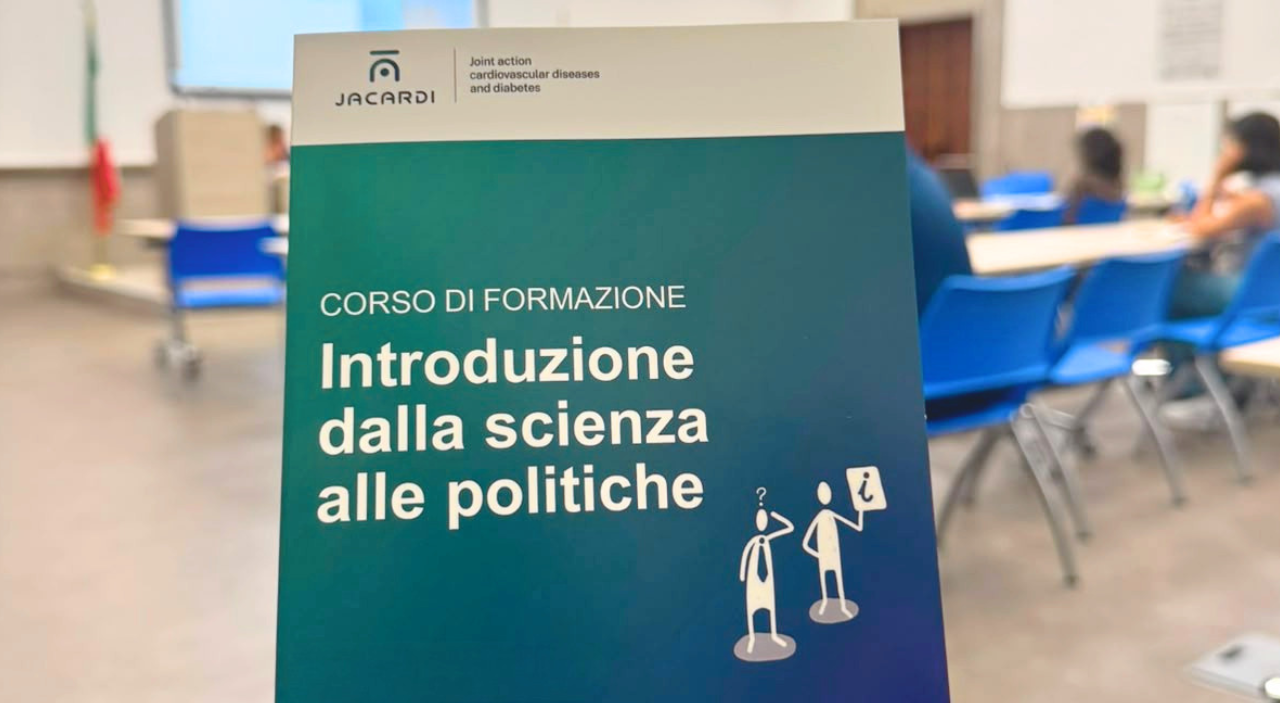
Grounded in JRC’s Evidence for Policy Programme, driven by collaboration and trust
“I believe that science-to-policy is the responsibility to ensure that the best available evidence contributes to improving decisions, systems, and, ultimately, people’s lives.” said Benedetta Armocida, JACARDI’s Coordinator. “This requires expertise, of course. But above all, it requires courage, collaboration, and mutual trust. No one can build this bridge alone.”
The training was grounded in the approach of the European Commission’s Joint Research Centre (JRC) Evidence for Policy Programme, designed to enhance the capacity to bridge the gap between science and policymaking. Within JACARDI, this bridge is particularly important: the Joint Action is implementing a wide range of pilot interventions to improve the prevention and management of cardiovascular diseases and diabetes across Europe, but their long-term value will depend on whether effective approaches can be sustained, transferred and embedded within health policies and services.
Turning scientific results into policy-relevant messages
Participants worked on communicating evidence and project results to policymakers and institutional stakeholders in a clear, targeted and actionable way. Rather than simply presenting data, they learned how to identify the most policy-relevant findings, understand the needs and priorities of different audiences and formulate messages that can support concrete decisions.
The training therefore addressed a central challenge at the science–policy interface: the same evidence may need to be communicated differently depending on whether the audience includes technical experts, health authorities, institutional leaders, patient representatives or political decision-makers. Participants explored how to select the appropriate messages, formats, channels and moments for engaging each audience.
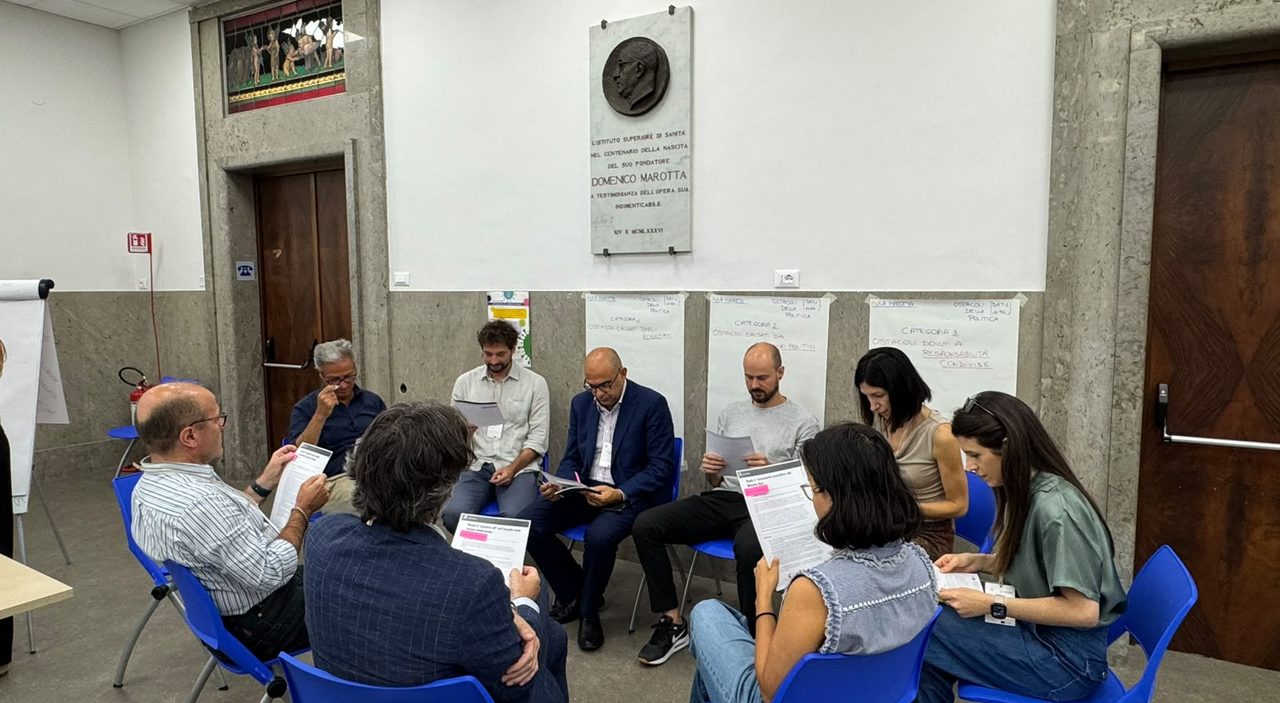
Beyond technical communication skills, the course also provided participants with a deeper understanding of policymaking processes and the interaction between scientists, stakeholders, policymakers, and politicians. Particular attention was given to the role of evidence in decision-making and to the factors that influence the uptake of scientific results in policy contexts. This involved looking beyond the production of scientific evidence to consider the broader environment in which decisions are made, including institutional priorities, available resources, stakeholder interests, political feasibility and opportunities for change.
An interactive training based on real pilot cases
In addition, the training supported the development of Sustainability Action Plans of pilot projects, including stakeholder consultation processes and consensus-building activities. These tailored plans will help each pilot team identify the actors to involve, the evidence to communicate and the actions needed to preserve, integrate or scale up the most valuable elements of their work beyond the end of JACARDI.
The training was delivered in person over two days through an interactive format combining brief lectures, practical exercises, skills-based sessions, simulations, and role-play activities based on real pilot cases. It was conducted by three pairs of trainers, who were previously trained by two experts from the JRC, following a train-the-trainers approach. This model does more than transfer knowledge: it builds capacity within the JACARDI consortium, enabling the methods and skills acquired to be shared, adapted and applied across countries and future initiatives.
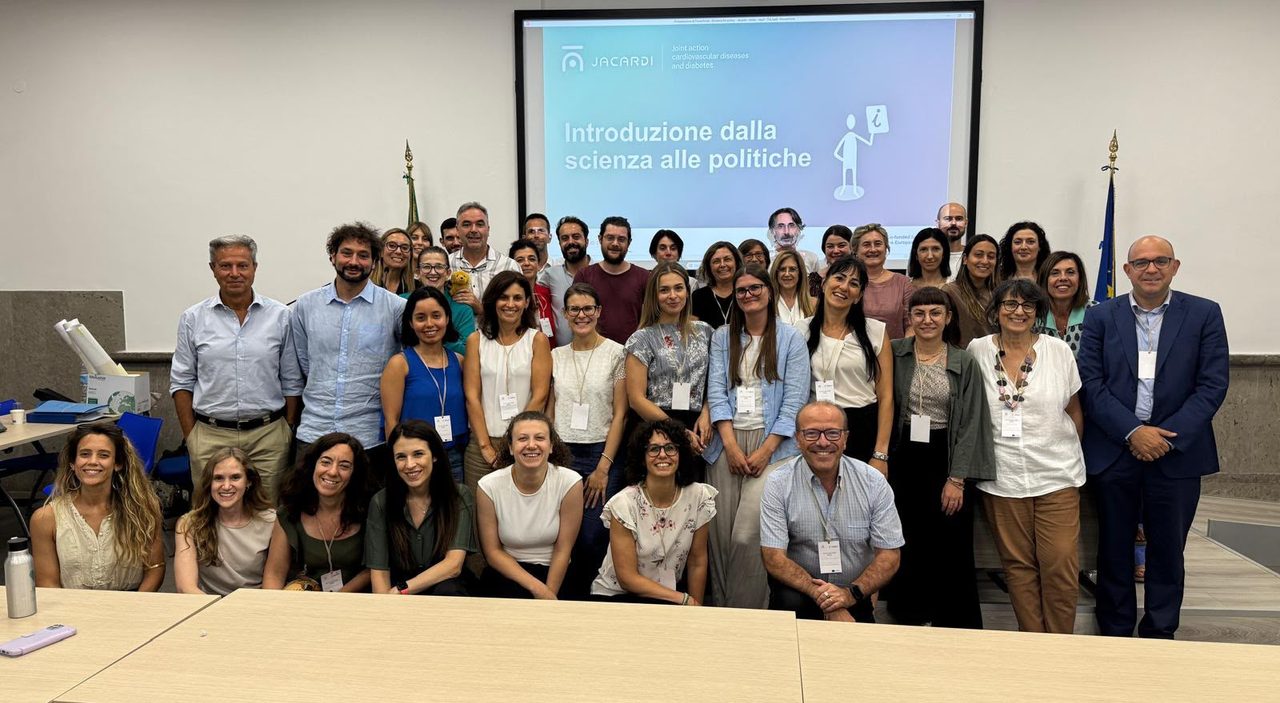
The interactive sessions allowed participants to apply the concepts directly to their work, making the training strongly practice-oriented and closely connected to the implementation challenges faced by pilot teams. Participants did not work on abstract scenarios, but on the actual evidence, stakeholders and sustainability challenges emerging from their interventions.
Building capacity that lasts beyond the project
A pilot cannot be considered fully successful solely because it produces positive results during its implementation. Its added value also lies in its capacity to inform broader change: improving existing services, influencing institutional practices, guiding resource allocation or contributing to new policies.
This capacity-building activity is expected to generate value beyond the immediate scope of JACARDI. The skills, tools and methodologies acquired will not only support the implementation and sustainability of the current pilot activities, but will also be transferable to future initiatives. By strengthening participants’ ability to work at the science-policy interface, the training contributes to building lasting institutional expertise that can continue to support evidence-informed public health decisions after the conclusion of the Joint Action.
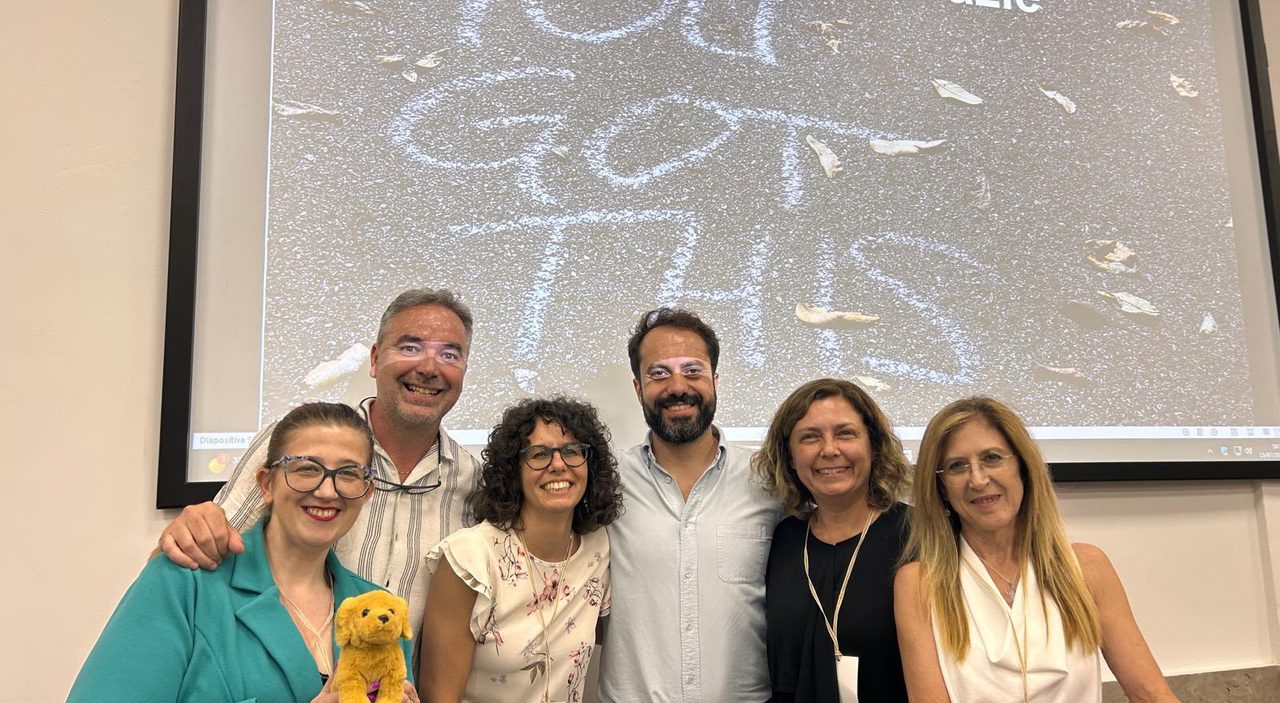
Through this initiative, JACARDI is investing not only in the results of individual pilots across Europe, but also in the people, relationships and institutional capacities needed to turn evidence into action. The ultimate objective is to ensure that effective interventions do not remain isolated experiences, but contribute to more sustainable, transferable and equitable health policies and practices at both national and European levels.
Related resources:
Shaping the EU Safe Hearts Plan: JACARDI joins high-level dialogue on regional and local perspectives
During a high-level discussion bringing together EU and regional stakeholders, JACARDI Coordinator Benedetta Armocida highlighted how coordinated European action can bridge research, policy, and implementation in advancing the EU Safe Hearts Plan. The meeting aimed to explore how regional and local authorities can contribute to shaping and implementing the plan, bringing forward territorial perspectives and feeding into the upcoming Committee of the Regions opinion.
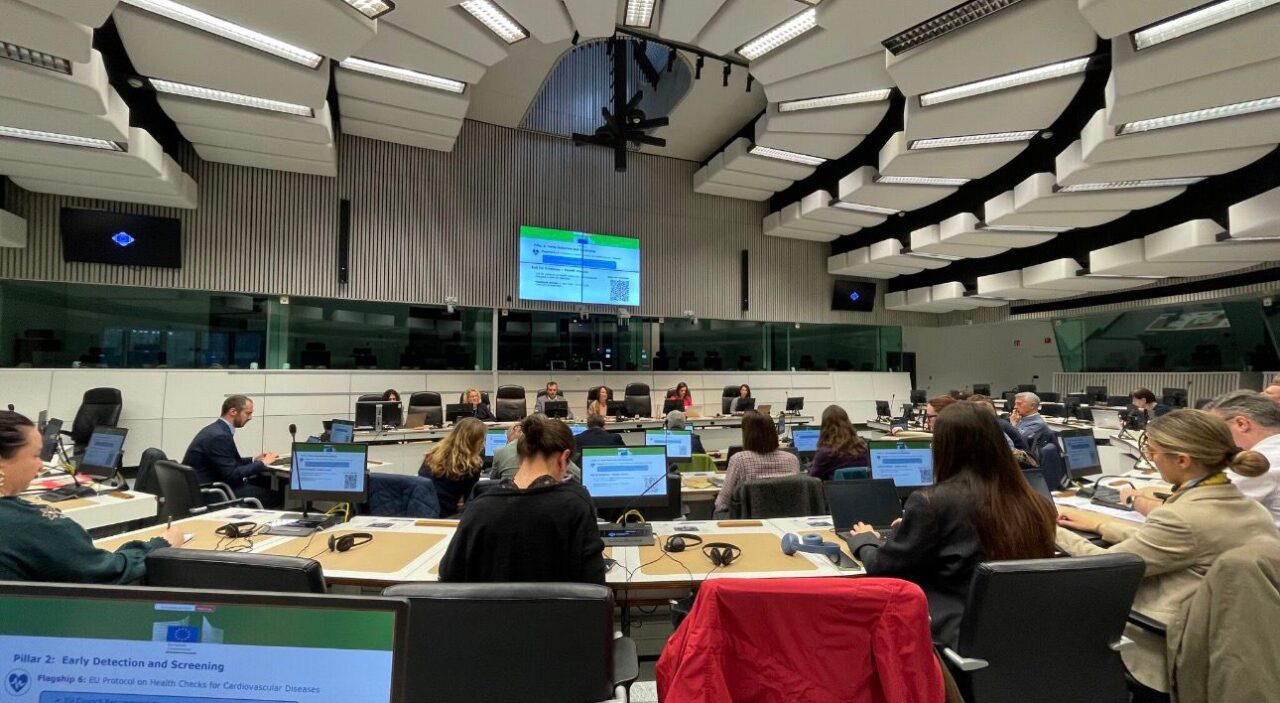
On 6 May 2026, the Interregional Group on Health and Well-being of the European Committee of the Regions, with the support of EUREGHA, hosted the high-level discussion “Shaping the EU Safe Hearts Plan: regional perspectives for cardiovascular health” in Brussels.
The meeting brought together representatives from EU institutions, regional and local authorities, healthcare professionals, researchers, and public health stakeholders to discuss how to advance the implementation of the Safe Hearts Plan (SHP) through stronger multilevel governance and regional action. JACARDI contributed to the discussion as a key European initiative in this field to support the objectives of the SHP.
Cardiovascular diseases remain the leading cause of death and disability in Europe, placing a major burden on individuals, health systems, and economies. Against this backdrop, the discussion highlighted the importance of translating European policy ambitions into concrete and equitable actions adapted to regional and local realities.
Speakers included:
- Carmine Pacente, European Committee of the Regions
- Romana Jerković, European Parliament
- Marianne Takki, European Commission
- Benedetta Armocida, Istituto Superiore di Sanità and Coordinator of JACARDI
- Cristina Gavina, Portuguese Society of Cardiology and European Society of Cardiology
- Antonio Aurigemma, Regione Lazio
The discussion underscored several priorities for the future implementation of the SHP, including strengthening prevention and health promotion, improving early detection and screening, ensuring continuity and integration of care pathways, and addressing persistent inequalities in cardiovascular outcomes, including the cardiovascular gender gap, across and within European regions.
Evidence-informed policies and prevention beyond healthcare settings
Participants also highlighted the growing importance of data systems and digital innovation in supporting evidence-informed and more equitable cardiovascular health policies. At the same time, speakers stressed that effective prevention strategies must extend beyond healthcare settings and reach people directly within schools, workplaces, and local communities, especially underserved populations and people living in vulnerable situations.
Coordinated European action through JACARDI
In this context, Benedetta Armocida presented JACARDI as a concrete example of how coordinated European action can support the objectives of the Safe Hearts Plan by bridging research, policy, and implementation. The Joint Action contributes to strengthening national and regional capacities, fostering collaboration across health systems, and reducing fragmentation in the prevention and management of cardiovascular diseases and diabetes. The discussion concluded with a shared recognition that achieving the ambitions of the EU Safe Hearts Plan will require sustained collaboration between EU, national, regional, and local actors, alongside continued investment in prevention, integrated care, and equity.
The meeting further demonstrated the added value of creating spaces for dialogue between policymakers, researchers, healthcare professionals, and implementers. Bringing together actors operating at different governance levels allows for the exchange of practical experiences, the identification of shared challenges, and the co-development of solutions that are both evidence-based and feasible in real-world settings. Such multistakeholder engagement is essential to ensure that European strategies are translated into sustainable and impactful actions at the regional and local level.