Making patient experience count: Finland’s JACARDI pilot brings patient voices into diabetes care
Led by the University of Eastern Finland (UEF), this pilot is coordinated by Professor Tomi Mäki-Opas, together with study coordinators Sonja Julkunen and Katja Soininen, and focuses on the digital collection of Patient Reported Outcome Measures (PROMs) in diabetes care.
How do people with diabetes actually feel in their everyday lives, beyond clinical indicators and laboratory results?
That is the question behind one of JACARDI’s most forward-looking data pilots. Led by the University of Eastern Finland (UEF) within JACARDI’s Work Package on Data, the pilot explores how digital tools can be used to collect PROMs from people living with type 1 and type 2 diabetes receiving specialised care.
The initiative focuses on the EQ-5D-5L questionnaire, an internationally recognised PROM tool that captures dimensions such as mobility, pain, anxiety and daily functioning. But the ambition goes far beyond digital surveys.
The pilot aims to understand how patient-reported outcomes can support value-based healthcare and help healthcare professionals see a more complete picture of diabetes management.
“We now have the first real-world experience of integrating digital PROM collection into routine diabetes care,” explains study coordinator Sonja Julkunen.
Turning patient-reported outcomes into everyday care
The digital data collection officially started in February 2026 at the endocrinology outpatient clinic of the Wellbeing Services County of North Savo in Finland. Since then, the project team has already gathered important operational insights and encouraging early participation figures.
During the first 11 weeks, 545 patients were targeted for the baseline questionnaire. Among patients who received digital notifications, nearly half completed the questionnaire, and more than 70% of all responses were collected digitally.
Behind these numbers lies a carefully designed digital pathway. Patients receive text message reminders before their appointments and complete the questionnaire through the OmaSavo Plus platform using strong digital identification. The information is then transferred into a data lake and made accessible to healthcare professionals through a platform connected to electronic health records.
The experience has also highlighted the real-world challenges of digital innovation in healthcare.
Since the questionnaire follows strict digital representation guidelines, the team developed a custom-built form solution when existing systems could not adequately display the questionnaire format. Tight clinical schedules also make it difficult for doctors and nurses to systematically review responses during appointments.
Yet the pilot is already showing added value in patient interaction.
Healthcare professionals reported that the questionnaire can help initiate conversations, particularly with younger adults who may not spontaneously discuss wellbeing or mental health concerns during consultations. In some cases, nurses were able to identify issues in advance and alert physicians before appointments.
The project has also invested heavily in communication and patient engagement. Information campaigns were launched through social media, press releases, posters in clinics and collaboration with diabetes patient organisations — demonstrating that successful digital health innovation depends as much on communication as on technology.
From Finnish implementation to European learning
The pilot arrives at a particularly important moment for Finland’s healthcare system. The Finnish Ministry of Social Affairs and Health has designated the EQ-5D-5L questionnaire as the national generic PROM measure, with diabetes among the first target areas for implementation.
This means that the experience gathered through JACARDI’s pilot informed a broader national expansion of PROM data collection into primary healthcare and specialised diabetes services across Finland.
The pilot team will continue refining the system in the coming months, testing new approaches to improve response rates and strengthen value-based analysis.
Ultimately, digital healthcare transformation is not only about collecting more data, but about making patient experiences visible, actionable and impossible to ignore.
This is exactly where JACARDI’s Work Package on Data comes in: building the foundations for more accurate, comparable and patient-centred data on cardiovascular disease and diabetes across Europe. This pilot from the UEF is one step in that direction, turning patient-reported outcomes into real-world evidence that can help close gaps, highlight inequalities, and support better-informed healthcare decisions.
Building the path beyond research: DigiCare4You workshop focuses on scale-up
The final DigiCare4You dissemination workshop brought together European stakeholders in Brussels to discuss the project’s results and future implementation.
The transition from research to real-world implementation took centre stage at the second Capacity Building and Recommendations Development Workshop organised by DigiCare4You, a Horizon 2020 project, held recently in Brussels.
The Horizon2020-funded DigiCare4You project offers a new model for the early prevention and management of type 2 diabetes (T2D) and hypertension (HTN) by engaging schools, communities and healthcare systems in an intersectoral approach. At its core, the project empowers families and connects health and education sectors, equipping individuals with digital tools to better manage their health. Building on the evidence-based Feel4Diabetes study, DigiCare4You is being implemented in two high-income countries (Greece and Spain) and two middle-income countries (Albania and Bulgaria), targeting more than 10,000 families across different socio-economic groups.
Bringing together policymakers, researchers and health professionals from across Europe, the event marked the project’s final in-person dissemination meeting after more than five years of collaboration. Participants reviewed the programme’s implementation across four pilot countries and discussed the outcomes of its two-year intervention, including impact evaluation and health economic analysis.
The findings presented during the workshop were particularly encouraging in terms of cost-effectiveness, reinforcing the potential of DigiCare4You as a scalable and sustainable solution to strengthen primary care systems and support people at risk of type 2 diabetes and hypertension.
A delegation from JACARDI took part in the discussions, including Dr Sarah Cuschieri, member of JACARDI’s Scientific Advisory Board; Sabine Dupont, member of the project’s Stakeholder Board, Fátima Lois, member of the communication and dissemination team; and colleagues Sandro Girolami, and Rogerio Ribeiro, both involved in pilot interventions.
“It was a fruitful and engaging workshop, with exciting discussions and promising results emerging from this collaboration,” said Dr Sarah Cuschieri. “The roadmap currently being developed will no doubt contribute to strengthening digital health and integrated care approaches across Europe.”
“The session offered a rich and comprehensive overview of the project, from implementation across four countries to impact and economic evaluation,” added Fátima Lois. “Particularly encouraging were the cost-effectiveness results, which highlight the real potential for scale.”
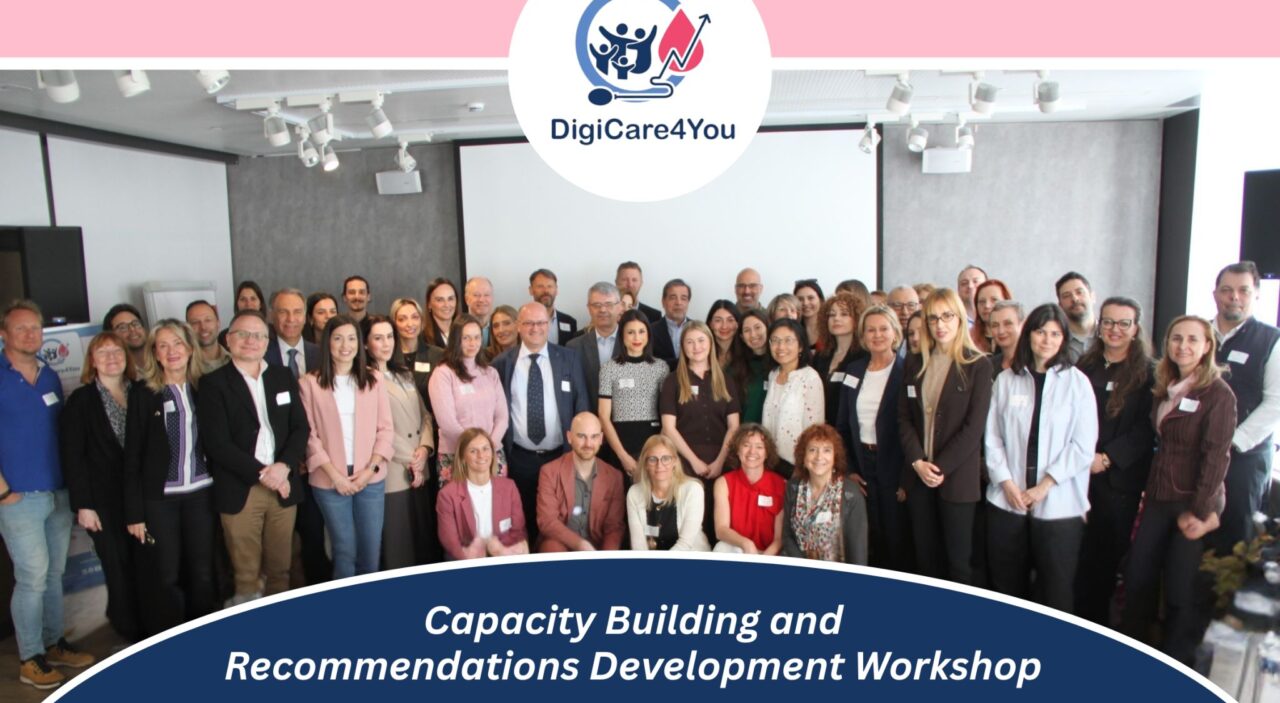

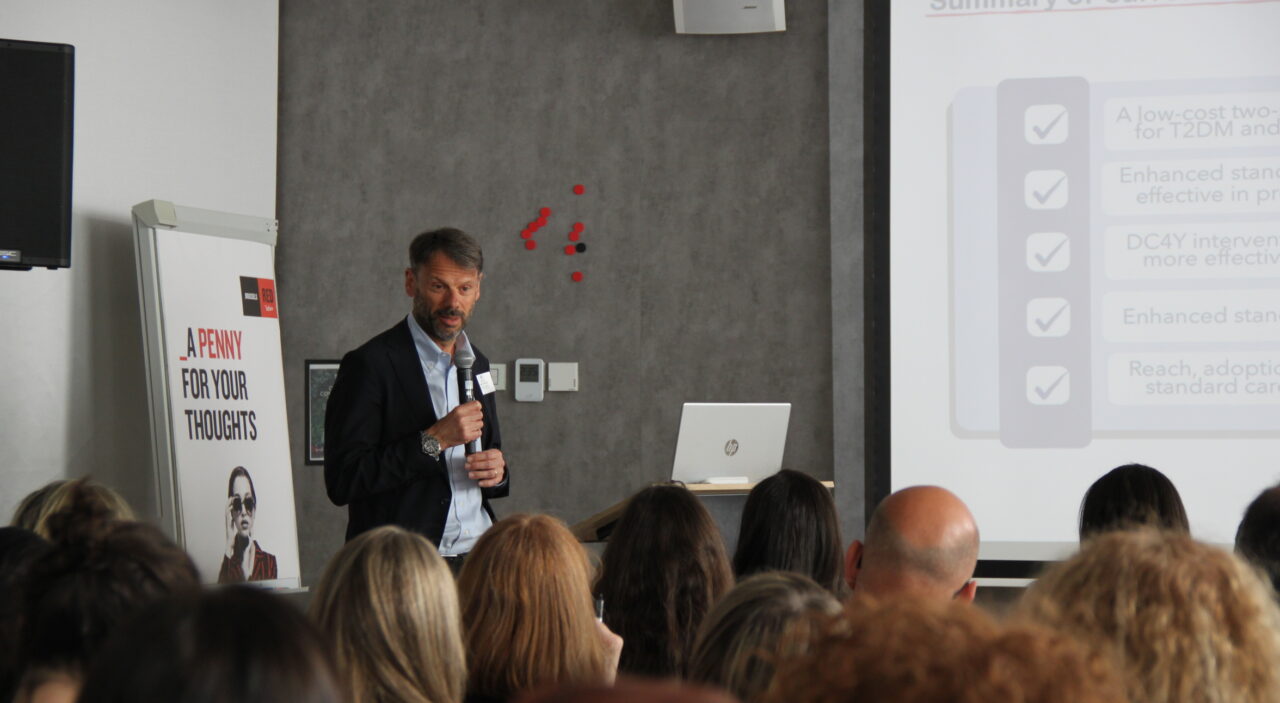
A central focus of the workshop was the DigiCare4You Roadmap for Scale-Up, designed to support the transfer of the project’s solutions beyond the initial pilot countries. Stakeholders engaged in a dynamic exchange on how to translate the project’s evidence and lessons learned into practical recommendations for implementation in new national contexts.
Beyond the project results themselves, the workshop also highlighted the value of collaboration and knowledge exchange between European initiatives such as DigiCare4You and JACARDI. By sharing expertise, evidence and implementation experiences, both projects contribute to advancing innovative and integrated approaches to chronic disease prevention across Europe.
As DigiCare4You enters its final phase, the project leaves behind not only valuable evidence and lessons learned, but also a practical roadmap to support the future transfer and scale-up of its solutions in new healthcare settings.
Visit our website for further insights into their early results and experiences midway through the implementation journey back in 2025.
You can learn more about DigiCare4You and their final results on the project website.
Migrant health service users report higher levels of discrimination in Finland
A new population-based JACARDI study conducted in Finland shows that people with a migrant background are consistently more likely than the general population to report experiences of discrimination in health services. Drawing on national survey data, the study highlights how discrimination intersects with sociodemographic, health-related and migration-related factors, underscoring the need for equity-driven health care practices.
“Our findings show that health service users with a migrant background report discrimination more frequently across all socio-demographic and health-related groups,” says lead author Regina García‑Velázquez.
Across all examined factors, health service users with a migrant background showed a higher likelihood of reporting discrimination compared to the general population. Overall, 8.9 per cent of migrant users reported discrimination in health services, compared to 3.7 per cent among the general population.
Higher overall reporting of discrimination was observed among women, people with insufficient income, those with poorer mental or physical health, and users of public health care services. Among migrant users, experiences of discrimination were particularly pronounced among people with a forced migration background and those originating from the Middle East and Africa. Reported discrimination was also more common among users facing insufficient language support and challenges in accessing clear information about how the health service system functions.
Experiences varied within and across groups, highlighting how discrimination is shaped by the interplay of multiple social, health-related and migration-related factors.
Discrimination reflects unequal access and higher health care needs
The findings indicate that experiences of discrimination in health services are closely linked to unequal access and unmet health care needs. Among migrant health service users, practical barriers such as insufficient language support and challenges in navigating the health service system were strongly associated with higher reported discrimination. These challenges may intensify existing health disparities, particularly for those with greater or more complex health needs.
Towards more equitable and responsive health services
The study highlights that discrimination is not only about individual encounters but reflects broader system-level issues related to accessibility, communication and responsiveness of care. Addressing these challenges requires coordinated efforts to ensure equitable service provision across different population groups.
To reduce discrimination in health services, the researchers emphasise the need for equity-driven initiatives, including systematic monitoring of discrimination, anti-racism training, and the development of culturally responsive and linguistically accessible care. Improving guidance on how to navigate health services and strengthening professionals’ capacity to respond to diverse needs are identified as key areas for action.“Investing in clear communication and language support is essential. Equity‑oriented professional training can help ensure that care is accessible and respectful for everyone who needs it,” says Katri‑Leena Mustonen, second author of the study.
The study analysed data from two nationally representative surveys collected in 2022: the MoniSuomi survey among people with a foreign background and the Healthy Finland survey among the general adult population. The analysis focused on adults aged 20–74 who had used health services in the previous 12 months.
Publication: Experiences of discrimination in health services in Finland: An observational cross-sectional survey study among migrant and general populations
Authors: Regina Garcia Velazquez, Katri Leena Mustonen, Natalia Skogberg, Anu Emilia Castañeda, M. Eid, Suvi Parikka, Hannamaria Kuusio
Journal: Social Science & Medicine
Publication date: 20 March 2026
Workbox for Inclusion: JACARDI helps build workplaces that work for everyone
JACARDI has launched the Workbox for Inclusion, a free, online training programme that helps organisations create more inclusive and health-supportive workplaces. Designed for managers, employers, HR professionals, disability managers and trade union representatives, the Workbox provides practical tools to assess workplace inclusiveness, identify areas for improvement and develop tailored action plans that support employees, including people living with non-communicable diseases such as cardiovascular diseases and diabetes.
Creating working environments that promote health, inclusion and long-term well-being is a key priority for JACARDI. The Workbox for Inclusion contributes to this goal by offering practical support to organisations, with a particular focus on people living with non-communicable diseases (NCDs).
The programme bridges the gap between policy recommendations and everyday practice, especially in small and medium-sized enterprises, by translating public health principles into clear, actionable steps. The Workbox provides tools to assess workplace inclusiveness and to design tailored action plans. These aim to improve employee well-being, support work ability and foster sustainable inclusion.
By combining evidence-based knowledge with practical guidance, the Workbox strengthens organisational capacity and contributes to healthier and more productive workplaces. With initiatives like this, JACARDI continues to take meaningful steps towards a more equitable society, one that enables, supports and empowers all.
The Workbox was developed by the leadership and co-leadership teams responsible for the Work Package on Labour participation of people living with cardiovascular diseases and diabetes within JACARDI. Its design was led by experts from the Istituto Neurologico Carlo Besta (Italy), Poznan University of Medical Sciences, and the Department of Health Prevention (Katedra i Zakład Profilaktyki Zdrowotnej), Poland.
Access the Workbox for Inclusion here.
Download the leaflet here.
Research highlights the potential of self-measurement tools in preventing cardiovascular disease and diabetes
Research conducted within JACARDI summarises evidence on non-clinical methods for measuring blood glucose and cholesterol. The findings point to the preventive potential of self-measurement approaches, while emphasising that wider public health use requires further research, standardisation and strong clinical quality assurance.
Cardiovascular diseases and diabetes are among the leading causes of ill health and premature mortality in Europe. Both conditions are largely preventable, but prevention requires timely data on risk factors and approaches that are accessible to different population groups. Traditional screening methods can be resource‑intensive and may not reach everyone equally.
The researchers reviewed existing evidence on non-clinical measurement methods, such as dried blood spot samples, finger‑prick capillary blood collection, and emerging non‑invasive technologies. Some of these approaches showed close agreement with standard venous blood tests for specific measurements, particularly glycated haemoglobin (HbA1c) and triglycerides.
Clinical standards remain essential
However, the review also makes clear that clinical standards remain essential. Accuracy varies between methods, and differences in sample collection, handling and analysis can affect results. For this reason, self-measurement tools cannot currently replace clinical screening and are not recommended for diagnostic or population-level screening purposes.
“Self-measurement technologies have clear potential to support prevention and reduce barriers to participation,” says researcher (PhD candidate) Hanna Elonheimo, lead author of the study. “At the same time, they should be seen as complementary tools, not alternatives to clinically validated methods.”
The authors highlight that accessible and user‑friendly measurement approaches may still play an important role in increasing awareness of cardiovascular and diabetes risk, supporting disease management, and informing future prevention strategies. Further research is needed to improve standardisation, reliability and regulatory validation before wider implementation can be considered.
Publication: Innovative approaches to early detection of cardiovascular disease and diabetes risk: focus on glucose and cholesterol measuring
Authors: Hanna M Elonheimo, Alexandra Cucu, Gabriela Cristisor, Ciprian Ursu, Claudia Dima, Petru Milos, Giulia Franceschini, Katiuscia Dibiagio, Roberta Papa, Massimiliano Petrelli, Jelka Zaletel, Hanna Tolonen
Journal: European Journal of Public Health
Publication date: 9 February 2026
DOI: https://doi.org/10.1093/eurpub/ckag007
The geography of heart health: Why cardiovascular mortality still depends on where you live in Europe
Cardiovascular disease remains the leading cause of death in the European Union. Yet the risk of dying from it can vary dramatically depending on where people live, reflecting persistent inequalities in prevention, healthcare systems, and public health policies. The Safe Hearts Plan, unveiled by the European Commission on 16 December 2025, as part of an overall health package, offers a chance to close these gaps and advance a shared vision of longer, healthier lives for all Europeans.
What if your country of residence could triple your risk of dying from heart disease?
This reality is one of the key challenges addressed by the EU Safe Hearts Plan, which places a strong focus on geographical inequalities in cardiovascular health across the European Union. The Plan highlights that cardiovascular death rates can be more than six times higher in some Member States than in others, alongside major differences in access to high-quality care and health outcomes.
Across the region, cardiovascular disease (CVD) remains the leading cause of death, yet outcomes vary dramatically between countries. In Bulgaria, for example, the risk of dying from CVD is nearly three times higher than in Denmark, a gap driven not by biology but by differences in prevention, access to care and public health policies. [1]
As Dr Benedetta Armocida, coordinator of JACARDI, explains: “These disparities remind us that cardiovascular health is shaped not only by medical care, but also by the broader social, economic and environmental conditions in which people live.
Addressing them therefore requires a strong and sustained public health approach, one that prioritises prevention, strengthens health systems, and promotes equity in access to effective care and healthier environments. The Safe Hearts Plan offers an important opportunity to reinforce collaboration across countries and sectors, supporting a shared vision for Europe where progress in cardiovascular health benefits all communities and contributes to longer, healthier lives for everyone.”
Progress, but not equally shared
Europe has made significant progress in reducing deaths from CVD over the past decades thanks to advances in treatment and prevention. Yet these gains have not been evenly distributed across the region.
In 2021, CVD still accounted for nearly 28% of deaths in Western Europe, with age-standardised mortality rates of around 107 deaths per 100,000 people. Behind these averages lie stark national differences in risk factors, healthcare systems and prevention policies. [2]
Some countries have demonstrated what is possible when prevention becomes a policy priority. Finland, for example, achieved an 82% reduction in cardiovascular mortality among working-age men between 1972 and 2012 through the North Karelia Project, a pioneering initiative that targeted smoking, cholesterol levels and blood pressure at the community level. The programme demonstrated how sustained prevention policies can dramatically improve cardiovascular health. [3]
Today, similar efforts continue. In Finland, the Finnish Institute for Health and Welfare (THL) is leading a pilot project within JACARDI’s work on screening high-risk populations. The project evaluates how well cardiovascular risk scores predict 10-year CVD risk among migrant populations of Russian, Somali and Kurdish origin, and explores whether recalibrating these tools could improve prevention strategies for diverse populations.
This is just one example among 143 pilot actions implemented across Europe under JACARDI, reflecting a wide geographical diversity and a broad range of health system contexts and target groups. By sharing knowledge and experience across countries, these initiatives help build a stronger evidence base and support the development of more effective and equitable cardiovascular prevention strategies.
Risk factors that still shape Europe’s heart health
Where people live can have a profound impact on their cardiovascular health, a phenomenon often referred to as the “postcode effect”. Beyond individual lifestyle choices or genetic predisposition, factors such as income, education, living conditions, access to healthcare, environmental exposure and local prevention policies all play a crucial role in shaping cardiovascular risk.
Recent evidence highlights how these factors translate into measurable health outcomes. A 2024 study published in JMIR Public Health and Surveillance, analysing 24 Western European countries, found strong associations between cardiovascular mortality and factors such as smoking prevalence and exposure to air pollution. Environmental policies can have a measurable impact: between 2010 and 2019, Europe saw a 19% reduction in heart-disease deaths linked to improvements in air quality. [2]
Despite this progress, many European countries continue to exceed the air pollution thresholds recommended by the World Health Organization. Prevention strategies, including screening programmes and health literacy initiatives, also vary widely between countries. These differences contribute significantly to the persistent cardiovascular health gap across Europe.
The cost of inaction
Beyond the human toll, CVDs impose a significant economic burden, with CVD-related expenditures averaging 630 euros per person in the EU in 2021. As Borjana Pervan, Chief Operating Officer and Deputy CEO of the World Heart Federation, explains:
“In today’s Europe, like elsewhere in the world, where you live still defines your cardiovascular risk. The differences across EU member states are neither genetic nor inevitable but result from gaps in prevention, access to care, and political will. We know what works to close these divides. What’s missing is the sustained commitment to apply it, everywhere, for everyone.”
She adds: “Failure to act comes at a cost: CVD already drains over €280 billion from Europe’s economy every year. With the Safe Hearts Plan now in place, the priority must be to ensure that knowledge is matched by policies and translated into action across all Member States.”
Bridging Europe’s cardiovascular divide
The persistence of these inequalities is one of the key reasons why the European Commission launched the Safe Hearts Plan, aimed at strengthening cardiovascular prevention and care across the EU. Evidence suggests that many disparities in cardiovascular outcomes are avoidable.
According to the JACARDI Context Analysis, differences in cardiovascular health across Europe are closely linked to variations in prevention policies, healthcare system capacity and the implementation of effective cardiovascular health strategies. The analysis also shows that only around half of the EU countries examined have national strategies for cardiovascular screening or health literacy, highlighting the need for stronger and more consistent public health measures.
As the EU moves forward with the Safe Hearts Plan, initiatives like JACARDI play a key role in turning ambition into action. By providing expert guidance, practical experience, and answering to the European Commission’s Call for Evidence, this joint action helps inform initiatives such as the upcoming EU protocol on health checks. Its cross-border collaboration also demonstrates how evidence-based policies and coordinated action can help reduce cardiovascular inequalities and move closer to a shared goal: longer, healthier lives for people across Europe.
With work advancing across all stages of the patient journey, JACARDI is generating valuable evidence across a wide range of contexts and populations. Looking ahead, 2027 will be a key milestone to bring this evidence to 21 countries and help shape national cardiovascular health plans and local policies. By translating and integrating this knowledge across the region, the initiative aims to reduce geographic disparities in prevention, access to care and policy implementation, ensuring that everyone, regardless of where they live, can benefit.
This work aligns with flagship actions under the Plan, such as “EU cares for your heart”, which aim to strengthen national cardiovascular health plans and translate prevention into practice. By sharing and scaling evidence across countries, JACARDI contributes to reducing disparities and improving cardiovascular health outcomes across Europe.
About this series
This article is part of the “Following the Safe Hearts Plan: JACARDI Insights Series”, developed by JACARDI.
The series explores how the EU Safe Hearts Plan, launched by the European Commission on 16 December 2025, is being translated into practice across Europe, highlighting evidence, policy developments and real-world implementation experiences from different health systems.
Through collaboration with a wide range of partners across Europe, including international organisations, patient associations, other European Joint Actions, and global public health bodies, the series aims to unpack how cardiovascular health policies can be translated into concrete action, bridging research, prevention strategies and health system implementation. It also features insights from across the JACARDI community, from the Coordination team and Work Package leaders to pilot voices and implementation experts working directly on the ground.
By combining data, expert perspectives and country-level examples, the series supports a shared understanding of how Europe can reduce cardiovascular inequalities and improve health outcomes for all citizens.
Sources:
[1] Nick Townsend, Melanie Nichols, Peter Scarborough, Mike Rayner, Cardiovascular disease in Europe — epidemiological update 2015, European Heart Journal, Volume 36, Issue 40, 21 October 2015, Pages 2696–2705
[2] Mubarik S, Naeem S, Shen H, Mubarak R, Luo L, Hussain S, Hak E, Yu C, Liu X. Population-Level Distribution, Risk Factors, and Burden of Mortality and Disability-Adjusted Life Years Attributable to Major Noncommunicable Diseases in Western Europe (1990-2021): Ecological Analysis. JMIR Public Health Surveill 2024;10:e57840
[3] Puska P, Jaini P. The North Karelia Project: Prevention of Cardiovascular Disease in Finland Through Population-Based Lifestyle Interventions. Am J Lifestyle Med. 2020 Mar 19;14(5):495-499. doi: 10.1177/1559827620910981. PMID: 32922234; PMCID: PMC7444010.
[4] WHF welcomes the first EU Cardiovascular Health Plan
Shaping the EU Safe Hearts Plan: JACARDI joins high-level dialogue on regional and local perspectives
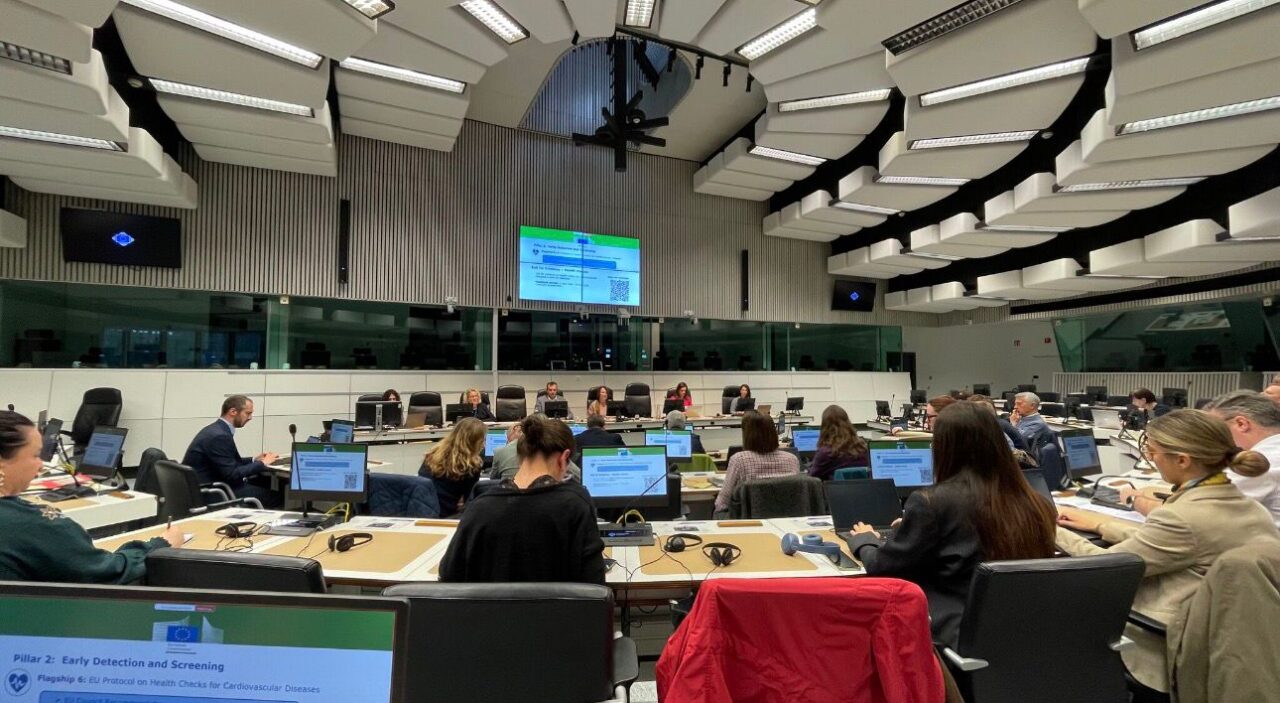
During a high-level discussion bringing together EU and regional stakeholders, JACARDI Coordinator Benedetta Armocida highlighted how coordinated European action can bridge research, policy, and implementation in advancing the EU Safe Hearts Plan. The meeting aimed to explore how regional and local authorities can contribute to shaping and implementing the plan, bringing forward territorial perspectives and feeding into the upcoming Committee of the Regions opinion.
On 6 May 2026, the Interregional Group on Health and Well-being of the European Committee of the Regions, with the support of EUREGHA, hosted the high-level discussion “Shaping the EU Safe Hearts Plan: regional perspectives for cardiovascular health” in Brussels.
The meeting brought together representatives from EU institutions, regional and local authorities, healthcare professionals, researchers, and public health stakeholders to discuss how to advance the implementation of the Safe Hearts Plan (SHP) through stronger multilevel governance and regional action. JACARDI contributed to the discussion as a key European initiative in this field to support the objectives of the SHP.
Cardiovascular diseases remain the leading cause of death and disability in Europe, placing a major burden on individuals, health systems, and economies. Against this backdrop, the discussion highlighted the importance of translating European policy ambitions into concrete and equitable actions adapted to regional and local realities.
Speakers included:
- Carmine Pacente, European Committee of the Regions
- Romana Jerković, European Parliament
- Marianne Takki, European Commission
- Benedetta Armocida, Istituto Superiore di Sanità and Coordinator of JACARDI
- Cristina Gavina, Portuguese Society of Cardiology and European Society of Cardiology
- Antonio Aurigemma, Regione Lazio
The discussion underscored several priorities for the future implementation of the SHP, including strengthening prevention and health promotion, improving early detection and screening, ensuring continuity and integration of care pathways, and addressing persistent inequalities in cardiovascular outcomes, including the cardiovascular gender gap, across and within European regions.
Evidence-informed policies and prevention beyond healthcare settings
Participants also highlighted the growing importance of data systems and digital innovation in supporting evidence-informed and more equitable cardiovascular health policies. At the same time, speakers stressed that effective prevention strategies must extend beyond healthcare settings and reach people directly within schools, workplaces, and local communities, especially underserved populations and people living in vulnerable situations.
Coordinated European action through JACARDI
In this context, Benedetta Armocida presented JACARDI as a concrete example of how coordinated European action can support the objectives of the Safe Hearts Plan by bridging research, policy, and implementation. The Joint Action contributes to strengthening national and regional capacities, fostering collaboration across health systems, and reducing fragmentation in the prevention and management of cardiovascular diseases and diabetes. The discussion concluded with a shared recognition that achieving the ambitions of the EU Safe Hearts Plan will require sustained collaboration between EU, national, regional, and local actors, alongside continued investment in prevention, integrated care, and equity.
The meeting further demonstrated the added value of creating spaces for dialogue between policymakers, researchers, healthcare professionals, and implementers. Bringing together actors operating at different governance levels allows for the exchange of practical experiences, the identification of shared challenges, and the co-development of solutions that are both evidence-based and feasible in real-world settings. Such multistakeholder engagement is essential to ensure that European strategies are translated into sustainable and impactful actions at the regional and local level.
Building stronger prevention systems in Ukraine: insights from the Kyiv JACARDI meeting
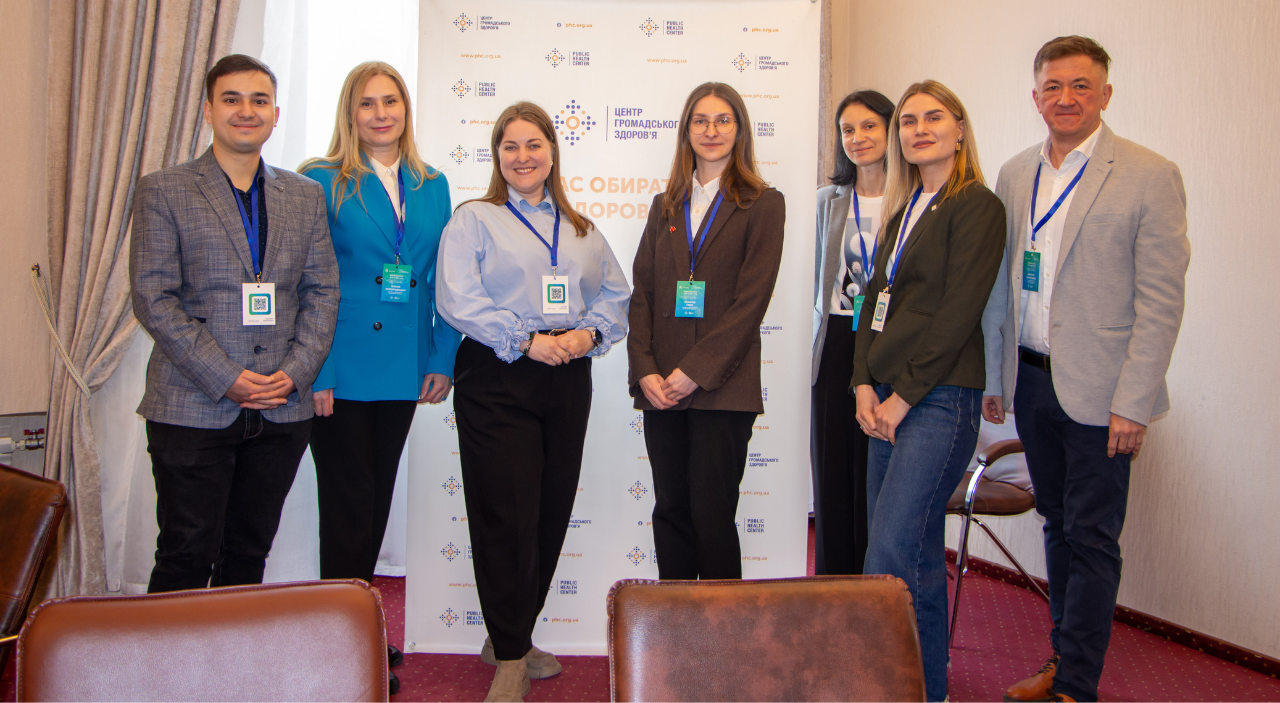
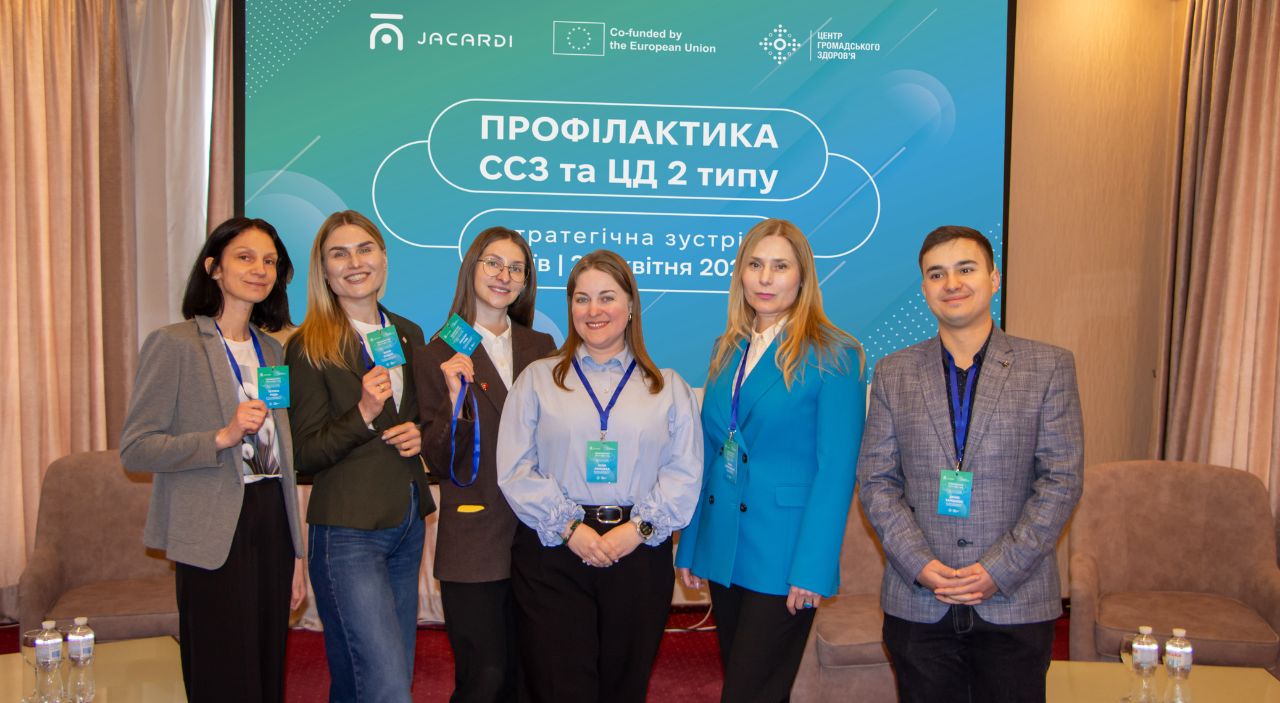
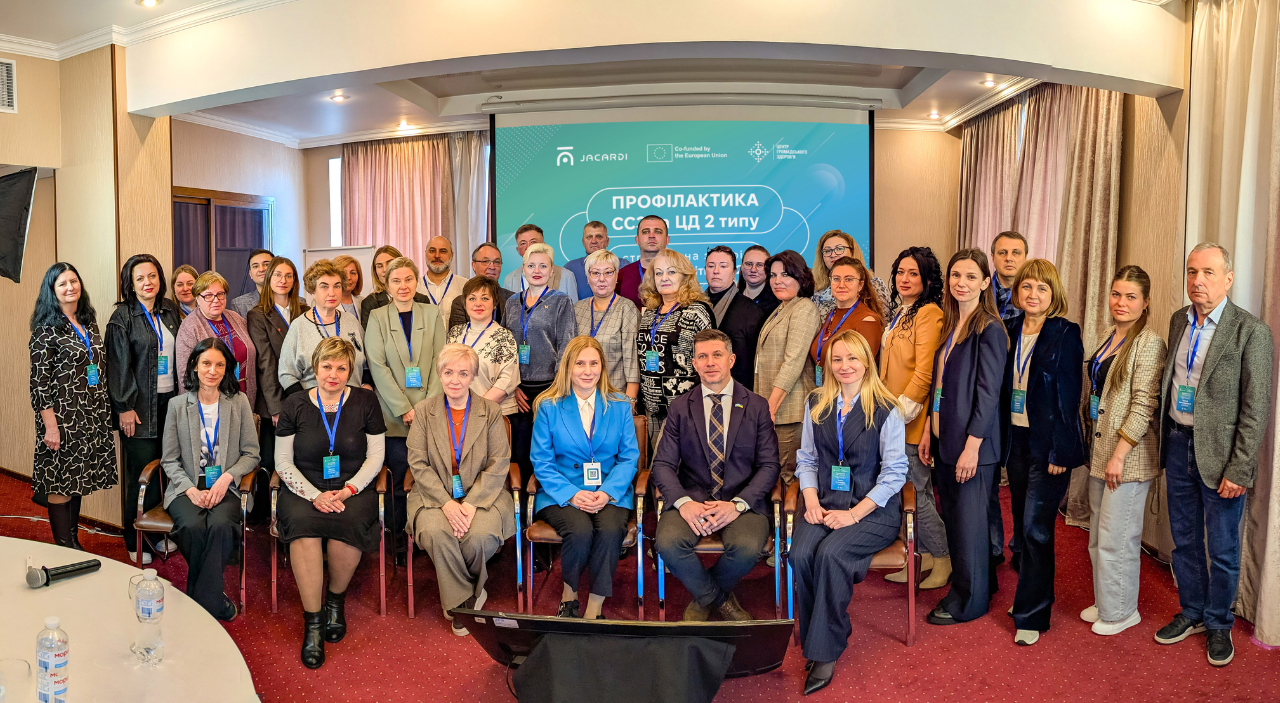
A strategic meeting on implementing effective models for the prevention of cardiovascular diseases and type 2 diabetes was held in Kyiv, Ukraine, organized by the Public Health Center of the Ministry of Health of Ukraine within the framework of JACARDI. The event brought together representatives from the Ministry of Health of Ukraine, the WHO Country Office in Ukraine, and regional centers for disease control and prevention. The main goal of the meeting was to strengthen collaboration in public health, exchange experiences, and integrate European best practices into the prevention of non-communicable diseases (NCDs).
Early identification of risk factors, modern community-level screening models, and international experience in prevention programs were at the forefront of discussions, with special attention on the Safe Hearts Plan. Behavioural risk factors and their impact on premature mortality and population health loss were also high on the agenda.
“Non-communicable diseases often remain ‘invisible’ — their consequences do not appear immediately. At the same time, it is important to understand that prevention is far cheaper than treatment, and healthy nutrition and physical activity are not about trends but primarily about preserving health,” said Tetiana Skapa, Director of the Public Health Department of the Ministry of Health of Ukraine.
What JACARDI pilot studies reveal about prevention and care
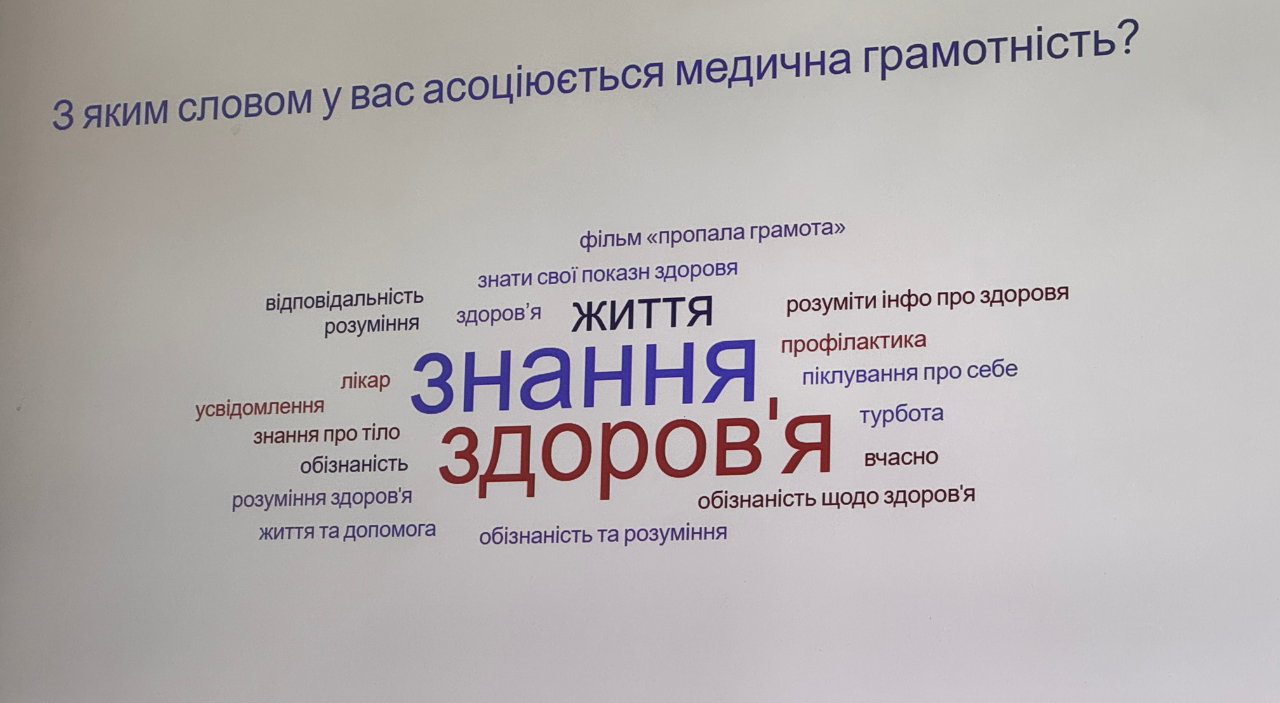
The meeting also included discussion of the main findings from a study on health literacy regarding self-monitoring of arterial hypertension. The study was conducted using the Ophelia (Optimising Health Literacy and Access) process, a co-design approach for developing health literacy actions that is applied across 24 pilot projects within JACARDI’s work package on health literacy. The findings of the study confirmed that health literacy is a key factor in the effective prevention and self-management of high blood pressure, influencing adherence to treatment and regular monitoring. The study also highlighted practical opportunities for improvement, including clearer patient communication, better access to blood pressure monitoring in community settings, stronger patient education and peer support, and more coordinated healthcare delivery.
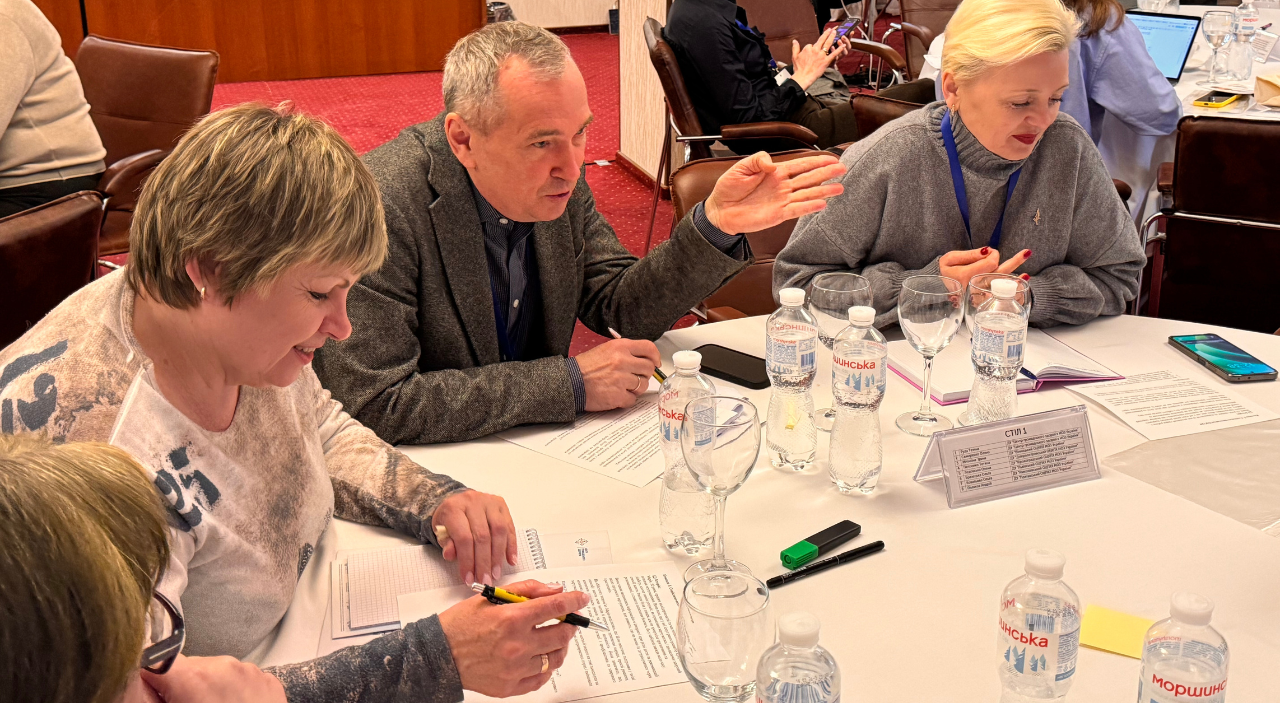

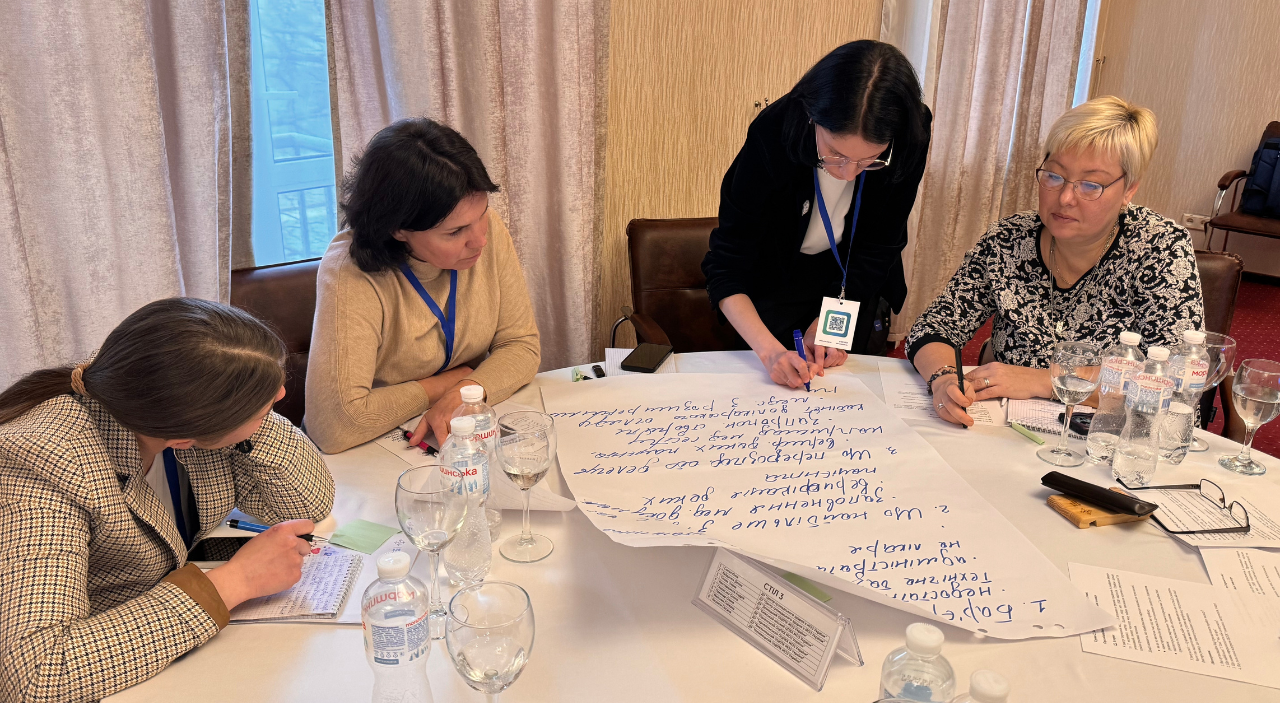
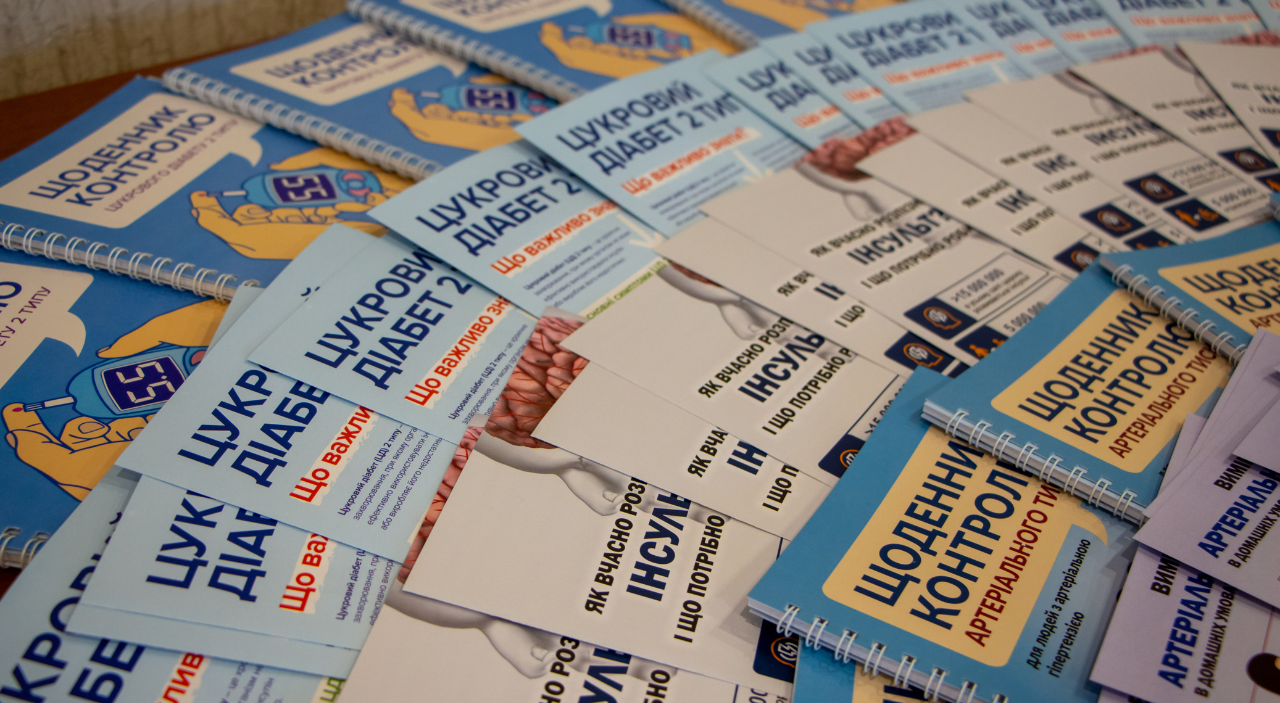
Results from another JACARDI pilot project exploring the barriers to prevention and screening for type 2 diabetes were presented. The study found that while primary care is trusted and access to diagnosis and medications is generally good, key barriers persist, including limited access to diagnostics, high administrative burden, short consultation times, and low patient awareness and motivation for prevention, alongside contextual challenges related to war, such as stress and disruption of care. Lifestyle change remains the greatest challenge for patients, and structured education and support programmes are largely absent. Overall, the findings highlight the need to strengthen prevention, improve access to essential diagnostics, and expand patient and professional education.
“Participation in the JACARDI project allows Ukraine to align with European best practices in cardiovascular disease and diabetes prevention and provides a strategic framework that guides our local prevention efforts, supports early detection, and helps us implement evidence-based interventions tailored to the Ukrainian context, particularly in the challenging conditions of war,” said Nataliia Hryb, Specialist in Non-communicable Disease Prevention at the Public Health Center of the Ministry of Health of Ukraine and pilot lead from the Ukrainian team.
Importance of a systemic prevention approach
Participants emphasized the importance of a comprehensive approach to NCD prevention, including improving health literacy and implementing screening programs. The national “Health Screening 40+” program, which provides basic examinations for early detection of cardiovascular diseases, diabetes, and mental health issues, was also discussed.
“Behavioral risk factors remain the key determinants of premature mortality and health loss in Ukraine,” noted Dmytro Shushpanov, Head of the Department of Demographic Modeling and Forecasting at the M. Ptukha Institute for Demography and Social Research, NAS of Ukraine. “At the same time, significant territorial disparities persist, especially in rural areas, which requires strengthening preventive measures and adapting programs to local conditions.”
Next steps and further collaboration
Following the meeting, participants outlined the key directions for future work: strengthening and supporting community-based prevention programs, developing screening initiatives, and increasing public health literacy. The strategic meeting provided an important platform for reinforcing partnerships between state institutions, regional centers for disease control and prevention, and international organizations.
Equity Lens: Antiracism is integral to reducing health inequalities
Considering the words we use, the decisions we make, and the attitudes we hold, along with recognising discriminatory practices in everyday healthcare settings, are crucial steps public health professionals can take to address health disparities among ethnic minorities. As part of JACARDI’s Equity Lens series, this article examines differences in treatment and care for ethnic minorities, the importance of building trust, and concrete actions professionals can take to achieve more equitable health outcomes.
Since racism directly affects health outcomes, adopting an antiracist approach is integral to quality care, emphasizes Dr. Najma Yusuf, a medical doctor and an antiracism educator for the JACARDI Masterclass titled “Antiracism is care: Advancing Equity in Healthcare”. It is vital to recognize harmful structures, deconstruct them, and avoid past mistakes, especially in the current political climate.
Understanding structural racism and historical context
Racism in healthcare has been well documented and is rooted in structural issues. Studies show that patients from ethnic minorities may receive different treatment than the majority population. This discrepancy is visible even in common medical tests; for instance, in the case of pulse oximetry, which can lead to significant delays in initiating therapy. Diagnosis and treatment decisions made by healthcare professionals can also be influenced by cultural biases.
Dr. Yusuf shed light on the controversial history of medicine, noting that unethical medical experiments conducted on ethnic minorities were a regular occurrence not too long ago. The enduring effects of this history mean that certain minority groups remain wary of healthcare professionals today. Consequently, building trust must begin from the very start, which requires time.
From race-based to race-conscious medicine
A key concern is that race is still used as a risk factor for disease in health research. This persists despite the fact that it has been well-established that race is a social construct, rather than a biological risk factor.
Dr. Yusuf argued that, instead of relying on biology, race should be defined as a social and power construct. This approach allows practitioners to understand and see the effect that race has on an individual’s health and wellbeing. Moving away from race-based medicine toward race-conscious medicine will eventually lead to the reduction of racial health inequalities.
Five concrete ways to promote active antiracism
Antiracism requires active action, and there are concrete ways to promote it within healthcare and healthcare research. Dr. Yusuf presented five actions that professionals can take:
- Admitting the existence of structural racism
- Having active plans to reduce structural racism
- Meeting patients without prejudice
- Disaggregating data in health research for equity monitoring (by country of birth, language, ethnicity)
- Using participatory approaches involving affected communities
Resources:
- Online course on anti-racism for professionals (videos are in Finnish with English subtitles)
- The Moni Suomi Study
- Pulling at the heart: COVID-19, race/ethnicity and ongoing disparities by Chin-Hong, P et al.
- From race-based to race-conscious medicine: how anti-racist uprisings call us to act
- Tackling structural racism and ethnicity-based discrimination in health
About Dr. Najma Yusuf
As a physician specializing in emergency medicine, and an anti-racism expert at the University of Helsinki, Dr. Yusuf has a demonstrated history of working in healthcare, biomedical sciences, and public health. Beyond her medical practice, she is actively engaged in advancing equity and inclusion, serving as a Board Member of the Finnish-Somalia Association (FSA) and as a trainer for doctors in Finland, contributing to a JACARDI pilot program developing antiracist training for healthcare professionals.
About the JACARDI Equity Lens Series:
Throughout this series, we share why equity and diversity are not optional add-ons but core components of truly equitable healthcare as well as a shared responsibility for everyone working in the field. To share the knowledge generated within JACARDI, the Equity Lens article series draws on the JACARDI Equity Masterclass series that provides an in-depth look into matters related to equity and diversity for JACARDI pilot teams conducting 143 healthcare interventions across Europe. The article series offers insights shared by a diverse pool of public health professionals within the consortium. By looking through an equity lens, we can build a more inclusive system for everyone. Join us in learning how an equity lens can shape daily practice and drive meaningful change.
Read the first article in the series: JACARDI’s 4Cs framework for advancing equity and diversity
Advancing cardiovascular prevention: regional results from the Italian Health Examination Survey – CUORE Project
Within JACARDI’s framework, the Italian Health Examination Survey (ITA-HES) – CUORE Project has delivered new regional results on major risk factors for non-communicable diseases. Implemented under Work Package 8, the pilot is being carried out in seven Italian regions and is coordinated by the Istituto Superiore di Sanità.
The initiative responds to the World Health Organization recommendation that Member States conduct health examination surveys every five years to monitor progress in prevention and control of non-communicable diseases, particularly cardiovascular diseases.
From data collection to regional action
Screening activities have been completed in four regions – Emilia-Romagna, Piedmont, Liguria and Lazio – and a dedicated report (for 2025) has been distributed to regional stakeholders in each territory.
The survey is based on direct health examinations of random samples of the adult population. It has a dual purpose:
- to strengthen surveillance of cardiovascular and metabolic risk factors through objective measurements;
- to provide population screening for early detection of risk conditions and promote health awareness at individual level.
Regional reports present key indicators recommended for monitoring non-communicable diseases, including:
- Blood pressure: levels, hypertension, awareness and treatment
- Lipid profile: total cholesterol, HDL, triglycerides, hypercholesterolemia, awareness and treatment
- Glycaemic status: blood glucose, diabetes prevalence, awareness and treatment
- Body mass index, obesity, overweight, normal weight, waist and hip circumference
- Nutrition habits based on 24-hour urine collection salt and potassium intake
- Physical activity: inactivity prevalence and daily steps
- Smoking habits: prevalence and cigarette consumption
- Overall absolute cardiovascular risk
Strengthening prevention and equity through evidence
Beyond estimating health indicators, the pilot assessed the impact of screening at individual level, including awareness of risk conditions and opportunities for health promotion. By combining surveillance and prevention, the ITA-HES – CUORE Project supports JACARDI’s objectives to reduce the burden of cardiovascular diseases and diabetes, promote early detection, and improve equity in access to preventive services.
The experience from these four regions demonstrates the feasibility and added value of systematic health examination surveys at regional level. The next steps include completion of activities in the remaining regions and continued collaboration with regional stakeholders to translate findings into targeted prevention policies and actions.
What the results reveal
The analysis of the data collected in the four regions highlights a substantial burden of modifiable cardiovascular risk factors in the adult population, together with important gaps in awareness and treatment. Across regions, elevated blood pressure, high total cholesterol and altered glycaemic status were frequently identified through direct measurements, and a proportion of individuals with these conditions were not aware of their risk status or were not receiving treatment.
In the Piedmont region, 40% of men and 24% of women with hypertension (systolic blood pressure >=140 mmHg and/or diastolic blood pressure >=90 mmHg and/or under specific treatment) were unaware of possible blood pressure problems, and 10% of men and 8% of women who were aware were not receiving treatment.
The results also show relevant levels of overweight and obesity based on body mass index and waist circumference, as well as non-optimal salt intake measured through 24-hour urine collection. In the Emilia-Romagna region, 79% of men and 69% of women were overweight or obese, and more than half of the population consumed more salt than recommended.
In addition, physical inactivity and current smoking remain present in a significant share of the population. Compared to data collected approximately 15 years ago, a common trend in all four regions examined shows a significant reduction in hypercholesterolemia. High cholesterol was defined as having total cholesterol levels of 240 mg/dl or higher, or taking medication to treat it. Overall, the results of main health indicators underline the need for strengthened primary prevention, early detection and targeted health promotion strategies at both national and regional level, in line with JACARDI’s objectives.
Access available results from all regions here.
Work ability literacy in action: how Finnish leaders are strengthening workplace resilience
In Finland, the concept of work ability literacy, the knowledge and skills needed to understand, support, and strengthen employees’ capacity to work well, is moving from research into real-world practice. Through JACARDI pilot interventions led by the Finnish Institute of Occupational Health, healthcare and social services leaders are being equipped with tools and strategies that help them support work ability, promote recovery, and lead healthier, more resilient work communities.
The Finnish healthcare system has been undergoing changes for several years. In the reform implemented in 2023, healthcare and social services (HSS) were transferred from municipalities to the responsibility of regional authorities known as wellbeing services counties. This brought significant changes to organizational structures and their operations, as well as to the roles and positions of personnel. The healthcare and social services sector has certain profession-specific work strain factors, such as ethical strain, work pressure and shift work. With the reform, employees had some new stress factors to face: new working methods, in some cases new colleagues and a new organization.
Based on research, work-related stress factors, such as work pressure, job stress, ethical strain, and uncertainty in work, have a significant impact on employees’ well-being. Work stress, shift work and sleep problems related to these increase the risk of cardiovascular diseases (CVD) and type 2 diabetes (T2D). Before the start of JACARDI, in autumn 2023, 38% of Finnish HSS personnel reported lowered work ability and only 35% reported good work recovery. The results are based on the “Mitä kuuluu?” (“How are you?”) study and surveys on well-being at work, conducted for Finnish wellbeing services counties.
Thus, the Finnish Institute of Occupational Health is conducting JACARDI pilots for the Finnish social and healthcare sector aiming to train HSS leaders to better support work ability in their work units. The aim is to increase the work ability literacy of the HSS leaders so that they can support employees who have or are at risk of CVD or T2D, and to support prevention of these diseases. Additionally, the pilots aimed to promote work recovery, health, and work ability through training for so-called work ability partners – employees of the participating work units. These work ability partners are expected to implement tasks that improve work ability in their units alongside their leaders.
What is work ability literacy?
Work ability literacy is defined as the understanding of the demands and the effects of work on one’s health and ability to work, and actions to promote one’s own work ability during work and leisure.
The concept of work ability literacy was developed by the Finnish Institute of Occupational Health. It builds on health literacy principles and the Work Ability House model. It expands health literacy principles to include the context of work, profession, demands and effects of work on work ability, working conditions, and actions to promote and maintain work ability. By promoting work ability literacy, workplaces can better support employees in maintaining health and work capacity, ultimately contributing to improved labor participation for those living with cardiovascular disease and diabetes.
Put on your own oxygen mask first before assisting others
Starting the work at the end of 2023 and at the beginning of 2024, representatives of wellbeing services counties pointed out that the leaders are stressed and overworked, and the first priority should be to enhance their work ability and work recovery. Thus, the training program is initially aimed at helping leaders strengthen their work ability and recovery skills.
The leaders began the training online with four group discussions designed to help them reflect on their situation, identify what is going well and where there is room for improvement, and try out methods to enhance one’s work recovery and work ability. The aim was also to provide opportunities for peer support. Subjects of the training included work recovery, work ability and work ability literacy, lifestyle factors, stress management techniques and psychological flexibility.
Results from the “Mitä kuuluu?” (“How are you?) study and well-being at work surveys conducted for Finnish wellbeing services counties:
Research of the HSS personnel in Finland shows that around 50% of unit supervisors, managers and executive management experience high job demands. However, the management also has high decision latitude, which is why supervisors and managers tend to experience less work stress. 49% to 50% of social and health care unit supervisors, managers and executive management have felt insecurity due to workload exceeding their capacity during the years 2024 and 2025. In autumn 2025, the experiences of uncertainty due to the threat of job termination were most common among managers and executives (32%) as well as unit supervisors (31%).
After the training to improve leaders’ work recovery and work ability, the focus shifts to training aimed at motivating them and teaching them skills to lead work recovery and work ability in their work units, as well as facilitating and supporting the development efforts of their work communities. An important aim is to integrate actions improving work ability into the work processes and structures, such as regular meetings and other recurring events.
The aim is also to support discussions about work ability at the workplace, focusing on work rather than individual work ability. Leaders receive training on how to conduct one-on-one discussions and group discussions. They are also trained on psychological safety within the work community. One of the main tasks in the training is to build an annual cycle for improving work ability.
Simultaneously, with leaders training, there is ongoing partner training for work ability. Work ability partners are employees of the work units, who received training to improve work ability and work recovery in the work units together with the leaders. These partners delivered tasks and challenges for individuals and the community to improve work recovery, health behaviors and mental wellbeing.
The work ability annual cycle as a solution for implementation
The work ability annual cycle compiles key actions that promote work ability and recovery within the workplace community. It helps leaders to systematically lead the development of work ability and recovery. The work ability annual cycle makes the promotion of work ability a shared responsibility, not just for supervisors or management. This applies to both the planning and implementation. The work ability annual cycle integrates the promotion of work ability and recovery into the daily life of the workplace, highlighting small daily actions. Annual planning facilitates operations amidst everyday busyness. It encourages supervisors to reflect on and discuss work ability, and to seek common solutions and development methods with their teams.
Permanent structures for work ability support
During the JACARDI project, the Finnish HSS sector has faced new challenges due to economic difficulties. HSS organizations have been undergoing downsizing. Challenges in HSS in Finland seem to continue, and the need for work ability support is extremely important now and in the future. Permanent structures for work ability support are needed.
Leaders in HSS play a significant role in promoting work ability and work recovery of the work unit. To lead work ability in their units in an ever-changing work environment, they must first take care of themselves. The work ability annual cycle, developed together with the workplace community, can be utilized by embedding the theme of work ability into workplace meetings and thus keeping the theme alive systematically throughout the year.
Learn more at the Finnish Institute of Occupational Health’s dedicated project page.
References
Duchaine, C. S., Aubé, K., Gilbert-Ouimet, M., Vézina, M., Ndjaboué, R., Massamba, V., Talbot, D., Lavigne-Robichaud, M., Trudel, X., Pena-Gralle, A.-P. B., Lesage, A., Moore, L., Milot, A., Laurin, D., & Brisson, C. (2020). Psychosocial Stressors at Work and the Risk of Sickness Absence Due to a Diagnosed Mental Disorder. JAMA Psychiatry, 77(8), Article 8. https://doi.org/10.1001/jamapsychiatry.2020.0322
Gan Y, Yang C, Tong X, Sun H, Cong Y, Yin X, Li L, Cao S, Dong X, Gong Y, Shi O, Deng J, Bi H, Lu Z. Shift work and diabetes mellitus: a meta-analysis of observational studies. Occup Environ Med. 2015 Jan;72(1):72-8. doi: 10.1136/oemed-2014-102150. Epub 2014 Jul 16. PMID: 25030030.
Gao, Y., Gan, T., Jiang, L., Yu, L., Tang, D., Wang, Y., … Ding, G. (2019). Association between shift work and risk of type 2 diabetes mellitus: a systematic review and dose-response meta-analysis of observational studies. Chronobiology International, 37(1), 29–46. https://doi.org/10.1080/07420528.2019.1683570
Hackett RA, Steptoe A. (2017) Type 2 diabetes mellitus and psychological stress – A modifiable risk factor. Nature Reviews Endocrinology, 13(9), Article 9. https://doi.org/10.1038/nrendo.2017.64
Kivimäki M, Kawachi I. (2015) Work Stress as a Risk Factor for Cardiovascular Disease. Current Cardiology Reports, 17(9), 74. https://doi.org/10.1007/s11886-015-0630-8
Laitinen J, Selander K, Ervasti J, ja Kivimäki M. 2024. ”Mitä kuuluu hyvinvointialueiden työhyvinvoinnille 2023”. https://urn.fi/URN:ISBN:978-952-391-148-2. (in Finnish)
Laitinen J, Selander K, Nikunlaakso R, Ervasti J. 2025. ”Mitä kuuluu sosiaali- ja terveydenhuollon työhyvinvoinnille 2024”. https://urn.fi/URN:ISBN:978-952-391-199-4 (in Finnish)
Laitinen J, Nikunlaakso R, Ervasti J, ja Kivimäki M. 2026. ”Mitä kuuluu hyvinvointialueiden työhyvinvoinnille 2025”. https://urn.fi/URN:ISBN:978-952-391-231-1 (in Finnish
Lamiani, G., Borghi, L., & Argentero, P. (2017). When healthcare professionals cannot do the right thing: A systematic review of moral distress and its correlates. Journal of Health Psychology, 22(1), 51–67. https://doi.org/10.1177/1359105315595120
Li W, Chen Z, Ruan W, Yi G, Wang D, Lu Z. (2019) A meta-analysis of cohort studies including dose-response relationship between shift work and the risk of diabetes mellitus. European Journal of Epidemiology, 34(11), 1013–1024. https://doi.org/10.1007/s10654-019-00561-y
Nyberg ST, Fransson EI, Heikkilä K, Ahola K ym. (2014) Job Strain as a Risk Factor for Type 2 Diabetes: A Pooled Analysis of 124,808 Men and Women. Diabetes Care, 37(8), 2268–2275. https://doi.org/10.2337/dc13-2936
Rosa D, Terzoni S, Dellafiore F, Destrebecq A. (2019) Systematic review of shift work and nurses’ health. Occupational Medicine, 69(4), 237–243. https://doi.org/10.1093/occmed/kqz063
Rudkjoebing, L. A., Bungum, A. B., Flachs, E. M., Eller, N. H., Borritz, M., Aust, B., Rugulies, R., Rod, N. H., Biering, K., & Bonde, J. P. (2020). Work-related exposure to violence or threats and risk of mental disorders and symptoms: A systematic review and meta-analysis. Scandinavian Journal of Work, Environment & Health, 46(4), Article 4. https://doi.org/10.5271/sjweh.3877
Salvagioni DAJ, Melanda FN, Mesas AE, González AD, Gabani FL, Andrade SM. de. (2017) Physical, psychological and occupational consequences of job burnout: A systematic review of prospective studies. PLOS ONE, 12(10), e0185781. https://doi.org/10.1371/journal.pone.0185781
Sun M, Feng W, Wang F, Li P, Li Z, Li M, Tse G, Vlaanderen J, Vermeulen R, Tse LA. (2018) Meta-analysis on shift work and risks of specific obesity types. Obesity Reviews: An Official Journal of the International Association for the Study of Obesity, 19(1), 28–40. https://doi.org/10.1111/obr.12621
Xi J, Ma W, Tao Y, Zhang X, Liu L, Wang H. (2025). Association between night shift work and cardiovascular disease: a systematic review and dose-response meta-analysis. Frontiers in Public Health, 2025:13, 1668848. doi: 10.3389/fpubh.2025.1668848
Xie F, Hu K, Fu R, Zhang Y, Xiao K, Tu J. Association between night shift work and the risk of type 2 diabetes mellitus: a cohort-based meta-analysis. BMC Endocr Disord. 2024 Dec 18;24(1):268. doi: 10.1186/s12902-024-01808-w. PMID: 39696306; PMCID: PMC11653577.
Equity Lens Series #1: JACARDI’s 4Cs framework brings structure to advancing equity and diversity in diabetes and cardiovascular health
From the outset, JACARDI committed to embedding equity and diversity across all aspects of its work. This ambition includes the design and implementation of our 143 pilot projects across Europe. To share the knowledge generated and make lessons learned widely accessible, JACARDI is launching the Equity Lens article series. Following an introduction to the concept and the tools created, upcoming pieces will draw on the JACARDI Equity Masterclass series, offering insights from a diverse pool of public health professionals within the consortium. Each contribution highlights practical approaches to tackling inequalities in healthcare to improve health outcomes for all.
From the very beginning, the challenge was clear: in order to reduce health inequities, deeply embedded structures reinforcing inequities must be addressed.
How can equity be systematically integrated into practice and policy?
To find answers, we turned to theory, research, consultation with experts, and the extensive collective expertise within our consortium. Based on these, we identified four simple steps that help us move towards equity and inclusion in practice and policy. To make them easy to remember we call them the 4Cs Framework.
The 4Cs Framework
- Critical reflection
- Context and data
- Co-design
- Communication
Together, the 4Cs prompt us to consider what shapes our ways of thinking, who is visible or invisible in the data, who participates in decision-making, and whose voices remain absent. They also encourage us to think intentionally about what we communicate, how we communicate it, and whom it reaches.

Maturity matrix tool and capacity-development activities support continuous learning
To further embed equity in practice, JACARDI developed an equity and diversity maturity matrix that supports JACARDI’s 143 pilot teams all across Europe in planning, implementation, and progress monitoring. In parallel, we introduced a set of capacity-development activities to deepen understanding of practical ways to promote equity and inclusion across diverse contexts.
We are continuing to learn, but early results are highly encouraging. The methods and tools developed within JACARDI are helping teams across Europe integrate equity more systematically. This work has the potential to influence more inclusive and sustainable health policy and practice across Europe.
A detailed description of the methodology, tools, and capacity-building activities can be found in the following publication in BMJ Global Health:
Skogberg N, Spadea T, Armocida B, Zaletel J, Formenti B, Fullaondo A, et al. Embedding equity and diversity principles in a complex multinational setting: methods, tools, capacity development and experiences from the first year of the Joint Action on Cardiovascular Diseases and Diabetes (JACARDI). BMJ Global Health. 2025;10:e019829. https://doi.org/10.1136/bmjgh-2025-019829