Cantabrians take control of their health: new workshops for heart health and diabetes
The Valdecilla Health Research Institute (IDIVAL) is leading and supporting an initiative in Cantabria focused on heart health and diabetes workshops, contributing its expertise in nursing research and community-based interventions to JACARDI.
As an institutional partner of JACARDI, IDIVAL is implementing a pilot scheme within JACARDI’s Work Package 10 focused on patients’ self-management. The pilot aims to support people living with chronic conditions in developing the practical skills and confidence needed to manage their health effectively.
The Nursing Research Group at IDIVAL is supporting the development, communication and implementation of the workshop series called ‘Taking Control of Your Health’ (‘Tomando el control de su salud’). These workshops are an adaptation of an evidence-based intervention created at Stanford University by Kate Lorig. The concept of these workshops is rooted in the Chronic Disease Self-Management Programmes (CDSMP), based on Albert Bandura’s theory of self-efficacy and the Chronic Care Model. The Spanish adaptation ensures that the approach is accessible and relevant to the local context.
Initially implemented in the Cantabria region by the Escuela Cántabra de Salud, it is now responsible for the delivery, development, management of the workshops, and other related initiatives. The local health education center provides logistical support, conducts a multidimensional evaluation of the program, and explores opportunities for further improvement.
Participants learn from each other and strengthen their self-efficacy, as well as their confidence in their ability to act. Seeing peers address similar challenges and achieving small, realistic goals, fosters a strong sense of shared progress. “It helped me to be responsible and not fall into bad health habits, like leading a too sedentary lifestyle”, noted one participant.
Conscious self-care supported
A central element of the sessions is the use of ‘action plans’, which helps participants turn intentions into concrete, achievable commitments.
“In Cantabria, we are observing that when people feel supported and truly heard, change becomes possible”, concludes Gina Lladó, Coordinator of the pilot in Cantabria. “We want these workshops to be more than a standalone initiative. Our aim is for them to become a sustainable tool that can be firmly integrated into the community and reach more and more people over time. What we are seeing during the ongoing implementation encourages us to continue refining and strengthening this initiative”
By equipping people with the skills to manage cardiovascular disease and diabetes, the pilot supports JACARDI’s objectives of promoting health equity, prevention, and sustainable, person-centered care. Ongoing evaluation and collaboration with community partners will inform the program’s future expansion and integration into routine practice.


Diabetes Data Cell: From fragmented data to a national policy tool
Fragmentation of diabetes data poses several challenges across member states. Tackling this issue is a key step towards transforming fragmented diabetes data sets into actionable evidence for smarter health policy. Within JACARDI’s Work Package on Data, the Diabetes Data Cell Project is being developed by Sciensano. The Belgian institute for public health aims to address this question in an effort to optimise patient and healthcare data alignment. The project has recently reached a major milestone: approval by the Belgian Data Protection Authority to link individual-level primary care and specialist clinical datasets with national administrative data on reimbursed healthcare use.
A first data flow covering 2017-2024 has already been completed, resulting in a linked dataset of 76,965 unique individuals living with diabetes across care settings in Belgium. The full governance framework, including legal approvals and secure linkage procedures, has been established and was submitted in December 2025 for publication to BMC Public Health journal. “This marks a crucial step toward building Belgium’s first comprehensive national diabetes dataset,” explain the authors, Astrid Lavens, senior researcher and pilot project coordinator, Kalina Todorova, junior researcher, and Margot Buyle, senior researcher.
What makes this initiative truly unique is how people living with diabetes are identified. Rather than relying on proxy indicators such as therapy use or reimbursement codes, individuals are selected based on the clinical diagnosis recorded in the electronic patient records by their healthcare provider. This ensures a far more accurate and clinically meaningful population definition, a strong foundation for robust real-world evidence.
Primary analyses have already generated valuable insights, such as mapping the overlap between primary and specialist clinical databases and identifying how patients move across levels of care. “For the first time, we can follow individuals across the healthcare system and connect clinical information with data on healthcare utilization and reimbursement,” explain the members of this pilot.
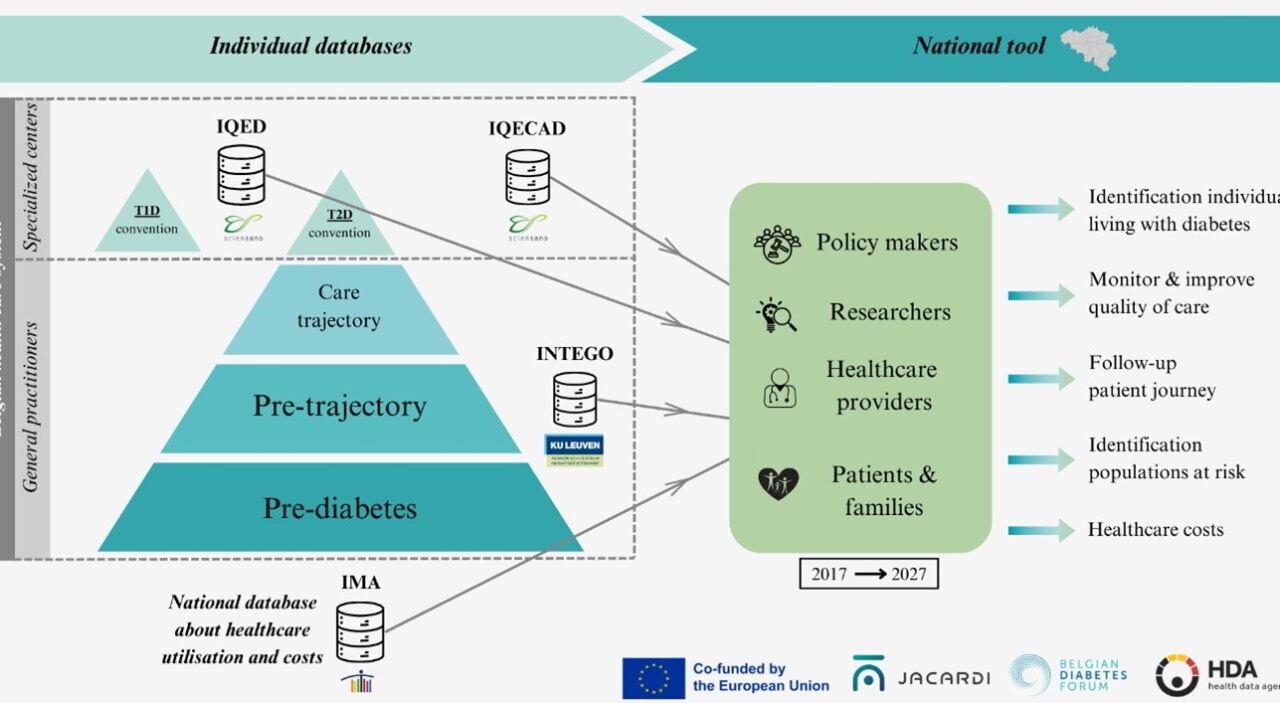
The next phase brings together three institutions: Sciensano, KU Leuven and the Intermutualistic Agency (IMA); each contributing complementary expertise in clinical epidemiology, health services research, and administrative data analysis. By combining these strengths, the consortium – together with the Belgian Diabetes Forum (BEDF) – will transform this linked dataset into a powerful tool for evaluating care quality, treatment patterns, patient pathways, outcomes, and costs.
The Diabetes Data Cell is more than a technical exercise in data linkage. It is a concrete step toward evidence-informed diabetes policy, supporting better planning, improved quality of care, and more efficient resource allocation. By turning routinely collected data into integrated, policy-relevant evidence, this project demonstrates how collaboration within JACARDI can directly strengthen chronic disease monitoring and decision-making at national level, with potential lessons for other countries and other non-communicable diseases.
Diabetes education course supports the Bangladeshi community in the Marche region
In November 2024, the Marche region concluded the first edition of a free Type 2 diabetes education course in Ancona, in collaboration with the ANOLF Association (Associazione Nazionale Oltre le Frontiere), and organised within the European joint action JACARDI by the Marche region, the regional health agency of the Marche region and the Marche diabetes network. The initiative aimed to improve access to prevention, information and healthcare services for the Bangladeshi community by overcoming linguistic and cultural barriers through culturally adapted education, developed through the collaboration established with the ANOLF Association.
Participants shared how valuable the course was for their daily lives. Roxina Akther, a course participant, said the training helped her better understand how to manage diabetes through doctors’ advice, healthy diet and daily habits, and encouraged her to share this knowledge with friends and the wider community. Romana Abdur, a Bangladeshi cultural mediator working with ANOLF, highlighted how culturally adapted guidance supports community members who do not speak Italian in accessing information and healthcare services with greater confidence.
Watch the video to hear and see the community’s perspective.

Breastfeeding and the first 1000 days: an overlooked frontier for disease prevention and health promotion in Europe
Guest article by :
Angela Giusti, Francesca Zambri, Vincenza Di Stefano, Annachiara Di Nolfi, Flavia Splendore (Italian National Institute of Health, Italy), Anne Bærug, Ann-Magrit Lona, Hanne Christine Mosand Bliksås, Gry Hay (Norwegian Directorate of Health, Norway)
JACARDI is proud to feature this guest article from the JA PreventNCD team on Baby Friendly Communities and Health Services. The piece shows how breastfeeding and the first 1000 days are a crucial, yet often overlooked, opportunity to prevent noncommunicable diseases in Europe.
JACARDI represents one of the most ambitious and comprehensive efforts Europe has undertaken to reduce the burden of cardiovascular disease (CVD) and type 2 diabetes. Its life-course approach, its commitment to equity, and its attention to the social and commercial determinants of health create a uniquely fertile ground for expanding the reach of prevention upstream. In this special guest article, the JA PreventNCD team shares their perspective on one such upstream dimension: the first 1000 days of life, from pregnancy to a child’s second birthday. The evidence linking breastfeeding to reduced long-term risk of CVD and type 2 diabetes, in both children and mothers, is now robust, consistent, and biologically grounded.
A Consistent Body of Evidence
Over three decades of research have produced a compelling and converging picture: protecting, promoting, and supporting breastfeeding are among the most effective interventions available for reducing the lifetime risk of the two conditions at the heart of JACARDI’s mandate. The effect sizes are clinically meaningful, dose-related, and supported by plausible biological mechanisms making a strong public health case for action.
Dr. Nigel Rollins, professor at Queen’s University Belfast and one of the lead authors of the Lancet Breastfeeding Series, recently participated in a webinar organized by JA PreventNCD, presenting data on the lifelong effects of human milk. As that landmark series established, and as subsequent systematic reviews have consistently confirmed, having been breastfed as a child is associated with a 26% reduction in the probability of childhood overweight and obesity, falling to a still significant 13% when restricted to high-quality studies adjusting for confounders. Obesity, in turn, is one of the strongest modifiable risk factors for both diabetes and cardiovascular disease.
The Maternal Dimension: Prevention Starts at the Source
The protective effects of breastfeeding are not confined to the child. Mothers who breastfeed also accumulate significant cardiometabolic protection and given that CVD is the leading cause of death in women across Europe, this dimension deserves greater prominence in prevention policy.
A systematic review and meta-analysis drawing on data from over 1,19 million parous women (i.e., women who have given birth) across 8 studies, found that women who had ever breastfed had an 11% reduction in all-cause cardiovascular disease, a 14% reduction in coronary heart disease, a 12% reduction in stroke, and, most strikingly, a 17% reduction in fatal cardiovascular events. A complementary prospective study of nearly 300 000 women replicated these findings across a different population context, confirming a dose-related effect: longer breastfeeding duration consistently lowered risk.
For diabetes specifically, a systematic review found breastfeeding associated with a 27% lower risk of type 2 diabetes in mothers, rising to a 34% risk reduction among women with a history of gestational diabetes, precisely the group at highest risk of progression to overt type 2 disease. A 2025 meta-analysis confirmed a 36% reduced risk of type 2 diabetes mellitus in women with gestational diabetes who breastfed, while non-exclusive breastfeeding in this group was associated with a 76% increased risk, a stark illustration of what suboptimal support costs.
Beyond statistics: biological plausibility
A legitimate scientific question is whether an intervention as simple and as early as infant feeding could plausibly exert effects on cardiometabolic health decades later. The evolving science of human milk composition provides a compelling answer. Breastmilk is not a fixed nutritional formula: it contains maternal gut bacteria, immune cells primed in the mother’s intestine, human milk oligosaccharides that actively shape the infant’s microbiome, small RNAs that regulate gene expression in the baby, and exosomes that carry epigenetic signals. It is, as researchers in the field put it, a complex biological dyadic system, much more than a combination of synthetic ingredients.
The infant gut microbiome established in the first year of life differs markedly between breastfed and formula-fed babies, and these differences persist into childhood and beyond, with downstream effects on immune regulation, metabolic programming, and inflammatory tone. These are precisely the mechanisms through which early-life exposures translate into adult disease trajectories. Breastfeeding does not merely nourish; it calibrates systems.
Enabling informed choice
Understanding the biological depth of breastfeeding does not translate into an obligation. Women, families, have the right to make informed decisions about how they feed their babies, and that right is only meaningful when it rests on genuine access to accurate information, skilled support, and environments that make healthy choices feasible. As the WHO European Strategy for the Prevention and Control of Noncommunicable Diseases “Gaining Health” established nearly two decades ago, the goal of public health is not to tell people what to do, but to make the healthy choice the easy choice. This principle applies with particular force in the first 1000 days, a period in which families are navigating major biological, psychological, and social transitions, often with limited support.
The evidence reviewed here and presented at the JA PreventNCD webinar underscores why that support matters at a systemic level. Breastfeeding rates across Europe remain well below WHO recommendations, and the barriers are rarely individual: they include inadequate parental leave policies, lack of workplace accommodation, aggressive commercial marketing of breastmilk substitutes, and insufficient access to skilled lactation support. These are structural determinants, not personal failures. Collective responsibility, of health systems, employers, policymakers, and communities, means addressing those structures, so that women and families who wish to breastfeed are genuinely able to do so, and those who cannot or choose not to are supported without stigma or judgment.
European Joint Actions and the first 1000 days: a shared foundation
The evidence presented here is not only of academic relevance, it is already informing coordinated action across Europe. Within JA PreventNCD, the Joint Action on Prevention of Non-Communicable Diseases and Cancer, Work Package 6 is dedicated to promoting healthy living environments, and Task 6.5 focuses on implementing the Baby-Friendly Community and Health Services (BFCHS), evaluated as a Best Practice for NCD prevention by the EU Commission in 2022.
Coordinated by the Italian National Institute of Health in partnership with the Norwegian Directorate of Health, this task is implementing the BFCHS model across seven European countries (Greece, Italy, Lithuania, Norway, Slovenia, Spain, and Ukraine) with a specific aim of increasing breastfeeding rates as a contribution to reducing NCDs incidence, starting from the first 1000 days of life, with a focus on social and health inequalities.
The convergence between JA PreventNCD and JACARDI’s mandate is both natural and consequential. Both actions are grounded in a life-course and equity-oriented approach, addressing the social and commercial determinants that shape health trajectories. The science of the first 1000 days, and of breastfeeding, offers a shared evidence base that connects upstream prevention with the downstream outcomes that JACARDI is working to reduce. What begins in the first weeks of life can still be measured, in cardiovascular risk registers and diabetes incidence data, decades later.
Future European Joint Actions and NCD strategies may find in the first 1000 days not a parallel track, but an integral part of the life-course continuum that prevention policy is already committed to addressing.
Strengthening European Health: JACARDI at the JARED Consortium Day
The Joint Action on REspiratory Diseases (JARED) is a major European initiative dedicated to reducing the burden of chronic respiratory diseases through improved prevention, early detection, and integrated care models across the EU. Since chronic conditions like respiratory diseases, diabetes, and cardiovascular issues often share common risk factors, building strategic synergies between Joint Actions is essential to create a unified, high-impact approach to public health and societal prosperity.
In this context, JACARDI contributes to these goals by strengthening prevention and management strategies for cardiovascular diseases and diabetes across Europe within a single framework. By promoting health promotion, reinforcing screening, integrated care pathways and self-management, together with labour participation and improved data governance, JACARDI reinforces a cross-disease, system-based approach that complements JARED’s goals.
Addressing shared risk factors — such as tobacco use, unhealthy diets, physical inactivity, environmental exposures, and social determinants of health — allows both Joint Actions to amplify their impact beyond single disease areas and move toward a more cohesive NCD strategy at EU level.
Building synergies across European public health initiatives
The event program featured a high-level opening with remarks from the WHO and the European Respiratory Society (ERS), followed by a deep dive into JARED’s first-year achievements in indoor air quality, patient pathways, and reaching vulnerable populations. A dedicated session on Strategic Synergies brought together coordinators from various European projects to discuss how to align our efforts for maximum impact.
During this session, Benedetta Armocida, Coordinator of JACARDI presented on building synergies for impact between JACARDI, JARED, and JA PreventNCD, focusing on how coordinated intervention strategies can drive broader societal prosperity. Together, we are ensuring that European health interventions are not just individual projects, but a cohesive movement toward a healthier future.
Three JACARDI pilots showcased at the 45th French Hypertension Days
At the 45th French Hypertension Days in Marseille in December 2025, the French Public Health Agency (Santé publique France) hosted a special session to showcase three innovative JACARDI pilot projects addressing hypertension.
This annual congress, organized by the French Society of Hypertension, brings together more than 500 healthcare professionals from French-speaking countries to share advances in hypertension management.
Session Highlights
The session opened with Dr. Clémence Grave, who presented key French epidemiological insights:
- Hypertension affects over 17 million French adults
- It accounts for nearly 9% of all deaths, yet 1 in 2 adults with hypertension remain unaware of their condition.
To bridge the gap between these alarming statistics and clinical practice, Dr. Grégory Lailler introduced the three main interventions within JACARDI, implemented in the framework of hypertension prevention and health promotion:
- Tension’Elles: A targeted intervention in maternity clinics to raise awareness among women who experienced hypertensive disorders during pregnancy about their future cardiovascular risk, while supporting healthier lifestyle changes. This intervention pilot introduces an innovative care pathway that improves follow-up for women and enhances coordination between hospitals and community care. By identifying risks early, it ensures a seamless transition for women, connecting them with community-health professionals to manage their long-term cardiovascular health and boost the health literacy in these populations.
- TAC (Tension Artérielle – les Chiffres): A public communication campaign to increase awareness of blood pressure numbers and hypertension thresholds, piloted in four high-prevalence French areas.
- TA Tension: A pharmacy-based screening program to identify undiagnosed or uncontrolled hypertension, with loaned self-measurement devices to confirm diagnoses. Leveraging the strategic role of pharmacists as accessible, frontline healthcare providers, this program decentralizes screening. It transforms local pharmacies into key diagnostic hubs, providing patients with low-threshold access to professional medical devices and expert guidance right in their neighborhoods.
Dr. Olivier Obrecht concluded by outlining the National Health Insurance’s nationwide strategies to combat hypertension:
- free self-measurement devices for all newly practicing general practitioners, ensuring better access to diagnostic tools;
- a nationwide awareness campaign to improve hypertension screening rates;
- a newsletter reaching nearly 30 million insured individuals, promoting prevention and early detection;
- an action plan against therapeutic inertia, assessing the effectiveness of antihypertensive treatments after prescription to optimize patient care.
Impact and Outcomes
The session generated strong interest from all healthcare professionals, especially regarding the implementation of new strategies at a national level to tackle the burden of hypertension. It fostered the following:
- Collaboration: a platform for professionals to exchange ideas and refine interventions with national and local stakeholders.
- Network expansion: opportunities to engage with new partners in the JACARDI project and align efforts across France.
The session offered a pivotal moment to unify stakeholders and strengthen collective action against hypertension.
Contributors:
In addition to the main author listed above, this article was prepared with contributions from Santé publique France:
Grégory Lailler, Clémence Grave, Diane Gozlan, Mounia El Yamani, Salima Afiri, Morgane Merat, Andrea Guajardo Villar
From pilots to policy: highlights from the Irish JACARDI Heart Health Symposium
The Irish JACARDI Heart Health Symposium took place on 13 February at University College Dublin, bringing together clinicians, researchers, policymakers and programme leads from across Europe. The day showcased the strength of collaboration under JACARDI and the practical progress being made in cardiovascular and diabetes prevention.
The symposium opened with a welcome from Ireland’s Minister for Health, Jennifer Carroll MacNeill, setting the tone of innovation and equity in cardiovascular and diabetes prevention. Dr Benedetta Armocida, Coordinator of JACARDI, provided an overview of JACARDI’s objectives, highlighting the Joint Action’s commitment to shared learning and scalable implementation across Member States.
The spotlight then turned to the pilots – the core of JACARDI. Six pilots from Ireland, Finland, Belgium, Hungary and Ukraine presented their work, with a particular focus on cardiovascular screening and patient self-management.
Pilot presentations: progress across Europe
- Ireland:
- STOP‑CVD (HSE): Katie Ellwood and Pooja Salgar outlined progress using natriuretic peptide screening to support risk stratification in primary care.
- Healthy Heart Clubs (Croí Heart & Stroke Charity): Lisa Hynes highlighted the importance of structured rehabilitation and long‑term self‑management after cardiac events.
- Finland: Mia Färm (Finnish Diabetes Association) presented the Finnish Risk Calculator, supporting early identification and timely lifestyle intervention.
- Belgium: William Leysen (Diabetes Liga) shared preliminary results from the Halt2Diabetes studies, demonstrating the value of coordinated community‑level screening.
- Hungary: Gréta Máto (OKFŐ) discussed the role of advanced nurse practitioners in strengthening cardiovascular and diabetes screening in primary care.
- Ukraine: Nataliia Hryb (Public Health Centre Ukraine) discussed how they are delivering type 2 diabetes screening in challenging circumstances, underscoring resilience and commitment to patient care.
Across all pilots, a clear message emerged: prevention must be systematic, data-informed and patient-centred.

Women and cardiovascular health: advancing equity
The mid-morning session turned the focus on women with cardiovascular disease (CVD), a key pillar of JACARDI’s commitment to equity and diversity in cardiovascular and diabetes care. The session featured a keynote from JACARDI’s own Dr Héctor Bueno, Co-Leader on the Work Package on Data, who delivered a powerful message: “women are not small men”. His presentation emphasised the need to recognise sex-specific differences in disease presentation, diagnosis, and management.

This was further explored by Dr Mary Ryder, Associate Professor of General Nursing, and Prof. Amy O’Higgins, Consultant Obstetrician at The Coombe Hospital, offering complementary perspectives. Dr Ryder discussed the importance of addressing social determinants of health in cardiovascular prevention, while Prof O’Higgins focused on optimising cardiovascular health during pregnancy, a critical window for long‑term outcomes.
The session was rounded out by a patient story, providing a personal perspective on living with CVD. Her experiences reinforced the human impact behind the statistics and research, leaving a lasting impression on all attendees.
Diabetes and cardiovascular health
The afternoon session turned to diabetes, reflecting its deep interconnection with cardiovascular disease. Dr James (Jim) Januzzi from Harvard Medical School delivered a keynote on heart failure risk across the spectrum of dysglycaemia, stressing the need for integrated approaches. Dr Lisa Devine outlined the successes of Ireland’s Chronic Disease Management Programme, demonstrating how structured, national-level programmes can support early detection, patient engagement, and improved outcomes.
Finally, Prof. Sean Dinneen discussed progress toward a National Diabetes Registry in Ireland, reinforcing the importance of robust data to ensure interventions reach those who need them most, and highlighted the synergies brought about by projects such as JACARDI.
People at the heart of prevention
One of the strongest impressions from the day was how much can be achieved when expertise, curiosity, and compassion are translated into structured action. The symposium wasn’t just about data, tools, or programmes. It was about people: the teams working on the ground across Europe translating strategy into practice, the patients whose stories remind us why these efforts matter, and the exchange of knowledge among colleagues united in a common purpose.
The symposium left attendees not only informed but inspired. It reaffirmed the importance of integrated, patient-centred approaches for a healthier and stronger Europe.
Cardiovascular health in focus: new OECD report and JACARDI experts highlight the path from data to implementation
Cardiovascular disease (CVD) still causes around 1.7 million deaths every year in the European Union. It remains a leading cause of mortality, although most of this burden is preventable. That was the key message of the OECD webinar on 10 February presenting the new EU-funded report ‘State of Cardiovascular Health in the European Union’, which also introduced new monitoring tools and highlighted how the EU Safe Hearts Plan can be translated into practical action, with JACARDI playing an active implementation role.
The webinar, moderated by Francesca Colombo, Head of the Health Division at the OECD Directorate for Employment, Labour and Social Affairs, brought together more than 300 participants from EU institutions, national authorities, research, clinical practice and patient organisations.
Opening the event, Antonio Parenti from the European Commission’s Directorate-General for Health and Food Safety warned that progress in reducing cardiovascular deaths has slowed across Europe. Without stronger prevention and earlier intervention, the overall burden could grow substantially. The recently launched EU Safe Hearts Plan is designed to support Member States in strengthening national plans across prevention, screening, treatment and rehabilitation, with particular attention to vulnerable groups and inequalities in access to care.
New OECD data presented during the webinar show that over three-quarters of cardiovascular deaths in the EU are linked to modifiable risk factors, and trends are worsening in several areas. Around 22% of EU residents live with hypertension, 15% with obesity and 8% with diabetes, while psychosocial risks such as stress, depression and sleep problems affect roughly one third of the population.

Important screening gaps persist: in the 45–54 age group, nearly three in ten adults have not had their blood pressure checked in the past year, and many have gone five years without testing blood sugar or cholesterol. Speakers stressed that screening only improves outcomes when it is followed by timely diagnosis, treatment and long-term patient support.
From the patient perspective, the panel highlighted that delays and fragmentation in diagnosis and care pathways remain a major barrier to better cardiovascular outcomes. Konstantina Boumaki, Board Member of the European Patients’ Forum, warned that late diagnosis and long waiting times not only worsen prognosis but also erode patient trust in the system. She stressed that reducing inequalities is not about delivering identical care to everyone, but about ensuring that all patients can truly access timely diagnosis, treatment and support; a principle that should guide how national cardiovascular plans are designed and implemented.
Alongside the report, the OECD and the European Commission launched a new Cardiovascular Health Dashboard, an online platform that allows policymakers, researchers and the public to track risk factors, care quality and patient pathways across EU countries.
From measurement to implementation
The discussion focused on a recurring weak point in public health policy: implementation. While the evidence on cardiovascular prevention and care is strong, most strategies fail in execution, noted Dr Héctor Bueno, co-leader of JACARDI’s Work Package on data and scientific coordinator of the Cardiovascular Health Strategy of Spain’s National Health System. The key is a clear vision, participation of patients and citizens, as well as political ownership.
Plans only deliver results when they are operational, measurable and realistic, stressed Dr Bueno. Measurement “is essential for visibility and accountability: without indicators, progress cannot be tracked”.
He described how the Spanish strategy is built on a broad indicator framework covering prevention, primary care, acute and chronic care, gender aspects and education, supported by a core set of priority measures. Digital integration, interoperable registries and automated data systems are critical to make monitoring sustainable. Dr Bueno also underlined that aligning scientific evidence, political commitment and citizen engagement is as important as funding when moving from strategy to practice.
JACARDI’s cross-sector contribution to the Safe Hearts Plan
Dr Benedetta Armocida, coordinator of JACARDI, highlighted how the joint action supports the Safe Hearts Plan through cross-sector and patient-journey approaches that connect health literacy, risk awareness, screening and prevention with long-term care pathways. “Cardiovascular prevention is not only a health system responsibility but a societal one, requiring coordinated action across sectors,” Dr Armocida noted, reflecting a Health in All Policies approach.
JACARDI pilots already include early-life interventions to improve children’s understanding of cardiovascular risk and workplace-focused prevention models, alongside broader work on food literacy, healthy environments and equitable access. Digital health and AI tools can accelerate impact, she added, “but only if they are properly integrated into routine care, trusted by users and supported through professional training”.
The overall conclusion was clear: Europe now has stronger data, shared metrics and a dedicated policy framework through the Safe Hearts Plan. With its indicator frameworks, cross-sector pilots and implementation focus, JACARDI is helping to transform evidence and ambition into tangible improvements in cardiovascular health.
References:
OECD (2025), The State of Cardiovascular Health in the European Union, OECD Publishing, Paris
EU Safe Hearts Plan (pdf)
The State of Cardiovascular Health in Europe Dashboard, OECD
The Cardiovascular Health Strategy (CVHS) of Spain’s National Health System, Ministry of Health, Spain (pdf)
A Short Guide to Screening for Individuals at Increased Risk of Developing Cardiovascular Diseases and Type 2 Diabetes
As work progresses on a harmonized EU approach to health checks under the EU Safe Hearts Plan, JACARDI has published its Short Guide for Screening. The document provides practical, evidence-based recommendations to support the organization and implementation of effective screening activities across Europe. It is intended as a quick, accessible reference for public health professionals, policymakers, and other stakeholders involved in planning, designing, or evaluating risk assessment and screening approaches for cardiovascular disease and Type 2 diabetes. The guide was developed by lead authors William Leysen of Diabetes Liga (Belgium) and Hanna Tolonen, Director of Research and Development at the Finnish Institute for Health and Welfare (THL), together with a wider team of JACARDI experts.
Authors: William Leysen, Alessandra Cardinale, Alexandra Cucu, Aurélie Lampaert, Beatrice Formenti, Benedetta Armocida, Benedetta Marcozzi, Carmen Angheluta, Claudia Dima, Claudia Giacomozzi, Eeva Rantala, Fanny Monet, Giovanni Calcagnini, Hanna Elonheimo, Jelka Zaletel, Jill Farrington, Jorik Vergauwen, Krista Kruja, Laura Paalanen, Luigi Palmieri, Massimiliano Petrelli, Mattei Eugenio, Paola Santalucia, Petry Milos, Roberta Papa, Ruth Verdegem, Sue Cohen, Tsvetalina Tankova, Hanna Tolonen
Abstract:
The aim of this short guide, developed within the framework of the Joint Action on Cardiovascular Diseases and Diabetes (JACARDI), a European Joint Action co-funded by the EU4Health Programme, is to provide an overview of approaches for identifying individuals or segments of the population at increased risk of developing cardiovascular disease (CVD) or Type 2 diabetes (T2D). These approaches may include population-level monitoring, individual risk assessment, population segmentation, and also screening. When appropriately designed and implemented, such approaches can support primary prevention efforts by helping to target interventions that tackle harmful risk factors and encourage protective factors.
While not all risk assessment methods constitute formal screening programmes, they may still inform policies and practice. For instance, individual-level risk assessment can support clinical decision-making, whereas population-level stratification can guide broader public health strategies. In some cases, risk identification may also facilitate earlier diagnosis, provided that it is linked to follow-up, diagnosis and treatment pathways. However, any assumptions about improved health outcomes must be supported by evidence, and should consider the full pathway from identification to intervention.
This guide is intended as a quick reference, summarizing key concepts related to the use of risk assessment and stratification approaches in the context of CVD and T2D prevention, the focus being on primary prevention within a public health framework. For comprehensive discussions and detailed guidance on specific screening programmes, readers are encouraged to consult additional sources listed in this document.
Read the full guide here:
Short Guide for Screening Individuals at Increased Risk of Developing CVDs and T2D
Call for papers: join the scientific debate on cardiovascular disease and diabetes
The current policy landscape offers unique momentum for strengthening collective action on noncommunicable diseases. To stimulate discussion on the challenges and opportunities related to cardiovascular disease and diabetes, the International Journal of Public Health and Public Health Reviews have opened a joint call for papers.
Authors are invited to submit Original Articles, Theory and Concept papers, Reviews, and Policy Briefs for the special issue “Strengthening the public health response to cardiovascular diseases and diabetes”. The call for papers is open until 15 January 2027. Submissions will be reviewed by an editorial board that includes two experts from JACARDI, Yhasmine Hamu and Edwin Wouters.
Developed in line with the JACARDI mission, the special issue seeks to foster actionable knowledge that advances effective, equitable, and sustainable responses. Its aim is to support healthier lives, more resilient health systems, and stronger commitment to tackling noncommunicable diseases.
Topics of interest, identified in collaboration with JACARDI, include:
- Primary prevention, including health literacy, awareness, and health promotion
- Screening of high-risk populations
- Integrated health pathways, including health care organization, patient self-management, and reintegration into the workforce
- Data infrastructure and digital technologies as drivers of evidence-informed decision-making and innovation
- Health system strengthening, with a focus on governance, financing, and service delivery
- Strategies to reduce health inequities and ensure that populations living in vulnerable situations are not left behind
Accepted papers will be published on a rolling basis in the online special issue.
Be part of the call and support the creation and dissemination of knowledge that strengthens our public health response to cardiovascular disease and diabetes!
For more information on the call visit the website of the International Journal of Public Health.
How JACARDI can support the implementation of the EU Safe Hearts Plan
Benedetta Armocida, coordinator of JACARDI, presented the Joint Action’s role in shaping screening and early detection approaches under the Safe Hearts Plan, during a dedicated webinar organized by the European Commission.
On 15 January 2026, the European Commission hosted the first stakeholder webinar dedicated to the Safe Hearts Plan, the EU’s first-ever cardiovascular health plan, adopted on 16 December 2025. The online event brought together nearly 500 stakeholders from across Europe and provided a key platform to exchange views on how to support the implementation of the Plan and its flagship initiatives [1].
The webinar [2] marked an important milestone in the roll-out of the Safe Hearts Plan, which aims to tackle cardiovascular diseases (CVDs), the leading cause of mortality in the European Union, through coordinated action on prevention, early detection and screening, and treatment, care and rehabilitation, while addressing cross-cutting challenges such as data and digitalisation, research and innovation, and health inequalities.
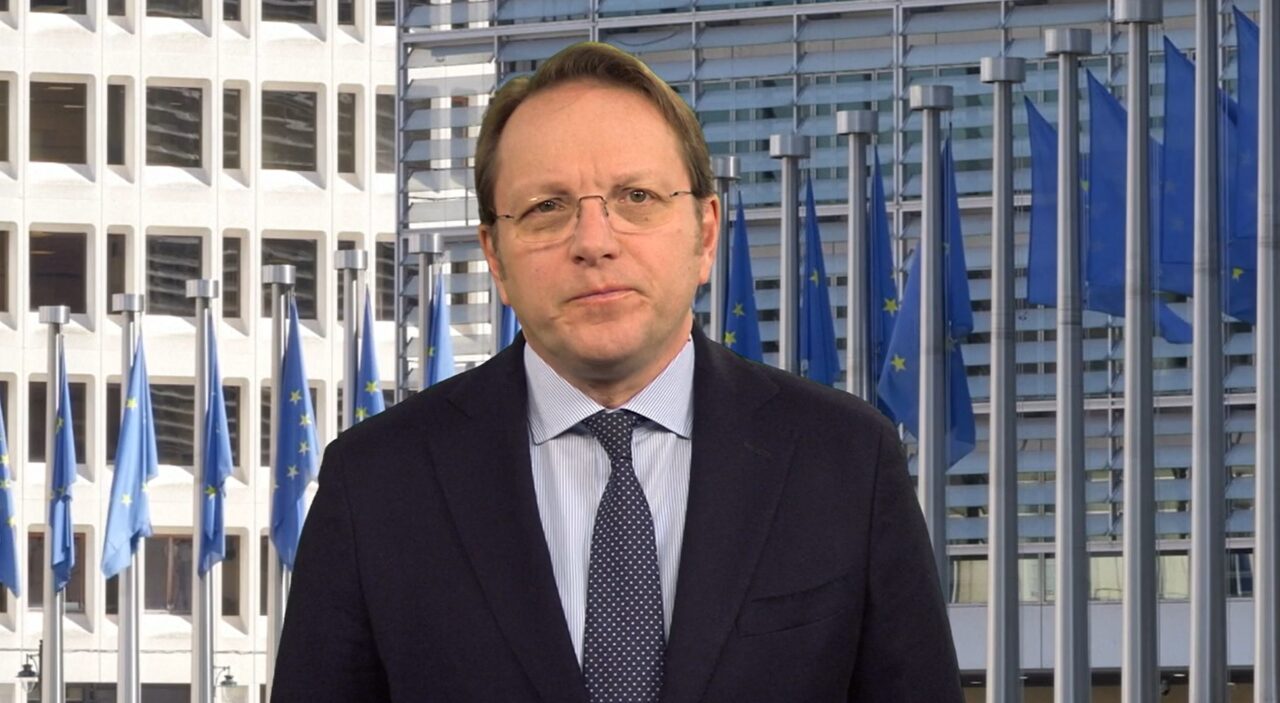
Opening the meeting, Commissioner for Health and Animal Welfare, Olivér Várhelyi, underlined the urgency of action and the importance of collaboration with stakeholders to turn the Plan into concrete results.
“Cardiovascular diseases remain Europe’s number one killer, placing a growing burden on our health systems, societies and economies. With the Safe Hearts Plan, we now have a strong policy tool at EU level, but its success will depend on close cooperation with Member States and stakeholders to make it a reality,” said Commissioner Várhelyi.
Supporting early detection and screening
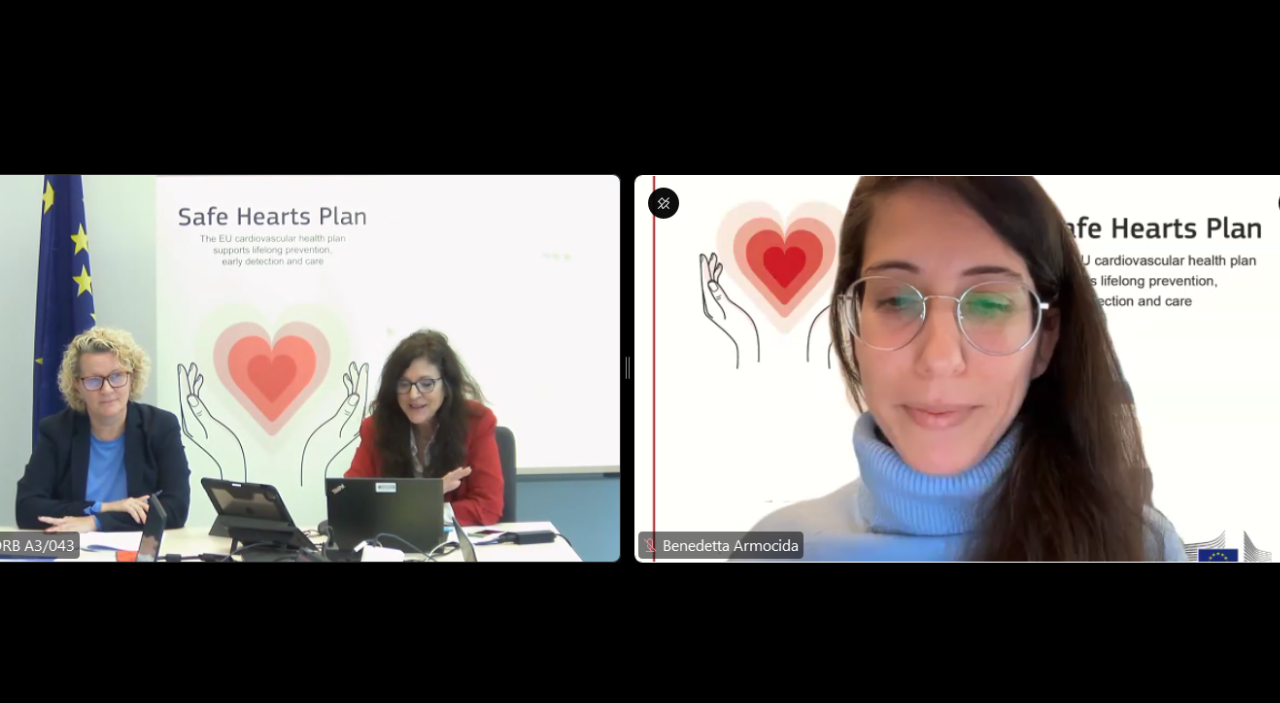
During the webinar, the coordinators of key Joint Actions, JACARDI and JA PreventNCD, presented how their work contributes to the implementation of the Safe Hearts Plan. Dr Benedetta Armocida, coordinator of JACARDI, highlighted the Joint Action’s strong alignment with Pillar 2 of the Plan: early detection and screening, including the flagship initiative on an EU Protocol on Health Checks for CVDs.
JACARDI brings together 21 countries and 81 partners, working to translate EU priorities into concrete, country-level implementation. In particular, Work Package 8 on screening high-risk populations, led by Hanna Tolonen and Luigi Palmieri, is developing common protocols and tools to support Member States in the design, organisation and sustainability of effective screening programmes.
“We are testing and implementing practical solutions that can support the Safe Hearts Plan on the ground. Our pilot projects on early detection and screening aim to generate evidence and tools that help Member States reach high-risk populations, while embedding equity and sustainability across all activities. The aim is to provide further evidence and the result of our pilots to support the implementation of the European plan,” said Dr Armocida.
In practice, JACARDI is implementing 19 pilot projects focused on screening for CVDs and diabetes across different European countries, assessing the feasibility of diverse screening approaches. The Joint Action has also developed an online risk assessment tool selection guide, supporting professionals in selecting appropriate risk prediction methods.
Addressing inequalities is a core priority for JACARDI, fully aligned with the Safe Hearts Plan. Across its 143 pilot projects, the Joint Action promotes equity and diversity, targeting both the general population and high-risk groups, with a focus on integrated care pathways, self-management and social participation.
The webinar also showcased the strong alignment between the Safe Hearts Plan and other EU initiatives. Knut Jønsrud, project manager of JA PreventNCD, emphasised the importance of addressing key risk factors and reducing social inequalities through a life-course approach.
“Several flagship initiatives of the Safe Hearts Plan, such as modernising tobacco control legislation and strengthening health literacy, are closely aligned with our work. A people-centred, equity-focused approach and cross-sectoral collaboration are essential to achieving lasting impact,” said Jønsrud.
A coordinated EU response
Antonio Parenti, director for Public Health, Cancer and Human Security in the Directorate General for Human and Food Security of the European Commission (DG SANTE), stressed the scale of the challenge posed by CVDs and the need for decisive, coordinated action at EU level.
“CVDs cost the EU more than €280 billion every year. Without strong and coordinated action, this burden will continue to grow, affecting future generations, health systems and economic resilience. The Safe Hearts Plan is our collective response to this challenge,” Parenti stated.
He highlighted the Plan’s three pillars and its ten flagship initiatives, designed to improve population health, foster innovation and support sustainable healthcare systems. Prevention remains a cornerstone of the Plan, as nearly 80% of CVDs can be prevented through lifestyle changes, alongside strengthened, patient-centred and multidisciplinary care [3].
Next steps
The European Commission will now collect and analyse the feedback and ideas shared by stakeholders during the webinar. A second stakeholder webinar is planned for the second half of 2026, ensuring continued dialogue as the Safe Hearts Plan moves into its implementation phase.
For JACARDI, the webinar confirmed the relevance of Joint Actions as key instruments to support EU health policies and demonstrated how collaborative, evidence-based approaches can help reduce the burden of CVDs across Europe.
[1] About the Safe Hearts Plan flagship initiatives
Adopted in December 2025, the EU Safe Hearts Plan is underpinned by ten flagship initiatives designed to deliver clear EU added value across prevention, care and innovation, while supporting Member States in addressing cardiovascular diseases in a coordinated and sustainable way:d
- A lifelong, personalised and digitally enabled prevention programme – ‘EU cares for your heart’
- Empowering consumers through information on food processing in the EU
- Modernising tobacco control legislation
- The Commission will examine which appropriate tools, including possible financial actions, could be deployed to support/fund public health actions in the field of primary prevention and stimulate food reformulation and healthier consumer choices
- Proposal for a Council recommendation on vaccination against respiratory infections as a preventive measure for cardiovascular diseases
- EU protocol on health checks for cardiovascular diseases
- Proposal for a Council recommendation on personalised treatment and monitoring of cardiovascular diseases
- Incubator for innovation and integration of AI and digital technologies in cardiovascular healthcare
- EU cardiovascular health inequalities dashboard
- Cardiovascular Disease Research and Innovation Roadmap
[2] Stakeholder Webinar the Safe Hearts Plan – Meeting documents
[3] Questions and answers on the EU Safe Hearts Plan
Navigating adulthood with juvenile-onset type 1 diabetes: a scoping review on education, employment and quality of life
Scientific publications by JACARDI
In this post series we share the scientific publications directly linked to the JACARDI project. All publications featured in this series are authored or co-authored by JACARDI partners and reflect research and findings developed within the project framework.
We aim to showcase how evidence supports our joint mission to tackle cardiovascular diseases and diabetes across Europe.
Stay informed on how JACARDI turns evidence into action.
Authors: Eleonora Maurel, Arianna Fornari, Alessandra Knowles, Erika Guastafierro, Martina Lanza, Alessia Marcassoli, Matilde Leonardi, Luca Ronfani and Lorenzo Monasta
Abstract:
Background: Juvenile type 1 diabetes can present lifelong challenges that may affect educational, employment, and health-related quality of life (HRQoL) outcomes in adulthood. This scoping review aims at exploring the long-term impact of juvenile-onset type 1 diabetes on education and career achievements and well-being in adulthood.
Methods: A scoping review conducted using PubMed and PsycInfo (2005– 2025) identified studies comparing adults diagnosed with type 1 diabetes during childhood and adolescence to controls without type 1 diabetes. Three studies focusing on educational attainment, employment, income, and HRQoL, met the inclusion criteria.
Results: The studies included in the review show that university attendance is significantly lower among individuals with juvenile-onset type 1 diabetes, and this affects both men and women. Access to the labor market and earnings are similarly affected, especially in the case of women who experience both lower employment rates and income, compared to controls without diabetes. Men with type 1 diabetes have equal opportunities for workforce entry, but this does not translate into long-term income parity. Compared to healthy controls, HRQoL is lower among adults with type 1 diabetes, particularly in the school/work and emotional domains. Common challenges include low energy, forgetfulness, and concentration difficulties.
Conclusion: While it is a matter of debate how juvenile-onset type 1 diabetes affects academic achievements, there is general agreement that it leads to persistent disadvantages in employment and HRQoL in adulthood. Targeted support from diagnosis and during transition to adulthood is essential to mitigate the long-term impact of juvenile-onset type 1 diabetes on educational, employment and psychosocial outcomes for this population.
Source: https://www.frontiersin.org/journals/public-health/articles/10.3389/fpubh.2025.1707581/full