First EU Screening Week puts prevention and early detection in the spotlight
From 28 September to 4 October 2026, activities across Europe will raise awareness of silent cardiometabolic risks and encourage people to know the numbers that matter.
The first-ever EU Screening Week will create a shared European moment for prevention, bringing together public health organisations, healthcare professionals, patient groups and other partners around a simple message:
Blood pressure. Cholesterol. Blood sugar. Know the numbers that matter.
The European Commission initiative forms part of the Know Your Numbers campaign under the EU Safe Hearts Plan. Taking place around World Heart Day on 29 September, it aims to increase awareness of health checks and the importance of identifying cardiovascular and metabolic risks earlier.
High blood pressure, cholesterol and blood sugar can increase the risk of cardiovascular disease, stroke and type 2 diabetes, often without causing noticeable symptoms. Checking these indicators can reveal hidden risks, enable earlier action and contribute to better health outcomes.
A European moment for prevention
Organisations can take part in many ways, from health checks and community events to workplace or pharmacy initiatives, webinars, media outreach and digital campaigns.
Organisations planning an activity can register it by 20 September for possible inclusion on the EU Screening Week interactive map. The map will help make prevention activities across Europe more visible and show the breadth of organisations contributing to the campaign.
Campaign information and materials are available through the European Commission’s EU Screening Week website. Organisations and individuals can also support the initiative by sharing its resources and spreading the message through their own networks.
From identifying risk to taking action
EU Screening Week closely reflects JACARDI’s work on prevention, early detection and screening. Across Europe, 19 JACARDI pilot projects are testing different approaches to identifying people at increased risk of cardiovascular disease and type 2 diabetes and connecting them with appropriate support. Explore these JACARDI pilot interventions across Europe on our interactive pilot map.
JACARDI’s Short Guide to Screening stresses that identifying risk is only the beginning. Health checks make a meaningful difference when they are part of a complete pathway that includes follow-up, diagnosis, appropriate intervention and long-term support.
EU Screening Week provides an opportunity to make prevention and early action more visible across Europe and to encourage more people to know their numbers, understand their risks and seek appropriate professional advice.
Register an EU Screening Week activity by 20 September.
JACARDI as a proof-of-concept for Europe’s Safe Hearts Plan
A new commentary in the International Journal of Public Health explores how JACARDI supports the translation of Europe’s Safe Hearts Plan into practical implementation. Activities conducted across JACARDI’s portfolio of over 140 pilots are generating practical implementation evidence on how public health strategies can be translated into practical action to prevent cardiovascular disease and diabetes. The authors argue that coordinated, life course-based approaches, combining prevention, early detection and integrated care, are essential to reduce the burden of these conditions across Europe.
Cardiovascular disease remains the leading cause of premature mortality and disability in the European Union. The article, by lead author Benedetta Armocida and other contributors from the joint action, highlights that the main challenge is not the lack of strategies, but how to implement them effectively and equitably across different health systems.
The article presents JACARDI as a proof-of-concept for implementing the EU Safe Hearts Plan. A key message is that cardiovascular disease and diabetes should be addressed together using a life course approach, recognising that risk factors build up over time. Early actions, such as health literacy programmes for children and young people, can support long-term health outcomes.
Linking detection, care and everyday support
The authors highlight that screening is effective only when it is connected to follow-up care. JACARDI pilots test different approaches, including community-based screening, mobile units and digital tools linked to lifestyle support.
The commentary also emphasises integrated care and self-management. Pilot interventions like a co-designed mobile application to optimize secondary prevention in Madrid and care pathways co-developed with patients and caregivers in the Basque Country demonstrate that digital and telemedicine solutions can support continuity of care and help people manage their condition in everyday life.
Equity and data as key priorities
The article underlines the importance of strong data systems and a focus on equity. Shared data models enable better monitoring of health outcomes and differences between population groups. Inclusive, targeted approaches are needed to ensure that prevention and care reach everyone.
Overall, the commentary highlights that JACARDI provides a practical model for turning policy into action. The authors conclude that combining a life course approach, integrated care and equity-focused implementation can support long-term improvements in cardiovascular health across Europe.
Read more: Commentary on JACARDI and the Safe Hearts Plan
Publication: Closing the implementation gap: the Joint Action on Cardiovascular Diseases and Diabetes (JACARDI) as a proof-of-concept for Europe’s Safe Hearts Plan
Authors: Benedetta Armocida et al. (on behalf of the JACARDI Implementation Board)
Journal: International Journal of Public Health
Publication date: 15 June 2026
DOI: https://doi.org/10.3389/ijph.2026.1609906
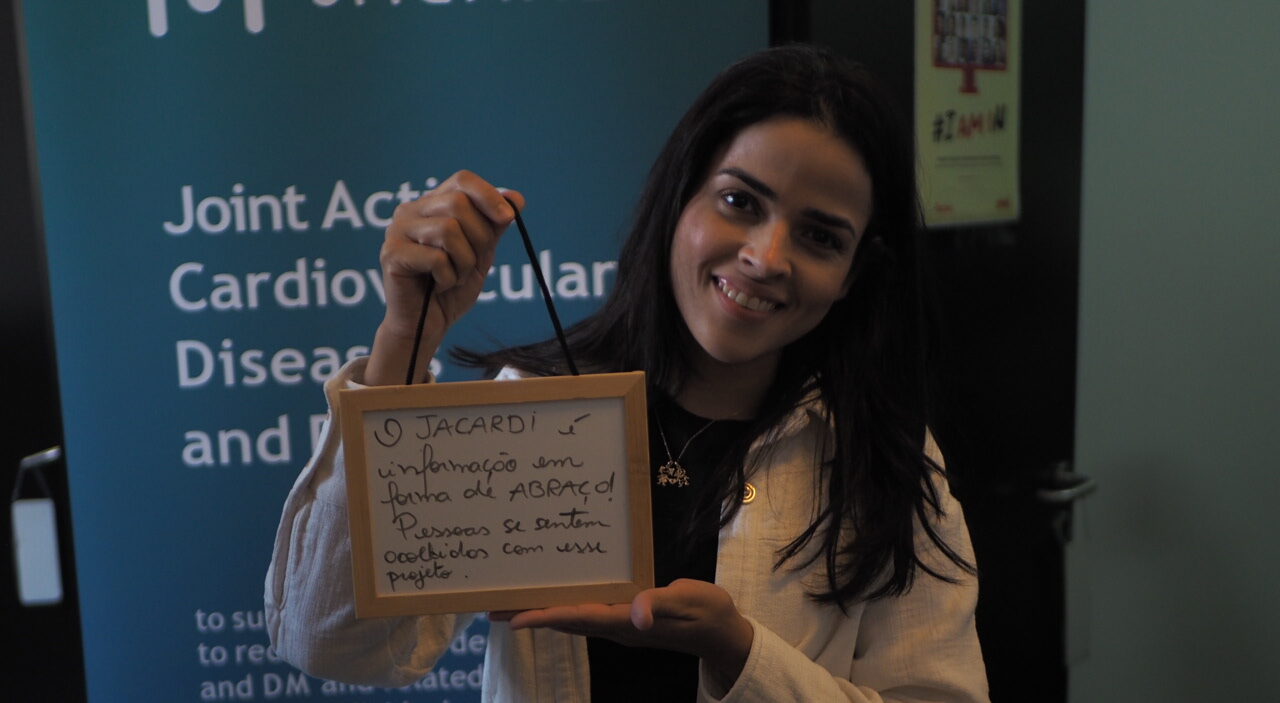
Co-creating health literacy actions with migrant communities in Portugal for more equitable prevention
How can cardiovascular disease and diabetes prevention become more inclusive, accessible, and meaningful for populations experiencing vulnerabilities?
In Portugal, two pilots within JACARDI’s work package on Health Literacy are exploring how locally co-created health literacy actions can make cardiovascular disease and diabetes prevention more inclusive, accessible, and meaningful.
While each pilot addresses distinct population needs, both are guided by the Ophelia approach, Optimising Health Literacy and Access. This shared framework supports their commitment to equity-oriented prevention, locally tailored interventions, and participatory implementation.
One of the pilots, led by the NOVA National School of Public Health, focuses on migrant communities in the Lisbon Metropolitan Area. It aims to strengthen health literacy and support informed action to protect and promote health, with a particular focus on diabetes and cardiovascular disease. Special attention is given to people who may face additional barriers to health information, prevention, and care, including recent arrivals, women with caregiving responsibilities, and those less often reached by traditional health promotion initiatives.
Building and co-creating solutions with communities
The migrant-focused Portuguese pilot combines quantitative and qualitative methods with a participatory process, following key components of the Ophelia approach. During the first needs and resources assessment stage, the pilot involved more than 1,200 people, including over 1,100 migrants who completed a multilingual Health Literacy Questionnaire. Interviews and a photovoice study further explored lived experiences of health, prevention, and access to care, informing the development of 16 health literacy profiles and vignettes later used in idea-generation workshops with migrants and other stakeholders.
The workshops generated more than 70 action ideas, which were then refined through prioritisation workshops to select health literacy actions, strengthen the programme theory of change, and co-design the evaluation.
Community engagement was built around co-creation from the outset, through a Community Board and a structured participatory process involving migrants, community organisations, health and social care professionals, researchers, decision-makers, and local stakeholders. The project placed particular emphasis on safe participatory spaces, supported by flexible scheduling, multilingual facilitation, child-friendly arrangements, and emotional support mechanisms. Migrant informal leaders were also trained as peer experts to co-facilitate sessions, helping to build trust and strengthen community capacity for sustained engagement beyond the project.
Testing culturally adapted health literacy actions
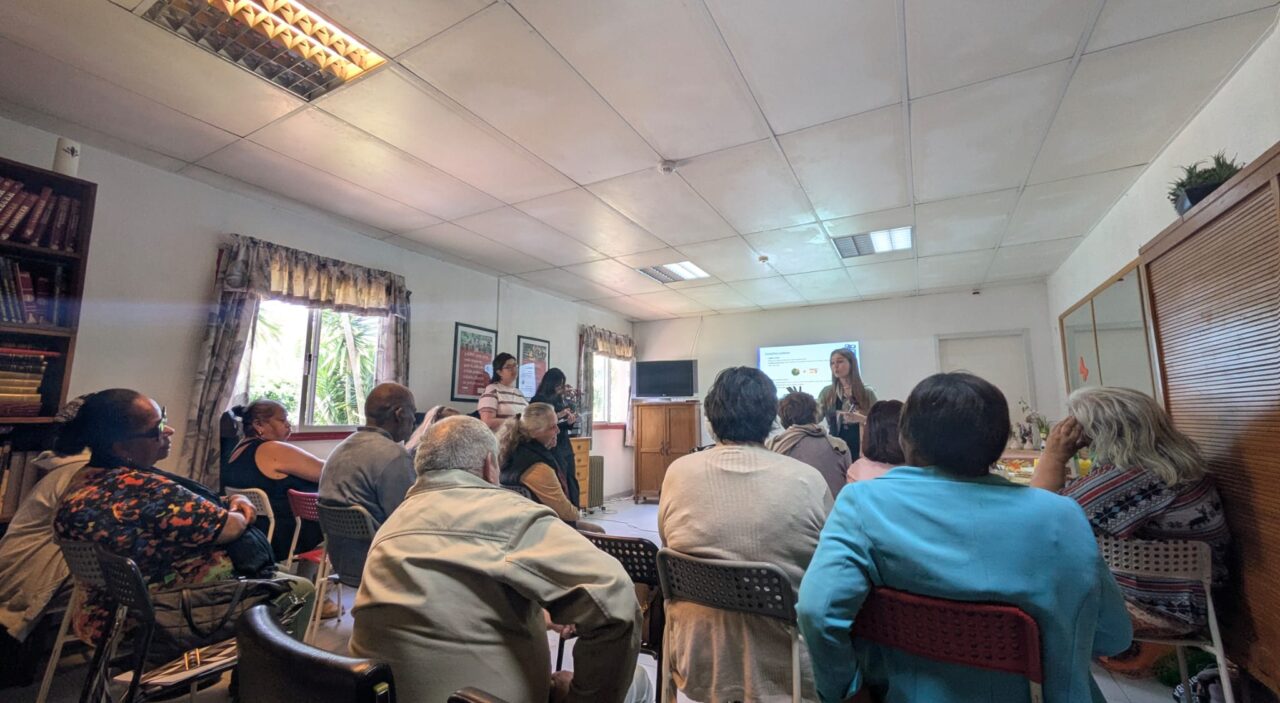
Following the co-design phase, the pilot moved into implementation across community organisations, with Health Links sessions adapted at the start of each group to reflect participants’ needs, priorities, and everyday contexts. To date, more than 100 migrant participants from 18 countries of origin have taken part in sessions covering communication with healthcare professionals, navigation of the Portuguese National Health System, understanding health information, healthy nutrition, physical activity, and cardiovascular disease and diabetes prevention.
The sessions combined practical learning, peer exchange, culturally adapted examples, and community participation to strengthen health literacy as a shared responsibility between individuals, communities, and services. Activities included role plays with health professionals, games on misinformation and reliable health information, tailored nutrition activities based on participants’ cultural food practices, and outdoor physical activity sessions in public parks.
The pilot evaluation used a mixed-methods approach, combining baseline and post-intervention data with qualitative feedback from participants, facilitators, and partner institutions. Preliminary results show strong participation, high acceptability, feasibility, perceived usefulness, and improvements in health literacy and behaviour change. Participants particularly valued the practical and culturally relevant content.
From implementation to sustainability
Recently, the Portuguese teams welcomed colleagues from JACARDI’s Sustainability team for a joint working visit focused on long-term sustainability, transferability, and the integration of pilot activities into existing health and community systems. The visit included meetings with both pilot teams and visits to implementation settings, enabling direct exchange with participants, researchers, facilitators, community stakeholders, and participating institutions.
Discussions explored how co-creation practices, community ownership, and peer involvement can support continuity beyond project funding. The visit also highlighted reflective implementation practices already emerging within the pilots, including continuous adaptation based on participant feedback, collaboration with organisations and services, and multilingual and culturally sensitive facilitation strategies.
“The project has shown us that meaningful prevention cannot be designed far from people’s realities. Co-creation with migrant communities was not an accessory component, it became the foundation for building trust, relevance, and sustainability,” said Maria João Marques, researcher at NOVA and JACARDI Portugal scientific coordinator.
This focus on sustainability is also informing broader work at national level. Building on the lessons emerging from the Portuguese pilots, a national methodological roadmap is currently being developed in Portugal by the Directorate-General of Health (DGS), NOVA, and the Portuguese Diabetes Association (APDP), to support the implementation of health literacy actions across Local Health Units. The roadmap aims to facilitate the future adaptation, replication, and sustainability of community-based approaches.
In January 2026, interim findings from the JACARDI pilots in Portugal were presented during a national webinar on co-creation and health literacy. The event gathered more than 200 participants from health, policy, academic, and community sectors, strengthening dialogue around prevention, diabetes care, and culturally responsive health literacy interventions.
For those involved, the pilot has also created a different kind of experience. As Cadi Chengelam, one of the participants in the migrant-focused health literacy activities, reflected: “For the first time, I felt that people listened to our difficulties and adapted the sessions to our culture and daily life. It did not feel like receiving instructions, it felt like building solutions together.”
In the coming months, the teams will continue refining materials, analysing evaluation findings, and exploring opportunities for long-term integration within healthcare and community settings.

Advancing cardiovascular prevention: regional results from the Italian Health Examination Survey – CUORE Project
Within JACARDI’s framework, the Italian Health Examination Survey (ITA-HES) – CUORE Project has delivered new regional results on major risk factors for non-communicable diseases. Implemented under Work Package 8, the pilot is being carried out in seven Italian regions and is coordinated by the Istituto Superiore di Sanità.
The initiative responds to the World Health Organization recommendation that Member States conduct health examination surveys every five years to monitor progress in prevention and control of non-communicable diseases, particularly cardiovascular diseases.
From data collection to regional action
Screening activities have been completed in four regions – Emilia-Romagna, Piedmont, Liguria and Lazio – and a dedicated report (for 2025) has been distributed to regional stakeholders in each territory.
The survey is based on direct health examinations of random samples of the adult population. It has a dual purpose:
- to strengthen surveillance of cardiovascular and metabolic risk factors through objective measurements;
- to provide population screening for early detection of risk conditions and promote health awareness at individual level.
Regional reports present key indicators recommended for monitoring non-communicable diseases, including:
- Blood pressure: levels, hypertension, awareness and treatment
- Lipid profile: total cholesterol, HDL, triglycerides, hypercholesterolemia, awareness and treatment
- Glycaemic status: blood glucose, diabetes prevalence, awareness and treatment
- Body mass index, obesity, overweight, normal weight, waist and hip circumference
- Nutrition habits based on 24-hour urine collection salt and potassium intake
- Physical activity: inactivity prevalence and daily steps
- Smoking habits: prevalence and cigarette consumption
- Overall absolute cardiovascular risk
Strengthening prevention and equity through evidence
Beyond estimating health indicators, the pilot assessed the impact of screening at individual level, including awareness of risk conditions and opportunities for health promotion. By combining surveillance and prevention, the ITA-HES – CUORE Project supports JACARDI’s objectives to reduce the burden of cardiovascular diseases and diabetes, promote early detection, and improve equity in access to preventive services.
The experience from these four regions demonstrates the feasibility and added value of systematic health examination surveys at regional level. The next steps include completion of activities in the remaining regions and continued collaboration with regional stakeholders to translate findings into targeted prevention policies and actions.
What the results reveal
The analysis of the data collected in the four regions highlights a substantial burden of modifiable cardiovascular risk factors in the adult population, together with important gaps in awareness and treatment. Across regions, elevated blood pressure, high total cholesterol and altered glycaemic status were frequently identified through direct measurements, and a proportion of individuals with these conditions were not aware of their risk status or were not receiving treatment.
In the Piedmont region, 40% of men and 24% of women with hypertension (systolic blood pressure >=140 mmHg and/or diastolic blood pressure >=90 mmHg and/or under specific treatment) were unaware of possible blood pressure problems, and 10% of men and 8% of women who were aware were not receiving treatment.
The results also show relevant levels of overweight and obesity based on body mass index and waist circumference, as well as non-optimal salt intake measured through 24-hour urine collection. In the Emilia-Romagna region, 79% of men and 69% of women were overweight or obese, and more than half of the population consumed more salt than recommended.
In addition, physical inactivity and current smoking remain present in a significant share of the population. Compared to data collected approximately 15 years ago, a common trend in all four regions examined shows a significant reduction in hypercholesterolemia. High cholesterol was defined as having total cholesterol levels of 240 mg/dl or higher, or taking medication to treat it. Overall, the results of main health indicators underline the need for strengthened primary prevention, early detection and targeted health promotion strategies at both national and regional level, in line with JACARDI’s objectives.
Access available results from all regions here.
Strengthening European Health: JACARDI at the JARED Consortium Day
The Joint Action on REspiratory Diseases (JARED) is a major European initiative dedicated to reducing the burden of chronic respiratory diseases through improved prevention, early detection, and integrated care models across the EU. Since chronic conditions like respiratory diseases, diabetes, and cardiovascular issues often share common risk factors, building strategic synergies between Joint Actions is essential to create a unified, high-impact approach to public health and societal prosperity.
In this context, JACARDI contributes to these goals by strengthening prevention and management strategies for cardiovascular diseases and diabetes across Europe within a single framework. By promoting health promotion, reinforcing screening, integrated care pathways and self-management, together with labour participation and improved data governance, JACARDI reinforces a cross-disease, system-based approach that complements JARED’s goals.
Addressing shared risk factors — such as tobacco use, unhealthy diets, physical inactivity, environmental exposures, and social determinants of health — allows both Joint Actions to amplify their impact beyond single disease areas and move toward a more cohesive NCD strategy at EU level.
Building synergies across European public health initiatives
The event program featured a high-level opening with remarks from the WHO and the European Respiratory Society (ERS), followed by a deep dive into JARED’s first-year achievements in indoor air quality, patient pathways, and reaching vulnerable populations. A dedicated session on Strategic Synergies brought together coordinators from various European projects to discuss how to align our efforts for maximum impact.
During this session, Benedetta Armocida, Coordinator of JACARDI presented on building synergies for impact between JACARDI, JARED, and JA PreventNCD, focusing on how coordinated intervention strategies can drive broader societal prosperity. Together, we are ensuring that European health interventions are not just individual projects, but a cohesive movement toward a healthier future.
JACARDI featured on Italian national TV: free health screenings raise awareness on diabetes and cardiovascular risks
JACARDI was recently featured on RAI, Italy’s national public broadcaster, highlighting a free public screening campaign aimed at the early detection of diabetes and cardiovascular disease. This broadcast was filmed during a high-profile event in Reggio Calabria tied to the arrival of the Italian Navy’s historic ship Amerigo Vespucci, and it brought national attention to a simple yet powerful tool for screening and prevention: online self-assessment accessible through a QR code.
The JACARDI project, in collaboration with the ASP (Azienda Sanitaria Provinciale, Local Health Authority) of Reggio Calabria, was able to engage with citizens by making them scan a QR code with their smartphone and receive information about preventive health measures. People answered simple questions and received useful lifestyle tips, and those showing health concerns were flagged for follow-up, providing an immediate and accessible method for early diagnosis.
During the broadcast, several key figures were interviewed, including Dr. Lucia Di Furia, Director General of ASP Reggio Calabria, who suggested that prevention begins with daily awareness. Along with Dr. Ernesto Giordano, an endocrinologist and project manager on childhood obesity prevention, Di Furia highlighted how important it is to educate children on food habits to prevent future health issues.
This initiative exemplifies how JACARDI, as part of a broader EU Joint Action, is transforming prevention into practical action. By combining digital innovation with community outreach, the project is not only improving health literacy but also enabling early detection of conditions that often go unnoticed until it’s too late. As one of the 142 pilots under JACARDI, the ASP Reggio Calabria screening demonstrates how EU joint actions can deliver real, measurable benefits to people’s lives, fostering a culture of prevention and improved care that crosses borders and builds healthier futures for all.
The pilot in Calabria is one of 18 pilots within JACARDI’s Work Package 8, which focuses on screening and identifying individuals at increased risk of cardiovascular diseases and diabetes. These conditions can often be prevented or delayed through healthy lifestyle changes and better risk factor management. The pilots collect standardized data on key risk factors across European countries to support more targeted, evidence-based prevention strategies.
For the news broadcast in Italian, click here, and to watch the pilot’s promotional video, click here.