Building stronger prevention systems in Ukraine: insights from the Kyiv JACARDI meeting
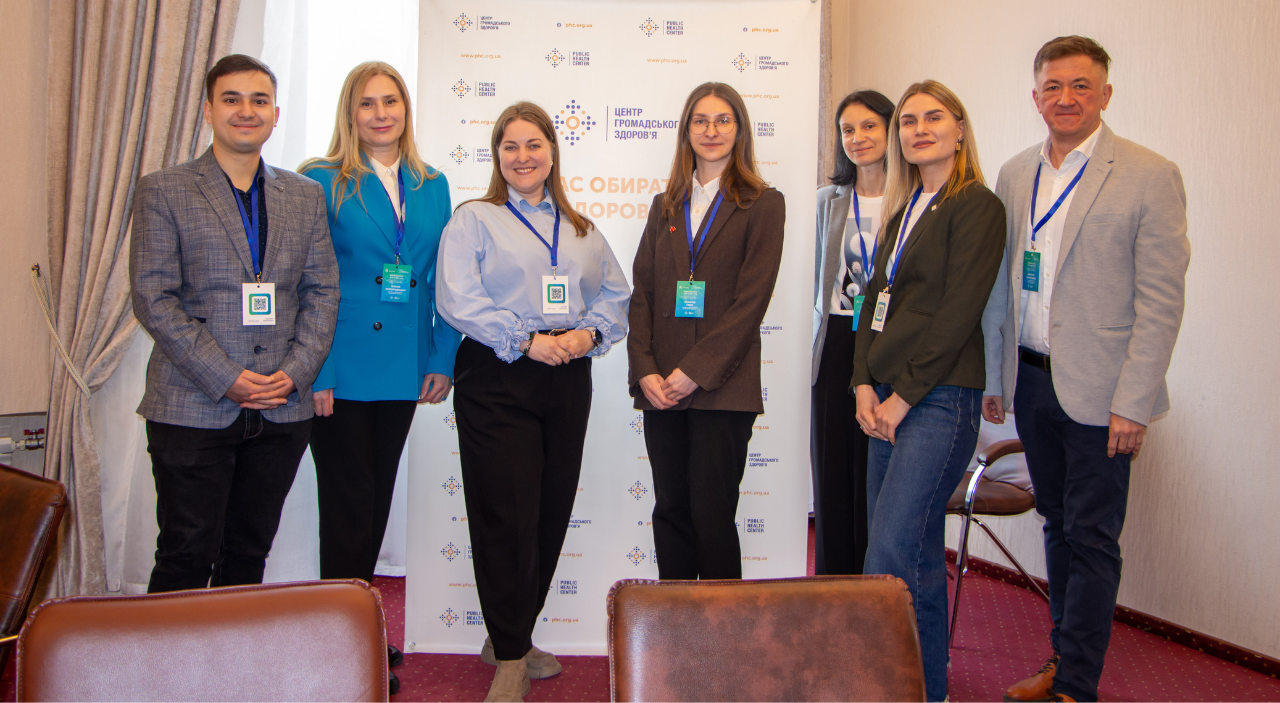
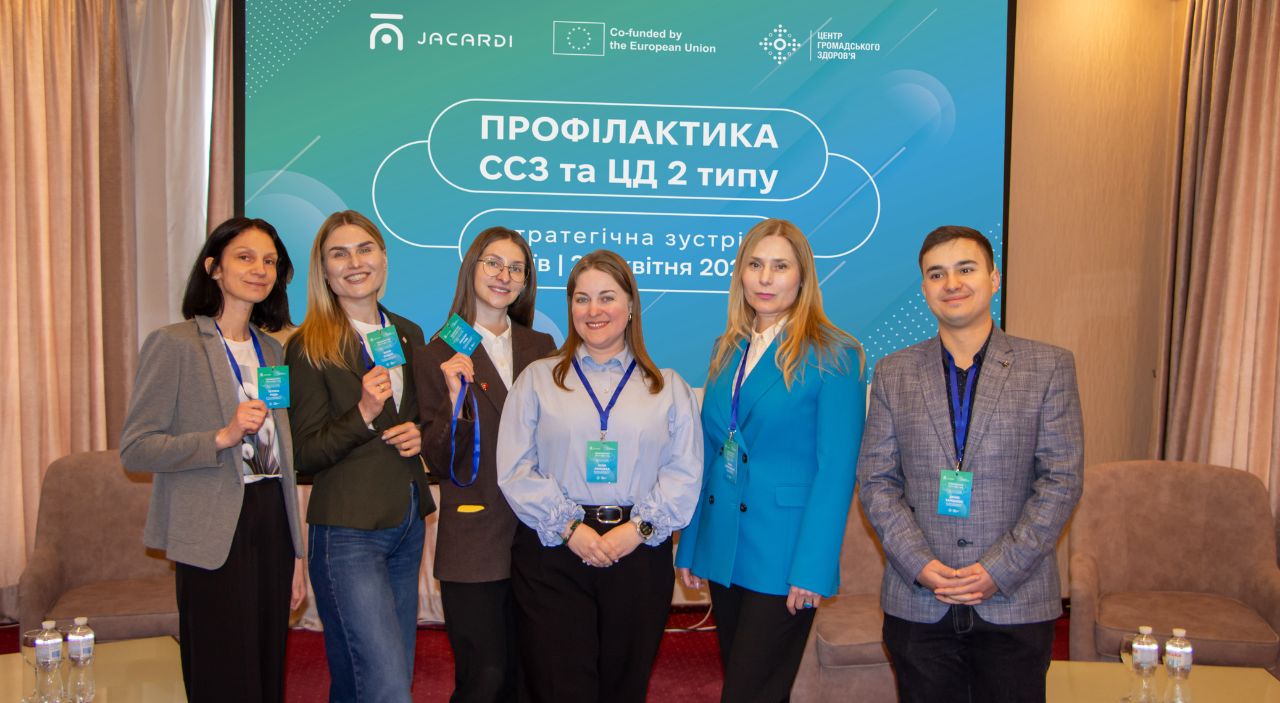
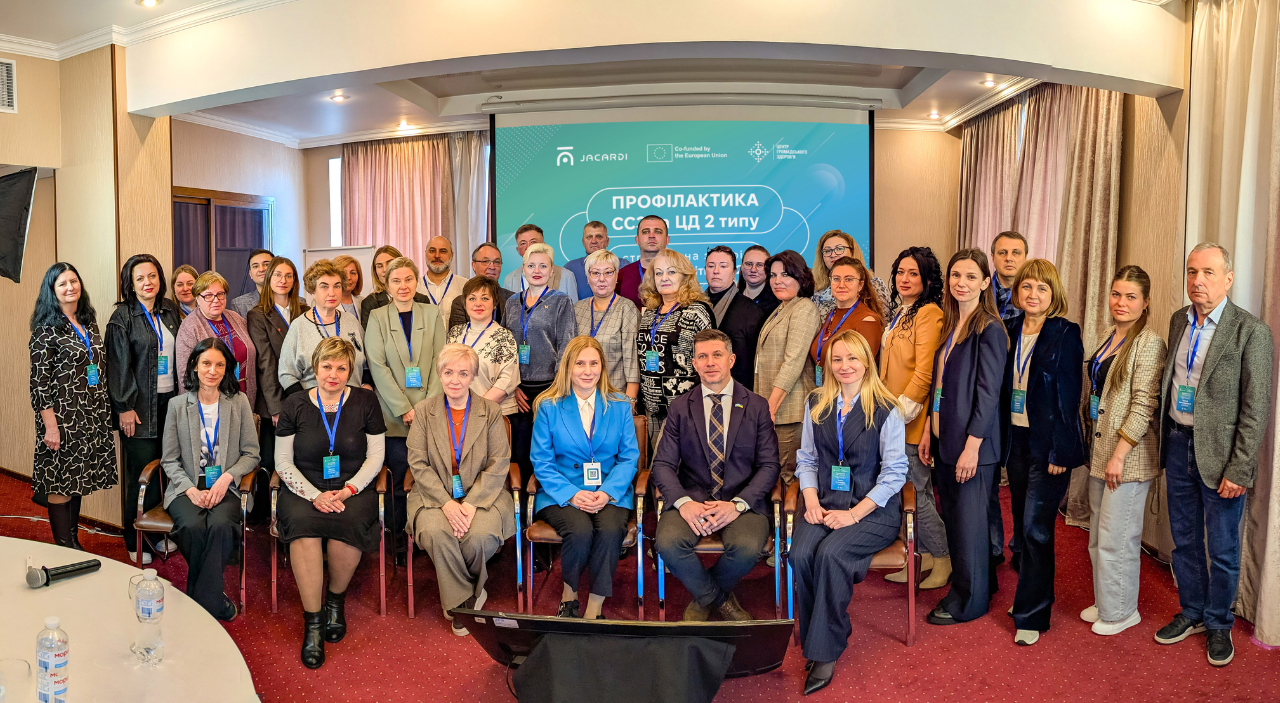
A strategic meeting on implementing effective models for the prevention of cardiovascular diseases and type 2 diabetes was held in Kyiv, Ukraine, organized by the Public Health Center of the Ministry of Health of Ukraine within the framework of JACARDI. The event brought together representatives from the Ministry of Health of Ukraine, the WHO Country Office in Ukraine, and regional centers for disease control and prevention. The main goal of the meeting was to strengthen collaboration in public health, exchange experiences, and integrate European best practices into the prevention of non-communicable diseases (NCDs).
Early identification of risk factors, modern community-level screening models, and international experience in prevention programs were at the forefront of discussions, with special attention on the Safe Hearts Plan. Behavioural risk factors and their impact on premature mortality and population health loss were also high on the agenda.
“Non-communicable diseases often remain ‘invisible’ — their consequences do not appear immediately. At the same time, it is important to understand that prevention is far cheaper than treatment, and healthy nutrition and physical activity are not about trends but primarily about preserving health,” said Tetiana Skapa, Director of the Public Health Department of the Ministry of Health of Ukraine.
What JACARDI pilot studies reveal about prevention and care
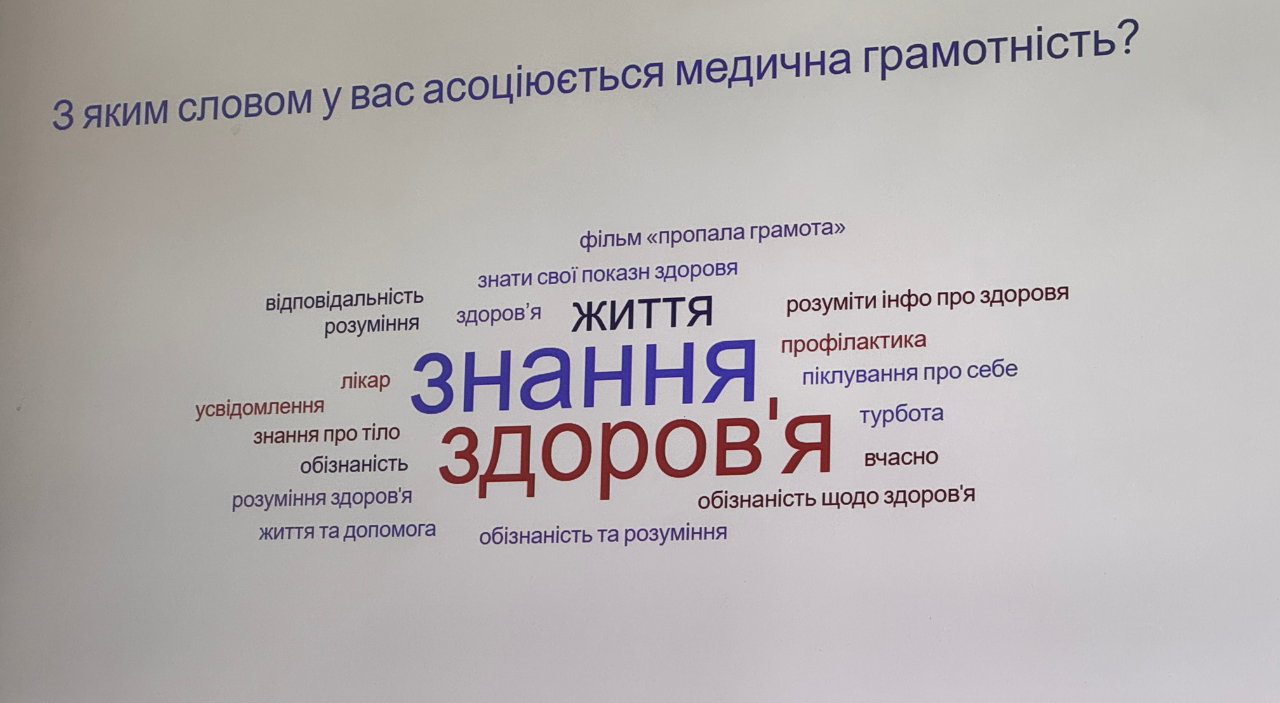
The meeting also included discussion of the main findings from a study on health literacy regarding self-monitoring of arterial hypertension. The study was conducted using the Ophelia (Optimising Health Literacy and Access) process, a co-design approach for developing health literacy actions that is applied across 24 pilot projects within JACARDI’s work package on health literacy. The findings of the study confirmed that health literacy is a key factor in the effective prevention and self-management of high blood pressure, influencing adherence to treatment and regular monitoring. The study also highlighted practical opportunities for improvement, including clearer patient communication, better access to blood pressure monitoring in community settings, stronger patient education and peer support, and more coordinated healthcare delivery.
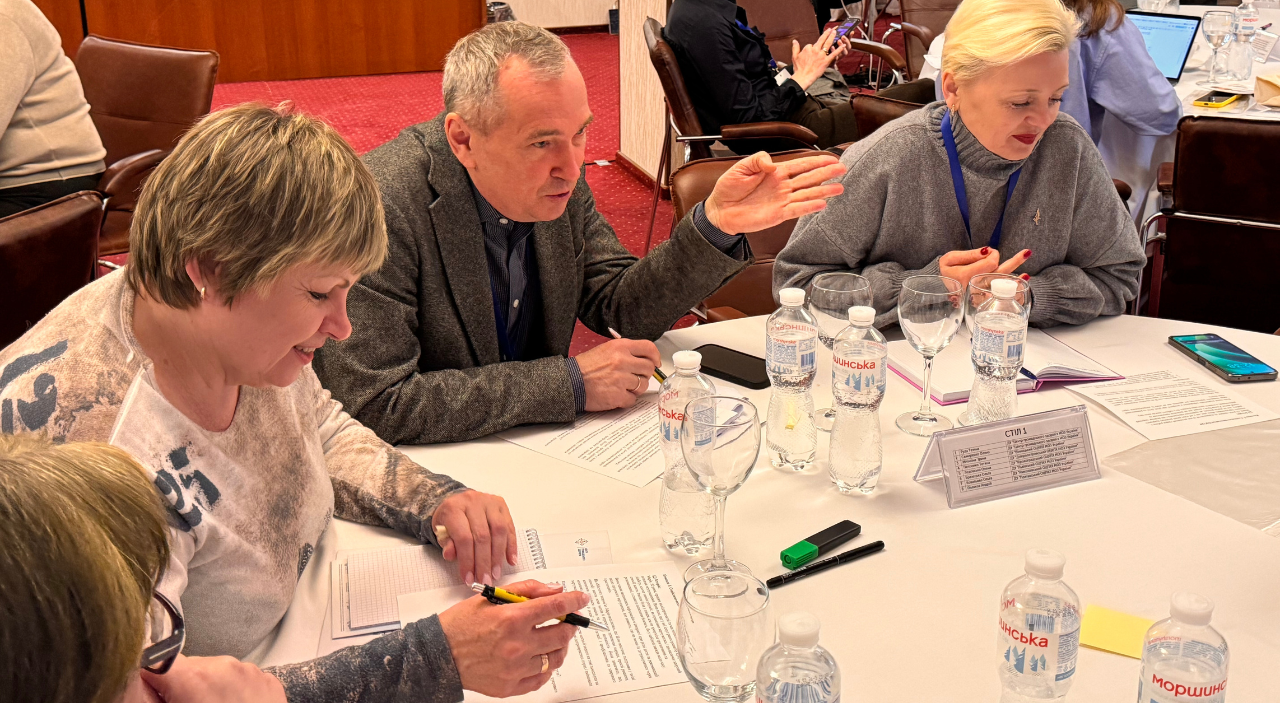
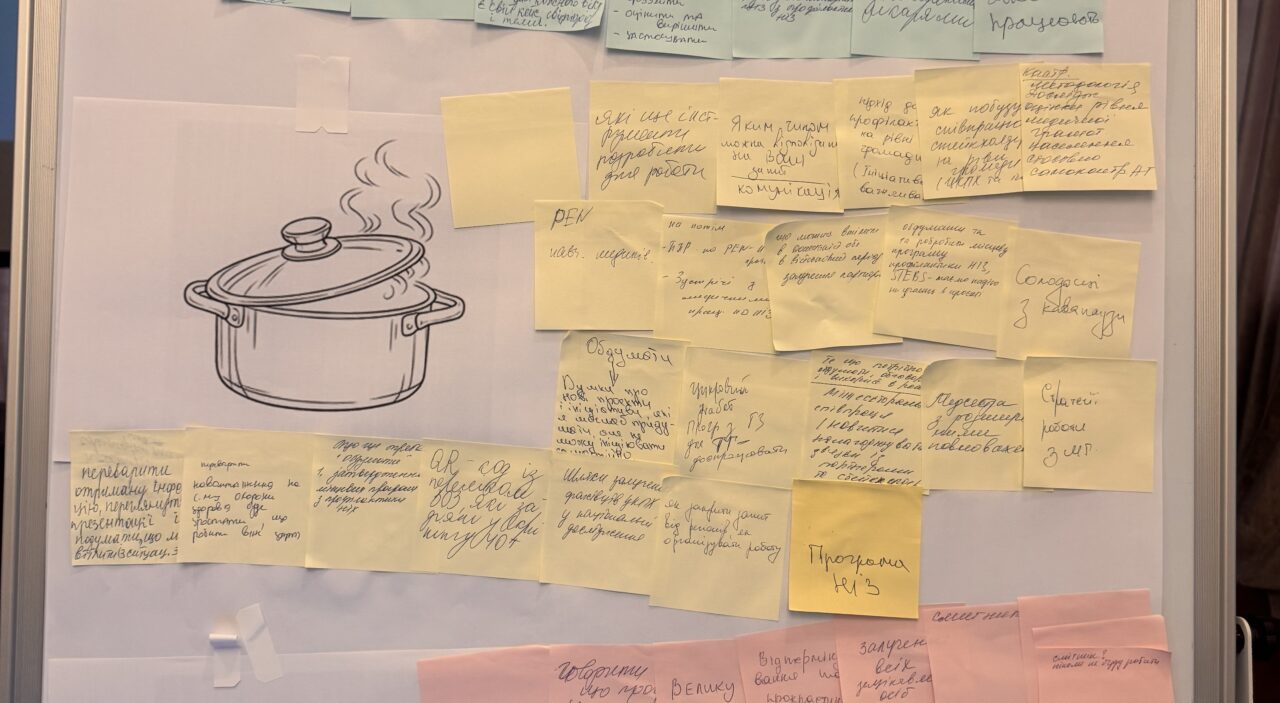
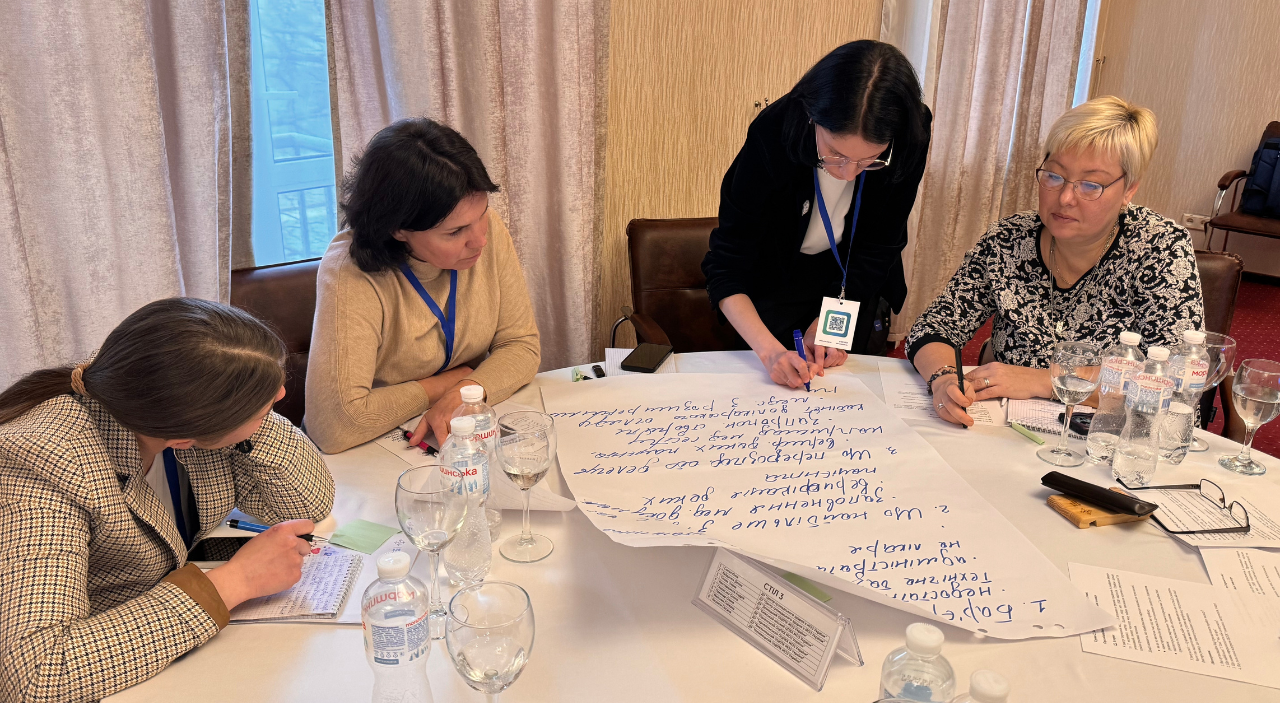
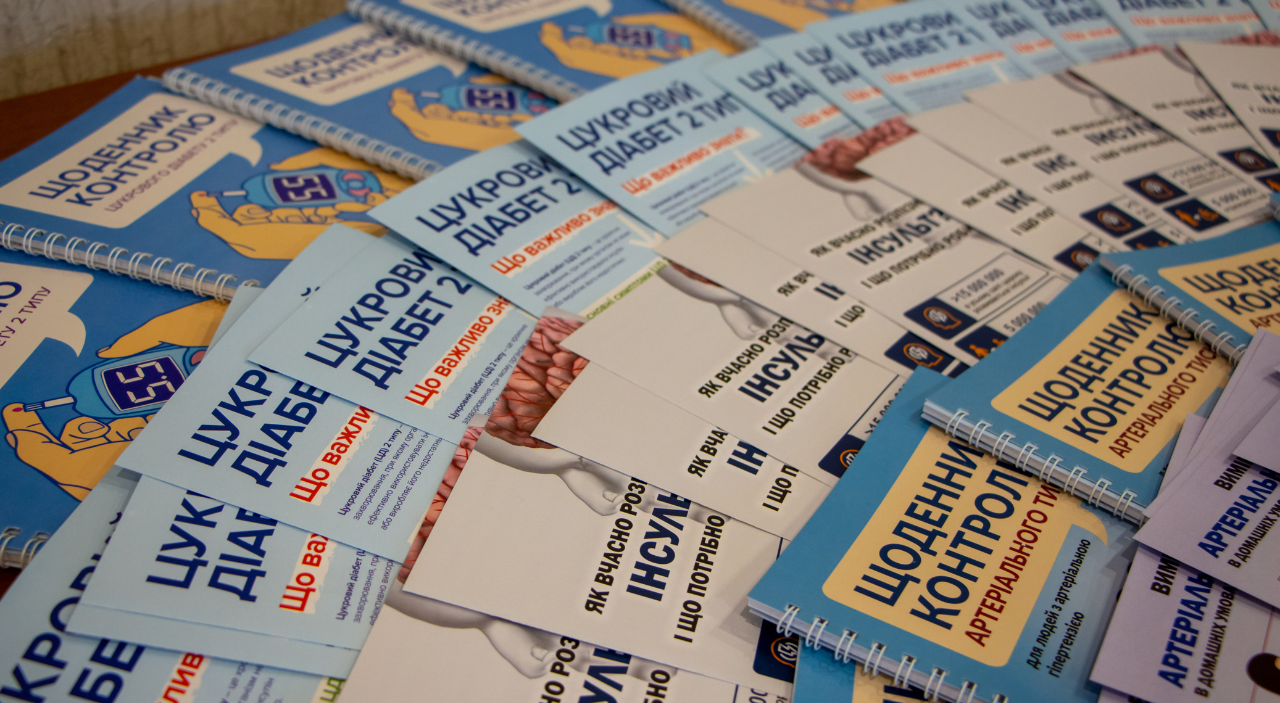
Results from another JACARDI pilot project exploring the barriers to prevention and screening for type 2 diabetes were presented. The study found that while primary care is trusted and access to diagnosis and medications is generally good, key barriers persist, including limited access to diagnostics, high administrative burden, short consultation times, and low patient awareness and motivation for prevention, alongside contextual challenges related to war, such as stress and disruption of care. Lifestyle change remains the greatest challenge for patients, and structured education and support programmes are largely absent. Overall, the findings highlight the need to strengthen prevention, improve access to essential diagnostics, and expand patient and professional education.
“Participation in the JACARDI project allows Ukraine to align with European best practices in cardiovascular disease and diabetes prevention and provides a strategic framework that guides our local prevention efforts, supports early detection, and helps us implement evidence-based interventions tailored to the Ukrainian context, particularly in the challenging conditions of war,” said Nataliia Hryb, Specialist in Non-communicable Disease Prevention at the Public Health Center of the Ministry of Health of Ukraine and pilot lead from the Ukrainian team.
Importance of a systemic prevention approach
Participants emphasized the importance of a comprehensive approach to NCD prevention, including improving health literacy and implementing screening programs. The national “Health Screening 40+” program, which provides basic examinations for early detection of cardiovascular diseases, diabetes, and mental health issues, was also discussed.
“Behavioral risk factors remain the key determinants of premature mortality and health loss in Ukraine,” noted Dmytro Shushpanov, Head of the Department of Demographic Modeling and Forecasting at the M. Ptukha Institute for Demography and Social Research, NAS of Ukraine. “At the same time, significant territorial disparities persist, especially in rural areas, which requires strengthening preventive measures and adapting programs to local conditions.”
Next steps and further collaboration
Following the meeting, participants outlined the key directions for future work: strengthening and supporting community-based prevention programs, developing screening initiatives, and increasing public health literacy. The strategic meeting provided an important platform for reinforcing partnerships between state institutions, regional centers for disease control and prevention, and international organizations.
CaregIVR: How virtual reality is transforming caregiver health
CaregIVR addresses the critical challenge posed to informal caregivers who support individuals with chronic illnesses, particularly cardiovascular conditions. This role can place a heavy emotional and physical burden on caregivers, often negatively impacting their own well-being.
The project explores how Immersive Virtual Reality (IVR) can be utilized as an innovative digital tool to support cardiovascular health promotion among these informal caregivers. CaregIVR’s mission is to develop immersive VR content that provides educational and relaxing experiences aimed at helping to reduce stress, promote healthy habits, and raise awareness about self-care.
This EU-funded Action Grant launched on 1 November 2023, and is scheduled to conclude on 31 October 2026.
CaregIVR employs a human-centred approach to digital health. By focusing specifically on the mental and physical health of caregivers, the project contributes not only to individual well-being but also to the development of more sustainable and inclusive healthcare systems.
Substantial challenges the project must navigate include adapting content to different caregiver profiles, ensuring accessibility and usability of the technology, and measuring the real impact of VR on emotional and physical health indicators.
Since its launch, CaregIVR has completed several foundational milestones:
- Comparative Analysis and State of Art Report: A report was produced in April 2024 detailing cardiovascular diseases, relevant country regulations, and systematic analyses of the condition of informal caregivers.
- Focus Group and Design Work: A Focus Group discussing the app and IVR design was held in June 2024.
Training: Training sessions for caregivers using IVR equipment and software are taking place between September 2025 and April 2026.
The core strategic impact of CaregIVR is achieved through experiential learning facilitated by IVR technology. The IVR is developed to simulate the sensory and emotional realities of living with limitations after a stroke. Through this technology, caregivers can gain experiential insight, moving beyond clinical descriptions to achieve a more embodied understanding of symptoms and behaviours. The content is expected to reduce stress, promote healthy habits, and raise awareness about self-care among caregivers.
Professor Helena José, Coordinator of the Action Grant CaregIVR and President of ESSATLA, notes that caregivers often express deep commitment to their loved ones but “struggle to truly grasp what the person is experiencing”. The project was developed to address this gap by using immersive virtual reality.
A Polish participant in an Informal Caregivers’ Focus Group shared the difficulty of providing support when unable to fully understand the patient’s reality: “The hardest thing for me was understanding what my husband felt… some of the symptoms are difficult for me as a healthy person to imagine”. This participant reflected, “Today I realized that I am constantly trying to pull him back into my reality. Or maybe it should be the other way around – should I try to enter his world?”. The IVR simulation aims to assist in stepping into the patient’s world, helping caregivers better understand their perspective.
Whether you are a healthcare professional, caregiver, researcher, or simply interested in new approaches to informal care, you are invited to join the growing community. The final goal is to share, connect, and help co-create technological solutions with real human impact.
JACARDI’s synergies with Action Grants: reducing the cardiovascular burden together
The five Action Grants – CaregIVR, PERFECTO, Preventia, PROVIDE, RESIL-Card – and JACARDI are all anchored in the urgent mission of tackling the burden of cardiovascular diseases (CVD), Europe’s leading cause of death, which is especially timely as the European Commission develops the European Cardiovascular Health Plan (CVH Plan). This partnership is built upon the understanding that up to 80% of premature CVD deaths are preventable, and aims to strengthen cohesive EU-level action.
The overarching goal uniting JACARDI and these projects is the comprehensive reduction of the immense public health burden caused by Non-Communicable Diseases (NCDs), particularly Cardiovascular Diseases (CVD) and diabetes. This is pursued through a shared commitment to developing and promoting the implementation of validated best practices throughout the entire patient journey.
Within the implementation domain, projects focused on early detection, such as PERFECTO and PROVIDE, are collaborating with JACARDI WP8 to develop standardized screening protocols. Addressing health system continuity, RESIL-Card partners with JACARDI WP9 to specifically build resilience in cardiovascular care pathways, ensuring high-quality care continuity during crises.
Key expected outcomes include strengthening patient-centered approaches, utilizing novel digital tools like predictive algorithms by PROVIDE and immersive technology by CaregIVR, and developing tools such as the resilience assessment toolkit by RESIL-Card.
Synergies around equity are strengthened by sharing JACARDI’s “4Cs” Framework, which helps projects like CaregIVR and Preventia ensure targeted outreach to vulnerable populations. Both Preventia and PROVIDE showcase the central role of innovative digital tools in prevention efforts.
By coordinating our approach across technical work packages among these projects, we maximize collective impact and ensure that project outcomes translate effectively into actionable policy, creating roadmaps that support the scaling up of experiences at the national and regional levels.Ultimately, this unified collaboration contributes to promoting prevention, early detection, education, and sustained behavioral change for a healthier future.