Co-creating health literacy actions with migrant communities in Portugal for more equitable prevention
How can cardiovascular disease and diabetes prevention become more inclusive, accessible, and meaningful for populations experiencing vulnerabilities?
In Portugal, two pilots within JACARDI’s work package on Health Literacy are exploring how locally co-created health literacy actions can make cardiovascular disease and diabetes prevention more inclusive, accessible, and meaningful.
While each pilot addresses distinct population needs, both are guided by the Ophelia approach, Optimising Health Literacy and Access. This shared framework supports their commitment to equity-oriented prevention, locally tailored interventions, and participatory implementation.
One of the pilots, led by the NOVA National School of Public Health, focuses on migrant communities in the Lisbon Metropolitan Area. It aims to strengthen health literacy and support informed action to protect and promote health, with a particular focus on diabetes and cardiovascular disease. Special attention is given to people who may face additional barriers to health information, prevention, and care, including recent arrivals, women with caregiving responsibilities, and those less often reached by traditional health promotion initiatives.
Building and co-creating solutions with communities
The migrant-focused Portuguese pilot combines quantitative and qualitative methods with a participatory process, following key components of the Ophelia approach. During the first needs and resources assessment stage, the pilot involved more than 1,200 people, including over 1,100 migrants who completed a multilingual Health Literacy Questionnaire. Interviews and a photovoice study further explored lived experiences of health, prevention, and access to care, informing the development of 16 health literacy profiles and vignettes later used in idea-generation workshops with migrants and other stakeholders.
The workshops generated more than 70 action ideas, which were then refined through prioritisation workshops to select health literacy actions, strengthen the programme theory of change, and co-design the evaluation.
Community engagement was built around co-creation from the outset, through a Community Board and a structured participatory process involving migrants, community organisations, health and social care professionals, researchers, decision-makers, and local stakeholders. The project placed particular emphasis on safe participatory spaces, supported by flexible scheduling, multilingual facilitation, child-friendly arrangements, and emotional support mechanisms. Migrant informal leaders were also trained as peer experts to co-facilitate sessions, helping to build trust and strengthen community capacity for sustained engagement beyond the project.
Testing culturally adapted health literacy actions
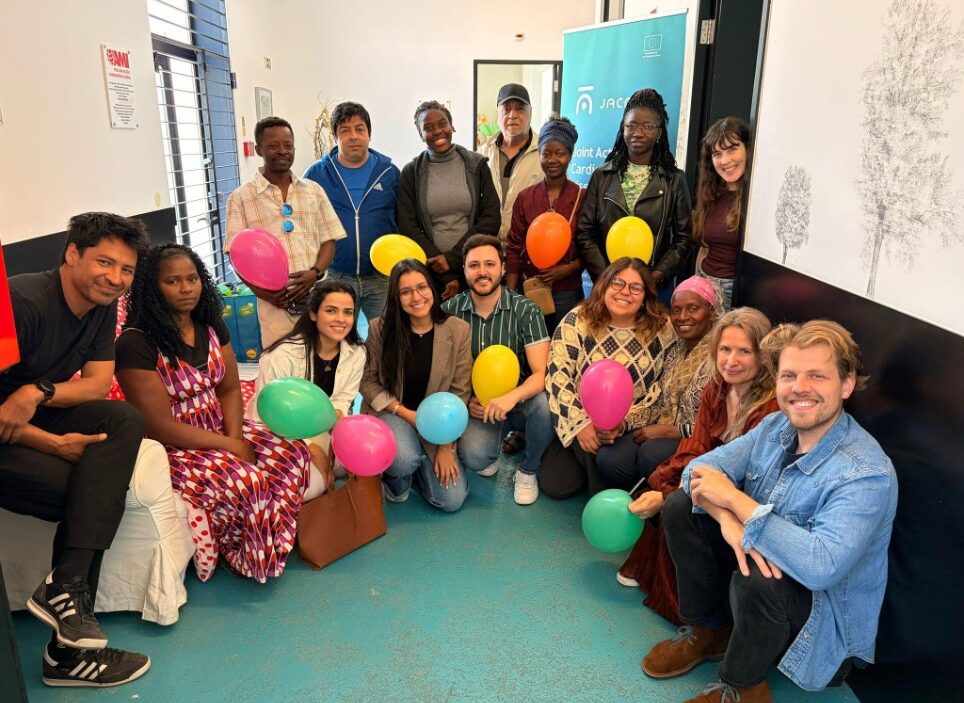
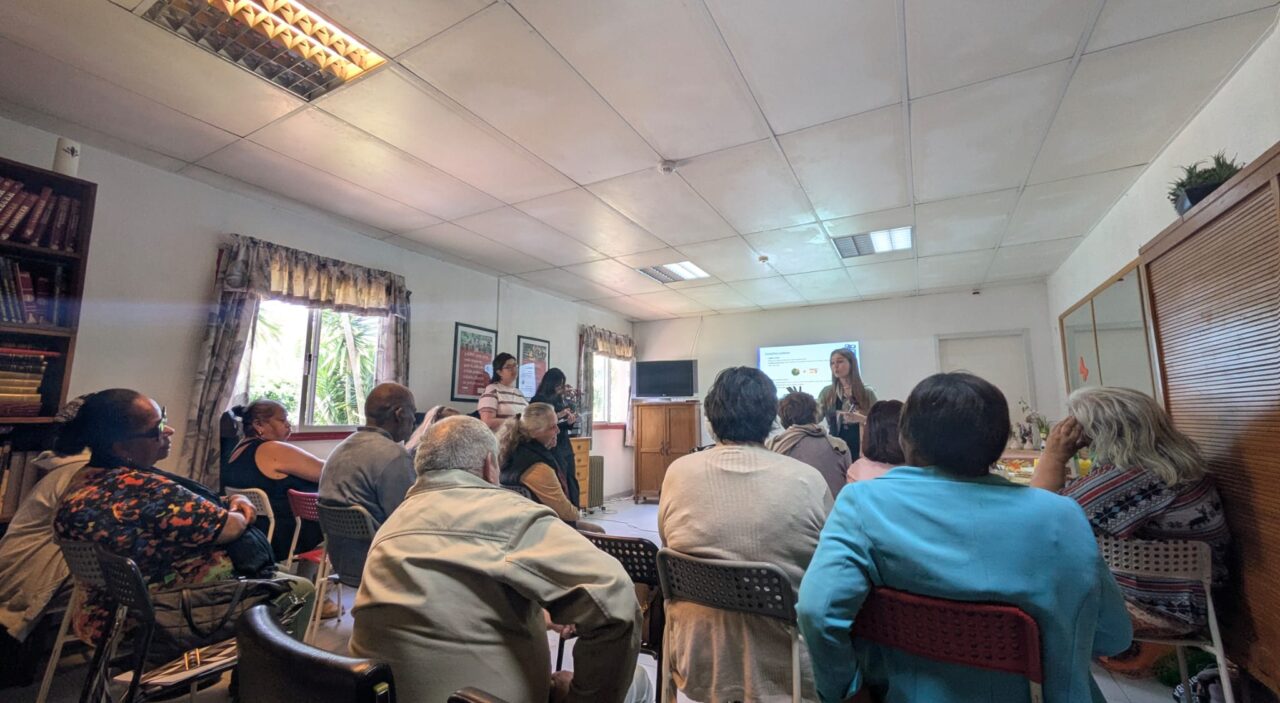
Following the co-design phase, the pilot moved into implementation across community organisations, with Health Links sessions adapted at the start of each group to reflect participants’ needs, priorities, and everyday contexts. To date, more than 100 migrant participants from 18 countries of origin have taken part in sessions covering communication with healthcare professionals, navigation of the Portuguese National Health System, understanding health information, healthy nutrition, physical activity, and cardiovascular disease and diabetes prevention.
The sessions combined practical learning, peer exchange, culturally adapted examples, and community participation to strengthen health literacy as a shared responsibility between individuals, communities, and services. Activities included role plays with health professionals, games on misinformation and reliable health information, tailored nutrition activities based on participants’ cultural food practices, and outdoor physical activity sessions in public parks.
The pilot evaluation used a mixed-methods approach, combining baseline and post-intervention data with qualitative feedback from participants, facilitators, and partner institutions. Preliminary results show strong participation, high acceptability, feasibility, perceived usefulness, and improvements in health literacy and behaviour change. Participants particularly valued the practical and culturally relevant content.
From implementation to sustainability
Recently, the Portuguese teams welcomed colleagues from JACARDI’s Sustainability team for a joint working visit focused on long-term sustainability, transferability, and the integration of pilot activities into existing health and community systems. The visit included meetings with both pilot teams and visits to implementation settings, enabling direct exchange with participants, researchers, facilitators, community stakeholders, and participating institutions.
Discussions explored how co-creation practices, community ownership, and peer involvement can support continuity beyond project funding. The visit also highlighted reflective implementation practices already emerging within the pilots, including continuous adaptation based on participant feedback, collaboration with organisations and services, and multilingual and culturally sensitive facilitation strategies.
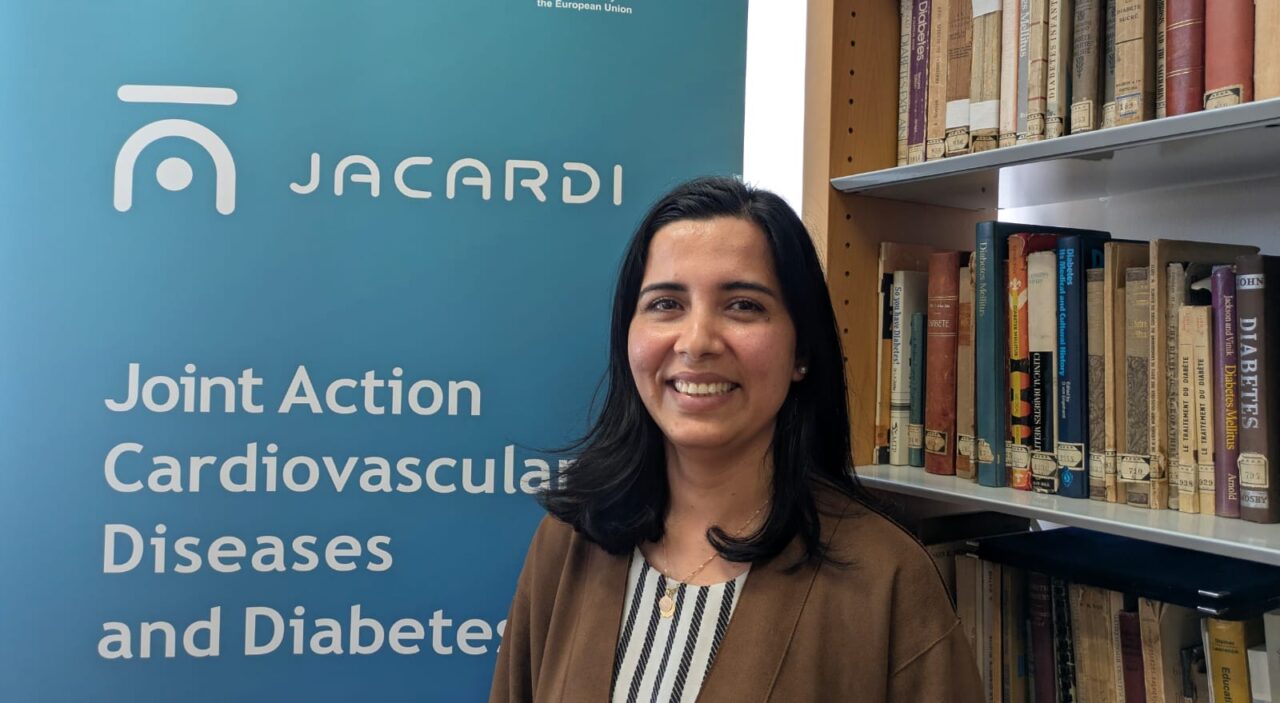
“The project has shown us that meaningful prevention cannot be designed far from people’s realities. Co-creation with migrant communities was not an accessory component, it became the foundation for building trust, relevance, and sustainability,” said Maria João Marques, researcher at NOVA and JACARDI Portugal scientific coordinator.
This focus on sustainability is also informing broader work at national level. Building on the lessons emerging from the Portuguese pilots, a national methodological roadmap is currently being developed in Portugal by the Directorate-General of Health (DGS), NOVA, and the Portuguese Diabetes Association (APDP), to support the implementation of health literacy actions across Local Health Units. The roadmap aims to facilitate the future adaptation, replication, and sustainability of community-based approaches.
In January 2026, interim findings from the JACARDI pilots in Portugal were presented during a national webinar on co-creation and health literacy. The event gathered more than 200 participants from health, policy, academic, and community sectors, strengthening dialogue around prevention, diabetes care, and culturally responsive health literacy interventions.
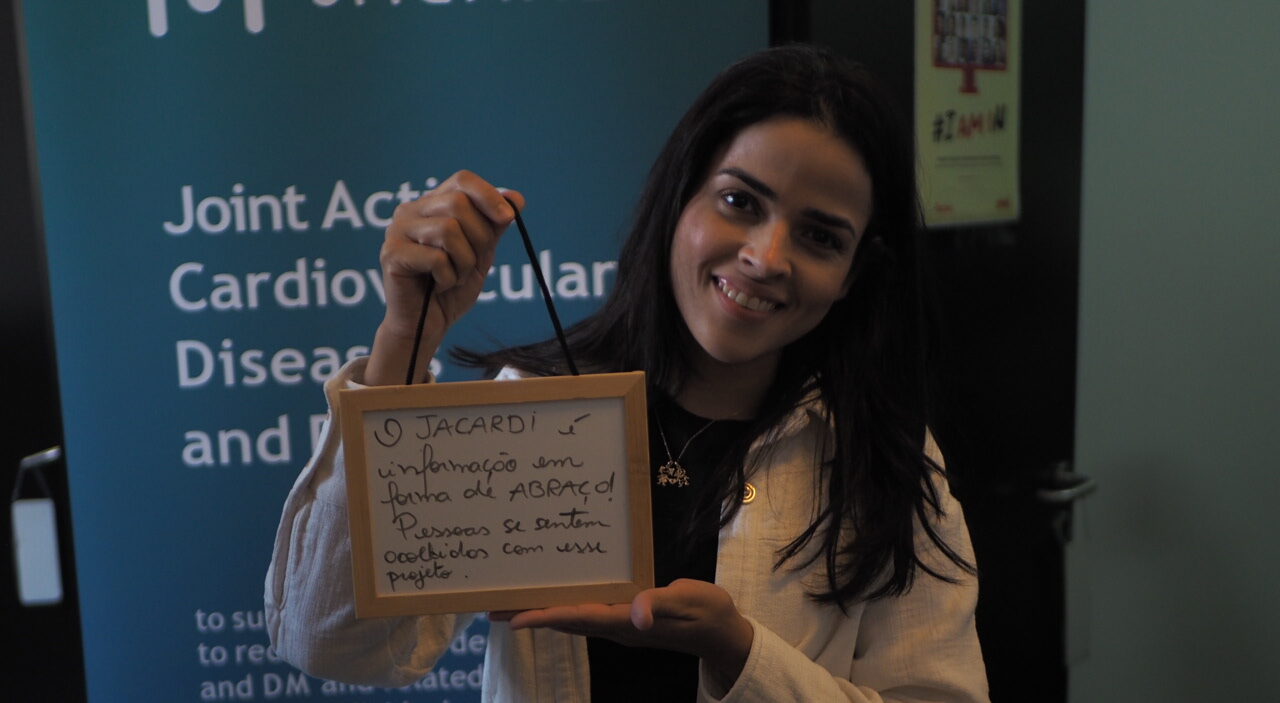
For those involved, the pilot has also created a different kind of experience. As Cadi Chengelam, one of the participants in the migrant-focused health literacy activities, reflected: “For the first time, I felt that people listened to our difficulties and adapted the sessions to our culture and daily life. It did not feel like receiving instructions, it felt like building solutions together.”
In the coming months, the teams will continue refining materials, analysing evaluation findings, and exploring opportunities for long-term integration within healthcare and community settings.
From a European project to a permanent resource for citizens: how Cantabria is building a sustainable and inclusive health education model
How can a health education initiative continue to generate impact once a European project comes to an end? This is one of the key questions guiding the work carried out in Cantabria by the Nursing Research Group at IDIVAL as part of JACARDI.
The pilot project titled MOOCs to Improve CVD & Diabetes Literacy implemented within JACARDI’s work package on Integrated Care Pathways, aims to improve health literacy and self-care among people living with diabetes and cardiovascular diseases by offering free online courses. Designed for and with patients, the courses help participants better understand their conditions and take an active role in managing their health.
Through this project, the team has developed a free online course aimed at people living with diabetes and cardiovascular disease, designed to improve health literacy and promote self-care. The programme has now reached its fifth edition, engaged more than 150 participants, and more than 90% of those who complete the training consider it highly useful.
By strengthening patients’ knowledge, confidence and self-management skills, the initiative contributes to improving patient pathways in Cantabria, promoting a more informed and active participation in healthcare and supporting long-term disease management.
Building a course with patients, professionals and communities
However, the goal extends beyond the development of a digital educational resource. The project has focused on building a collaborative model involving expert patients, healthcare professionals, researchers, patient associations and the Cantabrian School of Health, with the aim of creating content that is more accessible, relevant and useful for the people it is intended to serve.
“Sustainability is not only about keeping a course active; it is about creating a stable, updatable resource that can continue reaching citizens through different channels,” explains Paula Parás, IDIVAL researcher and coordinator of the pilot programme.
The programme’s continuity is being developed in close collaboration with the Cantabrian School of Health, where the materials created through JACARDI are progressively being integrated into its regular activities to ensure their availability beyond the project’s duration. At the same time, the team is exploring ways for the course to be recommended by physicians and nurses as a complement to routine clinical care.
The courses are freely available online and can be accessed through an online platform.
Equity is another cornerstone of the initiative. To make the training accessible to diverse population groups, IDIVAL collaborates with organisations such as COCEMFE Cantabria, UNATE, Movimiento por la Paz, Fundación Secretariado Gitano, Plataforma Romanés and several adult education centres across the region.
“Chronic diseases require continuous care, and education is essential for helping people better understand their condition and adopt a culture of self-care,” says Mariló Damalia Pineda, Managing Director of COCEMFE Cantabria.
This pilot is closely linked to other JACARDI activities implemented by IDIVAL in Cantabria. Alongside this pilot, the institution is also developing another pilot within JACARDI’s work package on Health Literacy and Awareness, based on online courses for the general population focused on cardiovascular disease prevention, and third pilot as a part of the work package on ‘Patients’ self-management’, aimed at strengthening face-to-face health education workshops through the integration of scientific evidence.
Embedding JACARDI results into Cantabria’s health system
Although these initiatives target different audiences and pursue different objectives, they share a common sustainability strategy through the Cantabrian School of Health, which is part of the Cantabrian Health Service. This collaboration helps ensure that the resources, knowledge and methodologies generated through JACARDI can continue benefiting citizens beyond the lifetime of the project.
This integrated approach has attracted the attention of JACARDI’s European sustainability leaders, who recently visited Cantabria to learn how research, the healthcare system and community organisations are working together to transform project outcomes into long-lasting benefits for citizens.
A major step forward: Basque country rolls out integrated heart failure care model
A new pilot project has recently been launched in the Basque country as part of JACARDI, featuring an integrated, value-based care pathway for people with heart failure. This pilot is aligned with JACARDI’s broader mission to reduce the burden of cardiovascular disease and diabetes across Europe by strengthening coordinated care, enhancing health literacy, and scaling best practices.
Within JACARDI, Biosistemak represents the Basque country as an affiliated entity, co-leading communication and dissemination activities, supporting methodological frameworks for European pilots, contributing to health literacy initiatives, and leading the deployment of the heart failure pathway. This includes conducting a comprehensive needs assessment on the European level.
On 27 November, at the launch event organized at Cruces University Hospital in Barakaldo, Osakidetza – the public health care service of the Basque country – presented the new value-based integrated care pathway for heart failure, after two years of joint development with Biosistemak and Osakidetza’s Care Integration and Chronicity Service (SIAC). Throughout the entire development process, Biosistemak provided methodological support on pathway design, including the adaptation of care pathways and resources, the development of evaluation frameworks, the integration of technological requirements, and the preparation of awareness raising actions and training plans for professionals. The result is a comprehensive and coordinated care model that improves outcomes and quality of life for people living with heart failure while ensuring long-term sustainability.
During the event, Biosistemak researcher Yhasmine Hamu highlighted the importance of the extensive multidisciplinary collaboration behind the initiative. Over two years, professionals from family and community medicine, hospital care, nursing, pharmacy, and management collaborated to create a model that responds to real patient needs and incorporates sex- and gender-based perspectives. Presentations also highlighted innovative solutions, new corporate tools, and lessons learned on improving communication, standardising care, and defining indicators for continuous improvement.
The jointly developed pathway covers the entire care cycle for people with heart failure, from initial suspicion of the condition to hospitalisation, discharge, and ongoing follow-up in both primary and specialised settings. It is designed to align the perspectives of patients, professionals, and the general population. For patients, the model organises interventions and responsibilities in one integrated system to reduce morbidity and mortality and strengthen self-care. For professionals, it offers a clear overview of actions to be taken, decision-support tools, and a framework that promotes coordination and reduces variability. On a societal level, the model improves population health by enhancing scientific knowledge and reinforcing the sustainability of health systems.
The success of this pilot is a perfect example of how JACARDI supports Member States in adopting evidence-based and scalable care models for chronic disease management. Through its leadership in this initiative, Biosistemak contributes to strengthening integrated care and advancing cardiovascular health both within the Basque country and across Europe.
Five EU initiatives unite to scale health literacy action to tackle NCDs
A powerful spirit of collaboration marked this year’s European Public Health Conference held in Helsinki from 12 to 14 November: five major European projects – JACARDI, JA PreventNCD, PIA, careGIVR and PREVENTIA – jointly hosted a high-level workshop during the conference. This collaborative session demonstrated how cross-project synergy is the key to accelerating effective, inclusive health literacy strategies across the continent to curb the rising burden of non-communicable diseases (NCDs) through more accessible, inclusive and evidence-based prevention strategies.
The workshop, titled “8.H. Round table: Health Literacy in Action: Innovative and Inclusive Approaches from European Joint Initiatives”, brought together leading EU-funded initiatives involving over 100 partner institutions across 24 countries. Discussions centered on the critical challenge of reaching vulnerable groups – such as migrants, young people and populations in disadvantaged settings, who remain disproportionately affected by low health literacy and NCDs.
The session emphasized two core outcomes for participants:
• Shared approaches: Understanding how five major European projects integrate health literacy into diverse public health systems, leveraging strong equity and diversity lenses.
• Roadmap principles: Highlighting the common goals and strategies these initiatives have defined to strengthen health literacy action across different European contexts.
The JACARDI health literacy team – coordinated by Santé publique France and Biosistemak Research Institute, Basque Country, Spain – used the platform to showcase its progress in building measurable health literacy impact against cardiovascular disease (CVD) and diabetes (DM) risks and other NCDs across Europe.
The JACARDI WP6 Health Literacy team presented the extensive work completed during the first two years of the project aimed at improving health literacy and raising awareness of CVD and DM risks at both individual and societal levels. This work includes mapping existing health literacy development activities across EU countries and implementing 25 codesigned pilot projects across 13 countries.
These projects are implemented following participatory processes where key stakeholders and target groups are involved from the very beginning. Their approaches in action include applying a common framework for systematically evaluating the equity and diversity lens across pilots.
The roadmap principles guiding this work rely on a shared 12-step implementation framework, ensuring consistency across all 143 JACARDI pilots and reinforcing the integration of sustainability plans to enable future scale-up. Additionally, JACARDI assesses health literacy initiatives at multiple levels of interventions, project teams, and work packages to support continuous learning and improvement.
Through the European Public Health Conference workshop, the JACARDI team showcased its commitment to ensure health literacy initiatives reach everyone, regardless of background, language, or level of literacy. By bringing together JA PreventNCD, PIA, careGIVR, and PREVENTIA in a single collaborative session, JACARDI created a unique space to align methodologies, identify synergies, and strengthen a connected European approach to preventing non-communicable diseases (NCDs).
During the session, participants explored how projects are embedding cultural diversity into their methodologies and activities to better reach vulnerable groups and improve health equity across Europe. They also examined how inclusive health literacy strategies can support health systems in combating misinformation and disinformation, particularly in culturally and linguistically diverse communities disproportionately affected by it, and what lessons can be drawn from applying different approaches to health literacy across populations, settings, and system levels. They also discussed how this diversity can inform and strengthen national and EU-level policy.The insights generated in Helsinki will help shape the next phase of Europe’s health promotion agenda, ensuring that individuals are not only informed but empowered to understand, act, appraise, and apply health information.
JACARDI’s voices on the scientific stage across Europe
The first half of 2025 has been a busy and productive time for JACARDI, with consortium members sharing key findings and pilot implementation highlights at leading scientific conferences across Europe. These contributions, spanning health literacy, integrated care, biomarker-based screening, and health economics, demonstrate the depth and scope of the work underway across multiple work packages.
Spotlight on ICIC25 – Lisbon, Portugal | May 14–16, 2025
JACARDI had a strong presence at the 25th International Conference on Integrated Care (ICIC25) with three distinct contributions representing different work packages:
Irati Erreguerena (Work Package 6 – Health literacy) delivered an oral presentation on a co-designed health literacy program for adolescents in the Basque Country, Spain. Her talk highlighted how WHO’s Health Literacy Development Model, and the Ophelia (Optimising Health Literacy and Access) co-design methodology were applied to empower younger populations with knowledge and tools for chronic disease prevention.
Yhasmine Hamu (Work Package 9 – Integrated care pathways) presented on the implementation of a value-based integrated care model, sharing strategies to address care fragmentation and improve outcomes for people with chronic conditions.
Gergely Varga (Representing both Work Package 9 – Integrated care pathways and Work Package 5 – Methodological framework) contributed a poster that outlined a situational analysis methodology designed to support integrated care.
Faculty of Public Health Summer Scientific Meeting – Dublin, Ireland | May 20–21, 2025
Sonja Moore (Work Package 8 – Screening) presented findings from a scoping literature review on the use of natriuretic peptides in cardiovascular risk stratification and management. Her poster focused on current strategies and approaches for using these biomarkers in patient populations without diagnosed heart failure, a topic gaining traction in preventive cardiology. The review aimed to inform more targeted screening protocols and identify gaps in clinical practice across Europe.
COMET Conference – Poznań, Poland | June 25–27, 2025
Richard Osborne (Work Package 6 – Health Literacy) represented JACARDI at the 23rd International and Interdisciplinary Conference on Communication, Medicine, and Ethics (COMET). His oral presentation focused on scaling up health literacy development as a strategy to prevent and manage non-communicable diseases. The talk stressed the need for strategic investment in communication and co-design at the system level.
1st European Public Health Economics Conference
– Palermo, Italy | June 26–27, 2025
Katie Ellwood (Work Package 8 – Screening) presented a pilot study from JACARDI aiming to establish the most cost-effective threshold for using NT-proBNP blood marker in cardiovascular disease (CVD) risk stratification. The analysis models the impact of different thresholds over a 30-year horizon in a large population cohort. This pioneering work within JACARDI bridges clinical practice with health economics, helping to inform sustainable, evidence-based screening strategies.
These scientific initiatives reflect JACARDI’s commitment to knowledge-sharing, collaboration, and measurable impact. Consortium members not only showcased research but also engaged with policymakers, practitioners, and academics, advancing the mission to improve cardiovascular and diabetes outcomes across Europe. The autumn season offers a variety of relevant conferences, kicking off right at the end of summer with the Congress of the European Society of Cardiology, taking place from 29 August to 1 September.