First EU Screening Week puts prevention and early detection in the spotlight
From 28 September to 4 October 2026, activities across Europe will raise awareness of silent cardiometabolic risks and encourage people to know the numbers that matter.
The first-ever EU Screening Week will create a shared European moment for prevention, bringing together public health organisations, healthcare professionals, patient groups and other partners around a simple message:
Blood pressure. Cholesterol. Blood sugar. Know the numbers that matter.
The European Commission initiative forms part of the Know Your Numbers campaign under the EU Safe Hearts Plan. Taking place around World Heart Day on 29 September, it aims to increase awareness of health checks and the importance of identifying cardiovascular and metabolic risks earlier.
High blood pressure, cholesterol and blood sugar can increase the risk of cardiovascular disease, stroke and type 2 diabetes, often without causing noticeable symptoms. Checking these indicators can reveal hidden risks, enable earlier action and contribute to better health outcomes.
A European moment for prevention
Organisations can take part in many ways, from health checks and community events to workplace or pharmacy initiatives, webinars, media outreach and digital campaigns.
Organisations planning an activity can register it by 20 September for possible inclusion on the EU Screening Week interactive map. The map will help make prevention activities across Europe more visible and show the breadth of organisations contributing to the campaign.
Campaign information and materials are available through the European Commission’s EU Screening Week website. Organisations and individuals can also support the initiative by sharing its resources and spreading the message through their own networks.
From identifying risk to taking action
EU Screening Week closely reflects JACARDI’s work on prevention, early detection and screening. Across Europe, 19 JACARDI pilot projects are testing different approaches to identifying people at increased risk of cardiovascular disease and type 2 diabetes and connecting them with appropriate support. Explore these JACARDI pilot interventions across Europe on our interactive pilot map.
JACARDI’s Short Guide to Screening stresses that identifying risk is only the beginning. Health checks make a meaningful difference when they are part of a complete pathway that includes follow-up, diagnosis, appropriate intervention and long-term support.
EU Screening Week provides an opportunity to make prevention and early action more visible across Europe and to encourage more people to know their numbers, understand their risks and seek appropriate professional advice.
Register an EU Screening Week activity by 20 September.
JACARDI as a proof-of-concept for Europe’s Safe Hearts Plan
A new commentary in the International Journal of Public Health explores how JACARDI supports the translation of Europe’s Safe Hearts Plan into practical implementation. Activities conducted across JACARDI’s portfolio of over 140 pilots are generating practical implementation evidence on how public health strategies can be translated into practical action to prevent cardiovascular disease and diabetes. The authors argue that coordinated, life course-based approaches, combining prevention, early detection and integrated care, are essential to reduce the burden of these conditions across Europe.
Cardiovascular disease remains the leading cause of premature mortality and disability in the European Union. The article, by lead author Benedetta Armocida and other contributors from the joint action, highlights that the main challenge is not the lack of strategies, but how to implement them effectively and equitably across different health systems.
The article presents JACARDI as a proof-of-concept for implementing the EU Safe Hearts Plan. A key message is that cardiovascular disease and diabetes should be addressed together using a life course approach, recognising that risk factors build up over time. Early actions, such as health literacy programmes for children and young people, can support long-term health outcomes.
Linking detection, care and everyday support
The authors highlight that screening is effective only when it is connected to follow-up care. JACARDI pilots test different approaches, including community-based screening, mobile units and digital tools linked to lifestyle support.
The commentary also emphasises integrated care and self-management. Pilot interventions like a co-designed mobile application to optimize secondary prevention in Madrid and care pathways co-developed with patients and caregivers in the Basque Country demonstrate that digital and telemedicine solutions can support continuity of care and help people manage their condition in everyday life.
Equity and data as key priorities
The article underlines the importance of strong data systems and a focus on equity. Shared data models enable better monitoring of health outcomes and differences between population groups. Inclusive, targeted approaches are needed to ensure that prevention and care reach everyone.
Overall, the commentary highlights that JACARDI provides a practical model for turning policy into action. The authors conclude that combining a life course approach, integrated care and equity-focused implementation can support long-term improvements in cardiovascular health across Europe.
Read more: Commentary on JACARDI and the Safe Hearts Plan
Publication: Closing the implementation gap: the Joint Action on Cardiovascular Diseases and Diabetes (JACARDI) as a proof-of-concept for Europe’s Safe Hearts Plan
Authors: Benedetta Armocida et al. (on behalf of the JACARDI Implementation Board)
Journal: International Journal of Public Health
Publication date: 15 June 2026
DOI: https://doi.org/10.3389/ijph.2026.1609906
Shaping the EU Safe Hearts Plan: JACARDI joins high-level dialogue on regional and local perspectives
During a high-level discussion bringing together EU and regional stakeholders, JACARDI Coordinator Benedetta Armocida highlighted how coordinated European action can bridge research, policy, and implementation in advancing the EU Safe Hearts Plan. The meeting aimed to explore how regional and local authorities can contribute to shaping and implementing the plan, bringing forward territorial perspectives and feeding into the upcoming Committee of the Regions opinion.
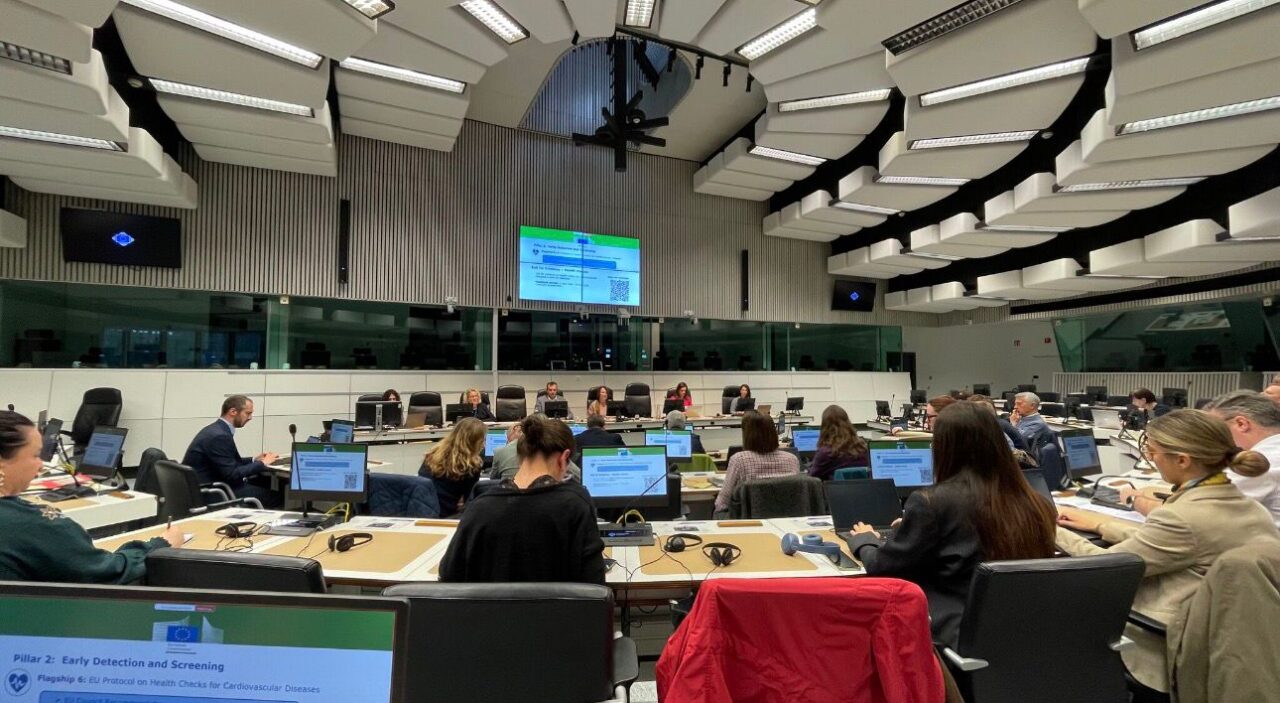
On 6 May 2026, the Interregional Group on Health and Well-being of the European Committee of the Regions, with the support of EUREGHA, hosted the high-level discussion “Shaping the EU Safe Hearts Plan: regional perspectives for cardiovascular health” in Brussels.
The meeting brought together representatives from EU institutions, regional and local authorities, healthcare professionals, researchers, and public health stakeholders to discuss how to advance the implementation of the Safe Hearts Plan (SHP) through stronger multilevel governance and regional action. JACARDI contributed to the discussion as a key European initiative in this field to support the objectives of the SHP.
Cardiovascular diseases remain the leading cause of death and disability in Europe, placing a major burden on individuals, health systems, and economies. Against this backdrop, the discussion highlighted the importance of translating European policy ambitions into concrete and equitable actions adapted to regional and local realities.
Speakers included:
- Carmine Pacente, European Committee of the Regions
- Romana Jerković, European Parliament
- Marianne Takki, European Commission
- Benedetta Armocida, Istituto Superiore di Sanità and Coordinator of JACARDI
- Cristina Gavina, Portuguese Society of Cardiology and European Society of Cardiology
- Antonio Aurigemma, Regione Lazio
The discussion underscored several priorities for the future implementation of the SHP, including strengthening prevention and health promotion, improving early detection and screening, ensuring continuity and integration of care pathways, and addressing persistent inequalities in cardiovascular outcomes, including the cardiovascular gender gap, across and within European regions.
Evidence-informed policies and prevention beyond healthcare settings
Participants also highlighted the growing importance of data systems and digital innovation in supporting evidence-informed and more equitable cardiovascular health policies. At the same time, speakers stressed that effective prevention strategies must extend beyond healthcare settings and reach people directly within schools, workplaces, and local communities, especially underserved populations and people living in vulnerable situations.
Coordinated European action through JACARDI
In this context, Benedetta Armocida presented JACARDI as a concrete example of how coordinated European action can support the objectives of the Safe Hearts Plan by bridging research, policy, and implementation. The Joint Action contributes to strengthening national and regional capacities, fostering collaboration across health systems, and reducing fragmentation in the prevention and management of cardiovascular diseases and diabetes. The discussion concluded with a shared recognition that achieving the ambitions of the EU Safe Hearts Plan will require sustained collaboration between EU, national, regional, and local actors, alongside continued investment in prevention, integrated care, and equity.
The meeting further demonstrated the added value of creating spaces for dialogue between policymakers, researchers, healthcare professionals, and implementers. Bringing together actors operating at different governance levels allows for the exchange of practical experiences, the identification of shared challenges, and the co-development of solutions that are both evidence-based and feasible in real-world settings. Such multistakeholder engagement is essential to ensure that European strategies are translated into sustainable and impactful actions at the regional and local level.
Cardiovascular health in focus: new OECD report and JACARDI experts highlight the path from data to implementation
Cardiovascular disease (CVD) still causes around 1.7 million deaths every year in the European Union. It remains a leading cause of mortality, although most of this burden is preventable. That was the key message of the OECD webinar on 10 February presenting the new EU-funded report ‘State of Cardiovascular Health in the European Union’, which also introduced new monitoring tools and highlighted how the EU Safe Hearts Plan can be translated into practical action, with JACARDI playing an active implementation role.
The webinar, moderated by Francesca Colombo, Head of the Health Division at the OECD Directorate for Employment, Labour and Social Affairs, brought together more than 300 participants from EU institutions, national authorities, research, clinical practice and patient organisations.
Opening the event, Antonio Parenti from the European Commission’s Directorate-General for Health and Food Safety warned that progress in reducing cardiovascular deaths has slowed across Europe. Without stronger prevention and earlier intervention, the overall burden could grow substantially. The recently launched EU Safe Hearts Plan is designed to support Member States in strengthening national plans across prevention, screening, treatment and rehabilitation, with particular attention to vulnerable groups and inequalities in access to care.
New OECD data presented during the webinar show that over three-quarters of cardiovascular deaths in the EU are linked to modifiable risk factors, and trends are worsening in several areas. Around 22% of EU residents live with hypertension, 15% with obesity and 8% with diabetes, while psychosocial risks such as stress, depression and sleep problems affect roughly one third of the population.

Important screening gaps persist: in the 45–54 age group, nearly three in ten adults have not had their blood pressure checked in the past year, and many have gone five years without testing blood sugar or cholesterol. Speakers stressed that screening only improves outcomes when it is followed by timely diagnosis, treatment and long-term patient support.
From the patient perspective, the panel highlighted that delays and fragmentation in diagnosis and care pathways remain a major barrier to better cardiovascular outcomes. Konstantina Boumaki, Board Member of the European Patients’ Forum, warned that late diagnosis and long waiting times not only worsen prognosis but also erode patient trust in the system. She stressed that reducing inequalities is not about delivering identical care to everyone, but about ensuring that all patients can truly access timely diagnosis, treatment and support; a principle that should guide how national cardiovascular plans are designed and implemented.
Alongside the report, the OECD and the European Commission launched a new Cardiovascular Health Dashboard, an online platform that allows policymakers, researchers and the public to track risk factors, care quality and patient pathways across EU countries.
From measurement to implementation
The discussion focused on a recurring weak point in public health policy: implementation. While the evidence on cardiovascular prevention and care is strong, most strategies fail in execution, noted Dr Héctor Bueno, co-leader of JACARDI’s Work Package on data and scientific coordinator of the Cardiovascular Health Strategy of Spain’s National Health System. The key is a clear vision, participation of patients and citizens, as well as political ownership.
Plans only deliver results when they are operational, measurable and realistic, stressed Dr Bueno. Measurement “is essential for visibility and accountability: without indicators, progress cannot be tracked”.
He described how the Spanish strategy is built on a broad indicator framework covering prevention, primary care, acute and chronic care, gender aspects and education, supported by a core set of priority measures. Digital integration, interoperable registries and automated data systems are critical to make monitoring sustainable. Dr Bueno also underlined that aligning scientific evidence, political commitment and citizen engagement is as important as funding when moving from strategy to practice.
JACARDI’s cross-sector contribution to the Safe Hearts Plan
Dr Benedetta Armocida, coordinator of JACARDI, highlighted how the joint action supports the Safe Hearts Plan through cross-sector and patient-journey approaches that connect health literacy, risk awareness, screening and prevention with long-term care pathways. “Cardiovascular prevention is not only a health system responsibility but a societal one, requiring coordinated action across sectors,” Dr Armocida noted, reflecting a Health in All Policies approach.
JACARDI pilots already include early-life interventions to improve children’s understanding of cardiovascular risk and workplace-focused prevention models, alongside broader work on food literacy, healthy environments and equitable access. Digital health and AI tools can accelerate impact, she added, “but only if they are properly integrated into routine care, trusted by users and supported through professional training”.
The overall conclusion was clear: Europe now has stronger data, shared metrics and a dedicated policy framework through the Safe Hearts Plan. With its indicator frameworks, cross-sector pilots and implementation focus, JACARDI is helping to transform evidence and ambition into tangible improvements in cardiovascular health.
References:
OECD (2025), The State of Cardiovascular Health in the European Union, OECD Publishing, Paris
EU Safe Hearts Plan (pdf)
The State of Cardiovascular Health in Europe Dashboard, OECD
The Cardiovascular Health Strategy (CVHS) of Spain’s National Health System, Ministry of Health, Spain (pdf)
How JACARDI can support the implementation of the EU Safe Hearts Plan
Benedetta Armocida, coordinator of JACARDI, presented the Joint Action’s role in shaping screening and early detection approaches under the Safe Hearts Plan, during a dedicated webinar organized by the European Commission.
On 15 January 2026, the European Commission hosted the first stakeholder webinar dedicated to the Safe Hearts Plan, the EU’s first-ever cardiovascular health plan, adopted on 16 December 2025. The online event brought together nearly 500 stakeholders from across Europe and provided a key platform to exchange views on how to support the implementation of the Plan and its flagship initiatives [1].
The webinar [2] marked an important milestone in the roll-out of the Safe Hearts Plan, which aims to tackle cardiovascular diseases (CVDs), the leading cause of mortality in the European Union, through coordinated action on prevention, early detection and screening, and treatment, care and rehabilitation, while addressing cross-cutting challenges such as data and digitalisation, research and innovation, and health inequalities.
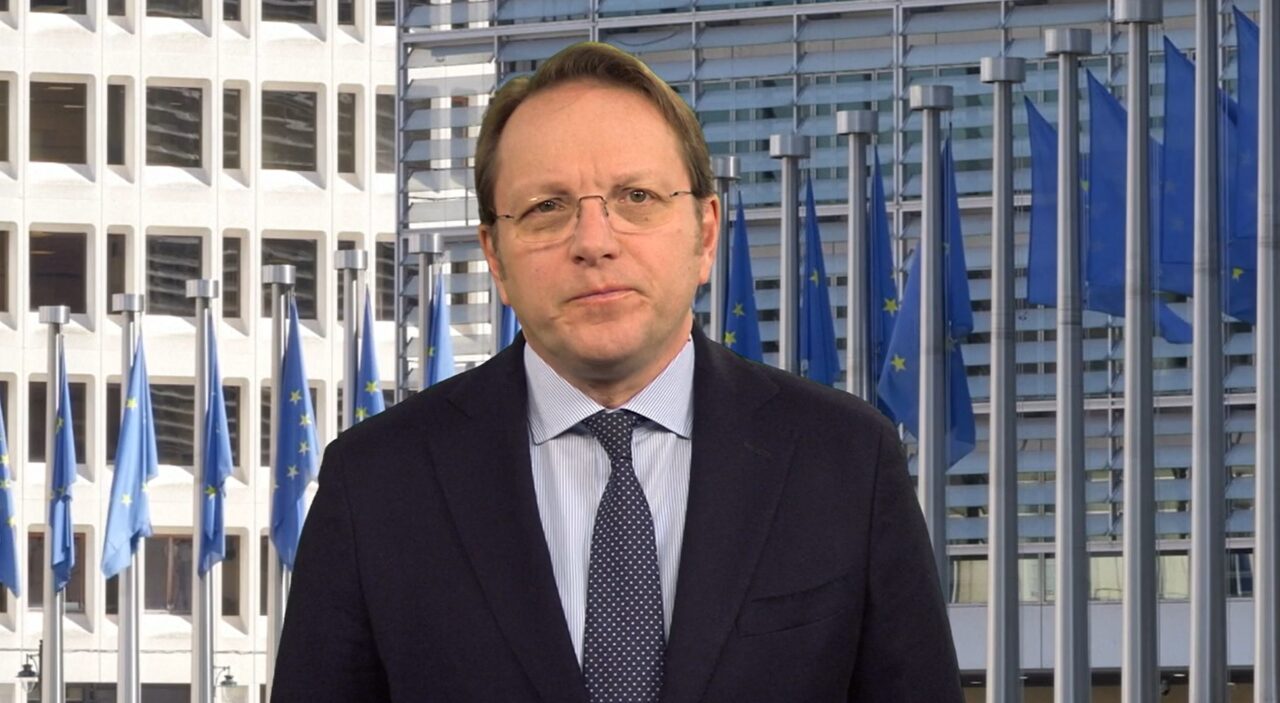
Opening the meeting, Commissioner for Health and Animal Welfare, Olivér Várhelyi, underlined the urgency of action and the importance of collaboration with stakeholders to turn the Plan into concrete results.
“Cardiovascular diseases remain Europe’s number one killer, placing a growing burden on our health systems, societies and economies. With the Safe Hearts Plan, we now have a strong policy tool at EU level, but its success will depend on close cooperation with Member States and stakeholders to make it a reality,” said Commissioner Várhelyi.
Supporting early detection and screening
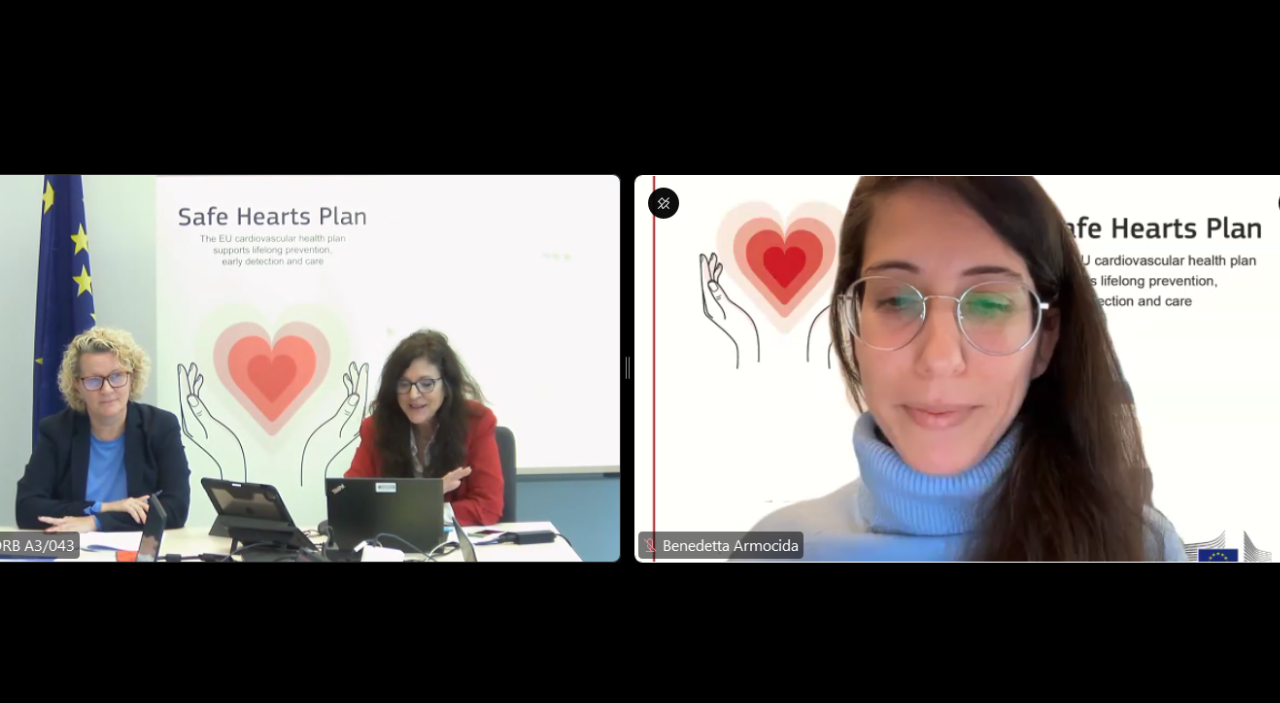
During the webinar, the coordinators of key Joint Actions, JACARDI and JA PreventNCD, presented how their work contributes to the implementation of the Safe Hearts Plan. Dr Benedetta Armocida, coordinator of JACARDI, highlighted the Joint Action’s strong alignment with Pillar 2 of the Plan: early detection and screening, including the flagship initiative on an EU Protocol on Health Checks for CVDs.
JACARDI brings together 21 countries and 81 partners, working to translate EU priorities into concrete, country-level implementation. In particular, Work Package 8 on screening high-risk populations, led by Hanna Tolonen and Luigi Palmieri, is developing common protocols and tools to support Member States in the design, organisation and sustainability of effective screening programmes.
“We are testing and implementing practical solutions that can support the Safe Hearts Plan on the ground. Our pilot projects on early detection and screening aim to generate evidence and tools that help Member States reach high-risk populations, while embedding equity and sustainability across all activities. The aim is to provide further evidence and the result of our pilots to support the implementation of the European plan,” said Dr Armocida.
In practice, JACARDI is implementing 19 pilot projects focused on screening for CVDs and diabetes across different European countries, assessing the feasibility of diverse screening approaches. The Joint Action has also developed an online risk assessment tool selection guide, supporting professionals in selecting appropriate risk prediction methods.
Addressing inequalities is a core priority for JACARDI, fully aligned with the Safe Hearts Plan. Across its 143 pilot projects, the Joint Action promotes equity and diversity, targeting both the general population and high-risk groups, with a focus on integrated care pathways, self-management and social participation.
The webinar also showcased the strong alignment between the Safe Hearts Plan and other EU initiatives. Knut Jønsrud, project manager of JA PreventNCD, emphasised the importance of addressing key risk factors and reducing social inequalities through a life-course approach.
“Several flagship initiatives of the Safe Hearts Plan, such as modernising tobacco control legislation and strengthening health literacy, are closely aligned with our work. A people-centred, equity-focused approach and cross-sectoral collaboration are essential to achieving lasting impact,” said Jønsrud.
A coordinated EU response
Antonio Parenti, director for Public Health, Cancer and Human Security in the Directorate General for Human and Food Security of the European Commission (DG SANTE), stressed the scale of the challenge posed by CVDs and the need for decisive, coordinated action at EU level.
“CVDs cost the EU more than €280 billion every year. Without strong and coordinated action, this burden will continue to grow, affecting future generations, health systems and economic resilience. The Safe Hearts Plan is our collective response to this challenge,” Parenti stated.
He highlighted the Plan’s three pillars and its ten flagship initiatives, designed to improve population health, foster innovation and support sustainable healthcare systems. Prevention remains a cornerstone of the Plan, as nearly 80% of CVDs can be prevented through lifestyle changes, alongside strengthened, patient-centred and multidisciplinary care [3].
Next steps
The European Commission will now collect and analyse the feedback and ideas shared by stakeholders during the webinar. A second stakeholder webinar is planned for the second half of 2026, ensuring continued dialogue as the Safe Hearts Plan moves into its implementation phase.
For JACARDI, the webinar confirmed the relevance of Joint Actions as key instruments to support EU health policies and demonstrated how collaborative, evidence-based approaches can help reduce the burden of CVDs across Europe.
[1] About the Safe Hearts Plan flagship initiatives
Adopted in December 2025, the EU Safe Hearts Plan is underpinned by ten flagship initiatives designed to deliver clear EU added value across prevention, care and innovation, while supporting Member States in addressing cardiovascular diseases in a coordinated and sustainable way:d
- A lifelong, personalised and digitally enabled prevention programme – ‘EU cares for your heart’
- Empowering consumers through information on food processing in the EU
- Modernising tobacco control legislation
- The Commission will examine which appropriate tools, including possible financial actions, could be deployed to support/fund public health actions in the field of primary prevention and stimulate food reformulation and healthier consumer choices
- Proposal for a Council recommendation on vaccination against respiratory infections as a preventive measure for cardiovascular diseases
- EU protocol on health checks for cardiovascular diseases
- Proposal for a Council recommendation on personalised treatment and monitoring of cardiovascular diseases
- Incubator for innovation and integration of AI and digital technologies in cardiovascular healthcare
- EU cardiovascular health inequalities dashboard
- Cardiovascular Disease Research and Innovation Roadmap
[2] Stakeholder Webinar the Safe Hearts Plan – Meeting documents
[3] Questions and answers on the EU Safe Hearts Plan
A defining CVH moment in Europe: The Commission announced the Safe Hearts Plan
“When Europe acts together, we do not simply improve systems, we improve lives,” points out Benedetta Armocida, Coordinator of JACARDI, as the European Union’s Cardiovascular Health Plan is launched. At a time when cardiovascular disease remains Europe’s leading cause of death, this moment marks a collective step toward strengthening heart health across the continent.
Cardiovascular diseases (CVDs) remain the leading cause of death and disability in Europe, as confirmed by the newly released OECD report “The State of Cardiovascular Health in the European Union“. CVD claims 1.7 million lives each year, more than cancer and diabetes combined, and affects an estimated 62 million people. CVDs also contribute significantly to disability, early retirement, and absenteeism, lower the quality of life and reduce life expectancy, according to data from the European Commission [1], [2], [3].
The total economic burden of CVD in the EU is estimated at EUR 282 billion annually, around 2% of GDP, and significantly higher than that of cancer. The OECD report highlights stark geographic, gender and socio-economic disparities in cardiovascular outcomes and access to care, reinforcing the need for coordinated EU-level action. It also acknowledges JACARDI’s input to the report, and references JACARDI’s 4C Framework and pilot actions in France and Spain.
Bearing that in mind, the European Commission’s launch of the Cardiovascular Health Plan, under the name Safe Hearts Plan, marks a decisive moment for public health in the region. JACARDI strongly welcomes this Plan, as coordinated European action is essential to reduce the number of people falling ill with cardiovascular diseases, and to prevent premature deaths for those with existing conditions or risk factors, such as obesity, diabetes and high blood pressure.
“The launch of the Cardiovascular Health Plan marks a pivotal moment for Europe’s public health. JACARDI welcomes this initiative, recognizing the crucial role of Joint Actions in fostering collaboration among countries, experts, and stakeholders. By working together, sharing knowledge, and aligning efforts, we can ensure that advances in prevention, care, and innovation in cardiovascular health truly reach all communities, leaving no one behind,” notes Prof Graziano Onder, Scientific Coordinator of JACARDI.
The Plan arrives at a critical time. For too long, CVD and diabetes have lacked the political visibility their burden demands. The CVH Plan opens the door to a new European approach that puts prevention first, strengthens early detection and screening, and promotes equity and integrated, patient-centred care across health systems. For JACARDI, this initiative is an essential step towards making the healthy choice the easy and default choice for citizens across Europe.
“The CVH Plan is a decisive step forward, and JACARDI is proud to contribute with its experience and technical expertise. Our work shows that no cardiovascular strategy can be effective without putting equity at the centre, addressing the gaps linked to income, geography, education and gender that still shape health outcomes across Europe. We look forward to supporting the implementation of a Plan that has the potential to change lives across the region”, explains Dr Benedetta Armocida, coordinator of JACARDI.
The CVH Plan is needed as fragmented efforts can no longer address challenges that are inherently interconnected. “Prevention, early detection, treatment, rehabilitation, digital innovation, community engagement, these elements only create real impact when they are aligned and mutually reinforcing”, adds Dr Armocida.
Equally important is the improvement of data collection and use, ensuring that high-quality, reliable information drives policy decisions, guides clinical practice and allows progress to be measured transparently across countries, as highlighted in a recent policy paper published in The Lancet Regional Health – Europe, developed jointly by the Joint Action on Cardiovascular Diseases and Diabetes (JACARDI), the Joint Action Prevent Non-Communicable Diseases (JA PreventNCD), and the WHO Regional Office for Europe (WHO/Europe), [4].
“Robust and accessible data are essential to understand where inequalities arise, to identify people at risk earlier and to ensure timely, high-quality care across Europe. Strengthening data systems, from availability and quality to interoperability and sharing, is key to improving early detection, screening programmes and continuity of care”, says Dr Héctor Bueno, co-leader of the working group on data availability, quality, accessibility and sharing from JACARDI.
Through its multidisciplinary network, technical expertise and strong partnerships, JACARDI stands ready to support the successful rollout of the Safe Hearts Plan. The Joint Action will continue to contribute practical knowledge on prevention, governance, data systems and quality of care, building on lessons learned from other European health initiatives and aligning closely with the shared vision set out by the European cardiovascular community.
Joint Actions are more than projects, they are engines of collaboration. JACARDI can serve as a bridge between countries, stakeholders, and other EU initiatives, helping to translate the CVH Plan into coordinated, coherent, and sustainable action across Europe.
JACARDI is generating concrete insights on equity, early detection, integrated care, digital tools, data systems, and workforce capacity. These lessons, grounded in practice and validated across diverse health systems, can inform the plan’s priorities, standards, and operational frameworks. JACARDI remains fully committed to supporting the European Commission in prioritizing the Cardiovascular Health Plan and promoting its effective implementation across Member States, ensuring that every step forward translates into meaningful impact for people’s health.
The Safe Hearts Plan at a glance:
• Prioritises prevention as one of its main pillars
• Sets clear targets, including reducing mortality related to cardiovascular disease by 25% by 2035
• Encourages Member States to develop or implement national cardiovascular health plans by 2027
• Emphasises reducing health inequalities and improving access to healthcare
• Supports an EU protocol on health checks to shift the focus from treatment to prevention
• Addresses lifestyle risks, including unhealthy diets, ultra-processed foods, and smoking
Read the full European Commission Safe Hearts Plan here.
References:
[1] OECD (2025), The State of Cardiovascular Health in the European Union, OECD Publishing, Paris,
[2] Cardiovascular health; European Commission
[3] Fighting cardiovascular disease – a blueprint for EU action, June 2020. European Heart Network and the European Society of Cardiology.
[4] Benedetta Armocida, Hanna Tolonen, Ivo Rakovac, Beatrice Formenti, Jill Farrington, Allison Ekberg, Hector Bueno, Giovanni Capelli, Silvia Francisci, Morten S. Frydensberg, Ane Fullaondo, Linda Granlund, Yhasmine Hamu Azcarate, Torben F. Hansen, Emil Høstrup, Tomi Mäki-Opas, Luigi Palmieri, Markku Peltonen, Valentina Possenti, Marco Silano, Gundo Weiler, Kremlin Wickramasinghe, Edwin Wouters, Knut-Inge Klepp, Graziano Onder, Gauden Galea, Strengthening non-communicable diseases monitoring systems in Europe through a multistakeholder collaborative approach: a key priority for advancing data-driven policymaking, The Lancet Regional Health – Europe, Volume 61, 2026, 101553, ISSN 2666-7762,