Five EU initiatives unite to scale health literacy action to tackle NCDs
A powerful spirit of collaboration marked this year’s European Public Health Conference held in Helsinki from 12 to 14 November: five major European projects – JACARDI, JA PreventNCD, PIA, careGIVR and PREVENTIA – jointly hosted a high-level workshop during the conference. This collaborative session demonstrated how cross-project synergy is the key to accelerating effective, inclusive health literacy strategies across the continent to curb the rising burden of non-communicable diseases (NCDs) through more accessible, inclusive and evidence-based prevention strategies.
The workshop, titled “8.H. Round table: Health Literacy in Action: Innovative and Inclusive Approaches from European Joint Initiatives”, brought together leading EU-funded initiatives involving over 100 partner institutions across 24 countries. Discussions centered on the critical challenge of reaching vulnerable groups – such as migrants, young people and populations in disadvantaged settings, who remain disproportionately affected by low health literacy and NCDs.
The session emphasized two core outcomes for participants:
• Shared approaches: Understanding how five major European projects integrate health literacy into diverse public health systems, leveraging strong equity and diversity lenses.
• Roadmap principles: Highlighting the common goals and strategies these initiatives have defined to strengthen health literacy action across different European contexts.
The JACARDI health literacy team – coordinated by Santé publique France and Biosistemak Research Institute, Basque Country, Spain – used the platform to showcase its progress in building measurable health literacy impact against cardiovascular disease (CVD) and diabetes (DM) risks and other NCDs across Europe.
The JACARDI WP6 Health Literacy team presented the extensive work completed during the first two years of the project aimed at improving health literacy and raising awareness of CVD and DM risks at both individual and societal levels. This work includes mapping existing health literacy development activities across EU countries and implementing 25 codesigned pilot projects across 13 countries.
These projects are implemented following participatory processes where key stakeholders and target groups are involved from the very beginning. Their approaches in action include applying a common framework for systematically evaluating the equity and diversity lens across pilots.
The roadmap principles guiding this work rely on a shared 12-step implementation framework, ensuring consistency across all 143 JACARDI pilots and reinforcing the integration of sustainability plans to enable future scale-up. Additionally, JACARDI assesses health literacy initiatives at multiple levels of interventions, project teams, and work packages to support continuous learning and improvement.
Through the European Public Health Conference workshop, the JACARDI team showcased its commitment to ensure health literacy initiatives reach everyone, regardless of background, language, or level of literacy. By bringing together JA PreventNCD, PIA, careGIVR, and PREVENTIA in a single collaborative session, JACARDI created a unique space to align methodologies, identify synergies, and strengthen a connected European approach to preventing non-communicable diseases (NCDs).
During the session, participants explored how projects are embedding cultural diversity into their methodologies and activities to better reach vulnerable groups and improve health equity across Europe. They also examined how inclusive health literacy strategies can support health systems in combating misinformation and disinformation, particularly in culturally and linguistically diverse communities disproportionately affected by it, and what lessons can be drawn from applying different approaches to health literacy across populations, settings, and system levels. They also discussed how this diversity can inform and strengthen national and EU-level policy.The insights generated in Helsinki will help shape the next phase of Europe’s health promotion agenda, ensuring that individuals are not only informed but empowered to understand, act, appraise, and apply health information.
JACARDI General Assembly – Madrid highlights
The JACARDI consortium gathered in Madrid for four inspiring days of exchange, collaboration, and renewed commitment to reduce the burden of cardiovascular disease and diabetes across Europe. More than 200 participants from 21 countries joined discussions on equity, gender gaps in healthcare, data systems, sustainability, and the upcoming EU Cardiovascular Health Plan.
Throughout the Assembly, partners shared early insights from JACARDI’s 143 pilot projects, offering a rich picture of progress and lessons emerging from real-world practice. Workshops and roundtables helped translate this experience into future action, reinforcing shared goals for more integrated, person-centred care. A dedicated session on the EU Cardiovascular Health Plan brought strong alignment between JACARDI’s evidence and Europe’s broader policy momentum. International contributions added valuable perspectives on monitoring systems and reducing non-communicable disease burdens.
What truly defined the event was the sense of connection: an atmosphere of openness, energy, and mutual support. As the project enters its next phase, the momentum from Madrid will continue to guide collective efforts to strengthen health systems so everyone in Europe has a fair chance at good health.
To relive the atmosphere and energy of these days, we invite you to watch our mood video capturing the unmistakable JACARDI spirit of the event.
Mitja Lainscak: My hope is that we can intervene earlier for more patients
“It’s important that the JACARDI initiative and its outcomes gain visibility within the scientific community”, stresses Mitja Lainscak, Professor of Internal Medicine at the University of Ljubljana and member of JACARDI’s Scientific Advisory Board. As a clinical practitioner and researcher, he anticipates that collaboration will be one of the most important positive outcomes of the project, along with effects going from the regional or national level to the international level.
What significance does JACARDI hold for you and your organization?
I think that the organisations involved really appreciate being part of such a large initiative, trying to bring together efforts in the field of cardiovascular medicine and diabetes and to stimulate some potential cross-talk between the partners. The consortium is hosting more than 140 pilot projects with some of them related within or across the field.
One of the main benefits of an initiative like this, is that people talk to each other and realise that they can collaborate, so that their efforts can be transferred from the regional or national level to the international level.
How do you see JACARDI’s role in tackling the increasing prevalence of cardiovascular disease and diabetes in Europe?
Our society is aging and that’s an unavoidable reality. Advances in medicine have played a significant role in this trend. In addition, improvements in detection tools and the capabilities of our healthcare system have enhanced our ability to identify patients more effectively.
I hope we will identify more people at risk, as well as those with single or multiple conditions. Early detection is crucial because it allows us to start treatment earlier in the course of the disease, rather than waiting until it has progressed and caused irreversible damage. My hope is that we can intervene earlier for more patients.
How do you think JACARDI will influence future collaboration on cardiovascular disease and diabetes prevention in Europe?
JACARDI is a Joint Action, supported by the European Union and recognised by the scientific community. In a previous newsletter, I read a message from Professor Thomas F. Lüscher, the President of European Society of Cardiology highlighting the importance of JACARDI in shaping the future of cardiovascular disease and diabetes management through collaborative, data-driven care for the benefit of patients. I believe a similar message will come from the diabetes community. So, as said previously, having like-minded experts in the same room encourages discussion and cross-fertilisation of ideas. I anticipate that participants will begin to collaborate outside of the JACARDI framework, which I see as a positive outcome.
The European Society of Cardiology and the diabetes associations are already aligned, and I believe JACARDI has a crucial role to play in promoting future collaboration.
It’s important that the JACARDI initiative and its outcomes, such as pilot results, gain visibility in the scientific community. Researchers need to present their findings at conferences and submit their work for publication. This is essential to demonstrate that the funding received has been used effectively. Ultimately, it’s important to ensure that the investments made produce tangible results.
Based on your experience as a cardiologist, what do you consider the most critical factors in improving data-driven healthcare outcomes?
This is an extremely important question. Speaking from a national perspective, as someone from Slovenia, I’d like to extend this to an international context.
I believe that the lack of IT support for collecting data is a crucial issue. Slovenia is a small country with 2 million inhabitants and 14 hospitals, but we lack a unified IT system across these institutions. Although all hospitals are publicly owned and we have a single insurance provider, we struggle to collect comprehensive epidemiological data. We have a national hospitalization database, but it doesn’t give you the granularity of patient data.
The first necessary step would be the development of IT solutions, possibly using artificial intelligence, to extract the necessary data from medical records, particularly in terms of epidemiology. In my opinion, we still lack accurate figures for many diseases, both in Slovenia and across Europe.
Without this data, we cannot fully understand the scope of the problem, making it difficult to effectively allocate resources for patient management. I believe that the JACARDI pilots will showcase best practices in addressing this epidemiological data gap.
In terms of how JACARDI’s research and initiatives could support lasting, practical changes in clinical practice across Europe, particularly in Slovenia, I anticipate that most findings will primarily reflect the pilot country’s specific context . However, some lessons can be adapted across borders. Each country involved will focus on its specific challenges, but I believe that through meetings like this, where participants are encouraged to share their work, others can identify relevant lessons.
The perspective of the Advisory Board members is crucial in this process, as we aim to integrate ideas from different work packages that may not always communicate effectively with each other. This collaboration is essential.
Dr. Mitja Lainscak is a Professor of Internal Medicine at the University of Ljubljana and conducts clinical practice and research at the Department of Internal Medicine, General Hospital Murska Sobota, Slovenia. He is the Director of the Slovenian Research Agency and his clinical and research interest is cardiovascular medicine with particular emphasis on heart failure, pharmacotherapy, and metabolism with body composition. He has published more than 170 papers and holds an Executive Committee member position at the Heart Failure Association of the ESC.
Learn more about Mitja Lainscak and his work and connect on LinkedIn.
Strengthening cardiovascular care resilience across Europe: the RESIL-Card initiative
The RESIL-Card project was launched in December 2023 due to the critical vulnerabilities in cardiovascular care delivery that were highlighted by the COVID-19 pandemic.
RESIL-Card is a 3-year EU4Health-funded initiative. It is led by We CARE, along with partners GISE (Italy), Amsterdam UMC’s Healthcare Services and Systems Research Group (The Netherlands), and CatSalut (Catalonia).
The aim of this initiative is to strengthen the resilience of European (EU) cardiovascular care systems to ensure the continuity of high-quality care during future potential crises. The project’s core focus is the development of a resilience assessment toolkit to help cardiovascular stakeholders evaluate and enhance the preparedness of their care pathways. Given the increasingly complex international context and the recent launch of crisis preparedness initiatives in Europe, RESIL-Card’s mission is deemed more relevant than ever. The project reflects a shared commitment among partners to improving cardiovascular care resilience through innovation, collaboration, and excellence.
The project is supported by major EU cardiovascular organisations and a multistakeholder Advisory Board. The work is divided into specific work packages, including an initial phase (WP1) focused on designing the toolkit, pilot testing (WP2) and dissemination (WP3).
The initial phase (WP1) involved designing the resilience assessment toolkit. Insights were gathered to characterize pandemic-related disruptions, adaptations, and innovations. The Amsterdam UMC group, leading the design work, explained that they used a “stepwise and inclusive approach” to developing an evidence-based tool, relying on lessons learned from the pandemic. This methodology included a scoping review, a survey of EU cardiologists, and focus groups with clinical, organisational, and policy experts. The first version of the RESIL-Card toolkit was released in January 2025, marking a key milestone in the project.
A Head of a Cardiology Department (Italy) who participated in a focus group reflected on the difficulty of revisiting past events but recognized their necessity: “It hasn’t been easy to relive some moments that now seem so far away, but they are what allowed us to emerge from a pandemic and will hopefully help us through any crises we may still encounter”.
Pilot testing of the RESIL-Card toolkit (WP2) is currently underway. This phase is assessing the toolkit’s functionality, usability, and real-world applicability. The workstream lead for pilot testing (CatSalut) noted that it is “notable how enthusiastic healthcare professionals are about strengthening the system, not just for individual patients, but for the benefit of the entire population”.
Dissemination efforts (WP3) throughout 2026 will promote the broad adoption and integration of the RESIL-Card toolkit into EU healthcare systems. The project anticipates amplifying its impact through collaboration with JACARDI and supporting bodies like EUPHA.
To learn more about RESIL-CARD, check the project’s news on the following platforms, Website, X, LinkedIn
Predictive medicine in action: the PROVIDE project for CVD prevention in diabetes
PROVIDE (Prediction and Prevention of Cardiovascular Diseases in Type 2 Diabetes) addresses the urgent global challenge of Cardiovascular Diseases (CVDs), which remain the leading cause of death worldwide. Specifically, people living with pre-diabetes or type 2 diabetes face a significantly higher risk of developing CVDs.
PROVIDE’s mission is to develop predictive tools and preventive strategies that assist both patients and clinicians in detecting risks early and acting before serious complications arise. By combining data science with clinical research, the project aims to change how CVD is managed in diabetes, ultimately working to reduce hospitalizations, improve quality of life, and lower healthcare costs.
The project began in November 2024 and is scheduled to run until December 2026.
PROVIDE brings together leading European experts in medicine, biomedical engineering, and digital health.
According to the project’s coordinator, Prof. Marco Giorgio Baroni (UNIVAQ), “the strength of PROVIDE lies in its interdisciplinarity, uniting clinicians, researchers, and engineers to translate complex data into practical solutions for patient care”.
The consortium has already achieved significant progress since its launch. In 2024, the project began with a series of kick-off meetings that set the foundation for the work ahead. Research protocols were defined, and efforts to harmonize clinical and digital data collection were initiated. Later that year, the PROVIDE digital platform went live, enabling the integration of multi-centre patient cohorts across Europe and supporting the release of the first cardiovascular risk-prediction algorithms.
In 2025, the project moves into its next phase, with trial expansion, cross-validation of predictive models, and the development of prevention strategies in collaboration with clinical partners. Finally, in 2026, the project will focus on validating the results at scale. This will include proposing large-scale deployment scenarios and formulating recommendations for integrating PROVIDE’s outcomes into European healthcare systems.
The project was discussed in front of a wide audience at the e-SPACE Cardio-Renal-Metabolic (CRM) live multidisciplinary conference on 5 April 2025.
Expected outcomes include a set of validated digital tools capable of identifying patients at high risk of CVD, along with personalised preventive care pathways.
The PROVIDE project collaborates with the JACARDI team in Work Package 8: Screening high-risk populations and individuals. This involves the collaborative development of standard protocols for CVD and DM risk screenings and Health Examination Surveys (HES), and sharing expertise and tools for screening.
Participants from clinical sites highlight the human dimension of the project: “For many of our patients, the fear of a heart attack or stroke is real. With PROVIDE, we can finally offer proactive monitoring rather than reactive treatment.” Experiences like this underline the importance of predictive tools and their practical impact.
PROVIDE is more than a research project, it’s a step toward smarter, preventive healthcare.
Healthcare professionals, policymakers, and citizens are invited to follow the project’s journey and engage with the results. For more information, visit the project’s website or explore tools and publications.
Preventing the preventable: How PERFECTO Is changing the future of heart health
PERFECTO (Preventing thE PReventable-Familial HypErCholeserolaemia PaediaTric Screening for CardiOvascular Health) is an EU-funded project addressing a critical but often overlooked area in cardiovascular health: familial hypercholesterolaemia (FH).
FH is one of the most common monogenic (single-gene) disorders, yet it remains underdiagnosed and undertreated, affecting an estimated 2.5 million people across Europe. If left untreated, FH leads to an increased risk of premature and preventable atherosclerosis, heart attacks, and even death. It is also important to note the existence of Homozygous FH (HoFH), which is a rare and very severe form.
PERFECTO’s mission is to empower people with FH and strengthen policy and practice by embedding meaningful patient engagement and citizen-driven innovation. The overarching goal is to transform how FH is recognized, diagnosed, and managed across EU Member States.
The project launched in December 2023 and is scheduled to run until May 2026.
PERFECTO is coordinated by the FH Europe Foundation (Netherlands). It is supported by partners from Germany, Romania, Cyprus, and Belgium, along with stakeholders from Bulgaria and Ukraine.
The project operates through five interdisciplinary Work Packages (WPs), which are further supported by advisory groups focused on science, reflection, and health economics.
The challenges faced by the project are substantial:
- Low awareness of FH (both Heterozygous and Homozygous forms) among health professionals and the public;
- Fragmented care pathways;
- Limited patient involvement in health policy;
- Lack of standardized screening and treatment protocols.
The consortium held its kick-off meeting in Warsaw, Poland in January 2024. Five core Work Packages were successfully established, focusing on project management, societal impact, communication, equity, and policy advocacy.
The project developed and is currently piloting a Person-Communication Model specifically for FH paediatric screening in Romania and Cyprus.
PERFECTO created a Societal Return on Investment (SROI) model designed to demonstrate public health impact.
The FH Europe Ambassador Programme was successfully launched, including the first in-person training held in Limassol, Cyprus in April 2025, aimed at empowering patient leaders across Europe.
Initial engagement with EU policymakers and outreach activities have taken place to promote inclusive, evidence-based policy dialogue. The project was referred to as an “exemplary case” of EU-funded projects contributing to CVD prevention by EU Commissioner for Health and Animal Welfare, Olivér Várhelyi.
The expected outcomes of the project include:
- Broad implementation of FH paediatric screening across the EU;
- Enhanced health equity, particularly for underserved and high-risk populations;
- Increased public and professional awareness of inherited high cholesterol and its cardiovascular implications;
- Evidence-informed tools and models (PCM, SROI) will support sustainable policies and funding for early detection;
- The project aims for a stronger alignment of national strategies with the EU’s Healthier Together initiative and the upcoming Plan for European Cardiovascular Health.
European Commissioner for Health and Animal Welfare, Olivér Várhelyi emphasized the project’s importance, stating: “Cardiovascular diseases remain the leading cause of death in the European Union. Investing in prevention is essential, as is research to develop new and innovative approaches. Ongoing projects under the EU’s Healthier Together initiative, such as PERFECTO, help us tackle inherited high cholesterol, a major contributor to cardiovascular risk.” He thanked all involved for their commitment to improving citizens’ health.
Magdalena Daccord, Consortium Coordinator and CEO of FH Europe Foundation, reinforced the collaborative philosophy: “Together with people living with FH, advocates and ambassadors, clinicians, scientists, policymakers and health systems experts, we embark on this journey to bring innovative solutions to the forefront of CVD prevention. Together we can prevent the preventable”.
To follow the project’s journey and support a future free from preventable heart disease, check the project’s news on the following platforms; Website, LinkedIn, Instagram, Facebook, X
From awareness to action: How Preventia is fighting NCDs across Europe
Preventia (NCDs Prevention and Health Promotion through Training, Networking and Awareness-Raising across the EU) addresses the urgent need to tackle non-communicable diseases (NCDs) by promoting healthier lifestyles and addressing health inequalities across the EU. The project aims to empower consumers through education and awareness raising.
The ambitious mission of the project is to improve health literacy, reduce the spread of NCDs, and foster cooperation between Member States to create long-term change. The consortium aims to help communities make better-informed food choices and work toward closing the health gap.
This EU-funded Action Grant launched in January 2024 and is being implemented over a 3-year period. The consortium held its kick-off meeting in Brussels on February 15, 2024. The project is led by Safe Food Advocacy Europe, and brings together committed partner organisations from Croatia, Lithuania, Greece, Italy, and Belgium.
Preventia employs practical, hands-on learning. It utilises key partnerships with schools, migration centres, NGOs and healthcare institutions to host activities. Strong foundations with local actors were established through:
• the rollout of trainings in schools located in disadvantaged areas;
• the launch of a twinning programme for medical centres to support peer learning;
• the development of toolkits for workshops with NGOs and healthcare professionals;
• the implementation of a culinary initiative involving migrants.
School trainings were kicked off in Greece, Croatia, and Italy in 2025, and culinary workshop with migrants were successfully held in Athens and Milan.
In November 2025, the project launched BiteWatch, an innovative mobile app designed to help consumers make healthier and better-informed choices when purchasing food products.
The app is now available in five languages on the Apple App Store and Google Play Store in Belgium, the Netherlands, Italy, Greece, Croatia, and Lithuania. You can download it using the following links:
- Apple: https://apps.apple.com/be/app/bitewatch/id6740397305
- Android: https://play.google.com/store/apps/details?id=com.safe.bitewatch
The consortium also carried out an assessment of NCD policies in partner countries, which is designed to inform an upcoming policy brief and public health guidelines.
Preventia is driving a new culture of prevention, which is grounded in knowledge, participation, and equity. The project’s work so far demonstrates that real lifestyle changes can follow when engagement and hands-on learning are combined with information.
Feedback received from the project has highlighted a pressing gap in nutritional education among students. This insight stresses the urgent need to embed prevention more deeply into the official school curriculum. Feedback revealed that many students reported daily sugar consumption far above EU recommendations. A child participating in the initiative reflected on the learning experience, stating: “I had never thought about how much sugar is in a juice or what a ‘balanced meal’ really means. I liked that we all ate together and talked about it”.
The culinary initiative successfully highlighted the role of food as not only a biological necessity but also as a means of coexistence, expression, and social inclusion.
Looking ahead, the project will run awareness campaigns to boost health literacy. Preventia will also organise workshops for NGOs and health professionals, specifically focusing on health promotion and diabetes prevention.
To stay connected and follow Preventia’s journey, you are invited to subscribe to the project newsletter or visit the project’s website.
CaregIVR: How virtual reality is transforming caregiver health
CaregIVR addresses the critical challenge posed to informal caregivers who support individuals with chronic illnesses, particularly cardiovascular conditions. This role can place a heavy emotional and physical burden on caregivers, often negatively impacting their own well-being.
The project explores how Immersive Virtual Reality (IVR) can be utilized as an innovative digital tool to support cardiovascular health promotion among these informal caregivers. CaregIVR’s mission is to develop immersive VR content that provides educational and relaxing experiences aimed at helping to reduce stress, promote healthy habits, and raise awareness about self-care.
This EU-funded Action Grant launched on 1 November 2023, and is scheduled to conclude on 31 October 2026.
CaregIVR employs a human-centred approach to digital health. By focusing specifically on the mental and physical health of caregivers, the project contributes not only to individual well-being but also to the development of more sustainable and inclusive healthcare systems.
Substantial challenges the project must navigate include adapting content to different caregiver profiles, ensuring accessibility and usability of the technology, and measuring the real impact of VR on emotional and physical health indicators.
Since its launch, CaregIVR has completed several foundational milestones:
- Comparative Analysis and State of Art Report: A report was produced in April 2024 detailing cardiovascular diseases, relevant country regulations, and systematic analyses of the condition of informal caregivers.
- Focus Group and Design Work: A Focus Group discussing the app and IVR design was held in June 2024.
Training: Training sessions for caregivers using IVR equipment and software are taking place between September 2025 and April 2026.
The core strategic impact of CaregIVR is achieved through experiential learning facilitated by IVR technology. The IVR is developed to simulate the sensory and emotional realities of living with limitations after a stroke. Through this technology, caregivers can gain experiential insight, moving beyond clinical descriptions to achieve a more embodied understanding of symptoms and behaviours. The content is expected to reduce stress, promote healthy habits, and raise awareness about self-care among caregivers.
Professor Helena José, Coordinator of the Action Grant CaregIVR and President of ESSATLA, notes that caregivers often express deep commitment to their loved ones but “struggle to truly grasp what the person is experiencing”. The project was developed to address this gap by using immersive virtual reality.
A Polish participant in an Informal Caregivers’ Focus Group shared the difficulty of providing support when unable to fully understand the patient’s reality: “The hardest thing for me was understanding what my husband felt… some of the symptoms are difficult for me as a healthy person to imagine”. This participant reflected, “Today I realized that I am constantly trying to pull him back into my reality. Or maybe it should be the other way around – should I try to enter his world?”. The IVR simulation aims to assist in stepping into the patient’s world, helping caregivers better understand their perspective.
Whether you are a healthcare professional, caregiver, researcher, or simply interested in new approaches to informal care, you are invited to join the growing community. The final goal is to share, connect, and help co-create technological solutions with real human impact.
JACARDI’s synergies with Action Grants: reducing the cardiovascular burden together
The five Action Grants – CaregIVR, PERFECTO, Preventia, PROVIDE, RESIL-Card – and JACARDI are all anchored in the urgent mission of tackling the burden of cardiovascular diseases (CVD), Europe’s leading cause of death, which is especially timely as the European Commission develops the European Cardiovascular Health Plan (CVH Plan). This partnership is built upon the understanding that up to 80% of premature CVD deaths are preventable, and aims to strengthen cohesive EU-level action.
The overarching goal uniting JACARDI and these projects is the comprehensive reduction of the immense public health burden caused by Non-Communicable Diseases (NCDs), particularly Cardiovascular Diseases (CVD) and diabetes. This is pursued through a shared commitment to developing and promoting the implementation of validated best practices throughout the entire patient journey.
Within the implementation domain, projects focused on early detection, such as PERFECTO and PROVIDE, are collaborating with JACARDI WP8 to develop standardized screening protocols. Addressing health system continuity, RESIL-Card partners with JACARDI WP9 to specifically build resilience in cardiovascular care pathways, ensuring high-quality care continuity during crises.
Key expected outcomes include strengthening patient-centered approaches, utilizing novel digital tools like predictive algorithms by PROVIDE and immersive technology by CaregIVR, and developing tools such as the resilience assessment toolkit by RESIL-Card.
Synergies around equity are strengthened by sharing JACARDI’s “4Cs” Framework, which helps projects like CaregIVR and Preventia ensure targeted outreach to vulnerable populations. Both Preventia and PROVIDE showcase the central role of innovative digital tools in prevention efforts.
By coordinating our approach across technical work packages among these projects, we maximize collective impact and ensure that project outcomes translate effectively into actionable policy, creating roadmaps that support the scaling up of experiences at the national and regional levels.Ultimately, this unified collaboration contributes to promoting prevention, early detection, education, and sustained behavioral change for a healthier future.
Embedding equity and diversity principles in a complex multi-national setting: methods, tools, capacity development and experiences from the first year of the Joint Action on Cardiovascular Diseases and Diabetes (JACARDI)
Scientific publications by JACARDI
In this post series we share the scientific publications directly linked to the JACARDI project. All publications featured in this series are authored or co-authored by JACARDI partners and reflect research and findings developed within the project framework.
We aim to showcase how evidence supports our joint mission to tackle cardiovascular diseases and diabetes across Europe.
Stay informed on how JACARDI turns evidence into action.
Authors: Natalia Skogberg, Teresa Spadea, Benedetta Armocida, Jelka Zaletel, Beatrice Formenti, Ane Fullaondo, Yhasmine Hamu, Maria Nousiainen, Sinikka Kytö, Laura Musta, Chiara Di Girolamo, Janne Sorensen, Idil Hussein, Graziano Onder, and Richard Osborne
Keywords: equity, diversity, inclusion, public health, capacity development, implementation, JACARDI
Abstract:
Effective reduction of social inequities in health requires acknowledgement of the deeply embedded intersectional nature of systemic drivers of these inequities. With increasing population cultural and ethnic diversity, it is essential to embed principles of equity, diversity, and inclusion from the outset of programs and policy development. This is likely to reduce the need for more costly corrective measures. While application of these principles does not necessarily require substantial additional resources, a structured and systematic approach is crucial for initiating a paradigm shift. It also requires deliberate efforts, practical tools, and capacity development to ensure embedding and uptake of these principles. The unprecedently large European Union (EU) co-funded Joint Action on Cardiovascular Diseases and Diabetes (JACARDI) involving 21 countries, 76 partners and 142 pilot projects, cross-cuttingly and systematically embeds equity, diversity, and inclusion principles in all its structures. JACARDI serves as a unique platform for development, introduction, and evaluation of methods and tools for embedding equity, diversity, and inclusivity principles in a complex and multidimensional real-life setting. This practice paper outlines the design and experiences from the first year of the JACARDI project applying the Normalisation Process Theory (NPT) for describing the developed methods, including the 4Cs framework (Critical reflection; Context and data; Co-design; and inclusive and accessible Communications), an equity and diversity maturity matrix, and capacity development. Key success factors and challenges are also discussed. Developed novel methods and tools aim to be transferable and scalable, thus contributing to more effective, sustainable, and inclusive public health policy and practice.
A model of excellence in the Marche Region: turning a regional best practice into a shared European achievement
The Marche Region stands as a European model of excellence in managing diabetes. Its participation in JACARDI builds on more than a decade of coordinated innovation, legislation, and stakeholder engagement.
The foundation was laid with Regional Law No. 9/2015, which established a network of Diabetes Centres connected by a shared electronic record and coordinated through the Regional Diabetes Committee. Led by the Marche Regional Health Agency (Agenzia Regionale Sanitaria – ARS), this committee unites specialists, family doctors, pediatricians, and patient associations to ensure equal access and consistent quality of care. Recognized by the European Commission’s Best Practice Portal and the Italian National Agency for Regional Healthcare Services (Agenzia Nazionale per i servizi sanitari Regionali – AGENAS), this network became a reference model for chronic disease management.
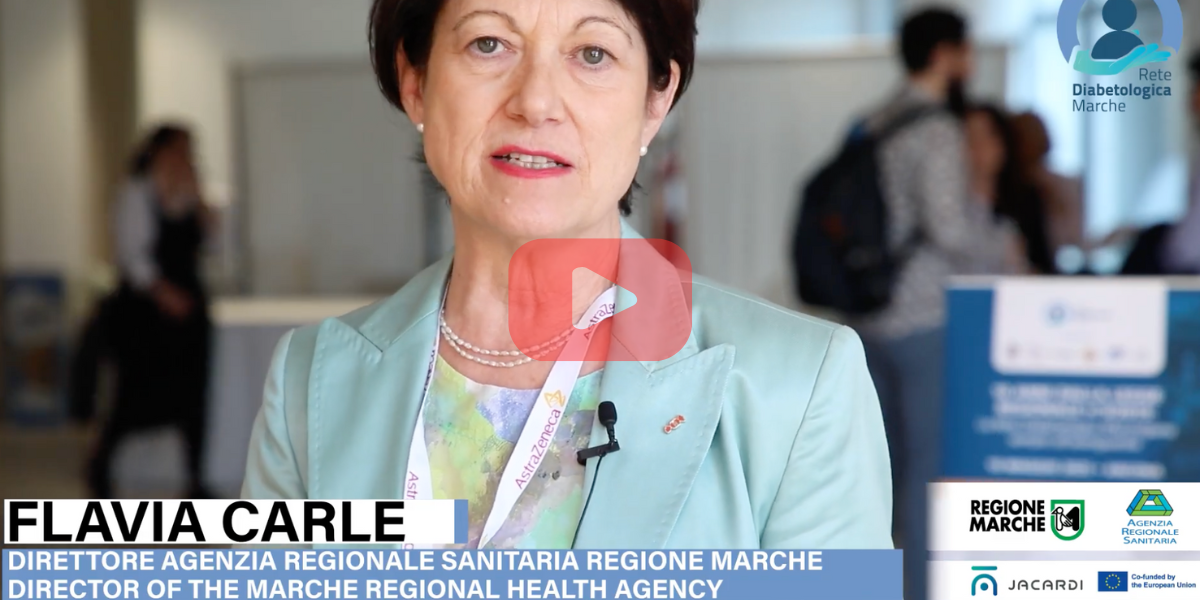
When the European Union launched JACARDI, the Marche Region’s mature system made it a natural choice for leadership. The region now co-coordinates the work on patient self-management and runs five pilot projects that align with prevention, early diagnosis, and integrated care. All activities are co-designed with professionals and patient associations, ensuring that regional strengths feed into European innovation while new knowledge returns to improve local services.
As highlighted by Flavia Carle, Director of the Regional Health Agency, participating in a European Joint Action offers “two main benefits: contributing our experience to the development of guidelines and organizational models, and learning from other European countries to guarantee equity across our region.”
Digital innovation plays a central role. As Massimiliano Petrelli notes, the region’s electronic medical records now allow real-time data access, enabling faster and more precise interventions. JACARDI provides new resources to expand this capacity and strengthen digital health literacy among professionals and patients alike.
Beyond technology, JACARDI promotes a cultural shift toward shared responsibility. The projects now implemented in all the Health Authorities of the Regional Healthcare system will enhance health literacy, empowering citizens to make informed decisions about their care.
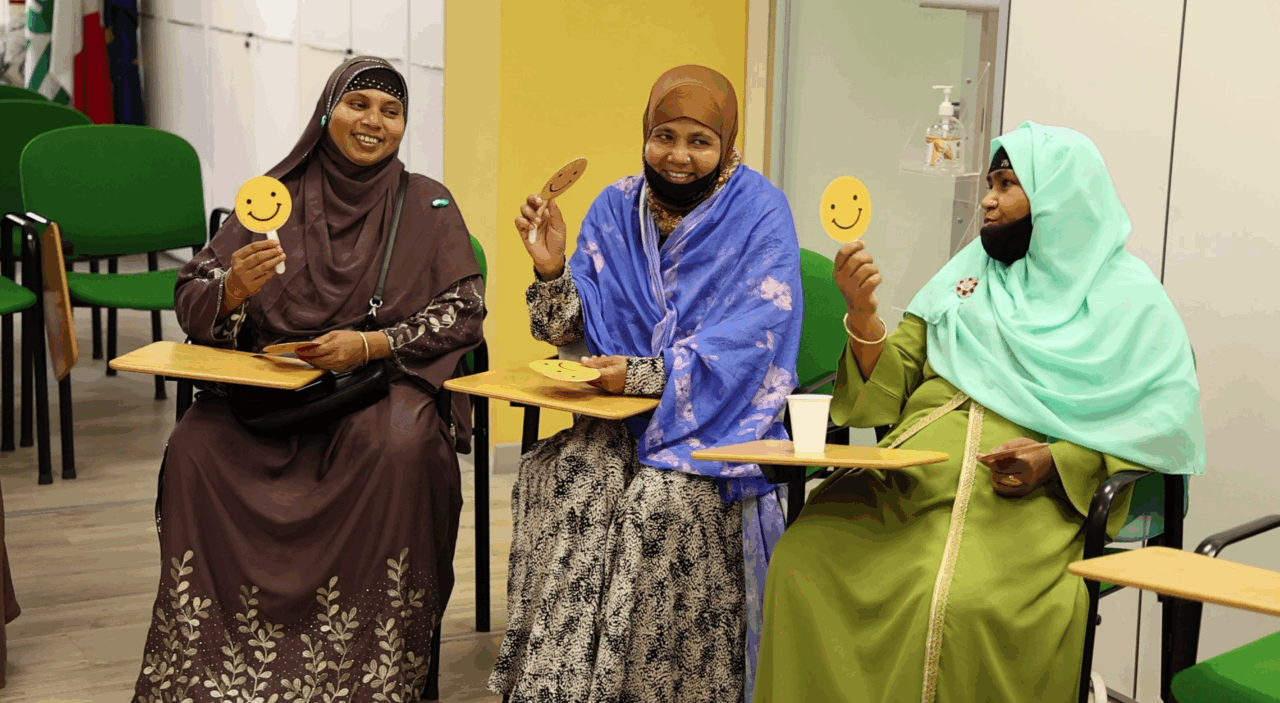
As highlighted by Paolo Muratori, President of the Marche Federation of Diabetic Associations, patient associations act as vital bridges between institutions and the community, ensuring that patient voices help shape regional policies.
In just two years, the Marche JACARDI team has launched pilot projects in almost all Diabetes Centres, produced educational materials, and trained healthcare staff, embedding these innovations into the regional system.
The Marche Region’s journey—from pioneering legislation to European leadership—shows how consistent collaboration and commitment to equity can turn a regional best practice into a shared European achievement. JACARDI is not just a project but a collective investment in knowledge, empowerment, and health for all.
Prevention in Action: Combating Non-Communicable Diseases Through Collective Health Action and Education
The Prevention in Action (PIA) project was launched to address the fact that cardiovascular diseases and diabetes are recognized as among the world’s deadliest, yet most preventable, health threats. The core focus is the prevention of non-communicable diseases (NCDs).
PIA is a cross-border initiative aimed at preventing NCDs through a strategy involving education, early detection, and equitable access to health information. Its mission is to reduce the impact of NCDs by promoting healthy behaviours and empowering communities. The partners characterize PIA as more than a project, it’s a commitment to a healthier future.
The project runs for two years, from December 2023 to November 2025 and is led by a strong partnership between multiple Red Cross National Societies, including the Portuguese Red Cross, Hungarian Red Cross, Spanish Red Cross, Slovenian Red Cross, and Italian Red Cross. Through this collaboration, the National Societies support national and EU health policies and contribute to the UN 2030 Sustainable Development Goals.
The project specifically targets youth and people in vulnerable situations. Key beneficiaries include displaced individuals from Ukraine.
PIA is projected to reach:
- close to 15,000 children and youth;
- 100 Red Cross staff and volunteers;
- 100 vulnerable individuals receiving health promotion services.
PIA delivers educational activities in various community settings:
- A Sudden Death Prevention Program is provided in schools and youth settings.
- This program teaches children and teachers about the risk factors and early signs of cardiovascular diseases and diabetes.
- Training is provided to help communities respond effectively in emergencies, such as CPR training for young people.
The project is developing a mobile application and remote monitoring tool intended to support individuals in managing their health proactively.
To ensure inclusivity, PIA develops culturally sensitive materials for vulnerable populations. These materials are made available at Red Cross health centres and are paired with enhanced screening and counselling during medical visits.
The activities undertaken by the PIA project help communities achieve essential outcomes, including:
- recognizing warning signs early;
- reducing risky behaviours;
- responding effectively in emergencies, for example, through CPR training for young people.
To amplify the project’s impact, the PIA team actively aligns its actions with commemorative health dates, such as World Bicycle Day, World Health Day, or World First Aid Day. These dates provide powerful opportunities to raise awareness, engage the public, and promote prevention messages to broader audiences.
The project’s strategy ensures that prevention does not happen in the shadows, but instead becomes part of a shared public conversation about health and solidarity.
By investing in education, partnering across borders, and making prevention accessible to all, the PIA partners are setting an example of what collective health action can achieve.
Stay tuned for updates, tools, and events by visiting the project’s website, LinkedIn, Instagram, Facebook page, X and YouTube channel.