Cardiovascular health in focus: new OECD report and JACARDI experts highlight the path from data to implementation
Cardiovascular disease (CVD) still causes around 1.7 million deaths every year in the European Union. It remains a leading cause of mortality, although most of this burden is preventable. That was the key message of the OECD webinar on 10 February presenting the new EU-funded report ‘State of Cardiovascular Health in the European Union’, which also introduced new monitoring tools and highlighted how the EU Safe Hearts Plan can be translated into practical action, with JACARDI playing an active implementation role.
The webinar, moderated by Francesca Colombo, Head of the Health Division at the OECD Directorate for Employment, Labour and Social Affairs, brought together more than 300 participants from EU institutions, national authorities, research, clinical practice and patient organisations.
Opening the event, Antonio Parenti from the European Commission’s Directorate-General for Health and Food Safety warned that progress in reducing cardiovascular deaths has slowed across Europe. Without stronger prevention and earlier intervention, the overall burden could grow substantially. The recently launched EU Safe Hearts Plan is designed to support Member States in strengthening national plans across prevention, screening, treatment and rehabilitation, with particular attention to vulnerable groups and inequalities in access to care.
New OECD data presented during the webinar show that over three-quarters of cardiovascular deaths in the EU are linked to modifiable risk factors, and trends are worsening in several areas. Around 22% of EU residents live with hypertension, 15% with obesity and 8% with diabetes, while psychosocial risks such as stress, depression and sleep problems affect roughly one third of the population.

Important screening gaps persist: in the 45–54 age group, nearly three in ten adults have not had their blood pressure checked in the past year, and many have gone five years without testing blood sugar or cholesterol. Speakers stressed that screening only improves outcomes when it is followed by timely diagnosis, treatment and long-term patient support.
From the patient perspective, the panel highlighted that delays and fragmentation in diagnosis and care pathways remain a major barrier to better cardiovascular outcomes. Konstantina Boumaki, Board Member of the European Patients’ Forum, warned that late diagnosis and long waiting times not only worsen prognosis but also erode patient trust in the system. She stressed that reducing inequalities is not about delivering identical care to everyone, but about ensuring that all patients can truly access timely diagnosis, treatment and support; a principle that should guide how national cardiovascular plans are designed and implemented.
Alongside the report, the OECD and the European Commission launched a new Cardiovascular Health Dashboard, an online platform that allows policymakers, researchers and the public to track risk factors, care quality and patient pathways across EU countries.
From measurement to implementation
The discussion focused on a recurring weak point in public health policy: implementation. While the evidence on cardiovascular prevention and care is strong, most strategies fail in execution, noted Dr Héctor Bueno, co-leader of JACARDI’s Work Package on data and scientific coordinator of the Cardiovascular Health Strategy of Spain’s National Health System. The key is a clear vision, participation of patients and citizens, as well as political ownership.
Plans only deliver results when they are operational, measurable and realistic, stressed Dr Bueno. Measurement “is essential for visibility and accountability: without indicators, progress cannot be tracked”.
He described how the Spanish strategy is built on a broad indicator framework covering prevention, primary care, acute and chronic care, gender aspects and education, supported by a core set of priority measures. Digital integration, interoperable registries and automated data systems are critical to make monitoring sustainable. Dr Bueno also underlined that aligning scientific evidence, political commitment and citizen engagement is as important as funding when moving from strategy to practice.
JACARDI’s cross-sector contribution to the Safe Hearts Plan
Dr Benedetta Armocida, coordinator of JACARDI, highlighted how the joint action supports the Safe Hearts Plan through cross-sector and patient-journey approaches that connect health literacy, risk awareness, screening and prevention with long-term care pathways. “Cardiovascular prevention is not only a health system responsibility but a societal one, requiring coordinated action across sectors,” Dr Armocida noted, reflecting a Health in All Policies approach.
JACARDI pilots already include early-life interventions to improve children’s understanding of cardiovascular risk and workplace-focused prevention models, alongside broader work on food literacy, healthy environments and equitable access. Digital health and AI tools can accelerate impact, she added, “but only if they are properly integrated into routine care, trusted by users and supported through professional training”.
The overall conclusion was clear: Europe now has stronger data, shared metrics and a dedicated policy framework through the Safe Hearts Plan. With its indicator frameworks, cross-sector pilots and implementation focus, JACARDI is helping to transform evidence and ambition into tangible improvements in cardiovascular health.
References:
OECD (2025), The State of Cardiovascular Health in the European Union, OECD Publishing, Paris
EU Safe Hearts Plan (pdf)
The State of Cardiovascular Health in Europe Dashboard, OECD
The Cardiovascular Health Strategy (CVHS) of Spain’s National Health System, Ministry of Health, Spain (pdf)
Call for papers: join the scientific debate on cardiovascular disease and diabetes
The current policy landscape offers unique momentum for strengthening collective action on noncommunicable diseases. To stimulate discussion on the challenges and opportunities related to cardiovascular disease and diabetes, the International Journal of Public Health and Public Health Reviews have opened a joint call for papers.
Authors are invited to submit Original Articles, Theory and Concept papers, Reviews, and Policy Briefs for the special issue “Strengthening the public health response to cardiovascular diseases and diabetes”. The call for papers is open until 15 January 2027. Submissions will be reviewed by an editorial board that includes two experts from JACARDI, Yhasmine Hamu and Edwin Wouters.
Developed in line with the JACARDI mission, the special issue seeks to foster actionable knowledge that advances effective, equitable, and sustainable responses. Its aim is to support healthier lives, more resilient health systems, and stronger commitment to tackling noncommunicable diseases.
Topics of interest, identified in collaboration with JACARDI, include:
- Primary prevention, including health literacy, awareness, and health promotion
- Screening of high-risk populations
- Integrated health pathways, including health care organization, patient self-management, and reintegration into the workforce
- Data infrastructure and digital technologies as drivers of evidence-informed decision-making and innovation
- Health system strengthening, with a focus on governance, financing, and service delivery
- Strategies to reduce health inequities and ensure that populations living in vulnerable situations are not left behind
Accepted papers will be published on a rolling basis in the online special issue.
Be part of the call and support the creation and dissemination of knowledge that strengthens our public health response to cardiovascular disease and diabetes!
For more information on the call visit the website of the International Journal of Public Health.
How JACARDI can support the implementation of the EU Safe Hearts Plan
Benedetta Armocida, coordinator of JACARDI, presented the Joint Action’s role in shaping screening and early detection approaches under the Safe Hearts Plan, during a dedicated webinar organized by the European Commission.
On 15 January 2026, the European Commission hosted the first stakeholder webinar dedicated to the Safe Hearts Plan, the EU’s first-ever cardiovascular health plan, adopted on 16 December 2025. The online event brought together nearly 500 stakeholders from across Europe and provided a key platform to exchange views on how to support the implementation of the Plan and its flagship initiatives [1].
The webinar [2] marked an important milestone in the roll-out of the Safe Hearts Plan, which aims to tackle cardiovascular diseases (CVDs), the leading cause of mortality in the European Union, through coordinated action on prevention, early detection and screening, and treatment, care and rehabilitation, while addressing cross-cutting challenges such as data and digitalisation, research and innovation, and health inequalities.
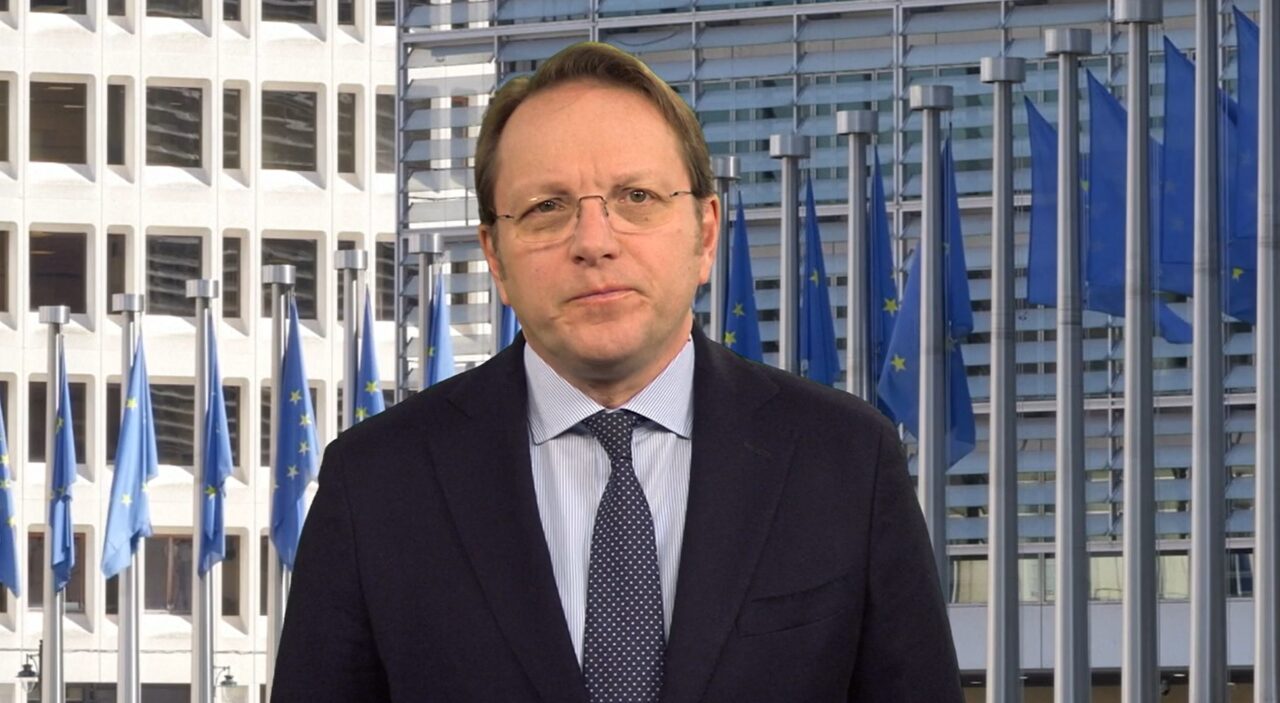
Opening the meeting, Commissioner for Health and Animal Welfare, Olivér Várhelyi, underlined the urgency of action and the importance of collaboration with stakeholders to turn the Plan into concrete results.
“Cardiovascular diseases remain Europe’s number one killer, placing a growing burden on our health systems, societies and economies. With the Safe Hearts Plan, we now have a strong policy tool at EU level, but its success will depend on close cooperation with Member States and stakeholders to make it a reality,” said Commissioner Várhelyi.
Supporting early detection and screening
During the webinar, the coordinators of key Joint Actions, JACARDI and JA PreventNCD, presented how their work contributes to the implementation of the Safe Hearts Plan. Dr Benedetta Armocida, coordinator of JACARDI, highlighted the Joint Action’s strong alignment with Pillar 2 of the Plan: early detection and screening, including the flagship initiative on an EU Protocol on Health Checks for CVDs.
JACARDI brings together 21 countries and 81 partners, working to translate EU priorities into concrete, country-level implementation. In particular, Work Package 8 on screening high-risk populations, led by Hanna Tolonen and Luigi Palmieri, is developing common protocols and tools to support Member States in the design, organisation and sustainability of effective screening programmes.
“We are testing and implementing practical solutions that can support the Safe Hearts Plan on the ground. Our pilot projects on early detection and screening aim to generate evidence and tools that help Member States reach high-risk populations, while embedding equity and sustainability across all activities. The aim is to provide further evidence and the result of our pilots to support the implementation of the European plan,” said Dr Armocida.
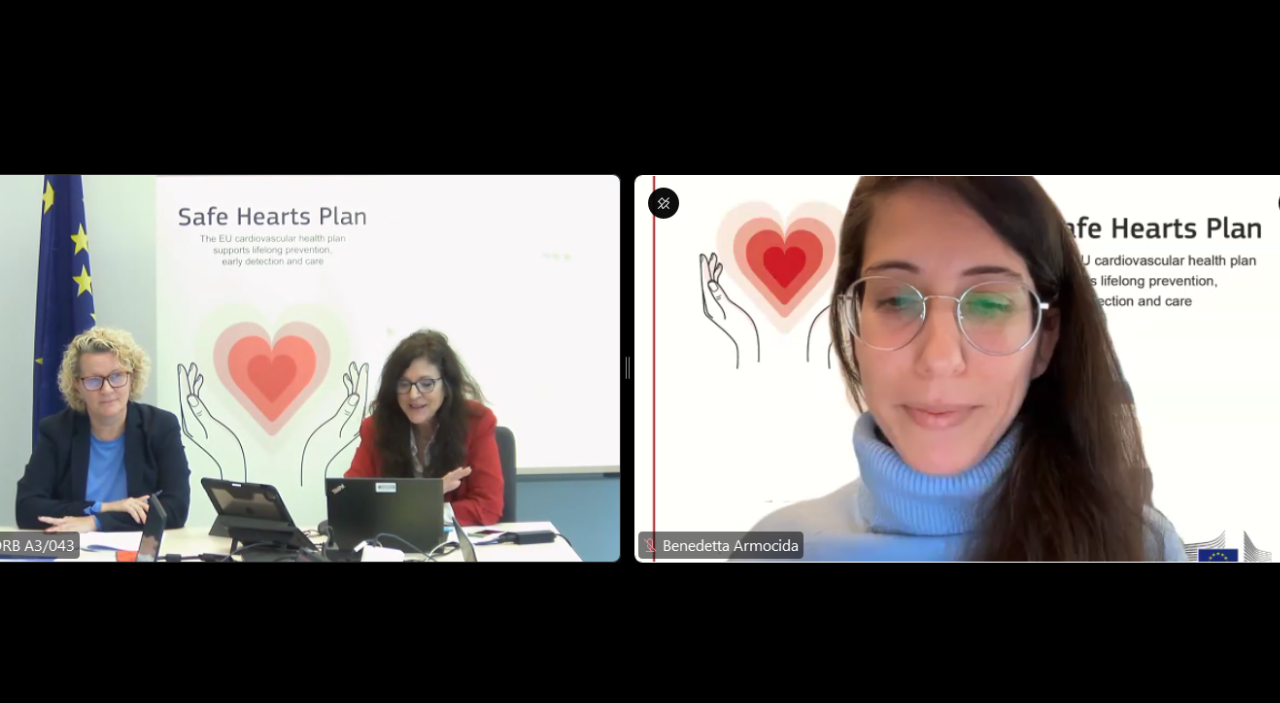
In practice, JACARDI is implementing 19 pilot projects focused on screening for CVDs and diabetes across different European countries, assessing the feasibility of diverse screening approaches. The Joint Action has also developed an online risk assessment tool selection guide, supporting professionals in selecting appropriate risk prediction methods.
Addressing inequalities is a core priority for JACARDI, fully aligned with the Safe Hearts Plan. Across its 143 pilot projects, the Joint Action promotes equity and diversity, targeting both the general population and high-risk groups, with a focus on integrated care pathways, self-management and social participation.
The webinar also showcased the strong alignment between the Safe Hearts Plan and other EU initiatives. Knut Jønsrud, project manager of JA PreventNCD, emphasised the importance of addressing key risk factors and reducing social inequalities through a life-course approach.
“Several flagship initiatives of the Safe Hearts Plan, such as modernising tobacco control legislation and strengthening health literacy, are closely aligned with our work. A people-centred, equity-focused approach and cross-sectoral collaboration are essential to achieving lasting impact,” said Jønsrud.
A coordinated EU response
Antonio Parenti, director for Public Health, Cancer and Human Security in the Directorate General for Human and Food Security of the European Commission (DG SANTE), stressed the scale of the challenge posed by CVDs and the need for decisive, coordinated action at EU level.
“CVDs cost the EU more than €280 billion every year. Without strong and coordinated action, this burden will continue to grow, affecting future generations, health systems and economic resilience. The Safe Hearts Plan is our collective response to this challenge,” Parenti stated.
He highlighted the Plan’s three pillars and its ten flagship initiatives, designed to improve population health, foster innovation and support sustainable healthcare systems. Prevention remains a cornerstone of the Plan, as nearly 80% of CVDs can be prevented through lifestyle changes, alongside strengthened, patient-centred and multidisciplinary care [3].
Next steps
The European Commission will now collect and analyse the feedback and ideas shared by stakeholders during the webinar. A second stakeholder webinar is planned for the second half of 2026, ensuring continued dialogue as the Safe Hearts Plan moves into its implementation phase.
For JACARDI, the webinar confirmed the relevance of Joint Actions as key instruments to support EU health policies and demonstrated how collaborative, evidence-based approaches can help reduce the burden of CVDs across Europe.
[1] About the Safe Hearts Plan flagship initiatives
Adopted in December 2025, the EU Safe Hearts Plan is underpinned by ten flagship initiatives designed to deliver clear EU added value across prevention, care and innovation, while supporting Member States in addressing cardiovascular diseases in a coordinated and sustainable way:d
- A lifelong, personalised and digitally enabled prevention programme – ‘EU cares for your heart’
- Empowering consumers through information on food processing in the EU
- Modernising tobacco control legislation
- The Commission will examine which appropriate tools, including possible financial actions, could be deployed to support/fund public health actions in the field of primary prevention and stimulate food reformulation and healthier consumer choices
- Proposal for a Council recommendation on vaccination against respiratory infections as a preventive measure for cardiovascular diseases
- EU protocol on health checks for cardiovascular diseases
- Proposal for a Council recommendation on personalised treatment and monitoring of cardiovascular diseases
- Incubator for innovation and integration of AI and digital technologies in cardiovascular healthcare
- EU cardiovascular health inequalities dashboard
- Cardiovascular Disease Research and Innovation Roadmap
[2] Stakeholder Webinar the Safe Hearts Plan – Meeting documents
[3] Questions and answers on the EU Safe Hearts Plan
A defining CVH moment in Europe: The Commission announced the Safe Hearts Plan
“When Europe acts together, we do not simply improve systems, we improve lives,” points out Benedetta Armocida, Coordinator of JACARDI, as the European Union’s Cardiovascular Health Plan is launched. At a time when cardiovascular disease remains Europe’s leading cause of death, this moment marks a collective step toward strengthening heart health across the continent.
Cardiovascular diseases (CVDs) remain the leading cause of death and disability in Europe, as confirmed by the newly released OECD report “The State of Cardiovascular Health in the European Union“. CVD claims 1.7 million lives each year, more than cancer and diabetes combined, and affects an estimated 62 million people. CVDs also contribute significantly to disability, early retirement, and absenteeism, lower the quality of life and reduce life expectancy, according to data from the European Commission [1], [2], [3].
The total economic burden of CVD in the EU is estimated at EUR 282 billion annually, around 2% of GDP, and significantly higher than that of cancer. The OECD report highlights stark geographic, gender and socio-economic disparities in cardiovascular outcomes and access to care, reinforcing the need for coordinated EU-level action. It also acknowledges JACARDI’s input to the report, and references JACARDI’s 4C Framework and pilot actions in France and Spain.
Bearing that in mind, the European Commission’s launch of the Cardiovascular Health Plan, under the name Safe Hearts Plan, marks a decisive moment for public health in the region. JACARDI strongly welcomes this Plan, as coordinated European action is essential to reduce the number of people falling ill with cardiovascular diseases, and to prevent premature deaths for those with existing conditions or risk factors, such as obesity, diabetes and high blood pressure.
“The launch of the Cardiovascular Health Plan marks a pivotal moment for Europe’s public health. JACARDI welcomes this initiative, recognizing the crucial role of Joint Actions in fostering collaboration among countries, experts, and stakeholders. By working together, sharing knowledge, and aligning efforts, we can ensure that advances in prevention, care, and innovation in cardiovascular health truly reach all communities, leaving no one behind,” notes Prof Graziano Onder, Scientific Coordinator of JACARDI.
The Plan arrives at a critical time. For too long, CVD and diabetes have lacked the political visibility their burden demands. The CVH Plan opens the door to a new European approach that puts prevention first, strengthens early detection and screening, and promotes equity and integrated, patient-centred care across health systems. For JACARDI, this initiative is an essential step towards making the healthy choice the easy and default choice for citizens across Europe.
“The CVH Plan is a decisive step forward, and JACARDI is proud to contribute with its experience and technical expertise. Our work shows that no cardiovascular strategy can be effective without putting equity at the centre, addressing the gaps linked to income, geography, education and gender that still shape health outcomes across Europe. We look forward to supporting the implementation of a Plan that has the potential to change lives across the region”, explains Dr Benedetta Armocida, coordinator of JACARDI.
The CVH Plan is needed as fragmented efforts can no longer address challenges that are inherently interconnected. “Prevention, early detection, treatment, rehabilitation, digital innovation, community engagement, these elements only create real impact when they are aligned and mutually reinforcing”, adds Dr Armocida.
Equally important is the improvement of data collection and use, ensuring that high-quality, reliable information drives policy decisions, guides clinical practice and allows progress to be measured transparently across countries, as highlighted in a recent policy paper published in The Lancet Regional Health – Europe, developed jointly by the Joint Action on Cardiovascular Diseases and Diabetes (JACARDI), the Joint Action Prevent Non-Communicable Diseases (JA PreventNCD), and the WHO Regional Office for Europe (WHO/Europe), [4].
“Robust and accessible data are essential to understand where inequalities arise, to identify people at risk earlier and to ensure timely, high-quality care across Europe. Strengthening data systems, from availability and quality to interoperability and sharing, is key to improving early detection, screening programmes and continuity of care”, says Dr Héctor Bueno, co-leader of the working group on data availability, quality, accessibility and sharing from JACARDI.
Through its multidisciplinary network, technical expertise and strong partnerships, JACARDI stands ready to support the successful rollout of the Safe Hearts Plan. The Joint Action will continue to contribute practical knowledge on prevention, governance, data systems and quality of care, building on lessons learned from other European health initiatives and aligning closely with the shared vision set out by the European cardiovascular community.
Joint Actions are more than projects, they are engines of collaboration. JACARDI can serve as a bridge between countries, stakeholders, and other EU initiatives, helping to translate the CVH Plan into coordinated, coherent, and sustainable action across Europe.
JACARDI is generating concrete insights on equity, early detection, integrated care, digital tools, data systems, and workforce capacity. These lessons, grounded in practice and validated across diverse health systems, can inform the plan’s priorities, standards, and operational frameworks. JACARDI remains fully committed to supporting the European Commission in prioritizing the Cardiovascular Health Plan and promoting its effective implementation across Member States, ensuring that every step forward translates into meaningful impact for people’s health.
The Safe Hearts Plan at a glance:
• Prioritises prevention as one of its main pillars
• Sets clear targets, including reducing mortality related to cardiovascular disease by 25% by 2035
• Encourages Member States to develop or implement national cardiovascular health plans by 2027
• Emphasises reducing health inequalities and improving access to healthcare
• Supports an EU protocol on health checks to shift the focus from treatment to prevention
• Addresses lifestyle risks, including unhealthy diets, ultra-processed foods, and smoking
Read the full European Commission Safe Hearts Plan here.
References:
[1] OECD (2025), The State of Cardiovascular Health in the European Union, OECD Publishing, Paris,
[2] Cardiovascular health; European Commission
[3] Fighting cardiovascular disease – a blueprint for EU action, June 2020. European Heart Network and the European Society of Cardiology.
[4] Benedetta Armocida, Hanna Tolonen, Ivo Rakovac, Beatrice Formenti, Jill Farrington, Allison Ekberg, Hector Bueno, Giovanni Capelli, Silvia Francisci, Morten S. Frydensberg, Ane Fullaondo, Linda Granlund, Yhasmine Hamu Azcarate, Torben F. Hansen, Emil Høstrup, Tomi Mäki-Opas, Luigi Palmieri, Markku Peltonen, Valentina Possenti, Marco Silano, Gundo Weiler, Kremlin Wickramasinghe, Edwin Wouters, Knut-Inge Klepp, Graziano Onder, Gauden Galea, Strengthening non-communicable diseases monitoring systems in Europe through a multistakeholder collaborative approach: a key priority for advancing data-driven policymaking, The Lancet Regional Health – Europe, Volume 61, 2026, 101553, ISSN 2666-7762,
A historic step for global health: UN adopts declaration on NCDs and mental health
The Eightieth United Nations General Assembly (UNGA) has adopted a landmark global political declaration to tackle noncommunicable diseases (NCDs) and mental health in an integrated way, recognising that conditions like cardiovascular disease, diabetes, cancer, chronic respiratory illnesses and mental health disorders are now the leading causes of death, disability and lost opportunity worldwide.
This declaration marks a pivotal shift in global health policy, setting concrete, measurable targets for 2030 and calling on governments to act with urgency, equity and accountability.
The first-ever global outcome targets set out by the declaration to be achieved by 2030 include:
• 150 million fewer tobacco users;
• 150 million more people with hypertension under control;
• 150 million more people with access to mental health care.
The declaration goes beyond health systems, addressing the wider determinants of health – such as air pollution, unhealthy diets, harmful marketing practices, and digital harms – and emphasises that NCDs and mental health must be tackled together, through whole-of-government and whole-of-society collaboration.
This is a huge opportunity to reset global efforts and accelerate progress on the Sustainable Development Goals, especially on reducing premature deaths and promoting well-being for all.
Where JACARDI fits in
JACARDI’s mission aligns directly with this global vision. By advancing evidence-based, integrated prevention and care models for cardiovascular disease and diabetes – key components of the NCD burden – JACARDI helps translate these high-level political commitments into action on the ground.
Our work in harmonising data, strengthening health pathways, supporting policy implementation, and fostering cross-country learning directly contributes to the declaration’s ambitions of measurable impact and equity. With its emphasis on collaboration, scalability, prevention and inclusion, JACARDI is uniquely positioned to support Member States in meeting these targets, bridging research, policy and practice for lasting change.
Can artificial intelligence help shape smarter cardiovascular policies across Europe?
What if policymakers across Europe had faster, clearer and more reliable data to guide decisions in cardiovascular health? Addressing that challenge, one of JACARDI’s pilot teams from CNIC presented their work at the ESC Digital & AI Summit 2025, showcasing AI innovations designed to turn evidence into actionable policy.
At the European Society of Cardiology Digital & AI Summit 2025, researchers Fatima Sanchez-Cabo, Juan Ignacio Alvarez Arenas, Daniel Jiménez Carretero, from the Computational Systems Biomedicine group at CNIC (Spanish Cardiovascular Research Center), and active members of JACARDI’s Working Group on Data Availability, Quality, Accessibility and Sharing, presented their poster: CARMINA: Optimizing low-parameter language models for high-quality cardiovascular research assistance. The work was featured in the session From bench to bedside: the potential roles of large language models in cardiovascular medicine, moderated by Professor Lis Neubeck, from Edinburgh Napier University; and Associate Professor Johan Verjans MD PhD FESC FRACP, from the University of Adelaide.
Why does this matter?
Within JACARDI’s Pilot 57, CNIC is developing EUROCARDIAB, a pioneering federated data platform integrating cardiovascular health indicators from across Europe. One of its key features is a CVD impact simulator that models how changes in risk factors could reduce event prevalence, providing policy makers with reliable, data-driven scenarios for national planning.
A dedicated web front-end will share these insights and will also host CARMINA (Cardiovascular And Research-driven Molecular Insight with Novel Assistant), an AI-powered research assistant designed to support specialized cardiovascular research. CARMINA will orchestrate the Intelligent Policy Agent (IPA), enabling autonomous trend analysis, computational modeling of interventions, and the creation of clear, actionable policy briefings for decision-makers in cardiology and diabetology.
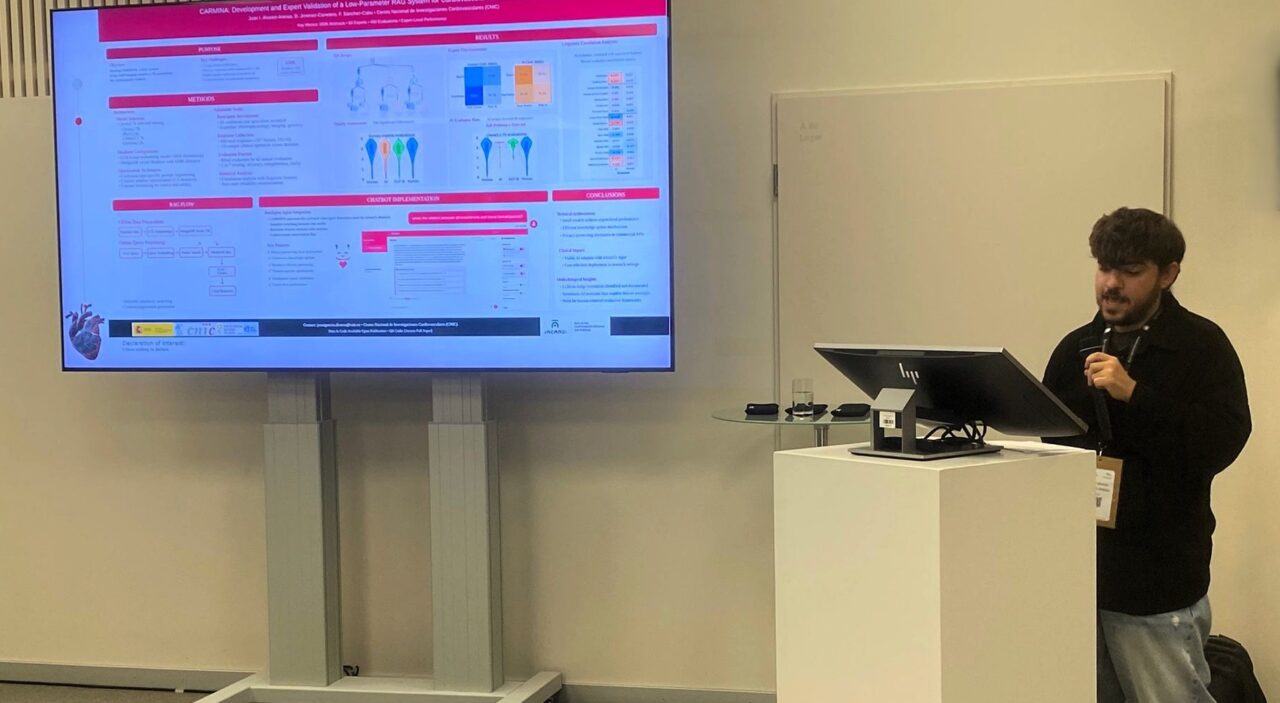
This year’s ESC Digital & AI Summit motto, “Prepare for the next frontier in cardiovascular care”, aligns strongly with JACARDI’s overarching mission: accelerating patient outcomes and transforming clinical workflows across Europe through better data, smarter tools and more equitable care pathways.
Today, accurate, comparable and timely data on cardiovascular disease and diabetes remain limited, yet this information is essential for developing targeted policies that reduce disease burden, improve healthcare for all citizens and help close persistent inequalities.
The ESC Digital & AI Summit remains a key meeting point for global leaders, innovators and technology experts shaping the digital transformation of cardiovascular care, and pilots like this one from CNIC demonstrate how JACARDI is already turning that vision into meaningful, data-driven progress across Europe.
CaregIVR: How virtual reality is transforming caregiver health
CaregIVR addresses the critical challenge posed to informal caregivers who support individuals with chronic illnesses, particularly cardiovascular conditions. This role can place a heavy emotional and physical burden on caregivers, often negatively impacting their own well-being.
The project explores how Immersive Virtual Reality (IVR) can be utilized as an innovative digital tool to support cardiovascular health promotion among these informal caregivers. CaregIVR’s mission is to develop immersive VR content that provides educational and relaxing experiences aimed at helping to reduce stress, promote healthy habits, and raise awareness about self-care.
This EU-funded Action Grant launched on 1 November 2023, and is scheduled to conclude on 31 October 2026.
CaregIVR employs a human-centred approach to digital health. By focusing specifically on the mental and physical health of caregivers, the project contributes not only to individual well-being but also to the development of more sustainable and inclusive healthcare systems.
Substantial challenges the project must navigate include adapting content to different caregiver profiles, ensuring accessibility and usability of the technology, and measuring the real impact of VR on emotional and physical health indicators.
Since its launch, CaregIVR has completed several foundational milestones:
- Comparative Analysis and State of Art Report: A report was produced in April 2024 detailing cardiovascular diseases, relevant country regulations, and systematic analyses of the condition of informal caregivers.
- Focus Group and Design Work: A Focus Group discussing the app and IVR design was held in June 2024.
Training: Training sessions for caregivers using IVR equipment and software are taking place between September 2025 and April 2026.
The core strategic impact of CaregIVR is achieved through experiential learning facilitated by IVR technology. The IVR is developed to simulate the sensory and emotional realities of living with limitations after a stroke. Through this technology, caregivers can gain experiential insight, moving beyond clinical descriptions to achieve a more embodied understanding of symptoms and behaviours. The content is expected to reduce stress, promote healthy habits, and raise awareness about self-care among caregivers.
Professor Helena José, Coordinator of the Action Grant CaregIVR and President of ESSATLA, notes that caregivers often express deep commitment to their loved ones but “struggle to truly grasp what the person is experiencing”. The project was developed to address this gap by using immersive virtual reality.
A Polish participant in an Informal Caregivers’ Focus Group shared the difficulty of providing support when unable to fully understand the patient’s reality: “The hardest thing for me was understanding what my husband felt… some of the symptoms are difficult for me as a healthy person to imagine”. This participant reflected, “Today I realized that I am constantly trying to pull him back into my reality. Or maybe it should be the other way around – should I try to enter his world?”. The IVR simulation aims to assist in stepping into the patient’s world, helping caregivers better understand their perspective.
Whether you are a healthcare professional, caregiver, researcher, or simply interested in new approaches to informal care, you are invited to join the growing community. The final goal is to share, connect, and help co-create technological solutions with real human impact.
JACARDI’s synergies with Action Grants: reducing the cardiovascular burden together
The five Action Grants – CaregIVR, PERFECTO, Preventia, PROVIDE, RESIL-Card – and JACARDI are all anchored in the urgent mission of tackling the burden of cardiovascular diseases (CVD), Europe’s leading cause of death, which is especially timely as the European Commission develops the European Cardiovascular Health Plan (CVH Plan). This partnership is built upon the understanding that up to 80% of premature CVD deaths are preventable, and aims to strengthen cohesive EU-level action.
The overarching goal uniting JACARDI and these projects is the comprehensive reduction of the immense public health burden caused by Non-Communicable Diseases (NCDs), particularly Cardiovascular Diseases (CVD) and diabetes. This is pursued through a shared commitment to developing and promoting the implementation of validated best practices throughout the entire patient journey.
Within the implementation domain, projects focused on early detection, such as PERFECTO and PROVIDE, are collaborating with JACARDI WP8 to develop standardized screening protocols. Addressing health system continuity, RESIL-Card partners with JACARDI WP9 to specifically build resilience in cardiovascular care pathways, ensuring high-quality care continuity during crises.
Key expected outcomes include strengthening patient-centered approaches, utilizing novel digital tools like predictive algorithms by PROVIDE and immersive technology by CaregIVR, and developing tools such as the resilience assessment toolkit by RESIL-Card.
Synergies around equity are strengthened by sharing JACARDI’s “4Cs” Framework, which helps projects like CaregIVR and Preventia ensure targeted outreach to vulnerable populations. Both Preventia and PROVIDE showcase the central role of innovative digital tools in prevention efforts.
By coordinating our approach across technical work packages among these projects, we maximize collective impact and ensure that project outcomes translate effectively into actionable policy, creating roadmaps that support the scaling up of experiences at the national and regional levels.Ultimately, this unified collaboration contributes to promoting prevention, early detection, education, and sustained behavioral change for a healthier future.
More than cancer: The silent epidemic in Europe
“I almost didn’t see my daughter graduate.” Alice, a 45-year-old mother of two, was the picture of health, or so she thought. Until one day, a sudden heart attack left her in the ICU, fighting for her life. Like many others, Alice was unaware of her cardiovascular risk factors. Her story is a stark reminder of the silent epidemic plaguing Europe: cardiovascular disease (CVD). Historically, CVD has been the leading cause of death in the European Union, claiming over 1.8 million lives annually and affecting more than 60 million people. [1],[2] Recent improvements in cardiovascular care in some countries highlight progress, but the burden of CVD remains unparalleled.
Despite its massive toll, CVD lacks the policy attention it deserves. Rising obesity and diabetes rates, particularly among younger populations, are fueling this crisis, while the decline in mortality rates has slowed alarmingly. Marleen Kestens, Manager of CVD Prevention Policies at the European Heart Network (EHN), underscores this urgency:
“CVD remains the leading cause of death in the EU, surpassing cancer and diabetes, yet it has long lacked the policy attention it urgently requires. The progress achieved through Europe’s Beating Cancer Plan presents a clear opportunity: its lessons, good practices, and even its unimplemented measures on prevention and nutrition can help shape an effective Cardiovascular Health (CVH) Plan. With up to 80% of premature CVD deaths being preventable through public health measures and/or preventative treatment, the time to act is now to make the healthy choice the default choice.”
A blueprint for action
The success of Europe’s Beating Cancer Plan, reflected in the fact that over 90% of its actions are completed or well underway. Council Recommendations on cancer screening, on vaccine-preventable cancers, and on smoke- and aerosol-free environments provide recommendations to Member States and are extending access to important tools such as cancer screening, Human Papillomavirus and Hepatitis B vaccination, and strengthening protection from cancer risk factors such as tobacco. [3]
These principles are equally vital for tackling CVD. JACARDI is committed to building on this momentum. By collaborating with organizations like EHN and supporting the European Alliance for Cardiovascular Health (EACH)’s roadmap, JACARDI aims to promote preventative care and education, advocate for evidence-based policy changes, and foster partnerships to enhance cardiovascular health across Europe.
For the Coordination Team of JACARDI, “the current policy momentum presents a pivotal opportunity to advance the development and implementation of a dedicated EU Cardiovascular Health Plan. Building on the achievements and lessons of Europe’s Beating Cancer Plan, such a framework must be tailored to the distinct complexities of cardiovascular disease prevention, early detection, and integrated care. We strongly endorse this strategic direction. We are firmly committed to contributing to and advocating for a comprehensive, equity-driven EU response.”
Central to JACARDI’s mission is the promotion of equity and diversity inclusion, grounded in gender-responsive and context-specific approaches. “We believe that only by embedding these principles at every level of policy and practice can we truly reduce the burden of cardiovascular diseases and diabetes, and ensure that no one is left behind,” explain the members of JACARDI’s Coordination Team.
Aligned with JACARDI’s vision, EACH envisions a future where, by 2030, premature and preventable deaths from CVD are reduced by one-third [4]. This ambitious goal aligns with Sustainable Development Goal Target 3.4 and prioritizes access to high-quality risk assessments, personalized care pathways, and reduction of health inequalities across Europe.
Turning vision into reality
Alice’s story, though fictional, represents the reality faced by millions. CVD is a silent epidemic, but it doesn’t have to remain that way. By learning from the successes of Europe’s Beating Cancer Plan and implementing a robust Cardiovascular Health Plan, fewer lives will be lost to preventable cardiovascular conditions. Together, we can make cardiovascular health a priority across Europe and create a future where the healthy choice becomes the default choice.
About the CVH Plan
The European Commission is currently developing the European Cardiovascular Health Plan (CVH Plan) to address Europe’s leading cause of death. In parallel, the European Alliance for Cardiovascular Health (EACH) has published A European Cardiovascular Health Plan: The Roadmap, which sets out a shared vision and concrete recommendations to reduce premature and preventable cardiovascular deaths by one third by 2030. Together, these efforts aim to ensure universal access to risk assessments, patient-centred care, and comprehensive strategies for prevention, diagnosis, treatment, and rehabilitation. Learn more.
Sources:
[1] Fighting cardiovascular disease – a blueprint for EU action, June 2020. European Heart Network and the European Society of Cardiology. https://ehnheart.org/about-cvd/eu-action-on-cvd/
[2] Samuel Chin Wei Tan, Bin-Bin Zheng, Mae-Ling Tang, Hongyuan Chu, Yun-Tao Zhao, Cuilian Weng, Global Burden of Cardiovascular Diseases and its Risk Factors, 1990–2021: A Systematic Analysis for the Global Burden of Disease Study 2021, QJM: An International Journal of Medicine, 2025; hcaf022, https://doi.org/10.1093/qjmed/hcaf022
[3] Europe’s Beating Cancer Plan: a comprehensive action plan working hand in hand with the Cancer Mission. European Observatory on Health Systems and Policies: Domenico Fiorenza Glanzmann, Vittoria Carraro, Philippe Roux; CC BY-NC-SA 3.0 IGO. 12 March 2025, https://iris.who.int/bitstream/handle/10665/380751/Eurohealth-31-1-6-eng.pdf?sequence=1
[4] A European Cardiovascular Health Plan: The need and the ambition, May 2022. European Alliance for Cardiovascular Health (EACH). https://www.cardiovascular-alliance.eu/wp-content/uploads/2022/05/EACH-Plan-Final_130522.pdf
New online risk test by the Finnish Diabetes Association garners over 120,000 users in just one month
A groundbreaking new digital health initiative in Finland is empowering individuals to assess their risk of developing some of the country’s most common chronic illnesses, all from the comfort of their homes. This tool has been developed as part of a pilot program within JACARDI’s Work Package on screening by the Finnish Institute for Health and Welfare (THL) and the Finnish Diabetes Association.
The new online risk test has already garnered over 120,000 users in just one month, signaling a widespread public interest. In fact, drawing from extensive population-level health data, the tool estimates a person’s likelihood of developing: type 2 diabetes, cardiovascular diseases, and memory disorders (such as dementia). The risk for type 2 diabetes and heart disease is projected over 10 years, while memory disorders are evaluated over a 20-year timeline.
The test was developed by a team of experts, including Prof. Jaana Lindström, Research Manager at THL and Sari Koski, Director of Diabetes Courses and Knowledge Production at the Finnish Diabetes Association, under JACARDI’s Work Package on Screening, led by Hanna Tolonen from THL. It does not function as a diagnostic tool, yet it offers a general risk assessment based on an individual’s lifestyle and health background, providing valuable insights even before symptoms emerge. It is especially helpful for individuals who may not yet have access to clinical testing or regular medical evaluations.
The test is available online and can be completed in minutes, anonymously and free of charge. It is designed for adults of all ages and is especially relevant for those who are unaware of their risk factors. It can be used independently at home.
Each user receives a personalized summary of their risk, along with science-backed lifestyle suggestions. These include advice in areas, such as diet and nutrition, physical activity, sleep and recovery, and stress management.
By taking the test, individuals are encouraged to make small but impactful changes to their daily habits, changes that could significantly reduce their chances of developing chronic illnesses in the future.
Since its launch in late May 2025, the test has exceeded expectations; the section related to memory disorders has seen particularly high engagement.
This level of adoption underscores a growing interest among the Finnish population in self-directed health promotion and self-care. The success of the initiative also reflects how digital tools can complement traditional healthcare services by raising awareness, prompting early action, and reducing long-term healthcare costs.
Health authorities are enthusiastic about the test’s potential. Prof. Jaana Lindström, from THL, emphasized its preventive power, stating that recognizing risk is key to taking action in time.
Sari Koski, representing the Finnish Diabetes Association, highlighted the importance of modest lifestyle adjustments by saying that even small changes can lead to significant health benefits over time.
This perspective is supported by stark national statistics. Every year in Finland:
- Approximately 23,000 people are diagnosed with type 2 diabetes
- Around 22,000 with coronary artery disease
- About 23,000 begin experiencing memory-related disorders
These figures underline the urgent need for tools that enhance citizens’ awareness of chronic disease risk factors and promote early detection and lifestyle interventions.
For this reason, the launch of this new test quickly gained widespread attention, as the campaign was covered extensively by both major national and local media outlets across Finland. Leading publications highlighted the test’s potential to empower individuals to take control of their health. Regional news platforms played a key role in disseminating the information, ensuring that citizens across the country, from urban centers to rural municipalities, were informed about the tool.
The risk test serves not only as a personal wellness tool but also as a potential model for broader public health efforts. This strategy is not only beneficial for the individual but also contributes to the sustainability of the healthcare system.
Moreover, initiatives like this one are economically sensible: they help curb the rising costs of treating chronic conditions and allow more people to stay healthier and more productive for longer.
Finland’s new online risk test represents a timely and impactful tool for public health promotion. While not a replacement for medical diagnosis, it opens the door to greater personal responsibility and awareness. By bridging digital innovation with health promotion, it empowers citizens to act before illness strikes, and that might just be the key to a healthier future for all.
“There is a positive story to be told here” — what we learned at the DigiCare4You Workshop
In line with HaDEA’s commitment to foster synergies and share knowledge across EU health initiatives, JACARDI actively engages with a wide portfolio of projects – from Joint Actions and EU4Health grants to Horizon-funded interventions. JACARDI team members recently attended the DigiCare4You Capacity Building and Recommendations Development Workshop with International Stakeholders, held in Lisbon during the annual ICIC conference.
The event underscored how ongoing stakeholder engagement is vital to disseminate results, explore upscaling opportunities, develop evidence-based national policies and lay the groundwork for future cross-country collaborations. We invite readers to learn more about this ambitious intervention – running in parallel to our own pilot implementations – which is already demonstrating early results, implementation insights, and an inspiring commitment to meaningful change in health self-management.
A people-centric, digital health solution for preventing and managing diabetes and hypertension
The Horizon2020-funded DigiCare4You project offers a new model for the early prevention and management of type 2 diabetes (T2D) and hypertension (HTN) by engaging schools, communities, and healthcare systems in an intersectoral approach. At its core, the project empowers families and connects health and education sectors, equipping individuals with digital tools to better manage their health.Building on the evidence-based Feel4Diabetes study, DigiCare4You is being implemented in two high-income (Greece, Spain) and two middle-income countries (Albania, Bulgaria), targeting over 10,000 families across socio-economic groups.
Screen, support, empower – the DigiCare4You approach
DigiCare4You applies a two-step screening model leveraging existing child growth monitoring activities in schools and health centers through which parents and caregivers are approached to complete the FINDRISC questionnaire as the first screening step. Adults identified as at risk are then referred for a second screening, which includes anthropometric and clinical assessments to detect conditions such as prediabetes, type 2 diabetes, or hypertension.
Those confirmed at risk are subsequently invited to join the DigiCare4You two-year, mHealth-supported intervention programme, focused on lifestyle change, self-management, and family support. A multilingual mobile app offers access to health data, tracking tools, and educational resources and even recipies. Importantly, the intervention supports healthier behaviors in both adults and children through school and community-based activities.
DigiCare4You combines digital innovation, equity-driven outreach, and participatory research, while integrating into existing systems and investing in health professional training – ensuring sustainable, real-world impact.

Early results revealed: first findings inspire confidence
The Capacity Building and Recommendations Development (CBRD) Workshop gathered international experts at the midpoint of project implementation to review progress and shape the upcoming Roadmap for Scale-Up.Prof. Brian Oldenburg elevated the spirit of the event stating that: “Early findings are promising enough to say that there is a positive story to be told here.” Indeed, early results are compelling:
- Fewer adults with intermediate hyperglycaemia progressed to T2D; many returned to normal glucose levels.
- Participants with T2D improved their HbA1c.
- Adults with obesity experienced weight loss, BMI reduction, and lower cholesterol—without increased medication reliance.
From research to real-world impact
The workshop emphasized the transition from effectiveness to implementation research – examining how interventions work in real-life conditions. Dr Rajesh Vedanthan facilitated a compelling discussion in which implementers candidly shared successes and challenges.
Key takeaways from country implementers:
- Strong consensus: “Yes, we would start and do it again.”
- Motivation stems from seeing behavior change within families—especially when children and caregivers reinforce each other’s progress.
- Burnout among healthcare staff is a concern—but aligning DigiCare4You with existing systems proved an effective strategy.
- Local ownership and trust, especially through primary care systems and schools, were pivotal.
- Participants emphasized the importance of engaging families holistically, with one Bulgarian team member noting how “changing the behavior at home” can be one of the most lasting outcomes.
Additionally, one noted barrier to engagement was previous unsuccessful attempts at weight control, highlighting the need for tailored motivational support.

Cost-effectiveness, scalability, and the road ahead
Preliminary analyses suggest strong cost-effectiveness, especially when targeting adults with intermediate hyperglycaemia in MICs. A Scalability Decision Support Tool was developed to assess implementation readiness across five domains: NCD care context, digital literacy, support systems, screening capacity, and digital integration. These insights inform the forthcoming Roadmap for Scale-Up.
JACARDI Relevance
The presence of experts involved in both JACARDI and DigiCare4You highlights the existence of a vibrant, cross-country network of professionals dedicated to cardiovascular and diabetes care. The workshop featured members of the JACARDI Stakeholder Advisory Board, including a policy advisor from the European Diabetes Federation, epidemiologist and researcher from EUPHA, healthcare professionals involved in the pilot implementation in Portugal, representatives from the industry developing digital tools, and communication experts. Together, these individuals demonstrate the strength of this interconnected community.
Such events provide valuable opportunities to learn, grow and exchange knowledge, and have the potential to shape and enhance the quality of ongoing interventions. Given the different timelines of these projects, the initial findings of the DigiCare4You project can provide valuable insights for the JACARDI teams, given that the implementation of the pilots has only just begun.

Looking ahead
In its final year, DigiCare4You will focus on completing the intervention, finalizing cost-effectiveness studies, and refining its scalability tools. A second CBRD workshop will present final results and a full Roadmap for Scale-Up, providing a concrete guide for policy and replication.
As the burden of type 2 diabetes (T2D) in Europe is expected to reach 72 million people by 2050, DigiCare4You is emerging as a promising prevention model. “We design a programme, and when we start to implement it, we are confronted with the reality on the ground. Reality is revealed, and we act according to people’s needs,” said Prof. Yannis Manios, Project Coordinator. Meeting people where they are – with empathy, innovation and commitment – may be the most powerful intervention of all.
Discover more about the DigiCare4You project here.
JACARDI’s voices on the scientific stage across Europe
The first half of 2025 has been a busy and productive time for JACARDI, with consortium members sharing key findings and pilot implementation highlights at leading scientific conferences across Europe. These contributions, spanning health literacy, integrated care, biomarker-based screening, and health economics, demonstrate the depth and scope of the work underway across multiple work packages.
Spotlight on ICIC25 – Lisbon, Portugal | May 14–16, 2025
JACARDI had a strong presence at the 25th International Conference on Integrated Care (ICIC25) with three distinct contributions representing different work packages:
Irati Erreguerena (Work Package 6 – Health literacy) delivered an oral presentation on a co-designed health literacy program for adolescents in the Basque Country, Spain. Her talk highlighted how WHO’s Health Literacy Development Model, and the Ophelia (Optimising Health Literacy and Access) co-design methodology were applied to empower younger populations with knowledge and tools for chronic disease prevention.
Yhasmine Hamu (Work Package 9 – Integrated care pathways) presented on the implementation of a value-based integrated care model, sharing strategies to address care fragmentation and improve outcomes for people with chronic conditions.
Gergely Varga (Representing both Work Package 9 – Integrated care pathways and Work Package 5 – Methodological framework) contributed a poster that outlined a situational analysis methodology designed to support integrated care.
Faculty of Public Health Summer Scientific Meeting – Dublin, Ireland | May 20–21, 2025
Sonja Moore (Work Package 8 – Screening) presented findings from a scoping literature review on the use of natriuretic peptides in cardiovascular risk stratification and management. Her poster focused on current strategies and approaches for using these biomarkers in patient populations without diagnosed heart failure, a topic gaining traction in preventive cardiology. The review aimed to inform more targeted screening protocols and identify gaps in clinical practice across Europe.
COMET Conference – Poznań, Poland | June 25–27, 2025
Richard Osborne (Work Package 6 – Health Literacy) represented JACARDI at the 23rd International and Interdisciplinary Conference on Communication, Medicine, and Ethics (COMET). His oral presentation focused on scaling up health literacy development as a strategy to prevent and manage non-communicable diseases. The talk stressed the need for strategic investment in communication and co-design at the system level.
1st European Public Health Economics Conference
– Palermo, Italy | June 26–27, 2025
Katie Ellwood (Work Package 8 – Screening) presented a pilot study from JACARDI aiming to establish the most cost-effective threshold for using NT-proBNP blood marker in cardiovascular disease (CVD) risk stratification. The analysis models the impact of different thresholds over a 30-year horizon in a large population cohort. This pioneering work within JACARDI bridges clinical practice with health economics, helping to inform sustainable, evidence-based screening strategies.
These scientific initiatives reflect JACARDI’s commitment to knowledge-sharing, collaboration, and measurable impact. Consortium members not only showcased research but also engaged with policymakers, practitioners, and academics, advancing the mission to improve cardiovascular and diabetes outcomes across Europe. The autumn season offers a variety of relevant conferences, kicking off right at the end of summer with the Congress of the European Society of Cardiology, taking place from 29 August to 1 September.