A model of excellence in the Marche Region: turning a regional best practice into a shared European achievement
The Marche Region stands as a European model of excellence in managing diabetes. Its participation in JACARDI builds on more than a decade of coordinated innovation, legislation, and stakeholder engagement.
The foundation was laid with Regional Law No. 9/2015, which established a network of Diabetes Centres connected by a shared electronic record and coordinated through the Regional Diabetes Committee. Led by the Marche Regional Health Agency (Agenzia Regionale Sanitaria – ARS), this committee unites specialists, family doctors, pediatricians, and patient associations to ensure equal access and consistent quality of care. Recognized by the European Commission’s Best Practice Portal and the Italian National Agency for Regional Healthcare Services (Agenzia Nazionale per i servizi sanitari Regionali – AGENAS), this network became a reference model for chronic disease management.
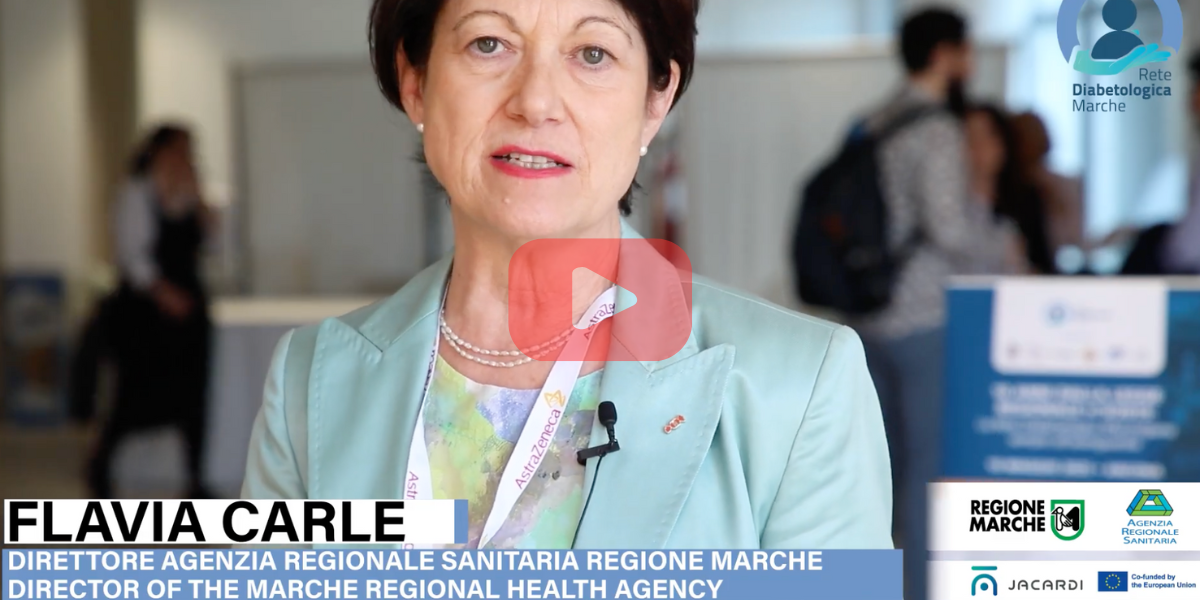
When the European Union launched JACARDI, the Marche Region’s mature system made it a natural choice for leadership. The region now co-coordinates the work on patient self-management and runs five pilot projects that align with prevention, early diagnosis, and integrated care. All activities are co-designed with professionals and patient associations, ensuring that regional strengths feed into European innovation while new knowledge returns to improve local services.
As highlighted by Flavia Carle, Director of the Regional Health Agency, participating in a European Joint Action offers “two main benefits: contributing our experience to the development of guidelines and organizational models, and learning from other European countries to guarantee equity across our region.”
Digital innovation plays a central role. As Massimiliano Petrelli notes, the region’s electronic medical records now allow real-time data access, enabling faster and more precise interventions. JACARDI provides new resources to expand this capacity and strengthen digital health literacy among professionals and patients alike.
Beyond technology, JACARDI promotes a cultural shift toward shared responsibility. The projects now implemented in all the Health Authorities of the Regional Healthcare system will enhance health literacy, empowering citizens to make informed decisions about their care.

As highlighted by Paolo Muratori, President of the Marche Federation of Diabetic Associations, patient associations act as vital bridges between institutions and the community, ensuring that patient voices help shape regional policies.
In just two years, the Marche JACARDI team has launched pilot projects in almost all Diabetes Centres, produced educational materials, and trained healthcare staff, embedding these innovations into the regional system.
The Marche Region’s journey—from pioneering legislation to European leadership—shows how consistent collaboration and commitment to equity can turn a regional best practice into a shared European achievement. JACARDI is not just a project but a collective investment in knowledge, empowerment, and health for all.
More than cancer: The silent epidemic in Europe
“I almost didn’t see my daughter graduate.” Alice, a 45-year-old mother of two, was the picture of health, or so she thought. Until one day, a sudden heart attack left her in the ICU, fighting for her life. Like many others, Alice was unaware of her cardiovascular risk factors. Her story is a stark reminder of the silent epidemic plaguing Europe: cardiovascular disease (CVD). Historically, CVD has been the leading cause of death in the European Union, claiming over 1.8 million lives annually and affecting more than 60 million people. [1],[2] Recent improvements in cardiovascular care in some countries highlight progress, but the burden of CVD remains unparalleled.
Despite its massive toll, CVD lacks the policy attention it deserves. Rising obesity and diabetes rates, particularly among younger populations, are fueling this crisis, while the decline in mortality rates has slowed alarmingly. Marleen Kestens, Manager of CVD Prevention Policies at the European Heart Network (EHN), underscores this urgency:
“CVD remains the leading cause of death in the EU, surpassing cancer and diabetes, yet it has long lacked the policy attention it urgently requires. The progress achieved through Europe’s Beating Cancer Plan presents a clear opportunity: its lessons, good practices, and even its unimplemented measures on prevention and nutrition can help shape an effective Cardiovascular Health (CVH) Plan. With up to 80% of premature CVD deaths being preventable through public health measures and/or preventative treatment, the time to act is now to make the healthy choice the default choice.”
A blueprint for action
The success of Europe’s Beating Cancer Plan, reflected in the fact that over 90% of its actions are completed or well underway. Council Recommendations on cancer screening, on vaccine-preventable cancers, and on smoke- and aerosol-free environments provide recommendations to Member States and are extending access to important tools such as cancer screening, Human Papillomavirus and Hepatitis B vaccination, and strengthening protection from cancer risk factors such as tobacco. [3]
These principles are equally vital for tackling CVD. JACARDI is committed to building on this momentum. By collaborating with organizations like EHN and supporting the European Alliance for Cardiovascular Health (EACH)’s roadmap, JACARDI aims to promote preventative care and education, advocate for evidence-based policy changes, and foster partnerships to enhance cardiovascular health across Europe.
For the Coordination Team of JACARDI, “the current policy momentum presents a pivotal opportunity to advance the development and implementation of a dedicated EU Cardiovascular Health Plan. Building on the achievements and lessons of Europe’s Beating Cancer Plan, such a framework must be tailored to the distinct complexities of cardiovascular disease prevention, early detection, and integrated care. We strongly endorse this strategic direction. We are firmly committed to contributing to and advocating for a comprehensive, equity-driven EU response.”
Central to JACARDI’s mission is the promotion of equity and diversity inclusion, grounded in gender-responsive and context-specific approaches. “We believe that only by embedding these principles at every level of policy and practice can we truly reduce the burden of cardiovascular diseases and diabetes, and ensure that no one is left behind,” explain the members of JACARDI’s Coordination Team.
Aligned with JACARDI’s vision, EACH envisions a future where, by 2030, premature and preventable deaths from CVD are reduced by one-third [4]. This ambitious goal aligns with Sustainable Development Goal Target 3.4 and prioritizes access to high-quality risk assessments, personalized care pathways, and reduction of health inequalities across Europe.
Turning vision into reality
Alice’s story, though fictional, represents the reality faced by millions. CVD is a silent epidemic, but it doesn’t have to remain that way. By learning from the successes of Europe’s Beating Cancer Plan and implementing a robust Cardiovascular Health Plan, fewer lives will be lost to preventable cardiovascular conditions. Together, we can make cardiovascular health a priority across Europe and create a future where the healthy choice becomes the default choice.
About the CVH Plan
The European Commission is currently developing the European Cardiovascular Health Plan (CVH Plan) to address Europe’s leading cause of death. In parallel, the European Alliance for Cardiovascular Health (EACH) has published A European Cardiovascular Health Plan: The Roadmap, which sets out a shared vision and concrete recommendations to reduce premature and preventable cardiovascular deaths by one third by 2030. Together, these efforts aim to ensure universal access to risk assessments, patient-centred care, and comprehensive strategies for prevention, diagnosis, treatment, and rehabilitation. Learn more.
Sources:
[1] Fighting cardiovascular disease – a blueprint for EU action, June 2020. European Heart Network and the European Society of Cardiology. https://ehnheart.org/about-cvd/eu-action-on-cvd/
[2] Samuel Chin Wei Tan, Bin-Bin Zheng, Mae-Ling Tang, Hongyuan Chu, Yun-Tao Zhao, Cuilian Weng, Global Burden of Cardiovascular Diseases and its Risk Factors, 1990–2021: A Systematic Analysis for the Global Burden of Disease Study 2021, QJM: An International Journal of Medicine, 2025; hcaf022, https://doi.org/10.1093/qjmed/hcaf022
[3] Europe’s Beating Cancer Plan: a comprehensive action plan working hand in hand with the Cancer Mission. European Observatory on Health Systems and Policies: Domenico Fiorenza Glanzmann, Vittoria Carraro, Philippe Roux; CC BY-NC-SA 3.0 IGO. 12 March 2025, https://iris.who.int/bitstream/handle/10665/380751/Eurohealth-31-1-6-eng.pdf?sequence=1
[4] A European Cardiovascular Health Plan: The need and the ambition, May 2022. European Alliance for Cardiovascular Health (EACH). https://www.cardiovascular-alliance.eu/wp-content/uploads/2022/05/EACH-Plan-Final_130522.pdf
Bridging Borders: promoting public health across cultures
Katarzyna Brukało is an Assistant Professor at the Faculty of Public Health, Medical University of Silesia (SUM) in Katowice, Poland. She is a public health and dietetics specialist with over 15 years of academic and research experience. Her current work focuses on innovative approaches to NCD prevention, health promotion, and evidence-based policy. She is actively involved in EU and WHO projects such as JAHEE, Best Re-MaP, Health4EUkids, JACARDI, and JA PreventNCD.
You lead 15 very diverse pilot projects in JA PreventNCD, all centered around the concept of healthy living environments. Why is working at the local level so important, and what impact do you hope these pilots will have?
Our work package is very broad, because we have 15 pilot projects that are all very different. For example, we are adapting breastfeeding best practices from our Norwegian partners and implementing them in Greece. These are two very different contexts, with different conditions, and we also have pilots that promote drinking tap water, among many other activities.
What’s important is that all of these are implemented at the local level. This means we are close to the communities, close to the citizens, and that’s where we can make the biggest impact. Local governments and local structures have real power, and when we use this effectively, we can build on this work to make an impact on national policies as well. It’s like a puzzle: each pilot is one piece, and together they create the bigger picture.
Looking at the bigger picture, what is your dream result at the end of this project journey?
Our vision is not that Norway should become like Greece, or Greece like Norway. Instead, the real goal is that we learn from one another, build a good professional relationship with the facilitators, understand each other’s barriers, and use this knowledge to build responsible, community-based public health initiatives based on peer learning.
SUM University is also active in JACARDI. How do JACARDI and Prevent NCDs complement each other, and what added value do they bring when combined?
It’s very valuable that we are part of both Joint Actions, which we often call sister actions. JACARDI focuses mainly on cardiovascular diseases and type 2 diabetes, while Prevent NCDs addresses non-communicable diseases more broadly, including cancer.
Together, they allow us to tackle the full spectrum of non-communicable diseases. Only by acting together can we make a real impact, not just at the national level but also internationally.
You are known as an engaging communicator. How would you inspire others to make public health messages resonate?
For me, the key in communicating about public health is to be clear and responsible. We need to stand behind every word we say, because mistakes can lead to misinformation or even fuel fake news.
It’s also important to stay open to discussion, even engage in difficult debates and tough questions. Hard questions mean people are listening, reflecting, and engaging with what we say. That is, after all, why it is called public health, because it is for the public, and it must involve the public. Communication is central to this: raising awareness, building health literacy, and empowering people to understand their options.
About the JACARDI & JA PreventNCD collaboration:
The two projects are part of a broader network of European Union initiatives aimed at tackling non-communicable diseases (NCDs) and promoting public health. They work together to share knowledge, strategies, and resources, thereby amplifying their impact across the EU. By harnessing the synergies of these collaborative efforts, we can enhance the effectiveness of our initiatives, ensuring a more comprehensive approach to NCD prevention-and management, as well as health promotion.Explore more about the work of PreventNCDs here.
New online risk test by the Finnish Diabetes Association garners over 120,000 users in just one month
A groundbreaking new digital health initiative in Finland is empowering individuals to assess their risk of developing some of the country’s most common chronic illnesses, all from the comfort of their homes. This tool has been developed as part of a pilot program within JACARDI’s Work Package on screening by the Finnish Institute for Health and Welfare (THL) and the Finnish Diabetes Association.
The new online risk test has already garnered over 120,000 users in just one month, signaling a widespread public interest. In fact, drawing from extensive population-level health data, the tool estimates a person’s likelihood of developing: type 2 diabetes, cardiovascular diseases, and memory disorders (such as dementia). The risk for type 2 diabetes and heart disease is projected over 10 years, while memory disorders are evaluated over a 20-year timeline.
The test was developed by a team of experts, including Prof. Jaana Lindström, Research Manager at THL and Sari Koski, Director of Diabetes Courses and Knowledge Production at the Finnish Diabetes Association, under JACARDI’s Work Package on Screening, led by Hanna Tolonen from THL. It does not function as a diagnostic tool, yet it offers a general risk assessment based on an individual’s lifestyle and health background, providing valuable insights even before symptoms emerge. It is especially helpful for individuals who may not yet have access to clinical testing or regular medical evaluations.
The test is available online and can be completed in minutes, anonymously and free of charge. It is designed for adults of all ages and is especially relevant for those who are unaware of their risk factors. It can be used independently at home.
Each user receives a personalized summary of their risk, along with science-backed lifestyle suggestions. These include advice in areas, such as diet and nutrition, physical activity, sleep and recovery, and stress management.
By taking the test, individuals are encouraged to make small but impactful changes to their daily habits, changes that could significantly reduce their chances of developing chronic illnesses in the future.
Since its launch in late May 2025, the test has exceeded expectations; the section related to memory disorders has seen particularly high engagement.
This level of adoption underscores a growing interest among the Finnish population in self-directed health promotion and self-care. The success of the initiative also reflects how digital tools can complement traditional healthcare services by raising awareness, prompting early action, and reducing long-term healthcare costs.
Health authorities are enthusiastic about the test’s potential. Prof. Jaana Lindström, from THL, emphasized its preventive power, stating that recognizing risk is key to taking action in time.
Sari Koski, representing the Finnish Diabetes Association, highlighted the importance of modest lifestyle adjustments by saying that even small changes can lead to significant health benefits over time.
This perspective is supported by stark national statistics. Every year in Finland:
- Approximately 23,000 people are diagnosed with type 2 diabetes
- Around 22,000 with coronary artery disease
- About 23,000 begin experiencing memory-related disorders
These figures underline the urgent need for tools that enhance citizens’ awareness of chronic disease risk factors and promote early detection and lifestyle interventions.
For this reason, the launch of this new test quickly gained widespread attention, as the campaign was covered extensively by both major national and local media outlets across Finland. Leading publications highlighted the test’s potential to empower individuals to take control of their health. Regional news platforms played a key role in disseminating the information, ensuring that citizens across the country, from urban centers to rural municipalities, were informed about the tool.
The risk test serves not only as a personal wellness tool but also as a potential model for broader public health efforts. This strategy is not only beneficial for the individual but also contributes to the sustainability of the healthcare system.
Moreover, initiatives like this one are economically sensible: they help curb the rising costs of treating chronic conditions and allow more people to stay healthier and more productive for longer.
Finland’s new online risk test represents a timely and impactful tool for public health promotion. While not a replacement for medical diagnosis, it opens the door to greater personal responsibility and awareness. By bridging digital innovation with health promotion, it empowers citizens to act before illness strikes, and that might just be the key to a healthier future for all.
“There is a positive story to be told here” — what we learned at the DigiCare4You Workshop
In line with HaDEA’s commitment to foster synergies and share knowledge across EU health initiatives, JACARDI actively engages with a wide portfolio of projects – from Joint Actions and EU4Health grants to Horizon-funded interventions. JACARDI team members recently attended the DigiCare4You Capacity Building and Recommendations Development Workshop with International Stakeholders, held in Lisbon during the annual ICIC conference.
The event underscored how ongoing stakeholder engagement is vital to disseminate results, explore upscaling opportunities, develop evidence-based national policies and lay the groundwork for future cross-country collaborations. We invite readers to learn more about this ambitious intervention – running in parallel to our own pilot implementations – which is already demonstrating early results, implementation insights, and an inspiring commitment to meaningful change in health self-management.
A people-centric, digital health solution for preventing and managing diabetes and hypertension
The Horizon2020-funded DigiCare4You project offers a new model for the early prevention and management of type 2 diabetes (T2D) and hypertension (HTN) by engaging schools, communities, and healthcare systems in an intersectoral approach. At its core, the project empowers families and connects health and education sectors, equipping individuals with digital tools to better manage their health.Building on the evidence-based Feel4Diabetes study, DigiCare4You is being implemented in two high-income (Greece, Spain) and two middle-income countries (Albania, Bulgaria), targeting over 10,000 families across socio-economic groups.
Screen, support, empower – the DigiCare4You approach
DigiCare4You applies a two-step screening model leveraging existing child growth monitoring activities in schools and health centers through which parents and caregivers are approached to complete the FINDRISC questionnaire as the first screening step. Adults identified as at risk are then referred for a second screening, which includes anthropometric and clinical assessments to detect conditions such as prediabetes, type 2 diabetes, or hypertension.
Those confirmed at risk are subsequently invited to join the DigiCare4You two-year, mHealth-supported intervention programme, focused on lifestyle change, self-management, and family support. A multilingual mobile app offers access to health data, tracking tools, and educational resources and even recipies. Importantly, the intervention supports healthier behaviors in both adults and children through school and community-based activities.
DigiCare4You combines digital innovation, equity-driven outreach, and participatory research, while integrating into existing systems and investing in health professional training – ensuring sustainable, real-world impact.

Early results revealed: first findings inspire confidence
The Capacity Building and Recommendations Development (CBRD) Workshop gathered international experts at the midpoint of project implementation to review progress and shape the upcoming Roadmap for Scale-Up.Prof. Brian Oldenburg elevated the spirit of the event stating that: “Early findings are promising enough to say that there is a positive story to be told here.” Indeed, early results are compelling:
- Fewer adults with intermediate hyperglycaemia progressed to T2D; many returned to normal glucose levels.
- Participants with T2D improved their HbA1c.
- Adults with obesity experienced weight loss, BMI reduction, and lower cholesterol—without increased medication reliance.
From research to real-world impact
The workshop emphasized the transition from effectiveness to implementation research – examining how interventions work in real-life conditions. Dr Rajesh Vedanthan facilitated a compelling discussion in which implementers candidly shared successes and challenges.
Key takeaways from country implementers:
- Strong consensus: “Yes, we would start and do it again.”
- Motivation stems from seeing behavior change within families—especially when children and caregivers reinforce each other’s progress.
- Burnout among healthcare staff is a concern—but aligning DigiCare4You with existing systems proved an effective strategy.
- Local ownership and trust, especially through primary care systems and schools, were pivotal.
- Participants emphasized the importance of engaging families holistically, with one Bulgarian team member noting how “changing the behavior at home” can be one of the most lasting outcomes.
Additionally, one noted barrier to engagement was previous unsuccessful attempts at weight control, highlighting the need for tailored motivational support.

Cost-effectiveness, scalability, and the road ahead
Preliminary analyses suggest strong cost-effectiveness, especially when targeting adults with intermediate hyperglycaemia in MICs. A Scalability Decision Support Tool was developed to assess implementation readiness across five domains: NCD care context, digital literacy, support systems, screening capacity, and digital integration. These insights inform the forthcoming Roadmap for Scale-Up.
JACARDI Relevance
The presence of experts involved in both JACARDI and DigiCare4You highlights the existence of a vibrant, cross-country network of professionals dedicated to cardiovascular and diabetes care. The workshop featured members of the JACARDI Stakeholder Advisory Board, including a policy advisor from the European Diabetes Federation, epidemiologist and researcher from EUPHA, healthcare professionals involved in the pilot implementation in Portugal, representatives from the industry developing digital tools, and communication experts. Together, these individuals demonstrate the strength of this interconnected community.
Such events provide valuable opportunities to learn, grow and exchange knowledge, and have the potential to shape and enhance the quality of ongoing interventions. Given the different timelines of these projects, the initial findings of the DigiCare4You project can provide valuable insights for the JACARDI teams, given that the implementation of the pilots has only just begun.

Looking ahead
In its final year, DigiCare4You will focus on completing the intervention, finalizing cost-effectiveness studies, and refining its scalability tools. A second CBRD workshop will present final results and a full Roadmap for Scale-Up, providing a concrete guide for policy and replication.
As the burden of type 2 diabetes (T2D) in Europe is expected to reach 72 million people by 2050, DigiCare4You is emerging as a promising prevention model. “We design a programme, and when we start to implement it, we are confronted with the reality on the ground. Reality is revealed, and we act according to people’s needs,” said Prof. Yannis Manios, Project Coordinator. Meeting people where they are – with empathy, innovation and commitment – may be the most powerful intervention of all.
Discover more about the DigiCare4You project here.
JACARDI’s voices on the scientific stage across Europe
The first half of 2025 has been a busy and productive time for JACARDI, with consortium members sharing key findings and pilot implementation highlights at leading scientific conferences across Europe. These contributions, spanning health literacy, integrated care, biomarker-based screening, and health economics, demonstrate the depth and scope of the work underway across multiple work packages.
Spotlight on ICIC25 – Lisbon, Portugal | May 14–16, 2025
JACARDI had a strong presence at the 25th International Conference on Integrated Care (ICIC25) with three distinct contributions representing different work packages:
Irati Erreguerena (Work Package 6 – Health literacy) delivered an oral presentation on a co-designed health literacy program for adolescents in the Basque Country, Spain. Her talk highlighted how WHO’s Health Literacy Development Model, and the Ophelia (Optimising Health Literacy and Access) co-design methodology were applied to empower younger populations with knowledge and tools for chronic disease prevention.
Yhasmine Hamu (Work Package 9 – Integrated care pathways) presented on the implementation of a value-based integrated care model, sharing strategies to address care fragmentation and improve outcomes for people with chronic conditions.
Gergely Varga (Representing both Work Package 9 – Integrated care pathways and Work Package 5 – Methodological framework) contributed a poster that outlined a situational analysis methodology designed to support integrated care.
Faculty of Public Health Summer Scientific Meeting – Dublin, Ireland | May 20–21, 2025
Sonja Moore (Work Package 8 – Screening) presented findings from a scoping literature review on the use of natriuretic peptides in cardiovascular risk stratification and management. Her poster focused on current strategies and approaches for using these biomarkers in patient populations without diagnosed heart failure, a topic gaining traction in preventive cardiology. The review aimed to inform more targeted screening protocols and identify gaps in clinical practice across Europe.
COMET Conference – Poznań, Poland | June 25–27, 2025
Richard Osborne (Work Package 6 – Health Literacy) represented JACARDI at the 23rd International and Interdisciplinary Conference on Communication, Medicine, and Ethics (COMET). His oral presentation focused on scaling up health literacy development as a strategy to prevent and manage non-communicable diseases. The talk stressed the need for strategic investment in communication and co-design at the system level.
1st European Public Health Economics Conference
– Palermo, Italy | June 26–27, 2025
Katie Ellwood (Work Package 8 – Screening) presented a pilot study from JACARDI aiming to establish the most cost-effective threshold for using NT-proBNP blood marker in cardiovascular disease (CVD) risk stratification. The analysis models the impact of different thresholds over a 30-year horizon in a large population cohort. This pioneering work within JACARDI bridges clinical practice with health economics, helping to inform sustainable, evidence-based screening strategies.
These scientific initiatives reflect JACARDI’s commitment to knowledge-sharing, collaboration, and measurable impact. Consortium members not only showcased research but also engaged with policymakers, practitioners, and academics, advancing the mission to improve cardiovascular and diabetes outcomes across Europe. The autumn season offers a variety of relevant conferences, kicking off right at the end of summer with the Congress of the European Society of Cardiology, taking place from 29 August to 1 September.
From evidence to impact: a united call for equity-driven and sustainable action on NCDs
- JACARDI, JA PreventNCD, WHO Europe, OECD and the European Commission’s DG SANTE have published a joint Comment in The Lancet Regional Health, based on the findings of the newly published report ‘Avoidable mortality, risk factors and policies for tackling NCDs: leveraging data for impact’, by WHO Europe.
- The Comment underscores the critical role of cross-national collaboration in translating WHO findings into actionable policies, with a focus on equity, data-driven solutions, and integrated care pathways.
- These organizations call for an accelerated, harmonised and equity-driven European agenda on non-communicable diseases.
Non-communicable diseases (NCDs) remain the leading cause of death and disability in Europe, and recent trends reveal both progress and setbacks. While tobacco use, hypertension prevalence, and alcohol consumption have declined since 2010, obesity and diabetes rates continue to rise alarmingly, and physical inactivity shows no signs of improvement. This mixed picture is compounded by a slowdown in the implementation of vital public health policies since the COVID-19 pandemic.
These findings are discussed in a Comment published in The Lancet Regional Health and developed through a collaborative effort bringing together JACARDI, JA PreventNCD, WHO Europe, OECD (Organisation for Economic Co-operation and Development), and the European Commission’s DG SANTE. The publication summarises the findings of the report Avoidable mortality, risk factors and policies for tackling noncommunicable diseases – leveraging data for impact: monitoring commitments in the WHO European Region ahead of the Fourth United Nations High-Level Meeting, by WHO Europe, reinforcing the urgency of renewed action. It emphasises the need for comprehensive solutions that prioritise strengthening health systems, accelerating the implementation of proven interventions, effective policies, and integrating equity-driven approaches.
The Comment presents key insights taken from the WHO Europe Report on the current state of NCD prevention and management in Europe. It highlights key challenges, such as the decline in the number of countries that have fully implemented NCD surveys, which fell from 28% in 2021 to 19% in 2023, and the reduction in the number of countries with operational multisectoral NCD strategies, which decreased from 60% to 55% during this period.
Despite these challenges, the authors note that 85% of European countries have adopted management guidelines for the four major NCDs: cardiovascular diseases, cancer, diabetes, and chronic respiratory diseases; demonstrating significant foundational progress.

“These figures paint a complex picture. Despite decades of progress in reducing premature mortality from the four major NCDs prioritised by global agenda, currently the region is off track to meet its 2025 targets. Moreover, the rise in obesity and diabetes and the slowdown in policy implementation highlight the urgent need to reinvigorate our efforts”, comments first author Dr Benedetta Armocida, from the Department of Cardiovascular, Endocrine-metabolic Diseases and Aging at Istituto Superiore di Sanità-ISS, Rome (Italy) and Coordinator of JACARDI.
The Scientific Coordinator of JA PreventNCD, Prof Knut-Inge Klepp, concurs and is particularly concerned regarding the slowdown in the implementation of population level policy interventions:
“We know how critical such policies are if we are to succeed in having a significant and lasting impact across population groups in Europe. Inequalities in NCD-related health remain a key challenge across and within European countries”.
Driving change
The European Union’s flagship initiatives under the EU4Health Programme are pivotal in addressing these challenges. JACARDI and JA PreventNCD are at the forefront of strengthening cross-national collaboration and implementing integrated strategies for NCD prevention and management.
JA PreventNCD targets primary prevention by tackling root causes such as unhealthy diets, tobacco and alcohol use, and lack of physical activity. JACARDI, meanwhile, focuses on secondary and tertiary prevention, aiming to enhance outcomes for cardiovascular diseases and diabetes through evidence-based interventions and integrated care pathways. Together, these initiatives exemplify the EU’s commitment to tackling NCDs across the care continuum, supported by a combined budget of €160 million and participation from 27 European countries.
The WHO NCD Global Monitoring Framework, which includes nine global voluntary targets, notably the headline goal of a 25% reduction in premature mortality from NCDs by 2025, is about to expire. That is why the authors provide a clear roadmap for advancing the fight against NCDs, ensuring systematic policy implementation and strengthening data infrastructures to translate commitments into measurable health outcomes.
“There are no more excuses. We have the knowledge and the tools. What remains is the will to implement them swiftly and hold ourselves accountable for delivering real results. This is not just a matter of public health; this is a matter of justice, security, and competitiveness, and a shared future”, says Dr Hans Henri P. Kluge, World Health Organization Regional Director for Europe.

Armocida and Klepp underscore the power of collaboration in achieving meaningful change: “We truly believe this joint effort reflects the strength and unity across Europe, bringing together a diverse group of organisations, initiatives, and stakeholders committed to reducing the burden of NCDs. The collaborative authorship of this Comment itself serves as an example of the collective commitment and shared vision needed to address one of the region’s most pressing public health challenges.”
The Comment calls for an accelerated, harmonised, and equity-driven European agenda on NCDs, particularly in the lead-up to the 2025 UN High-Level Meeting on NCDs.
The JA PreventNCD and JACARDI Joint Actions encourage policymakers, researchers, and public health advocates to explore this vital publication and join in building a healthier, more equitable future for Europe.
JACARDI (Grant Agreement 101126953) and JA PreventNCD (Grant Agreement 101128023) projects have received funding from the EU4Health Programme 2021-2027.
JACARDI takes the floor at OECD policy dialogue on Europe’s Cardiovascular Health
On 5 May 2025, the OECD convened a high-level policy dialogue in Brussels to address one of Europe’s most pressing public health challenges: the growing burden of cardiovascular diseases (CVDs). With the participation of the European Commission and key representatives from national governments, civil society, and international organisations, the event marked an important moment in shaping the OECD’s analytical work on CVD trends, prevention, and care across the EU. Represented by its Coordination Team, JACARDI brought forward lessons from its cross-country collaboration, referencing tools, frameworks, and reflections that align with the OECD’s strategic priorities, particularly around equity, data, and cross-sectoral integration.
Cardiovascular diseases (CVDs) remain the leading cause of mortality and morbidity across Europe, placing immense pressure on health systems, economies, and societies. Addressing this burden demands more than incremental change—it requires a shared, data-driven, and equity-focused vision for action.
The OECD’s policy dialogue, “Burden of Cardiovascular Disease in the EU,” held on 5 May 2025 with the participation of the European Commission, convened key stakeholders to discuss forthcoming OECD work that aims to analyse trends in CVD burden, prevention, and management across the EU.
The event gathered representatives from national governments, civil society, and intergovernmental organisations to ensure that the forthcoming report reflects stakeholder priorities and is rooted in collective insight.
JACARDI—the Joint Action on Cardiovascular Diseases and Diabetes—was represented by its Coordination Team: Benedetta Armocida, Graziano Onder and Beatrice Formenti. During both plenary and roundtable sessions, JACARDI shared reflections on the future of CVD response in Europe, highlighting insights from its ongoing collaboration with countries and stakeholders. The Joint Action welcomed this opportunity to align with OECD’s strategic direction and contribute to a common agenda for strengthening CVD prevention and control.
Six key areas of alignment were highlighted:
- A shared framework: the Patient Journey
Echoing the OECD’s analytical framework, JACARDI supports a patient-centred approach that addresses the full continuum of care—from health promotion and early prevention to integrated treatment and long-term management. This patient journey model underpins JACARDI’s operational structure and is currently being implemented through real-world pilots in 18 European countries.
Notably, JACARDI integrates cardiovascular diseases and diabetes within a unified framework, recognising their clinical, biological, and systemic interlinkages. This convergence reflects a growing consensus: that sustainable improvement in population health requires integrated, system-strengthening, and equity-oriented solutions. - Equity as a structural imperative
JACARDI endorses the OECD’s emphasis on reducing health inequities, particularly among migrants, ethnic minorities, and other underserved groups. Equity is not an add-on but a core pillar of JACARDI’s approach—operationalised through the 4C Equity Framework: Critical reflection, Contextualised data, Co-design, and Clear, inclusive communication.
This commitment is made tangible through specific tools like capacity-building masterclasses, a dedicated maturity matrix, and pilot initiatives targeting institutional barriers, including racism and discrimination in healthcare. JACARDI advocates for the standardisation and institutionalisation of such equity-driven models across EU health policies and programmes. - Putting women’s hearts on the Agenda: gender-sensitive CVD responses
Despite notable advances in CVD care, gender disparities persist. Women remain underdiagnosed, undertreated, and underrepresented in research—leading to suboptimal outcomes. JACARDI addresses these challenges through a gender-sensitive approach, following The Lancet Commission on Women and Cardiovascular Disease which underscores the need to embed sex- and gender-specific data into every level of policy and practice.
For example, in Spain, an interactive tool is being developed to map gender-based health disparities regionally. In France, a comprehensive data linkage is underway to examine how gender and social deprivation intersect in influencing disease risk and care pathways. These initiatives represent a shift toward gender-responsive and inclusive health systems. - Data for change: building the evidence base
Fragmented, delayed, and non-comparable data continue to hinder effective CVD policy implementation. There is a pressing need for harmonised, disaggregated, and interoperable health data—especially data disaggregated by sex, ethnicity, and socioeconomic status.
JACARDI is addressing this gap by developing a conceptual data framework for mapping and improving national and regional datasets. The framework spans risk factors, disease conditions, and modifiers of disease or care across population, outpatient, and hospital settings. The information is also structured by domains (care, results, quality indicators), offering a comprehensive and standardised approach to data mapping.
This framework will inform a practical consultation tool to support standardised, comparable, and interoperable data collection across Europe. The aim is to enhance research, promote accountability, and strengthen European health information systems in alignment with OECD, WHO, and EC priorities. - Screening and early detection
A key recommendation from JACARDI reported within the dialogue was the creation of a centralised platform to oversee CVD screening—ensuring quality, transparency, and accountability throughout all stages, from design to evaluation. Such a platform would also house validated risk prediction tools tailored to diverse populations.
JACARDI supports this vision with a suite of tools developed across the Joint Action, including guidance for implementing, monitoring, and evaluating screening programmes; roadmaps for sustainability; and strategies for disease burden surveillance (via WP7). These resources reflect JACARDI’s holistic approach, linking prevention, early detection, and continuous care. - Workplace interventions
CVDs and diabetes significantly impact Europe’s labour market. JACARDI addresses this challenge by promoting workplace interventions that support people living with NCDs in maintaining or returning to employment.
Strategic recommendations include strengthening occupational health services, fostering inclusive workplace cultures, combating stigma, promoting intersectoral collaboration, and increasing awareness and research investment. By aligning employment policy with health priorities, JACARDI aims to reduce economic strain and improve quality of life.
From prevention to rehabilitation: closing the gaps
Effective care for CVD and diabetes requires integrated, person-centred pathways that span the full spectrum of need—from early detection to long-term management and reintegration into society. Reducing fragmentation, ensuring timely access to services, and addressing the needs of chronically ill individuals are essential. JACARDI is actively supporting Member States in designing and implementing more cohesive, sustainable care models—bridging current gaps and promoting resilience in national health systems.
Looking ahead: building Europe’s CVD response together
As the OECD-led analytical report continues to evolve, JACARDI remains committed to contributing to this inclusive, co-creative process. Through piloted innovations, practical tools, and sustained cross-border collaboration, the Joint Action seeks to strengthen Europe’s collective response to CVD and diabetes.
JACARDI’s contribution rests on four foundational principles:
- Equity as structure and substance—addressing the needs of women, migrants, and other underserved groups throughout the policy cycle;
- High-quality, harmonised, and disaggregated data—to enable effective monitoring, accountability, and action;
- Cross-sectoral integration—connecting health with education, employment, social protection, and digital transformation;
- Inclusive, multi-stakeholder engagement—ensuring that patients, professionals, policymakers, and civil society shape the future together.
In closing, JACARDI exemplifies what is possible when countries align around a shared vision. Through collaboration, knowledge exchange, and an unwavering commitment to inclusion, we are not only shaping better health outcomes—we are building a lasting legacy of equity, resilience, and solidarity across Europe.
“JACARDI, together with all key stakeholders, is showing what’s possible when Europe comes together with a shared purpose and vision—turning knowledge into action, and collaboration into a legacy of healthier, fairer societies for all, starting with the urgent challenge of cardiovascular diseases.”
— JACARDI Coordination Team, Benedetta Armocida and Beatrice Formenti
Milka Sokolović: JACARDI is a beacon of proactive change in Europe’s healthcare landscape
Promoting healthy eating habits and regular physical activity can greatly reduce the risk of non-communicable diseases, but the responsibility cannot fall solely on individuals. This is the approach championed by Milka Sokolović, Director General of EPHA, the European Public Health Alliance, and a member of JACARDI’s Stakeholder Advisory Board. Strong public health policies are crucial in ensuring access to healthy food options and encouraging physical activity. JACARDI plays a key role in driving these efforts, fostering cross-sector collaboration and advocating for policies that empower individuals to make healthier choices. At the same time, we must harness the power of civil society and advocate for stricter regulations on industries that harm health, including the tobacco, alcohol, and ultra-processed food sectors.
What does JACARDI mean to you and your organization in terms of its mission and values?
For EPHA and myself, JACARDI is a crucial initiative in combating cardiovascular diseases, diabetes, and other non-communicable diseases in Europe. Its focus on prevention, disease management, and cross-sectoral collaboration aligns with EPHA’s values of health equity and evidence-based policy. JACARDI’s comprehensive approach addresses these conditions and considers the broader social and commercial determinants of health, enhancing our joint advocacy for sustainable public health policies in the EU.
Based on your experience in public health, what do you consider the main barriers to reducing the prevalence of cardiovascular disease (CVD) and diabetes in the EU, and how can these challenges be addressed?
Public health, particularly regarding non-communicable diseases like CVDs and diabetes, faces many challenges, including the influence of health-harming industries and varying public health policies across member states. To effectively counter these diseases we advocate for more stringent regulations on industries that negatively impact health, such as the tobacco, alcohol and ultra-processed food sectors. It is also vital to improve the coordination and integration of health policies across the EU for greater efficiency and uniformity.
Bridging the gap between political action and healthcare practice requires early stakeholder input in policy making. Leveraging the collective strength of civil society to advocate for these changes and prioritising public health in the political agenda is essential. JACARDI’s work addresses many of these critical areas.
In your experience, what are the most critical economic and political factors to consider when implementing health initiatives across different global settings?
Effectively addressing cardiovascular disease and diabetes requires understanding both economic and political contexts. Economically, resource availability and stable health financing are crucial for sustaining initiatives. Politically, long-term commitment from governments and stakeholders is necessary to implement robust health policies. Early engagement with policymakers ensures health initiatives align with regional and national priorities, improving their effectiveness.
The JACARDI model, emphasising cross-country and sector cooperation, including other joint actions like the JA PreventNCD, offers a blueprint for addressing these challenges. Through collaboration, JACARDI enhances the implementation of adaptable and resilient health strategies, serving as a framework for other global health initiatives.
What role do lifestyle changes, such as diet and physical activity, play in the prevention and management of CVD and diabetes, and how can public health policies better support these changes?
Lifestyle changes are fundamental in the prevention and management of cardiovascular diseases (CVD) and diabetes. Encouraging healthy eating habits and regular physical activity can significantly reduce the incidence of these conditions, but it cannot rely solely on the individual. Public health policies play a key role by facilitating access to healthy food options and promoting physical activity through the creation of safe and accessible public spaces.
Integrating lifestyle interventions into national health policies can have a positive impact on public health. From JACARDI’s perspective, this is being addressed through initiatives that improve health literacy and encourage active participation from diverse populations. Furthermore, educational campaigns and programmes in schools and workplaces can motivate behavioural changes.
Finally, comprehensive policy approaches are crucial and it is essential that public policies tackle health misinformation and provide citizens with the necessary tools to assess the information that they are exposed to.
How do you see JACARDI’s role in addressing the growing prevalence of cardiovascular disease and diabetes in Europe?
JACARDI is a beacon of proactive change in Europe’s healthcare landscape. Its comprehensive approach to disease management and prevention addresses the rising prevalence of CVD and diabetes, focusing on prevention, early diagnosis, and effective management.
Beyond immediate health interventions, JACARDI integrates diverse healthcare approaches, ensuring inclusivity and adaptability for both urban and underserved populations. This ensures no one is left behind. Through these efforts, JACARDI strengthens European health systems’ ability to manage and prevent these diseases, promoting a healthier and more equitable future for all European citizens.
In a career that spans a quarter of a century and three countries, it was her unceasing quest for more impact and purpose in her work that brought Milka Sokolović to EPHA. As Director General, she instigates alliances and forges partnerships, while advocating for equitable solutions to European public health challenges, insisting on the vital role of civil society in reaching those solutions.
Milka Sokolović holds a degree in Biology from the University of Belgrade, and a PhD in Medicine from the University of Amsterdam. Through her research and academic roles at the Universities of Belgrade and Amsterdam, and her leadership roles at the European Food Information Council (EUFIC) and the European Nutrition Leadership Platform (ENLP), she has developed a remarkable expertise in scientific research, communication, and strategic partnerships.
Milka is skilled at developing and implementing organisational strategies, equipped with robust leadership competencies, and armed with ample enthusiasm, driven by Goethe’s “Knowing is not enough, we must apply. Willing is not enough, we must do.”
Learn more about EPHA here and connect with Milka Sokolović here.
Stefano Del Prato: Advancing precision diabetes medicine – the role of data, technology, and JACARDI’s contribution through pragmatic and practical actions
The collection, analysis, and the insights we gain from data are critical for monitoring improvements in healthcare, and helping us to standardize treatment across Europe. JACARDI is a critical asset in this regard, says Stefano Del Prato, President of the European Diabetes Forum (EUDF) and member of JACARDI’s Stakeholder Advisory Board. With decades of expertise in diabetes research and clinical practice, he offers a deep dive into the four most critical steps – early diagnosis, empowering people, equitable care, and embracing science and technology – for combating the burden of NCDs, the avenues for making innovations of diabetes care more accessible, and how advancements in monitoring technology can support personalized treatment.
What significance does JACARDI hold for you and your organization in terms of its mission and values?
The EUDF brings together all the key stakeholders working and advocating in the field of diabetes across Europe. To me, JACARDI is a natural complement to our efforts to standardize diabetes treatment throughout Europe. Standardizing treatment can reduce diabetes-related complications including cardiovascular disease, and mortality. I believe JACARDI is an outstanding tool for uniting the expertise of more than 20 European countries. We are proud to serve as advisors because, at the European Diabetes Forum, we share a goal similar to that of JACARDI. I see this as a partnership and a significant opportunity to improve outcomes for many people at risk of cardiovascular complications across Europe.
What are the most critical next steps for Europe in addressing the dual burden of cardiovascular disease and diabetes?
I believe there are many actions we can take. At the European Diabetes Forum, which I currently preside over, we have been collaborating to identify key initiatives to propose to the new European Parliament’s political agenda – a process that took place during the election campaign. We developed four main messages, primarily focused on diabetes but applicable to many conditions that increase cardiovascular risk.
The first is early detection. This approach works for identifying individuals at risk of diabetes, those showing signs of obesity or overweight to prevent further progression, and those at cardiovascular risk.
The second is empowering people. In diabetes care, this means educating individuals to manage their condition effectively, while also raising general awareness about how proper health education and a healthy lifestyle can prevent non-communicable diseases and their cardiovascular consequences.
The third is providing equitable care. Although Europe is a powerful and dynamic region, significant differences exist from country to country. We must ensure that effective management strategies, procedures, and the latest medications are implemented as swiftly and fairly as possible across Europe to reach all those who need them.
Finally, the fourth is embracing science and technology. We believe Europe should lead in research and clinical development. We have brilliant minds here, and we need systems that enable collaboration to develop new science and technology, as well as to implement effective innovations in clinical practice. In summary, our four priorities are early diagnosis, empowering people, equitable care, and embracing science and technology – each of which can greatly improve care for more people.
In your recent article for Euractive, you highlighted that European health systems are not ready to fully utilize the emerging innovations in diabetes care. You mentioned local policy barriers across Europe, including bureaucratic hurdles and lengthy approval processes for modern treatments. Given that diabetes cases in the EU are projected to nearly double by 2050, with significant implications for cardiovascular diseases and other complications, how do you see JACARDI contributing to the transformation of national health systems to overcome these barriers and implement more effective diabetes care strategies across Member States?
JACARDI is a complex program with great value because it brings together many European countries. By enhancing networking, discussions, and the sharing of experiences and new ideas, it offers a tremendous opportunity for progress. In addition to these networking benefits, JACARDI includes pragmatic and practical actions. One critical aspect is the proper collection of data through registries. Such registries allow us to monitor improvements in healthcare for reducing the burden of diabetes and cardiovascular risk within each country and compare differences between countries, thereby helping us to standardize treatment approaches.
I hold a simple principle: the free circulation of people in Europe means that individuals who move from one country to another—and who may have diabetes or cardiovascular disease—should receive similar and optimal treatment regardless of where they are. To achieve this, we must harmonize healthcare processes as much as possible. With 21 countries participating, JACARDI unites local expertise and experiences, leading to actions that can be translated into effective clinical processes. I am convinced it is essential to teach our new medical professionals the importance of data—its collection, analysis, and the insights we can gain from it. In my view, JACARDI is a critical asset in this regard.
Professor Del Prato, in your article you discussed how scientific and technological innovations are transforming diabetes care. We are aware of continuous glucose monitoring devices, next-generation insulin pumps, digital applications, and AI-driven solutions. Could you elaborate on the specific technological breakthroughs you believe will have the most significant impact on diabetes care in Europe? Which of these innovations do you see as priorities for implementation across EU healthcare systems?
I believe a key technological advance is improved glucose monitoring. This advancement is significant not only because it helps individuals with diabetes understand how lifestyle modifications or medications affect their blood sugar levels but also because continuous glucose monitoring systems allow for interconnectivity. This connectivity makes telemonitoring possible, which can facilitate both the education and self-empowerment of people with diabetes, as well as the collection of data to alert physicians when a patient is deviating from optimal glycemic control.
It’s not just about measuring glucose continuously; it’s also about processing and transmitting that data. For instance, in my region in Tuscany, Italy, there is a system that sends continuous glucose monitoring data directly to a patient’s electronic health record.
There is also a distinction between technologies for type 1 and type 2 diabetes. You mentioned automatic insulin delivery, which is an incredible and important advancement. I recall when I began my career, we used an early form of an artificial pancreas—a bulky machine that required the patient to remain in bed for a time. Now, after more than 30 years of progress, technology has evolved rapidly to manage glucose control in individuals who lack insulin secretion throughout their daily tasks.
These examples demonstrate how technology can support personalized treatment and foster precision diabetes medicine. By analyzing data from glucose monitoring, a more detailed profile of an individual with diabetes can be generated, which may help determine the optimal treatment at the right time. This concept applies not only to diabetes but also to other conditions, including cardiovascular risk. If we can identify individuals at higher risk, we can focus our efforts and allocate resources more effectively. I believe that technology will significantly advance diabetes care and medicine as a whole.
How do you see the role of GLP-1 receptor agonists in type 2 diabetes management? By 2022, the American Diabetes Association’s standards of care included GLP-1 receptor agonists as a first-line pharmacological therapy for type 2 diabetes in patients with or at high risk for heart failure. How do you see their role in Europe?
I do not see much difference across the pond. I was involved in the consensus on the treatment of type 2 diabetes from the American Diabetes Association and the European Association for the Study of Diabetes, and our recommendations were identical. When managing type 2 diabetes, it is essential to reduce complications in order to improve quality of life. This requires addressing four major aspects in addition to social determinants of health and lifestyle modifications.
First, achieving good glycemic control is crucial in preventing microvascular complications. Many individuals with diabetes still experience eye, kidney, or nerve complications, which also contribute to cardiovascular risk.
Second, we must focus on body weight management. Drugs like GLP-1 receptor agonists—and more recently, dual agonists—have shown great promise in achieving glycemic control and promoting weight loss.
Third, it is important to consider cardiovascular risk from the outset, as many patients with diabetes also have high blood pressure, dyslipidemia, or impaired kidney function.
Finally, for those who already have cardiovascular damage or are at very high cardiovascular risk, we recommend that medications proven to provide cardiovascular benefits are used as early as possible. This includes GLP-1 receptor agonists and SGLT-2 inhibitors. In this respect, our approach is aligned with our colleagues in the United States.
Stefano Del Prato is a retired Professor of Endocrinology and Metabolism at the School of Medicine, University of Pisa and past-Chief of the Section of Diabetes, University Hospital of Pisa, Italy. Currently he is affiliate Professor of Medicine at the Interdisciplinary Research Center “Health Science” of the Sant’Anna School of Advanced Studies in Pisa and affiliate physician at the “Fondazione Toscana Gabriele Monasterio”, Pisa.
Professor Del Prato’s main research interests have always been the physiopathology and therapy of type 2 diabetes and insulin resistance. He acts as referee for numerous journals and has served on the Editorial Boards of major scientific journals in the field of diabetes and metabolism. Professor Del Prato is past Vice-President of the European Association for the Study of Diabetes (EASD), past Chairman of the European Foundation for the Study of Diabetes (EFSD), past President and Honorary President of the Italian Society of Diabetology, and immediate past-President of the EASD.
Currently is the President of the European Diabetes Forum (EUDF). He served as Chairman of the Scientific Committee of the World Diabetes Congress in Dubai, UAE, in 2011. He has authored over 560 articles (PubMed) in peer-reviewed international journals and has been awarded several honors including the Prize of the Italian Society of Diabetology for outstanding scientific activity, the Honorary Professorship at the Universidad Peruana Cayetano Heredya in Lima, the 10th Lifetime Contribution Oration Award from the Madras Diabetes Research Foundation, India. He has been bestowed the honor of Commander of the Order of the Italian Republic for Scientific Merits.
Learn more about Stefano Del Prato and his work here, and connect on LinkedIn here.
Francesco Cosentino: Policy change can only happen when it is driven both at EU and national level
As the European Commission prepares to launch the European Cardiovascular Health Plan, recognizing the strong link between cardiovascular disease and diabetes is more important than ever. However, for real impact, the plan must provide funding that reflects the scale of the CVD burden, says Francesco Cosentino, Vice-President of the European Society of Cardiology (ESC) from 2020 to 2022, and a member of JACARDI’s Stakeholder Advisory Board. JACARDI’s work in optimizing the availability of health data can play a vital role in shaping future policies and ensuring data availability will also be key to improving adherence to guidelines.
What significance does JACARDI hold for you and your organization in terms of its mission and values?
The mission of the European Society of Cardiology (ESC) is to reduce the burden of cardiovascular disease (CVD). Our society is very supportive of the great work being undertaken through JACARDI, which aims to support European countries in reducing the burden of CVD and diabetes and improve quality of care for the individuals affected.
How do you see JACARDI’s role in tackling the increasing prevalence of cardiovascular disease and diabetes in Europe?
I believe that JACARDI, through its numerous science-based pilot projects in 18 EU countries and with its network of 76 partners, has great potential to foster community spirit, knowledge sharing and to create value for tackling the increasing prevalence of CVD and diabetes across Europe. I think that JACARDI’s main strength is the integrated approach addressing both diseases simultaneously with a focus on the entire patient journey.
How do you think JACARDI will influence future collaboration on cardiovascular disease and diabetes prevention in Europe?
JACARDI specifically reflects the realities of patients who live with two comorbidities. We know CVD remains the predominant cause of death and disability in Europe. In the European Union, 62 million people live with CVD and 5 million new cases are diagnosed every year. In addition, 1 in 10 adults live with diabetes. What we also know is that people with diabetes have a two to three times higher cardiovascular risk than people without diabetes. They also see their life expectancy reduced by 10-14 years.
It is important to diagnose CVD and diabetes as early as possible to prevent complications and reduce healthcare costs. Recognizing these interlinkages between these two comorbidities is also crucial in the context of the incoming European Cardiovascular Health Plan from the European Commission. I believe that diabetes will be included within this plan.
So, joint health checks based on common risk factors for both diseases, such as high body mass index (BMI), high blood pressure, tobacco and alcohol consumption, high blood glucose and high LDL cholesterol are sensible and cost-effective options for the identification of high cardiovascular risk in individuals.
Based on your experience chairing the ESC Guidelines on Diabetes and Cardiovascular Disease, how can JACARDI’s research contribute to shaping future clinical guidelines in Europe?
Our ESC Guidelines on Diabetes and Cardiovascular Disease are an excellent tool to implement evidence-based, person-centered treatment strategies. This is what we call personalized medicine, which we know is effective in reducing cardiovascular risk in patients with diabetes. I believe that findings from JACARDI may potentially help the implementation of our guidelines in the daily clinical practice.
A critical step is ensuring that the clear target outlined in the ESC guidelines, to achieve better outcomes for people living with diabetes and CVD, is met for all patients. However, we are not there yet.
In this regard, data availability, data sharing and utilization are really crucial to improve patients’ and healthcare professionals’ adherence to the guidelines. One of the Work Packages of JACARDI aims to optimize the way individuals, communities, and organizations access, understand and use health information. These can be very helpful in shaping future guidelines.
With your background in cardiovascular pharmacology, what role do you think pharmacological innovations will play in complementing JACARDI’s efforts to reduce the burden of cardiovascular disease and diabetes?
I believe that a wide range of stakeholders have an important part to play in improving cardiovascular health in our population. This also includes the innovations coming from pharma and device companies. We hope that the innovation pipeline will continue to improve in the coming years as many clinical needs remain unmet.
Collaboration is definitely key and this is why the ESC is also a proud partner of the European Alliance for Cardiovascular Health (EACH), which comprises 21 leading organizations, including medical societies, industries and patients organizations.
Given your leadership experience in the European Society of Cardiology, how can JACARDI help drive policy changes at the European level to improve cardiovascular and diabetes care across diverse healthcare systems?
The ESC together with the European Alliance for Cardiovascular Health, has been advocating for a European Cardiovascular Health Plan for many years. Now finally, the policy context is extremely positive. The President of the EU Commission put CVD on the agenda and the Commissioner for Health has committed to developing a European Cardiovascular Health Plan, similar in ambition to Europe’s Beating Cancer Plan.
This was announced on the 3rd of December 2024, on the same day the Ministers of Health from the 27 Member States of the European Union approved the Council Conclusions on the Improvement of Cardiovascular Health in the EU.
It is clear that the plan is coming. What we need to ensure is that there is significant funding attached to the plan, proportionate to the burden of CVD. I believe the magnitude of work and effort from JACARDI also shows the interest at Member State level of this being a priority topic.
Policy change can only happen when it is driven at both the EU and national levels. And JACARDI showcases this important complementary nature with 80% of the close to €60 million in funding coming from the EU and the remaining 20% from the 21 participating European countries. I think collaboration is key and the driving force behind making real progress.
Prof. Francesco Cosentino is a Professor of Cardiology at the Karolinska Institute and University Hospital in Stockholm, Vice-President of the European Society of Cardiology (ESC) from 2020 to 2022 and co-Chair of the ESC Advocacy Committee from 2022 to 2024. He chaired the 2019 ESC Guidelines on Diabetes and Cardiovascular Disease and serves as Deputy Editor of the European Heart Journal and Consulting Editor of Cardiovascular Research Journal.
As a leading researcher, he has received grants and awards from national and international research councils and private foundations and has authored over 200 original articles in top-ranking, peer-reviewed journals. As a member of JACARDI’s Stakeholder Advisory Board, he contributes to work packages focused on data insights (WP7), screening (WP8), patient pathways (WP9), and patient self-management (WP10).
Learn more about Francesco Cosentino and his work here, and about ESC here.
Bart Torbeyns: JACARDI’s unified strategy makes perfect sense
Meet Bart Torbeyns, the Executive Director of the European Diabetes Forum (EUDF) and a pivotal voice in the fight against diabetes and cardiovascular disease. As a member of JACARDI’s Stakeholder Advisory Board, Bart commends JACARDI’s integrated approach to addressing both diseases simultaneously. “For primary care physicians and patients managing multiple chronic conditions, JACARDI’s unified strategy makes perfect sense,” he observes. Bart passionately advocates for the elimination of discrimination against individuals living with diabetes and establishes that the critical step for lowering its burden is establishing clear targets through better data.
What significance does JACARDI hold for you and your organization in terms of its mission and values?
At its core, JACARDI is about improving outcomes for people living with diabetes and cardiovascular disease. While I work for the united diabetes community, we’re acutely aware that many of the people living with diabetes also face cardiovascular risks and, in some cases, complications. What makes JACARDI so valuable is its focus on the entire patient journey, starting with health literacy, labor participation, patient pathways, screening, and better management. These areas are still critically needed across many European countries.
For example, in the area of screening, we know that up to one in three people with diabetes are unaware they have the disease, reaching one in two in certain countries. These individuals, by definition, are not receiving education or proper treatment, leading to severe complications. Addressing these gaps is fundamental to the work we do.
How do you think JACARDI’s work aligns with promoting the overall well-being of patients?
The well-being of people with diabetes is crucial, and JACARDI’s work aligns perfectly with this focus. Health literacy and labor participation are especially vital in this context. Self-management is another key element. When people are well-treated, well-managed, and educated about their condition, they gain confidence in how to handle it, which provides peace of mind.
This is particularly important for families, parents, and teachers who support younger individuals with type 1 or type 2 diabetes. The better they understand the disease, the better the overall well-being of those involved.
Labor participation is another critical area. Unfortunately, discrimination against people with NCDs, including diabetes, still exists. Many individuals hesitate to reveal their condition, for instance, I know people who would never inject insulin publicly and instead hide to do it. It’s crucial to combat this stigma. People with diabetes can make valuable contributions to the economy and society. I’ve encountered many brilliant individuals with diabetes, and ensuring they have opportunities to participate fully is essential for their well-being but also for our economy and society. The work JACARDI is doing on labor participation is a prime example of addressing these challenges.
What are the most critical next steps for Europe in addressing the dual burden of cardiovascular disease and diabetes?
A critical step is establishing clear targets to achieve better outcomes for people living with diabetes and cardiovascular disease. This process begins with better data, improving its availability, sharing, and utilization. For instance, many European countries don’t even know how many people in their population have diabetes. Without this basic information, it’s difficult to make progress.
Once we have reliable data, the next step is setting targets to improve results and prevent complications. What I particularly appreciate about JACARDI is its collaborative approach, bringing together the cardiovascular and diabetes communities. There’s so much we can learn and share from each other.
By adopting a patient-centric perspective, it’s clear that many people with diabetes are at high risk of developing cardiovascular disease, and the reverse is also true. Often, we think in silos, creating separate plans for diabetes, obesity, or cardiovascular disease, but for primary care physicians and patients managing multiple chronic conditions, JACARDI’s unified strategy makes perfect sense, and that’s an approach I fully support.
Recently the new Commissioner for Health and Animal Welfare, Mr. Várhelyi, announced he will propose a comprehensive cardiovascular health plan that will also address diabetes and obesity. We very much welcome such a comprehensive approach and we are confident that JACARDI’s deliverables will be consolidated in this new plan.
Bart Torbeyns is a dedicated leader in public health policy and advocacy, with a focus on improving healthcare systems and addressing chronic diseases. With master’s degrees in Pharmacy and Business Economics from the University of Louvain, he has contributed to initiatives like the SUGAR and the DYSIS studies, generating vital local data for diabetes and atherosclerosis care in Belgium. He has worked as Head of Public Affairs in Belgium and Europe at MSD and Sanofi, and analyzed healthcare systems and developed strategies to promote equitable access to care. Now serving since 2020 as the Executive Director of the European Diabetes Forum (EUDF), he works to advance collaborative, patient-centered policies addressing diabetes and cardiovascular health across Europe.
Learn more about the European Diabetes Forum (EUDF) here and connect with Bart Torbeyns on LinkedIn here.