Cardiovascular health in focus: new OECD report and JACARDI experts highlight the path from data to implementation
Cardiovascular disease (CVD) still causes around 1.7 million deaths every year in the European Union. It remains a leading cause of mortality, although most of this burden is preventable. That was the key message of the OECD webinar on 10 February presenting the new EU-funded report ‘State of Cardiovascular Health in the European Union’, which also introduced new monitoring tools and highlighted how the EU Safe Hearts Plan can be translated into practical action, with JACARDI playing an active implementation role.
The webinar, moderated by Francesca Colombo, Head of the Health Division at the OECD Directorate for Employment, Labour and Social Affairs, brought together more than 300 participants from EU institutions, national authorities, research, clinical practice and patient organisations.
Opening the event, Antonio Parenti from the European Commission’s Directorate-General for Health and Food Safety warned that progress in reducing cardiovascular deaths has slowed across Europe. Without stronger prevention and earlier intervention, the overall burden could grow substantially. The recently launched EU Safe Hearts Plan is designed to support Member States in strengthening national plans across prevention, screening, treatment and rehabilitation, with particular attention to vulnerable groups and inequalities in access to care.
New OECD data presented during the webinar show that over three-quarters of cardiovascular deaths in the EU are linked to modifiable risk factors, and trends are worsening in several areas. Around 22% of EU residents live with hypertension, 15% with obesity and 8% with diabetes, while psychosocial risks such as stress, depression and sleep problems affect roughly one third of the population.

Important screening gaps persist: in the 45–54 age group, nearly three in ten adults have not had their blood pressure checked in the past year, and many have gone five years without testing blood sugar or cholesterol. Speakers stressed that screening only improves outcomes when it is followed by timely diagnosis, treatment and long-term patient support.
From the patient perspective, the panel highlighted that delays and fragmentation in diagnosis and care pathways remain a major barrier to better cardiovascular outcomes. Konstantina Boumaki, Board Member of the European Patients’ Forum, warned that late diagnosis and long waiting times not only worsen prognosis but also erode patient trust in the system. She stressed that reducing inequalities is not about delivering identical care to everyone, but about ensuring that all patients can truly access timely diagnosis, treatment and support; a principle that should guide how national cardiovascular plans are designed and implemented.
Alongside the report, the OECD and the European Commission launched a new Cardiovascular Health Dashboard, an online platform that allows policymakers, researchers and the public to track risk factors, care quality and patient pathways across EU countries.
From measurement to implementation
The discussion focused on a recurring weak point in public health policy: implementation. While the evidence on cardiovascular prevention and care is strong, most strategies fail in execution, noted Dr Héctor Bueno, co-leader of JACARDI’s Work Package on data and scientific coordinator of the Cardiovascular Health Strategy of Spain’s National Health System. The key is a clear vision, participation of patients and citizens, as well as political ownership.
Plans only deliver results when they are operational, measurable and realistic, stressed Dr Bueno. Measurement “is essential for visibility and accountability: without indicators, progress cannot be tracked”.
He described how the Spanish strategy is built on a broad indicator framework covering prevention, primary care, acute and chronic care, gender aspects and education, supported by a core set of priority measures. Digital integration, interoperable registries and automated data systems are critical to make monitoring sustainable. Dr Bueno also underlined that aligning scientific evidence, political commitment and citizen engagement is as important as funding when moving from strategy to practice.
JACARDI’s cross-sector contribution to the Safe Hearts Plan
Dr Benedetta Armocida, coordinator of JACARDI, highlighted how the joint action supports the Safe Hearts Plan through cross-sector and patient-journey approaches that connect health literacy, risk awareness, screening and prevention with long-term care pathways. “Cardiovascular prevention is not only a health system responsibility but a societal one, requiring coordinated action across sectors,” Dr Armocida noted, reflecting a Health in All Policies approach.
JACARDI pilots already include early-life interventions to improve children’s understanding of cardiovascular risk and workplace-focused prevention models, alongside broader work on food literacy, healthy environments and equitable access. Digital health and AI tools can accelerate impact, she added, “but only if they are properly integrated into routine care, trusted by users and supported through professional training”.
The overall conclusion was clear: Europe now has stronger data, shared metrics and a dedicated policy framework through the Safe Hearts Plan. With its indicator frameworks, cross-sector pilots and implementation focus, JACARDI is helping to transform evidence and ambition into tangible improvements in cardiovascular health.
References:
OECD (2025), The State of Cardiovascular Health in the European Union, OECD Publishing, Paris
EU Safe Hearts Plan (pdf)
The State of Cardiovascular Health in Europe Dashboard, OECD
The Cardiovascular Health Strategy (CVHS) of Spain’s National Health System, Ministry of Health, Spain (pdf)
Call for papers: join the scientific debate on cardiovascular disease and diabetes
The current policy landscape offers unique momentum for strengthening collective action on noncommunicable diseases. To stimulate discussion on the challenges and opportunities related to cardiovascular disease and diabetes, the International Journal of Public Health and Public Health Reviews have opened a joint call for papers.
Authors are invited to submit Original Articles, Theory and Concept papers, Reviews, and Policy Briefs for the special issue “Strengthening the public health response to cardiovascular diseases and diabetes”. The call for papers is open until 15 January 2027. Submissions will be reviewed by an editorial board that includes two experts from JACARDI, Yhasmine Hamu and Edwin Wouters.
Developed in line with the JACARDI mission, the special issue seeks to foster actionable knowledge that advances effective, equitable, and sustainable responses. Its aim is to support healthier lives, more resilient health systems, and stronger commitment to tackling noncommunicable diseases.
Topics of interest, identified in collaboration with JACARDI, include:
- Primary prevention, including health literacy, awareness, and health promotion
- Screening of high-risk populations
- Integrated health pathways, including health care organization, patient self-management, and reintegration into the workforce
- Data infrastructure and digital technologies as drivers of evidence-informed decision-making and innovation
- Health system strengthening, with a focus on governance, financing, and service delivery
- Strategies to reduce health inequities and ensure that populations living in vulnerable situations are not left behind
Accepted papers will be published on a rolling basis in the online special issue.
Be part of the call and support the creation and dissemination of knowledge that strengthens our public health response to cardiovascular disease and diabetes!
For more information on the call visit the website of the International Journal of Public Health.
A historic step for global health: UN adopts declaration on NCDs and mental health
The Eightieth United Nations General Assembly (UNGA) has adopted a landmark global political declaration to tackle noncommunicable diseases (NCDs) and mental health in an integrated way, recognising that conditions like cardiovascular disease, diabetes, cancer, chronic respiratory illnesses and mental health disorders are now the leading causes of death, disability and lost opportunity worldwide.
This declaration marks a pivotal shift in global health policy, setting concrete, measurable targets for 2030 and calling on governments to act with urgency, equity and accountability.
The first-ever global outcome targets set out by the declaration to be achieved by 2030 include:
• 150 million fewer tobacco users;
• 150 million more people with hypertension under control;
• 150 million more people with access to mental health care.
The declaration goes beyond health systems, addressing the wider determinants of health – such as air pollution, unhealthy diets, harmful marketing practices, and digital harms – and emphasises that NCDs and mental health must be tackled together, through whole-of-government and whole-of-society collaboration.
This is a huge opportunity to reset global efforts and accelerate progress on the Sustainable Development Goals, especially on reducing premature deaths and promoting well-being for all.
Where JACARDI fits in
JACARDI’s mission aligns directly with this global vision. By advancing evidence-based, integrated prevention and care models for cardiovascular disease and diabetes – key components of the NCD burden – JACARDI helps translate these high-level political commitments into action on the ground.
Our work in harmonising data, strengthening health pathways, supporting policy implementation, and fostering cross-country learning directly contributes to the declaration’s ambitions of measurable impact and equity. With its emphasis on collaboration, scalability, prevention and inclusion, JACARDI is uniquely positioned to support Member States in meeting these targets, bridging research, policy and practice for lasting change.
Slovenia’s breakthroughs in the fight against diabetes
This year’s National Diabetes Conference in Slovenia placed a strong spotlight on JACARDI and the country’s three national pilot projects addressing diabetes. These initiatives are designed to:
- Identify individuals with undiagnosed type 2 diabetes or intermediate hyperglycemia, especially among vulnerable groups who rarely access preventive services.
- Increase participation in primary-care education programs among people already diagnosed with type 2 diabetes or intermediate hyperglycemia.
- Boost attendance in the national diabetic retinopathy screening program, a crucial step in preventing diabetes-related blindness.
Slovenia is well aware of its key challenges in diabetes care and is actively addressing them through the nearly complete CARE4DIABETES project and its ongoing work within JACARDI. Both efforts are fully aligned with the country’s National Diabetes Plan, ensuring that strategic intent is translated into concrete action.
Why JACARDI matters for Slovenia
In an interview conducted during the conference, Dr Jelka Zaletel (NIJZ Slovenia) explained why JACARDI is uniquely important for the country. Slovenia knows its main barriers in managing the diabetes burden: many individuals with type 2 diabetes remain undiagnosed; those who would benefit most from preventive visits or early detection often do not enter the healthcare system; and attendance in primary-care education programs remains lower than expected.
The JACARDI pilot projects help tackle these issues head-on:
- Pilot 1: Developing new, community-based approaches to reach people unlikely to attend preventive check-ups.
- Pilot 2: Understanding and addressing why individuals with type 2 diabetes do not participate in primary-care education programs—and redesigning these programs accordingly.
- Pilot 3: Improving uptake of the national diabetic retinopathy screening program. Although 30,000 people currently attend screenings, an estimated 150,000 Slovenians live with diabetes. JACARDI helps uncover where the gaps lie and how to close them.
A fourth pilot: Strengthening cardiovascular care
These efforts are embedded in Slovenia’s National Diabetes Plan, supported by clear action plans. The National Diabetes Conference, held every November, is one such action, providing an annual moment to share progress and results from JACARDI.
Slovenia is also implementing a fourth JACARDI pilot project focused on cardiovascular health. It aims to harmonize approaches across rehabilitation centers treating patients after acute coronary events—an area where attendance is also suboptimal. This work aligns with the Ministry of Health’s decision to develop a National Strategy for Cardiovascular Health, reinforcing how JACARDI can support strategic planning beyond diabetes.
Relive the Conference
A mood video from the event captures the atmosphere at the venue. Although only speakers and roundtable participants were physically present, the online turnout was impressive, with more than 170 remote attendees.

You can also watch the full interview with Dr Jelka Zaletel, where she explores in more depth how Slovenia leverages JACARDI to address long-standing gaps in diabetes and cardiovascular care.
Mitja Lainscak: My hope is that we can intervene earlier for more patients
“It’s important that the JACARDI initiative and its outcomes gain visibility within the scientific community”, stresses Mitja Lainscak, Professor of Internal Medicine at the University of Ljubljana and member of JACARDI’s Scientific Advisory Board. As a clinical practitioner and researcher, he anticipates that collaboration will be one of the most important positive outcomes of the project, along with effects going from the regional or national level to the international level.
What significance does JACARDI hold for you and your organization?
I think that the organisations involved really appreciate being part of such a large initiative, trying to bring together efforts in the field of cardiovascular medicine and diabetes and to stimulate some potential cross-talk between the partners. The consortium is hosting more than 140 pilot projects with some of them related within or across the field.
One of the main benefits of an initiative like this, is that people talk to each other and realise that they can collaborate, so that their efforts can be transferred from the regional or national level to the international level.
How do you see JACARDI’s role in tackling the increasing prevalence of cardiovascular disease and diabetes in Europe?
Our society is aging and that’s an unavoidable reality. Advances in medicine have played a significant role in this trend. In addition, improvements in detection tools and the capabilities of our healthcare system have enhanced our ability to identify patients more effectively.
I hope we will identify more people at risk, as well as those with single or multiple conditions. Early detection is crucial because it allows us to start treatment earlier in the course of the disease, rather than waiting until it has progressed and caused irreversible damage. My hope is that we can intervene earlier for more patients.
How do you think JACARDI will influence future collaboration on cardiovascular disease and diabetes prevention in Europe?
JACARDI is a Joint Action, supported by the European Union and recognised by the scientific community. In a previous newsletter, I read a message from Professor Thomas F. Lüscher, the President of European Society of Cardiology highlighting the importance of JACARDI in shaping the future of cardiovascular disease and diabetes management through collaborative, data-driven care for the benefit of patients. I believe a similar message will come from the diabetes community. So, as said previously, having like-minded experts in the same room encourages discussion and cross-fertilisation of ideas. I anticipate that participants will begin to collaborate outside of the JACARDI framework, which I see as a positive outcome.
The European Society of Cardiology and the diabetes associations are already aligned, and I believe JACARDI has a crucial role to play in promoting future collaboration.
It’s important that the JACARDI initiative and its outcomes, such as pilot results, gain visibility in the scientific community. Researchers need to present their findings at conferences and submit their work for publication. This is essential to demonstrate that the funding received has been used effectively. Ultimately, it’s important to ensure that the investments made produce tangible results.
Based on your experience as a cardiologist, what do you consider the most critical factors in improving data-driven healthcare outcomes?
This is an extremely important question. Speaking from a national perspective, as someone from Slovenia, I’d like to extend this to an international context.
I believe that the lack of IT support for collecting data is a crucial issue. Slovenia is a small country with 2 million inhabitants and 14 hospitals, but we lack a unified IT system across these institutions. Although all hospitals are publicly owned and we have a single insurance provider, we struggle to collect comprehensive epidemiological data. We have a national hospitalization database, but it doesn’t give you the granularity of patient data.
The first necessary step would be the development of IT solutions, possibly using artificial intelligence, to extract the necessary data from medical records, particularly in terms of epidemiology. In my opinion, we still lack accurate figures for many diseases, both in Slovenia and across Europe.
Without this data, we cannot fully understand the scope of the problem, making it difficult to effectively allocate resources for patient management. I believe that the JACARDI pilots will showcase best practices in addressing this epidemiological data gap.
In terms of how JACARDI’s research and initiatives could support lasting, practical changes in clinical practice across Europe, particularly in Slovenia, I anticipate that most findings will primarily reflect the pilot country’s specific context . However, some lessons can be adapted across borders. Each country involved will focus on its specific challenges, but I believe that through meetings like this, where participants are encouraged to share their work, others can identify relevant lessons.
The perspective of the Advisory Board members is crucial in this process, as we aim to integrate ideas from different work packages that may not always communicate effectively with each other. This collaboration is essential.
Dr. Mitja Lainscak is a Professor of Internal Medicine at the University of Ljubljana and conducts clinical practice and research at the Department of Internal Medicine, General Hospital Murska Sobota, Slovenia. He is the Director of the Slovenian Research Agency and his clinical and research interest is cardiovascular medicine with particular emphasis on heart failure, pharmacotherapy, and metabolism with body composition. He has published more than 170 papers and holds an Executive Committee member position at the Heart Failure Association of the ESC.
Learn more about Mitja Lainscak and his work and connect on LinkedIn.
A model of excellence in the Marche Region: turning a regional best practice into a shared European achievement
The Marche Region stands as a European model of excellence in managing diabetes. Its participation in JACARDI builds on more than a decade of coordinated innovation, legislation, and stakeholder engagement.
The foundation was laid with Regional Law No. 9/2015, which established a network of Diabetes Centres connected by a shared electronic record and coordinated through the Regional Diabetes Committee. Led by the Marche Regional Health Agency (Agenzia Regionale Sanitaria – ARS), this committee unites specialists, family doctors, pediatricians, and patient associations to ensure equal access and consistent quality of care. Recognized by the European Commission’s Best Practice Portal and the Italian National Agency for Regional Healthcare Services (Agenzia Nazionale per i servizi sanitari Regionali – AGENAS), this network became a reference model for chronic disease management.
When the European Union launched JACARDI, the Marche Region’s mature system made it a natural choice for leadership. The region now co-coordinates the work on patient self-management and runs five pilot projects that align with prevention, early diagnosis, and integrated care. All activities are co-designed with professionals and patient associations, ensuring that regional strengths feed into European innovation while new knowledge returns to improve local services.
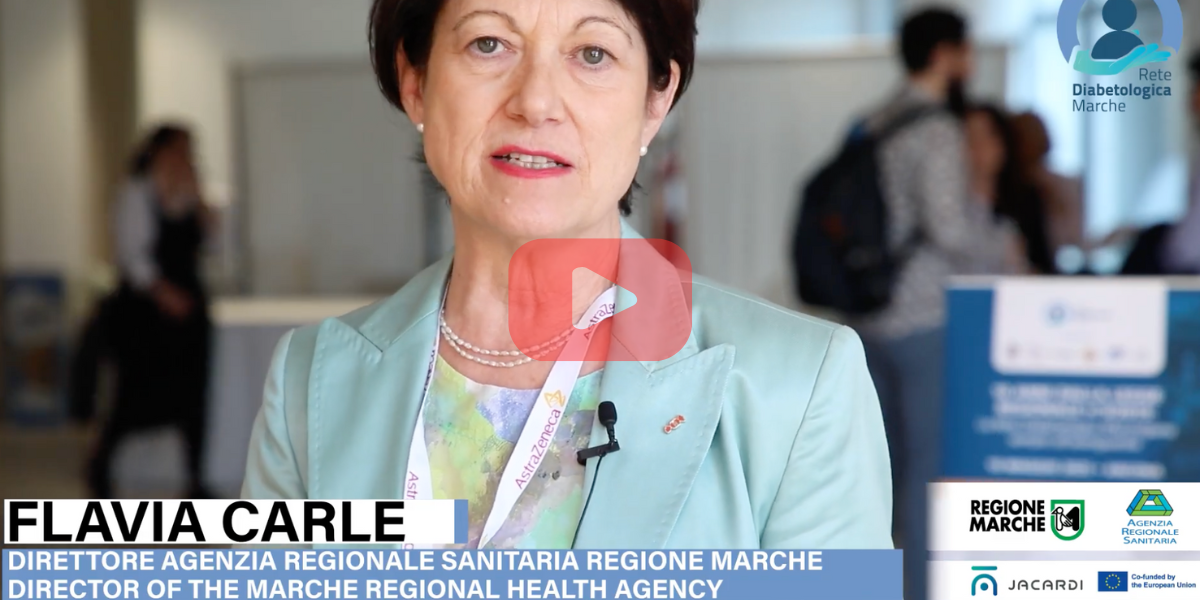
As highlighted by Flavia Carle, Director of the Regional Health Agency, participating in a European Joint Action offers “two main benefits: contributing our experience to the development of guidelines and organizational models, and learning from other European countries to guarantee equity across our region.”
Digital innovation plays a central role. As Massimiliano Petrelli notes, the region’s electronic medical records now allow real-time data access, enabling faster and more precise interventions. JACARDI provides new resources to expand this capacity and strengthen digital health literacy among professionals and patients alike.
Beyond technology, JACARDI promotes a cultural shift toward shared responsibility. The projects now implemented in all the Health Authorities of the Regional Healthcare system will enhance health literacy, empowering citizens to make informed decisions about their care.

As highlighted by Paolo Muratori, President of the Marche Federation of Diabetic Associations, patient associations act as vital bridges between institutions and the community, ensuring that patient voices help shape regional policies.
In just two years, the Marche JACARDI team has launched pilot projects in almost all Diabetes Centres, produced educational materials, and trained healthcare staff, embedding these innovations into the regional system.
The Marche Region’s journey—from pioneering legislation to European leadership—shows how consistent collaboration and commitment to equity can turn a regional best practice into a shared European achievement. JACARDI is not just a project but a collective investment in knowledge, empowerment, and health for all.
New online risk test by the Finnish Diabetes Association garners over 120,000 users in just one month
A groundbreaking new digital health initiative in Finland is empowering individuals to assess their risk of developing some of the country’s most common chronic illnesses, all from the comfort of their homes. This tool has been developed as part of a pilot program within JACARDI’s Work Package on screening by the Finnish Institute for Health and Welfare (THL) and the Finnish Diabetes Association.
The new online risk test has already garnered over 120,000 users in just one month, signaling a widespread public interest. In fact, drawing from extensive population-level health data, the tool estimates a person’s likelihood of developing: type 2 diabetes, cardiovascular diseases, and memory disorders (such as dementia). The risk for type 2 diabetes and heart disease is projected over 10 years, while memory disorders are evaluated over a 20-year timeline.
The test was developed by a team of experts, including Prof. Jaana Lindström, Research Manager at THL and Sari Koski, Director of Diabetes Courses and Knowledge Production at the Finnish Diabetes Association, under JACARDI’s Work Package on Screening, led by Hanna Tolonen from THL. It does not function as a diagnostic tool, yet it offers a general risk assessment based on an individual’s lifestyle and health background, providing valuable insights even before symptoms emerge. It is especially helpful for individuals who may not yet have access to clinical testing or regular medical evaluations.
The test is available online and can be completed in minutes, anonymously and free of charge. It is designed for adults of all ages and is especially relevant for those who are unaware of their risk factors. It can be used independently at home.
Each user receives a personalized summary of their risk, along with science-backed lifestyle suggestions. These include advice in areas, such as diet and nutrition, physical activity, sleep and recovery, and stress management.
By taking the test, individuals are encouraged to make small but impactful changes to their daily habits, changes that could significantly reduce their chances of developing chronic illnesses in the future.
Since its launch in late May 2025, the test has exceeded expectations; the section related to memory disorders has seen particularly high engagement.
This level of adoption underscores a growing interest among the Finnish population in self-directed health promotion and self-care. The success of the initiative also reflects how digital tools can complement traditional healthcare services by raising awareness, prompting early action, and reducing long-term healthcare costs.
Health authorities are enthusiastic about the test’s potential. Prof. Jaana Lindström, from THL, emphasized its preventive power, stating that recognizing risk is key to taking action in time.
Sari Koski, representing the Finnish Diabetes Association, highlighted the importance of modest lifestyle adjustments by saying that even small changes can lead to significant health benefits over time.
This perspective is supported by stark national statistics. Every year in Finland:
- Approximately 23,000 people are diagnosed with type 2 diabetes
- Around 22,000 with coronary artery disease
- About 23,000 begin experiencing memory-related disorders
These figures underline the urgent need for tools that enhance citizens’ awareness of chronic disease risk factors and promote early detection and lifestyle interventions.
For this reason, the launch of this new test quickly gained widespread attention, as the campaign was covered extensively by both major national and local media outlets across Finland. Leading publications highlighted the test’s potential to empower individuals to take control of their health. Regional news platforms played a key role in disseminating the information, ensuring that citizens across the country, from urban centers to rural municipalities, were informed about the tool.
The risk test serves not only as a personal wellness tool but also as a potential model for broader public health efforts. This strategy is not only beneficial for the individual but also contributes to the sustainability of the healthcare system.
Moreover, initiatives like this one are economically sensible: they help curb the rising costs of treating chronic conditions and allow more people to stay healthier and more productive for longer.
Finland’s new online risk test represents a timely and impactful tool for public health promotion. While not a replacement for medical diagnosis, it opens the door to greater personal responsibility and awareness. By bridging digital innovation with health promotion, it empowers citizens to act before illness strikes, and that might just be the key to a healthier future for all.
“There is a positive story to be told here” — what we learned at the DigiCare4You Workshop
In line with HaDEA’s commitment to foster synergies and share knowledge across EU health initiatives, JACARDI actively engages with a wide portfolio of projects – from Joint Actions and EU4Health grants to Horizon-funded interventions. JACARDI team members recently attended the DigiCare4You Capacity Building and Recommendations Development Workshop with International Stakeholders, held in Lisbon during the annual ICIC conference.
The event underscored how ongoing stakeholder engagement is vital to disseminate results, explore upscaling opportunities, develop evidence-based national policies and lay the groundwork for future cross-country collaborations. We invite readers to learn more about this ambitious intervention – running in parallel to our own pilot implementations – which is already demonstrating early results, implementation insights, and an inspiring commitment to meaningful change in health self-management.
A people-centric, digital health solution for preventing and managing diabetes and hypertension
The Horizon2020-funded DigiCare4You project offers a new model for the early prevention and management of type 2 diabetes (T2D) and hypertension (HTN) by engaging schools, communities, and healthcare systems in an intersectoral approach. At its core, the project empowers families and connects health and education sectors, equipping individuals with digital tools to better manage their health.Building on the evidence-based Feel4Diabetes study, DigiCare4You is being implemented in two high-income (Greece, Spain) and two middle-income countries (Albania, Bulgaria), targeting over 10,000 families across socio-economic groups.
Screen, support, empower – the DigiCare4You approach
DigiCare4You applies a two-step screening model leveraging existing child growth monitoring activities in schools and health centers through which parents and caregivers are approached to complete the FINDRISC questionnaire as the first screening step. Adults identified as at risk are then referred for a second screening, which includes anthropometric and clinical assessments to detect conditions such as prediabetes, type 2 diabetes, or hypertension.
Those confirmed at risk are subsequently invited to join the DigiCare4You two-year, mHealth-supported intervention programme, focused on lifestyle change, self-management, and family support. A multilingual mobile app offers access to health data, tracking tools, and educational resources and even recipies. Importantly, the intervention supports healthier behaviors in both adults and children through school and community-based activities.
DigiCare4You combines digital innovation, equity-driven outreach, and participatory research, while integrating into existing systems and investing in health professional training – ensuring sustainable, real-world impact.

Early results revealed: first findings inspire confidence
The Capacity Building and Recommendations Development (CBRD) Workshop gathered international experts at the midpoint of project implementation to review progress and shape the upcoming Roadmap for Scale-Up.Prof. Brian Oldenburg elevated the spirit of the event stating that: “Early findings are promising enough to say that there is a positive story to be told here.” Indeed, early results are compelling:
- Fewer adults with intermediate hyperglycaemia progressed to T2D; many returned to normal glucose levels.
- Participants with T2D improved their HbA1c.
- Adults with obesity experienced weight loss, BMI reduction, and lower cholesterol—without increased medication reliance.
From research to real-world impact
The workshop emphasized the transition from effectiveness to implementation research – examining how interventions work in real-life conditions. Dr Rajesh Vedanthan facilitated a compelling discussion in which implementers candidly shared successes and challenges.
Key takeaways from country implementers:
- Strong consensus: “Yes, we would start and do it again.”
- Motivation stems from seeing behavior change within families—especially when children and caregivers reinforce each other’s progress.
- Burnout among healthcare staff is a concern—but aligning DigiCare4You with existing systems proved an effective strategy.
- Local ownership and trust, especially through primary care systems and schools, were pivotal.
- Participants emphasized the importance of engaging families holistically, with one Bulgarian team member noting how “changing the behavior at home” can be one of the most lasting outcomes.
Additionally, one noted barrier to engagement was previous unsuccessful attempts at weight control, highlighting the need for tailored motivational support.

Cost-effectiveness, scalability, and the road ahead
Preliminary analyses suggest strong cost-effectiveness, especially when targeting adults with intermediate hyperglycaemia in MICs. A Scalability Decision Support Tool was developed to assess implementation readiness across five domains: NCD care context, digital literacy, support systems, screening capacity, and digital integration. These insights inform the forthcoming Roadmap for Scale-Up.
JACARDI Relevance
The presence of experts involved in both JACARDI and DigiCare4You highlights the existence of a vibrant, cross-country network of professionals dedicated to cardiovascular and diabetes care. The workshop featured members of the JACARDI Stakeholder Advisory Board, including a policy advisor from the European Diabetes Federation, epidemiologist and researcher from EUPHA, healthcare professionals involved in the pilot implementation in Portugal, representatives from the industry developing digital tools, and communication experts. Together, these individuals demonstrate the strength of this interconnected community.
Such events provide valuable opportunities to learn, grow and exchange knowledge, and have the potential to shape and enhance the quality of ongoing interventions. Given the different timelines of these projects, the initial findings of the DigiCare4You project can provide valuable insights for the JACARDI teams, given that the implementation of the pilots has only just begun.

Looking ahead
In its final year, DigiCare4You will focus on completing the intervention, finalizing cost-effectiveness studies, and refining its scalability tools. A second CBRD workshop will present final results and a full Roadmap for Scale-Up, providing a concrete guide for policy and replication.
As the burden of type 2 diabetes (T2D) in Europe is expected to reach 72 million people by 2050, DigiCare4You is emerging as a promising prevention model. “We design a programme, and when we start to implement it, we are confronted with the reality on the ground. Reality is revealed, and we act according to people’s needs,” said Prof. Yannis Manios, Project Coordinator. Meeting people where they are – with empathy, innovation and commitment – may be the most powerful intervention of all.
Discover more about the DigiCare4You project here.
JACARDI’s voices on the scientific stage across Europe
The first half of 2025 has been a busy and productive time for JACARDI, with consortium members sharing key findings and pilot implementation highlights at leading scientific conferences across Europe. These contributions, spanning health literacy, integrated care, biomarker-based screening, and health economics, demonstrate the depth and scope of the work underway across multiple work packages.
Spotlight on ICIC25 – Lisbon, Portugal | May 14–16, 2025
JACARDI had a strong presence at the 25th International Conference on Integrated Care (ICIC25) with three distinct contributions representing different work packages:
Irati Erreguerena (Work Package 6 – Health literacy) delivered an oral presentation on a co-designed health literacy program for adolescents in the Basque Country, Spain. Her talk highlighted how WHO’s Health Literacy Development Model, and the Ophelia (Optimising Health Literacy and Access) co-design methodology were applied to empower younger populations with knowledge and tools for chronic disease prevention.
Yhasmine Hamu (Work Package 9 – Integrated care pathways) presented on the implementation of a value-based integrated care model, sharing strategies to address care fragmentation and improve outcomes for people with chronic conditions.
Gergely Varga (Representing both Work Package 9 – Integrated care pathways and Work Package 5 – Methodological framework) contributed a poster that outlined a situational analysis methodology designed to support integrated care.
Faculty of Public Health Summer Scientific Meeting – Dublin, Ireland | May 20–21, 2025
Sonja Moore (Work Package 8 – Screening) presented findings from a scoping literature review on the use of natriuretic peptides in cardiovascular risk stratification and management. Her poster focused on current strategies and approaches for using these biomarkers in patient populations without diagnosed heart failure, a topic gaining traction in preventive cardiology. The review aimed to inform more targeted screening protocols and identify gaps in clinical practice across Europe.
COMET Conference – Poznań, Poland | June 25–27, 2025
Richard Osborne (Work Package 6 – Health Literacy) represented JACARDI at the 23rd International and Interdisciplinary Conference on Communication, Medicine, and Ethics (COMET). His oral presentation focused on scaling up health literacy development as a strategy to prevent and manage non-communicable diseases. The talk stressed the need for strategic investment in communication and co-design at the system level.
1st European Public Health Economics Conference
– Palermo, Italy | June 26–27, 2025
Katie Ellwood (Work Package 8 – Screening) presented a pilot study from JACARDI aiming to establish the most cost-effective threshold for using NT-proBNP blood marker in cardiovascular disease (CVD) risk stratification. The analysis models the impact of different thresholds over a 30-year horizon in a large population cohort. This pioneering work within JACARDI bridges clinical practice with health economics, helping to inform sustainable, evidence-based screening strategies.
These scientific initiatives reflect JACARDI’s commitment to knowledge-sharing, collaboration, and measurable impact. Consortium members not only showcased research but also engaged with policymakers, practitioners, and academics, advancing the mission to improve cardiovascular and diabetes outcomes across Europe. The autumn season offers a variety of relevant conferences, kicking off right at the end of summer with the Congress of the European Society of Cardiology, taking place from 29 August to 1 September.
From evidence to impact: a united call for equity-driven and sustainable action on NCDs
- JACARDI, JA PreventNCD, WHO Europe, OECD and the European Commission’s DG SANTE have published a joint Comment in The Lancet Regional Health, based on the findings of the newly published report ‘Avoidable mortality, risk factors and policies for tackling NCDs: leveraging data for impact’, by WHO Europe.
- The Comment underscores the critical role of cross-national collaboration in translating WHO findings into actionable policies, with a focus on equity, data-driven solutions, and integrated care pathways.
- These organizations call for an accelerated, harmonised and equity-driven European agenda on non-communicable diseases.
Non-communicable diseases (NCDs) remain the leading cause of death and disability in Europe, and recent trends reveal both progress and setbacks. While tobacco use, hypertension prevalence, and alcohol consumption have declined since 2010, obesity and diabetes rates continue to rise alarmingly, and physical inactivity shows no signs of improvement. This mixed picture is compounded by a slowdown in the implementation of vital public health policies since the COVID-19 pandemic.
These findings are discussed in a Comment published in The Lancet Regional Health and developed through a collaborative effort bringing together JACARDI, JA PreventNCD, WHO Europe, OECD (Organisation for Economic Co-operation and Development), and the European Commission’s DG SANTE. The publication summarises the findings of the report Avoidable mortality, risk factors and policies for tackling noncommunicable diseases – leveraging data for impact: monitoring commitments in the WHO European Region ahead of the Fourth United Nations High-Level Meeting, by WHO Europe, reinforcing the urgency of renewed action. It emphasises the need for comprehensive solutions that prioritise strengthening health systems, accelerating the implementation of proven interventions, effective policies, and integrating equity-driven approaches.
The Comment presents key insights taken from the WHO Europe Report on the current state of NCD prevention and management in Europe. It highlights key challenges, such as the decline in the number of countries that have fully implemented NCD surveys, which fell from 28% in 2021 to 19% in 2023, and the reduction in the number of countries with operational multisectoral NCD strategies, which decreased from 60% to 55% during this period.
Despite these challenges, the authors note that 85% of European countries have adopted management guidelines for the four major NCDs: cardiovascular diseases, cancer, diabetes, and chronic respiratory diseases; demonstrating significant foundational progress.

“These figures paint a complex picture. Despite decades of progress in reducing premature mortality from the four major NCDs prioritised by global agenda, currently the region is off track to meet its 2025 targets. Moreover, the rise in obesity and diabetes and the slowdown in policy implementation highlight the urgent need to reinvigorate our efforts”, comments first author Dr Benedetta Armocida, from the Department of Cardiovascular, Endocrine-metabolic Diseases and Aging at Istituto Superiore di Sanità-ISS, Rome (Italy) and Coordinator of JACARDI.
The Scientific Coordinator of JA PreventNCD, Prof Knut-Inge Klepp, concurs and is particularly concerned regarding the slowdown in the implementation of population level policy interventions:
“We know how critical such policies are if we are to succeed in having a significant and lasting impact across population groups in Europe. Inequalities in NCD-related health remain a key challenge across and within European countries”.
Driving change
The European Union’s flagship initiatives under the EU4Health Programme are pivotal in addressing these challenges. JACARDI and JA PreventNCD are at the forefront of strengthening cross-national collaboration and implementing integrated strategies for NCD prevention and management.
JA PreventNCD targets primary prevention by tackling root causes such as unhealthy diets, tobacco and alcohol use, and lack of physical activity. JACARDI, meanwhile, focuses on secondary and tertiary prevention, aiming to enhance outcomes for cardiovascular diseases and diabetes through evidence-based interventions and integrated care pathways. Together, these initiatives exemplify the EU’s commitment to tackling NCDs across the care continuum, supported by a combined budget of €160 million and participation from 27 European countries.
The WHO NCD Global Monitoring Framework, which includes nine global voluntary targets, notably the headline goal of a 25% reduction in premature mortality from NCDs by 2025, is about to expire. That is why the authors provide a clear roadmap for advancing the fight against NCDs, ensuring systematic policy implementation and strengthening data infrastructures to translate commitments into measurable health outcomes.
“There are no more excuses. We have the knowledge and the tools. What remains is the will to implement them swiftly and hold ourselves accountable for delivering real results. This is not just a matter of public health; this is a matter of justice, security, and competitiveness, and a shared future”, says Dr Hans Henri P. Kluge, World Health Organization Regional Director for Europe.

Armocida and Klepp underscore the power of collaboration in achieving meaningful change: “We truly believe this joint effort reflects the strength and unity across Europe, bringing together a diverse group of organisations, initiatives, and stakeholders committed to reducing the burden of NCDs. The collaborative authorship of this Comment itself serves as an example of the collective commitment and shared vision needed to address one of the region’s most pressing public health challenges.”
The Comment calls for an accelerated, harmonised, and equity-driven European agenda on NCDs, particularly in the lead-up to the 2025 UN High-Level Meeting on NCDs.
The JA PreventNCD and JACARDI Joint Actions encourage policymakers, researchers, and public health advocates to explore this vital publication and join in building a healthier, more equitable future for Europe.
JACARDI (Grant Agreement 101126953) and JA PreventNCD (Grant Agreement 101128023) projects have received funding from the EU4Health Programme 2021-2027.
JACARDI featured on Italian national TV: free health screenings raise awareness on diabetes and cardiovascular risks
JACARDI was recently featured on RAI, Italy’s national public broadcaster, highlighting a free public screening campaign aimed at the early detection of diabetes and cardiovascular disease. This broadcast was filmed during a high-profile event in Reggio Calabria tied to the arrival of the Italian Navy’s historic ship Amerigo Vespucci, and it brought national attention to a simple yet powerful tool for screening and prevention: online self-assessment accessible through a QR code.
The JACARDI project, in collaboration with the ASP (Azienda Sanitaria Provinciale, Local Health Authority) of Reggio Calabria, was able to engage with citizens by making them scan a QR code with their smartphone and receive information about preventive health measures. People answered simple questions and received useful lifestyle tips, and those showing health concerns were flagged for follow-up, providing an immediate and accessible method for early diagnosis.
During the broadcast, several key figures were interviewed, including Dr. Lucia Di Furia, Director General of ASP Reggio Calabria, who suggested that prevention begins with daily awareness. Along with Dr. Ernesto Giordano, an endocrinologist and project manager on childhood obesity prevention, Di Furia highlighted how important it is to educate children on food habits to prevent future health issues.
This initiative exemplifies how JACARDI, as part of a broader EU Joint Action, is transforming prevention into practical action. By combining digital innovation with community outreach, the project is not only improving health literacy but also enabling early detection of conditions that often go unnoticed until it’s too late. As one of the 142 pilots under JACARDI, the ASP Reggio Calabria screening demonstrates how EU joint actions can deliver real, measurable benefits to people’s lives, fostering a culture of prevention and improved care that crosses borders and builds healthier futures for all.
The pilot in Calabria is one of 18 pilots within JACARDI’s Work Package 8, which focuses on screening and identifying individuals at increased risk of cardiovascular diseases and diabetes. These conditions can often be prevented or delayed through healthy lifestyle changes and better risk factor management. The pilots collect standardized data on key risk factors across European countries to support more targeted, evidence-based prevention strategies.
For the news broadcast in Italian, click here, and to watch the pilot’s promotional video, click here.
JACARDI takes the floor at OECD policy dialogue on Europe’s Cardiovascular Health
On 5 May 2025, the OECD convened a high-level policy dialogue in Brussels to address one of Europe’s most pressing public health challenges: the growing burden of cardiovascular diseases (CVDs). With the participation of the European Commission and key representatives from national governments, civil society, and international organisations, the event marked an important moment in shaping the OECD’s analytical work on CVD trends, prevention, and care across the EU. Represented by its Coordination Team, JACARDI brought forward lessons from its cross-country collaboration, referencing tools, frameworks, and reflections that align with the OECD’s strategic priorities, particularly around equity, data, and cross-sectoral integration.
Cardiovascular diseases (CVDs) remain the leading cause of mortality and morbidity across Europe, placing immense pressure on health systems, economies, and societies. Addressing this burden demands more than incremental change—it requires a shared, data-driven, and equity-focused vision for action.
The OECD’s policy dialogue, “Burden of Cardiovascular Disease in the EU,” held on 5 May 2025 with the participation of the European Commission, convened key stakeholders to discuss forthcoming OECD work that aims to analyse trends in CVD burden, prevention, and management across the EU.
The event gathered representatives from national governments, civil society, and intergovernmental organisations to ensure that the forthcoming report reflects stakeholder priorities and is rooted in collective insight.
JACARDI—the Joint Action on Cardiovascular Diseases and Diabetes—was represented by its Coordination Team: Benedetta Armocida, Graziano Onder and Beatrice Formenti. During both plenary and roundtable sessions, JACARDI shared reflections on the future of CVD response in Europe, highlighting insights from its ongoing collaboration with countries and stakeholders. The Joint Action welcomed this opportunity to align with OECD’s strategic direction and contribute to a common agenda for strengthening CVD prevention and control.
Six key areas of alignment were highlighted:
- A shared framework: the Patient Journey
Echoing the OECD’s analytical framework, JACARDI supports a patient-centred approach that addresses the full continuum of care—from health promotion and early prevention to integrated treatment and long-term management. This patient journey model underpins JACARDI’s operational structure and is currently being implemented through real-world pilots in 18 European countries.
Notably, JACARDI integrates cardiovascular diseases and diabetes within a unified framework, recognising their clinical, biological, and systemic interlinkages. This convergence reflects a growing consensus: that sustainable improvement in population health requires integrated, system-strengthening, and equity-oriented solutions. - Equity as a structural imperative
JACARDI endorses the OECD’s emphasis on reducing health inequities, particularly among migrants, ethnic minorities, and other underserved groups. Equity is not an add-on but a core pillar of JACARDI’s approach—operationalised through the 4C Equity Framework: Critical reflection, Contextualised data, Co-design, and Clear, inclusive communication.
This commitment is made tangible through specific tools like capacity-building masterclasses, a dedicated maturity matrix, and pilot initiatives targeting institutional barriers, including racism and discrimination in healthcare. JACARDI advocates for the standardisation and institutionalisation of such equity-driven models across EU health policies and programmes. - Putting women’s hearts on the Agenda: gender-sensitive CVD responses
Despite notable advances in CVD care, gender disparities persist. Women remain underdiagnosed, undertreated, and underrepresented in research—leading to suboptimal outcomes. JACARDI addresses these challenges through a gender-sensitive approach, following The Lancet Commission on Women and Cardiovascular Disease which underscores the need to embed sex- and gender-specific data into every level of policy and practice.
For example, in Spain, an interactive tool is being developed to map gender-based health disparities regionally. In France, a comprehensive data linkage is underway to examine how gender and social deprivation intersect in influencing disease risk and care pathways. These initiatives represent a shift toward gender-responsive and inclusive health systems. - Data for change: building the evidence base
Fragmented, delayed, and non-comparable data continue to hinder effective CVD policy implementation. There is a pressing need for harmonised, disaggregated, and interoperable health data—especially data disaggregated by sex, ethnicity, and socioeconomic status.
JACARDI is addressing this gap by developing a conceptual data framework for mapping and improving national and regional datasets. The framework spans risk factors, disease conditions, and modifiers of disease or care across population, outpatient, and hospital settings. The information is also structured by domains (care, results, quality indicators), offering a comprehensive and standardised approach to data mapping.
This framework will inform a practical consultation tool to support standardised, comparable, and interoperable data collection across Europe. The aim is to enhance research, promote accountability, and strengthen European health information systems in alignment with OECD, WHO, and EC priorities. - Screening and early detection
A key recommendation from JACARDI reported within the dialogue was the creation of a centralised platform to oversee CVD screening—ensuring quality, transparency, and accountability throughout all stages, from design to evaluation. Such a platform would also house validated risk prediction tools tailored to diverse populations.
JACARDI supports this vision with a suite of tools developed across the Joint Action, including guidance for implementing, monitoring, and evaluating screening programmes; roadmaps for sustainability; and strategies for disease burden surveillance (via WP7). These resources reflect JACARDI’s holistic approach, linking prevention, early detection, and continuous care. - Workplace interventions
CVDs and diabetes significantly impact Europe’s labour market. JACARDI addresses this challenge by promoting workplace interventions that support people living with NCDs in maintaining or returning to employment.
Strategic recommendations include strengthening occupational health services, fostering inclusive workplace cultures, combating stigma, promoting intersectoral collaboration, and increasing awareness and research investment. By aligning employment policy with health priorities, JACARDI aims to reduce economic strain and improve quality of life.
From prevention to rehabilitation: closing the gaps
Effective care for CVD and diabetes requires integrated, person-centred pathways that span the full spectrum of need—from early detection to long-term management and reintegration into society. Reducing fragmentation, ensuring timely access to services, and addressing the needs of chronically ill individuals are essential. JACARDI is actively supporting Member States in designing and implementing more cohesive, sustainable care models—bridging current gaps and promoting resilience in national health systems.
Looking ahead: building Europe’s CVD response together
As the OECD-led analytical report continues to evolve, JACARDI remains committed to contributing to this inclusive, co-creative process. Through piloted innovations, practical tools, and sustained cross-border collaboration, the Joint Action seeks to strengthen Europe’s collective response to CVD and diabetes.
JACARDI’s contribution rests on four foundational principles:
- Equity as structure and substance—addressing the needs of women, migrants, and other underserved groups throughout the policy cycle;
- High-quality, harmonised, and disaggregated data—to enable effective monitoring, accountability, and action;
- Cross-sectoral integration—connecting health with education, employment, social protection, and digital transformation;
- Inclusive, multi-stakeholder engagement—ensuring that patients, professionals, policymakers, and civil society shape the future together.
In closing, JACARDI exemplifies what is possible when countries align around a shared vision. Through collaboration, knowledge exchange, and an unwavering commitment to inclusion, we are not only shaping better health outcomes—we are building a lasting legacy of equity, resilience, and solidarity across Europe.
“JACARDI, together with all key stakeholders, is showing what’s possible when Europe comes together with a shared purpose and vision—turning knowledge into action, and collaboration into a legacy of healthier, fairer societies for all, starting with the urgent challenge of cardiovascular diseases.”
— JACARDI Coordination Team, Benedetta Armocida and Beatrice Formenti